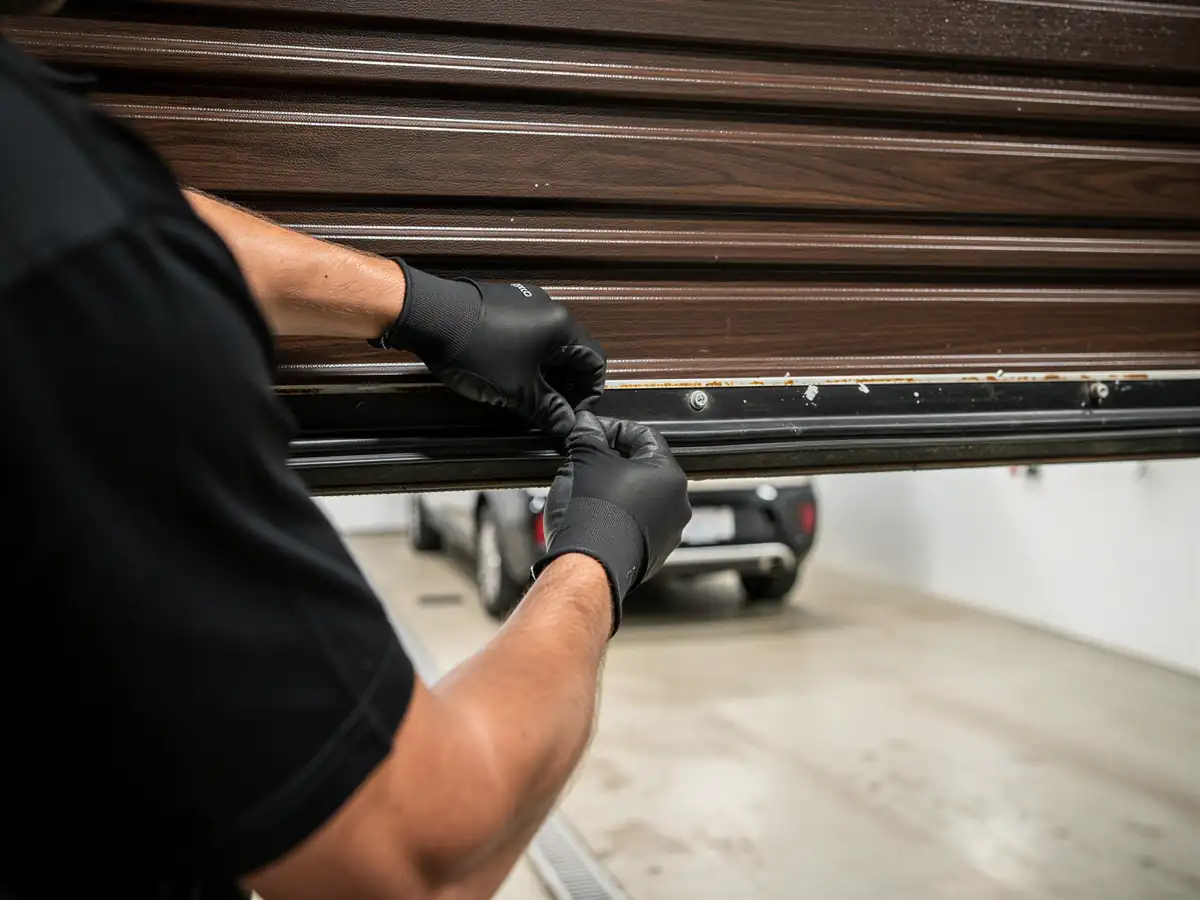
Spring Repair for Maitland's Mid-90s Housing Stock
Maitland homes built around 1996 run mostly torsion springs now nearing 30 years old. We travel from Casselberry to fix the break, not sell a new door.
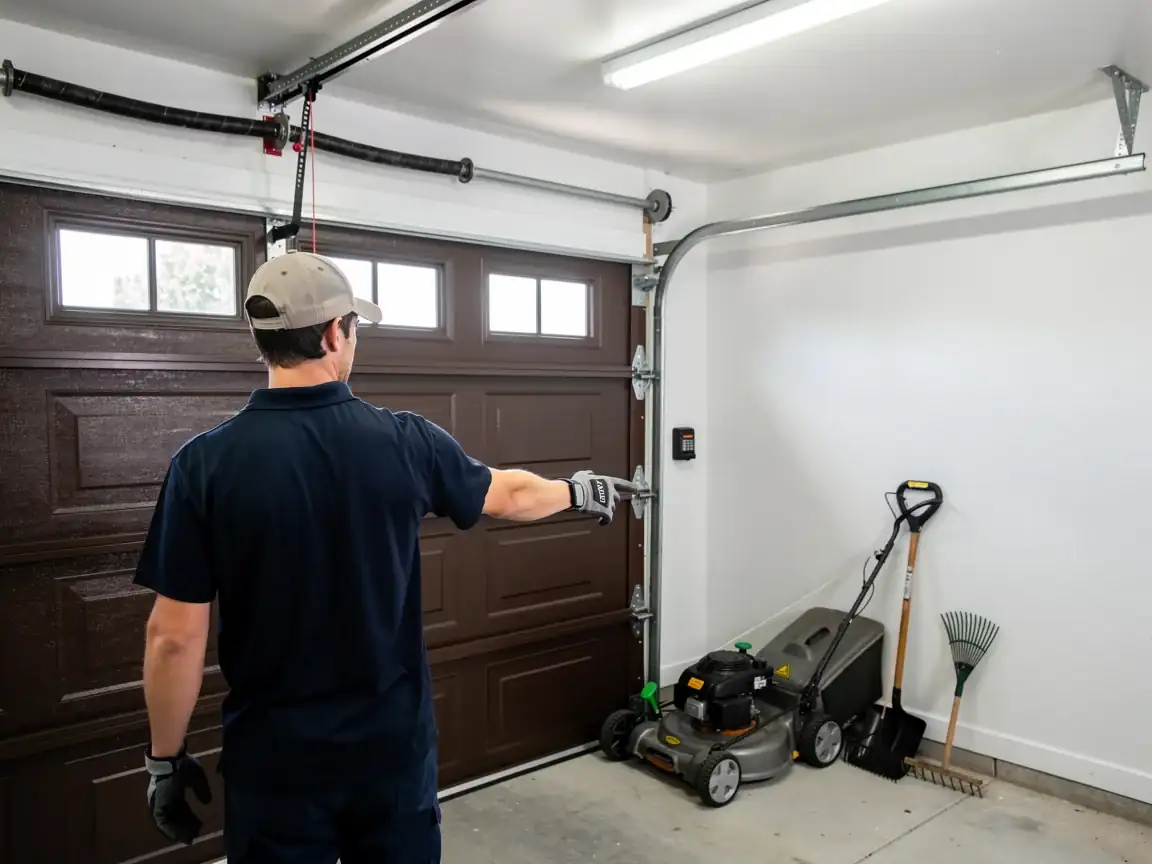
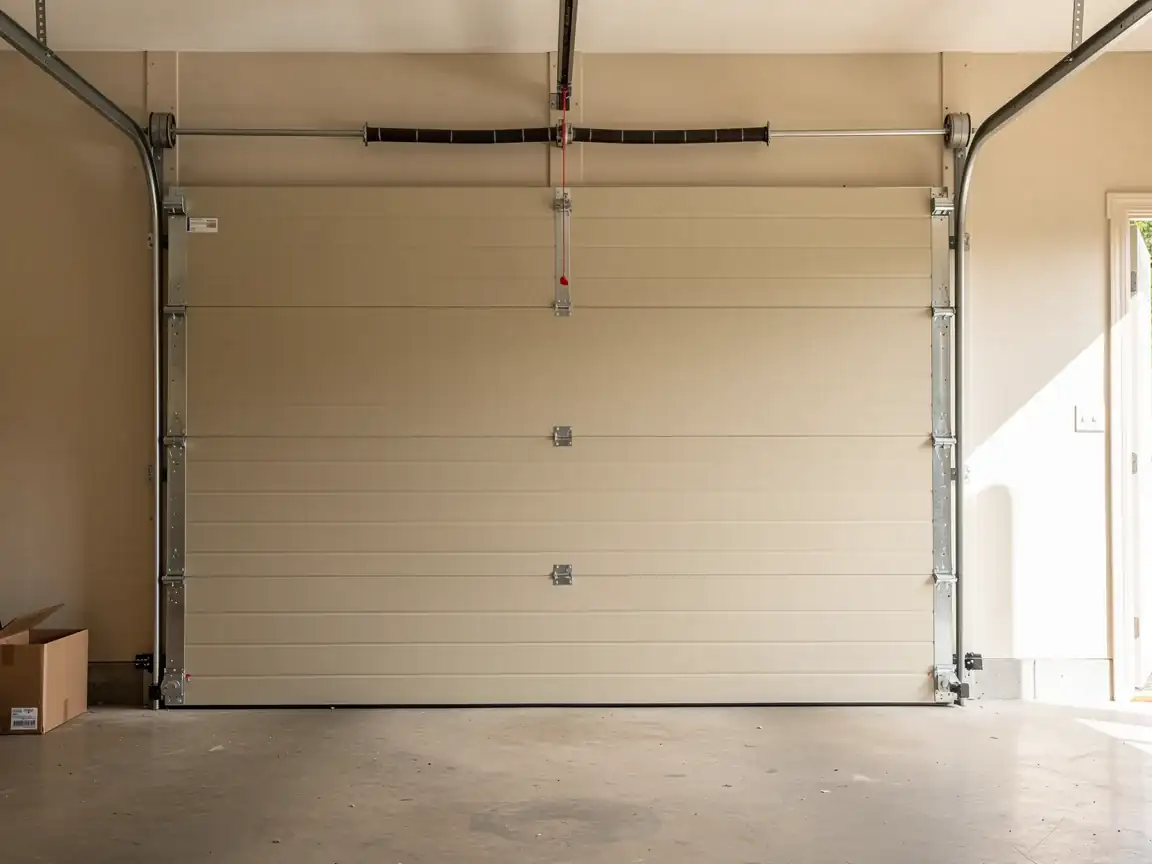
Most of the spring calls we get from Maitland start the same way: the door won't budge, or it slams down fast with a bang. What's different here is the hardware behind that bang. Maitland's median home was built around 1996, which puts the bulk of the town's garage doors on torsion spring systems rather than the older side-mounted extension springs you still find on pre-1980s builds elsewhere in the area.
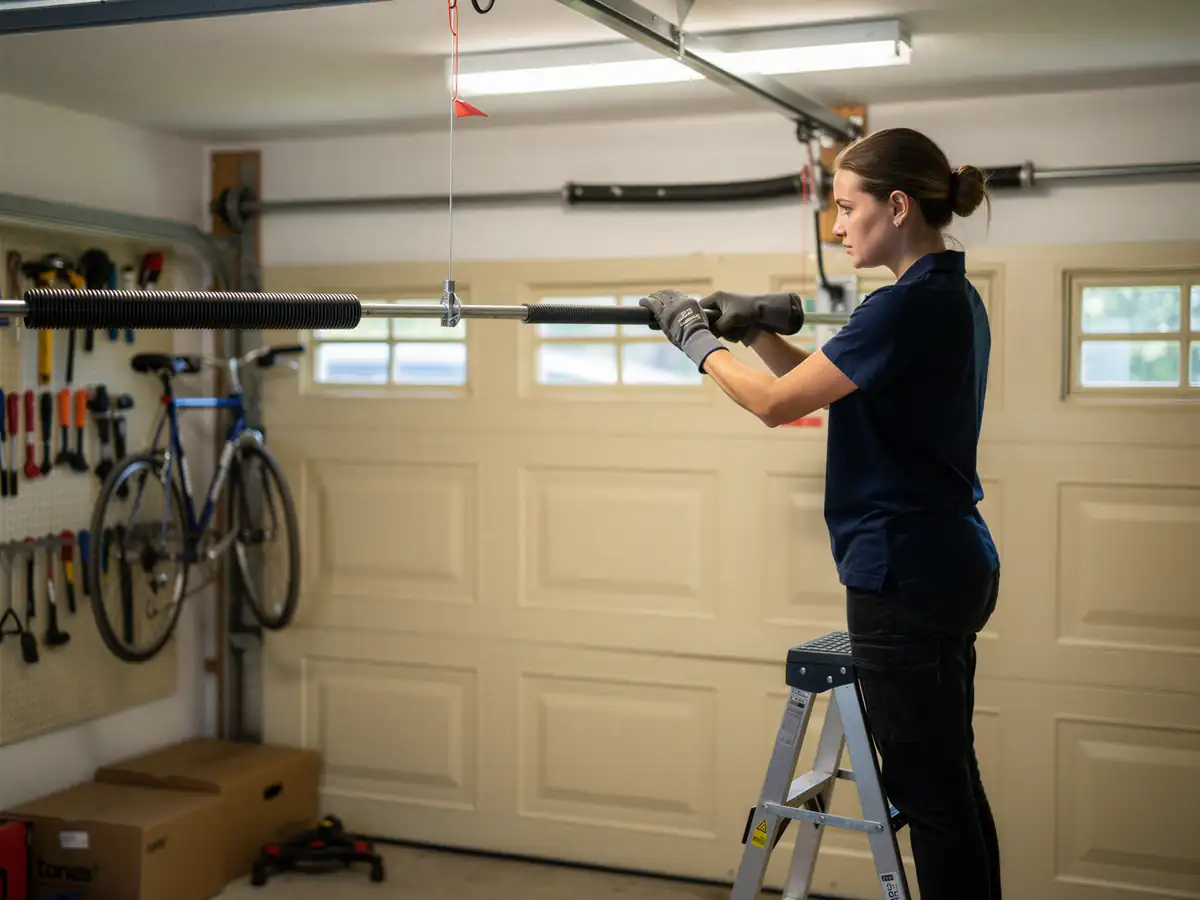
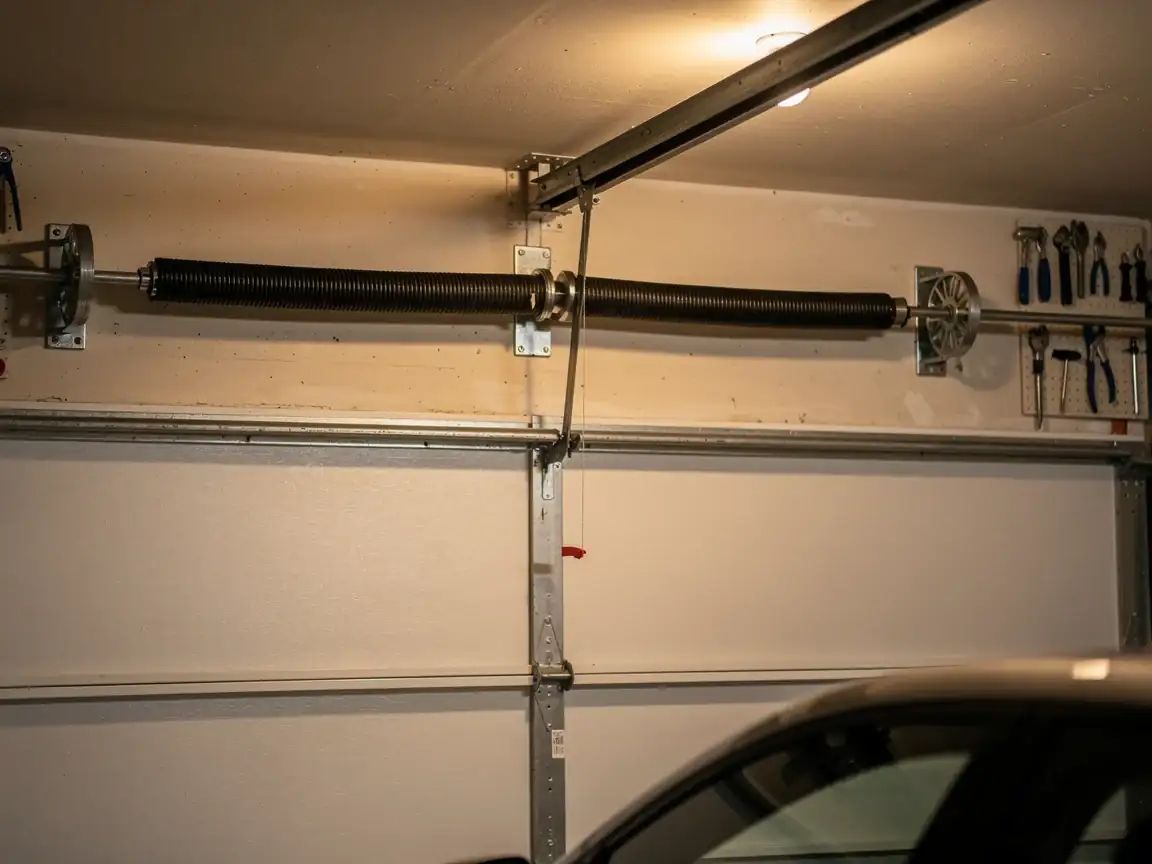
That matters for the fix. A torsion spring sits on a shaft above the door and winds under serious tension - it's not something you loosen with a wrench and a ladder. Across the wider service area, housing runs from 1964 to 2004 with a median closer to 1984, so Maitland actually sits on the newer side of that range. Newer doesn't mean the springs are newer, though. A torsion spring installed when the house went up in the mid-90s has been cycling for about three decades now, and steel fatigues whether or not anyone remembers the last time it was serviced.
Why This Fails Locally
Central Florida's mild, humid climate (per the regional climate band) is gentler on a garage door than freeze-thaw country, but it's not nothing. Humidity promotes surface rust on spring coils, and rust pits weaken the wire gradually, long before the spring looks obviously bad. On a 1996-era torsion spring, that slow weakening plus three decades of daily cycles is usually what finally lets go - not one dramatic event, but years of small ones adding up.
Maitland's household income, at a local median of $93,318, runs above the wider service area's $82,768, and we mention that only because it shapes a real choice: more owners here opt to replace both springs as a matched pair rather than patch the one that broke, since the second is close behind it on the same age curve. That's a judgment call, not a sales pitch - a single spring repair is often the right answer, especially if the second one still has life in it.
What the Fix Involves
01
For a torsion system
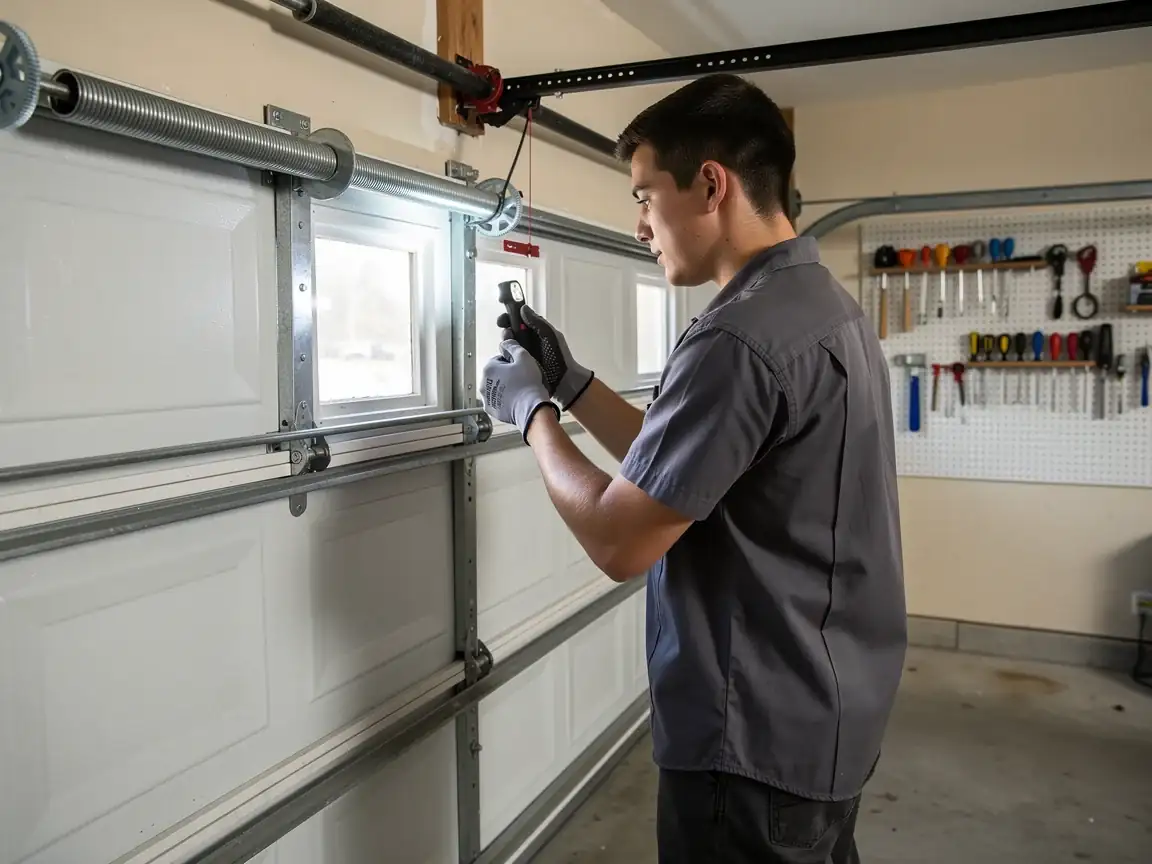
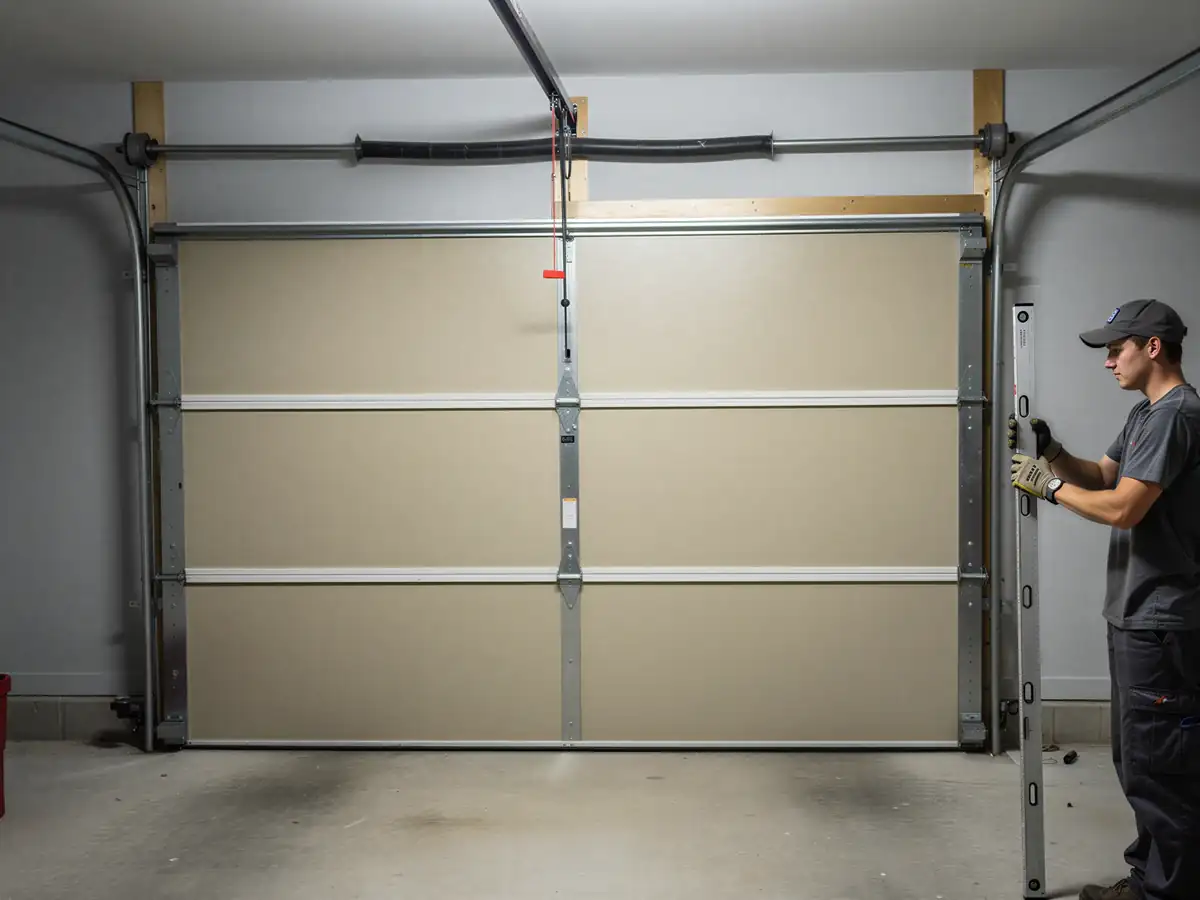
The standard for Maitland's mid-90s housing - the job means unwinding the broken spring safely, pulling it off the shaft, and setting a correctly sized replacement wound to the door's weight and the track's drop. Get the size wrong and the door either won't stay open or slams the opener gears on the way down. We also check the cables and the center bearing while we're up there, since a spring failure often means uneven tension has already stressed one side of the shaft.
02
If your door still runs the older extension-spring setup
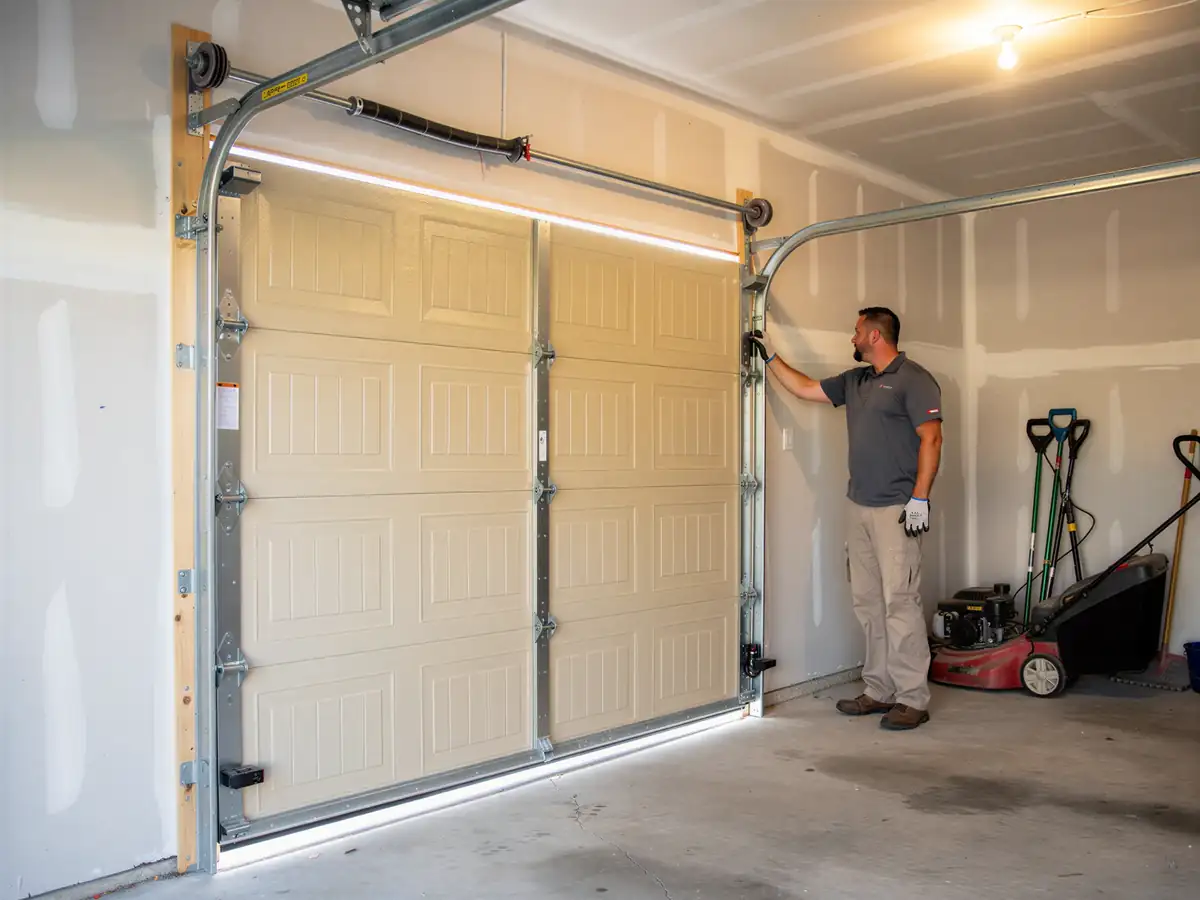
Less common on Maitland's newer stock but not unheard of on an older infill lot - the fix is different: two springs along the horizontal track instead of one torsion spring overhead. We travel out from Casselberry, about 4 miles away, for either kind of call. One honest limit: if the torsion shaft itself is bent or the drum is cracked, that's a parts-order repair, not a same-visit one, and we'll tell you that on site rather than force a fix that won't hold.
4 miles
The Symptom
The giveaway is usually sudden and loud: the door drops the last foot or two on its own, or an opener that used to lift it easily now strains and reverses. Sometimes there's a visible gap in the coil where the spring has snapped clean in two. Either way, don't run the opener again once you see it - a broken torsion spring under partial tension can still whip loose and the cable is doing more holding than it's built for.
On Maitland's 1996-median housing, this tends to show up as a single-spring failure on a double garage door, since both springs were wound and installed the same year and fatigue runs close to in step. If you hear a loud bang from the garage and the door won't lift - or lifts crooked, dropping faster on one side - that's the spring, not the opener motor, and it's worth a call before anyone tries to force the door by hand.
How it works
From “it’s stuck” to “it’s fixed”
01
Tell us what’s wrong
Describe the symptom - won’t open, loud bang, opener runs but the door won’t move.
02
On-site diagnosis
A technician tests the door under power and by hand and finds what actually failed.
03
Clear, up-front plan
You get the fix that’s needed and what drives the cost - before any work starts.
04
Repaired & tested
The repair is done, the door is set true and tested, and the work area left clean.
Not sure which repair your door needs in Casselberry, FL? Describe what it’s doing - every job starts with a diagnosis.
Straight answers about garage door repair in Casselberry. Still unsure? Ask us directly.
How old are the springs on a typical Maitland garage door?
Maitland's median home dates to around 1996, so most original torsion springs are now in their late 20s to early 30s in age. Springs don't have a fixed shelf life, but steel fatigue plus Central Florida humidity means a spring installed when the house was built is well into the range where failure gets likely, even without obvious rust.
Do you have a shop in Maitland?
No. We're based in Casselberry, about 4 miles away, and we drive out to Maitland for spring calls. There's no local branch or drop-in counter here - just a truck that comes to your driveway with the spring sizes and tools for the job.
Should I replace one spring or both on a double door?
If both springs were installed the same year, which is typical on Maitland's mid-90s housing stock, replacing both at once avoids a second breakdown a few months later. It's not mandatory - a single spring repair is a fair fix - but it's worth asking about before we close up the job.
Is Florida humidity hard on garage door springs?
The mild, humid climate here isn't as rough on metal as freeze-thaw regions, but surface rust on spring coils is common and it weakens the wire gradually. Combined with three decades of daily cycling on Maitland's original hardware, that's usually what finally causes the break.