Maintenance Built Around Maitland's 1990s Garage Doors
Maitland homes average a 1996 build year, not 1984 like the wider area - that gap changes which garage door parts wear out first and when to service them.
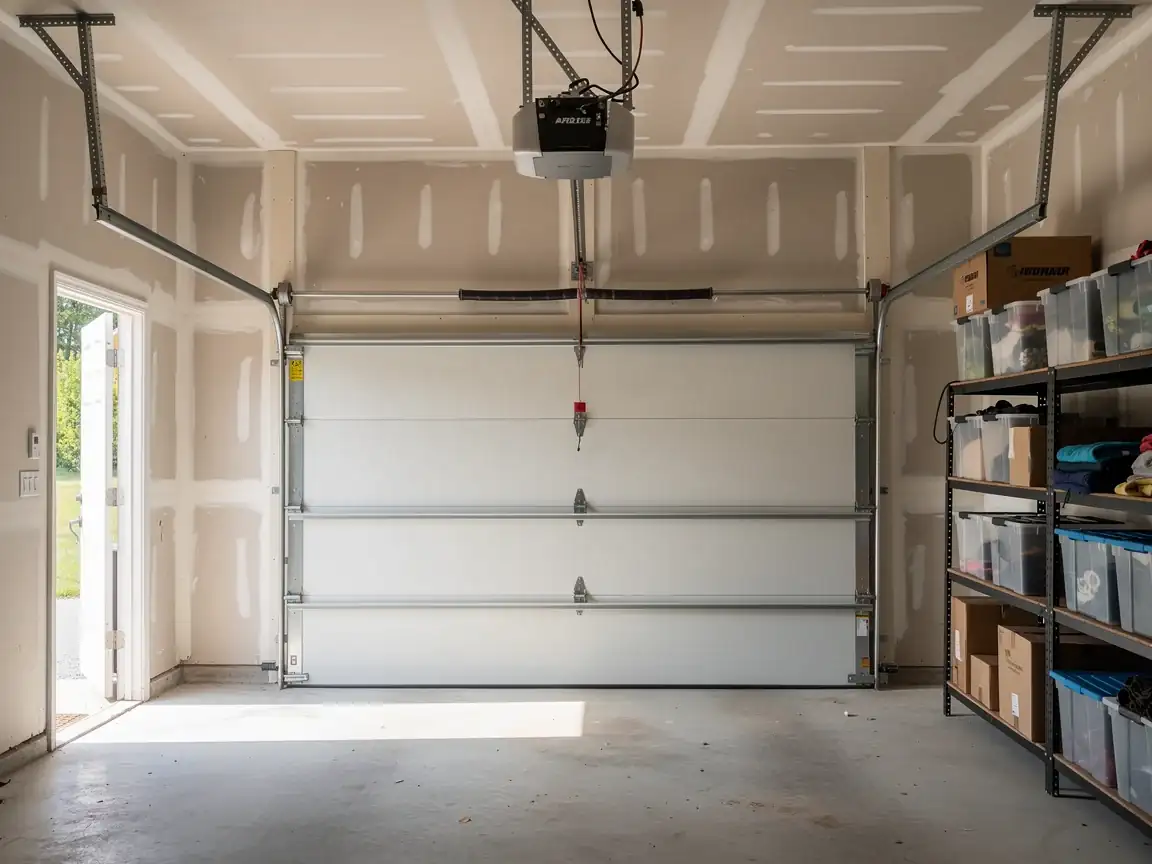
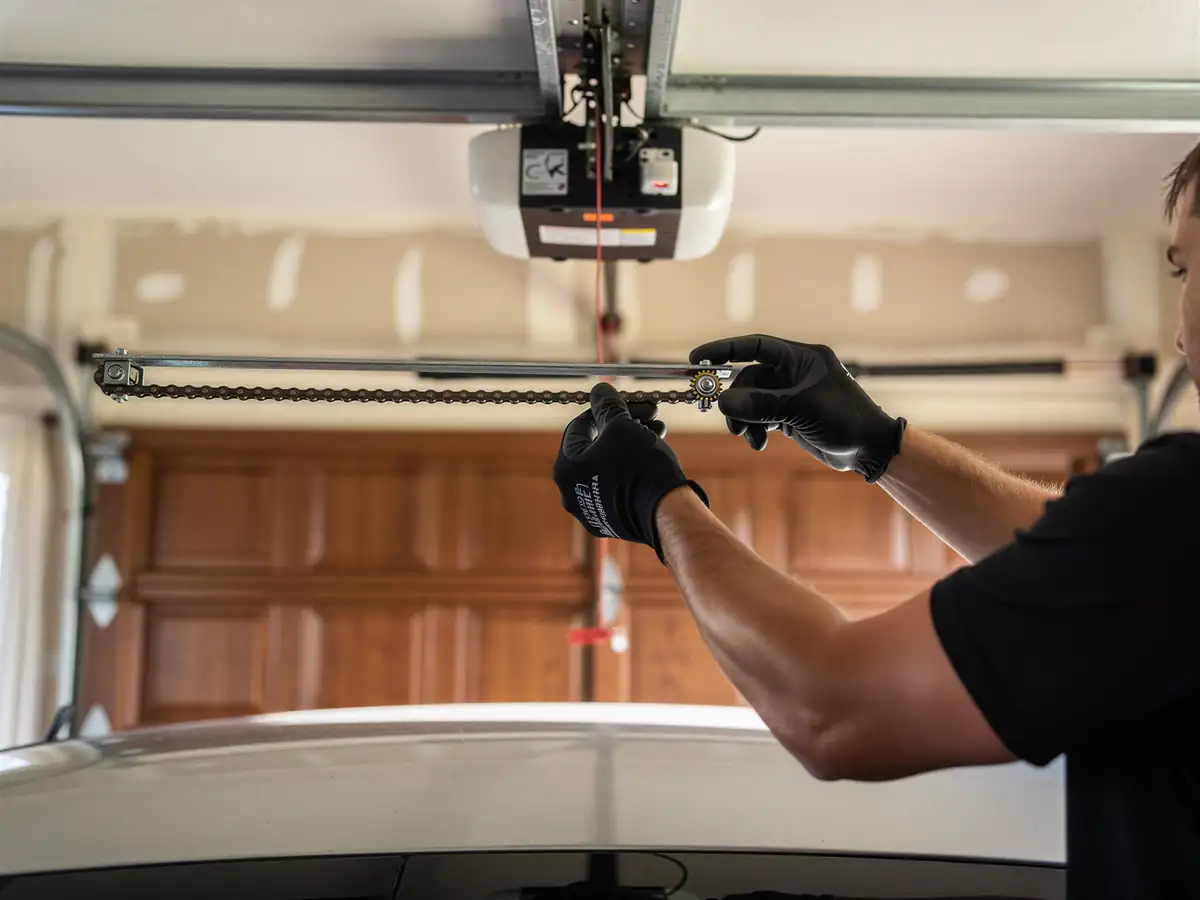
Maitland is a small town by the numbers - 8,713 households, not the tens of thousands you'd find in the bigger pockets of our service area. That size matters because it means the housing stock here clusters tightly around one era instead of spreading across decades. The median build year in Maitland is 1996, a good twelve years newer than the 1984 median across the wider area we cover out of Casselberry. A door that went in new in 1996 is now closing in on thirty years of cycles, which is exactly when galvanized torsion springs start losing tension unevenly and steel rollers on nylon bearings start sounding like it before they look like it. Openers from that window are mostly chain or screw drive with early circuit boards - not the belt-drive, Wi-Fi units going into new construction now, but not the manual doors from the 1960s and 70s either. That narrow band of hardware age is the whole story of what breaks and when in this town, and it's a different story than the one we tell on the Casselberry side of the service area.
Why This Fails Locally
The climate across our service area sits in a mild temperate band - no hard freezes, no deep cold to seize a track overnight. That's the good news for Maitland. The bad news is humidity does its own slow damage: it works grease out of hinges and rollers faster than a dry climate would, and it corrodes spring coils from the inside before the coating shows rust on the outside. On a 1996-era door, that spring has had almost thirty years of humid cycles to work on it. Maitland's median household income, $93,318, runs noticeably above the $82,768 median for the wider area we serve, and in practice that shows up as more upgraded openers - belt drives swapped in over the original chain unit, smart control boards bolted onto older rail systems. Those retrofits are good for quiet operation but they complicate maintenance, because the sensor and limit settings on a newer opener bolted to a thirty-year-old door frame don't always agree with each other. A tune-up that only checks the opener misses the half of the problem sitting in the original hardware.
What the Fix Involves
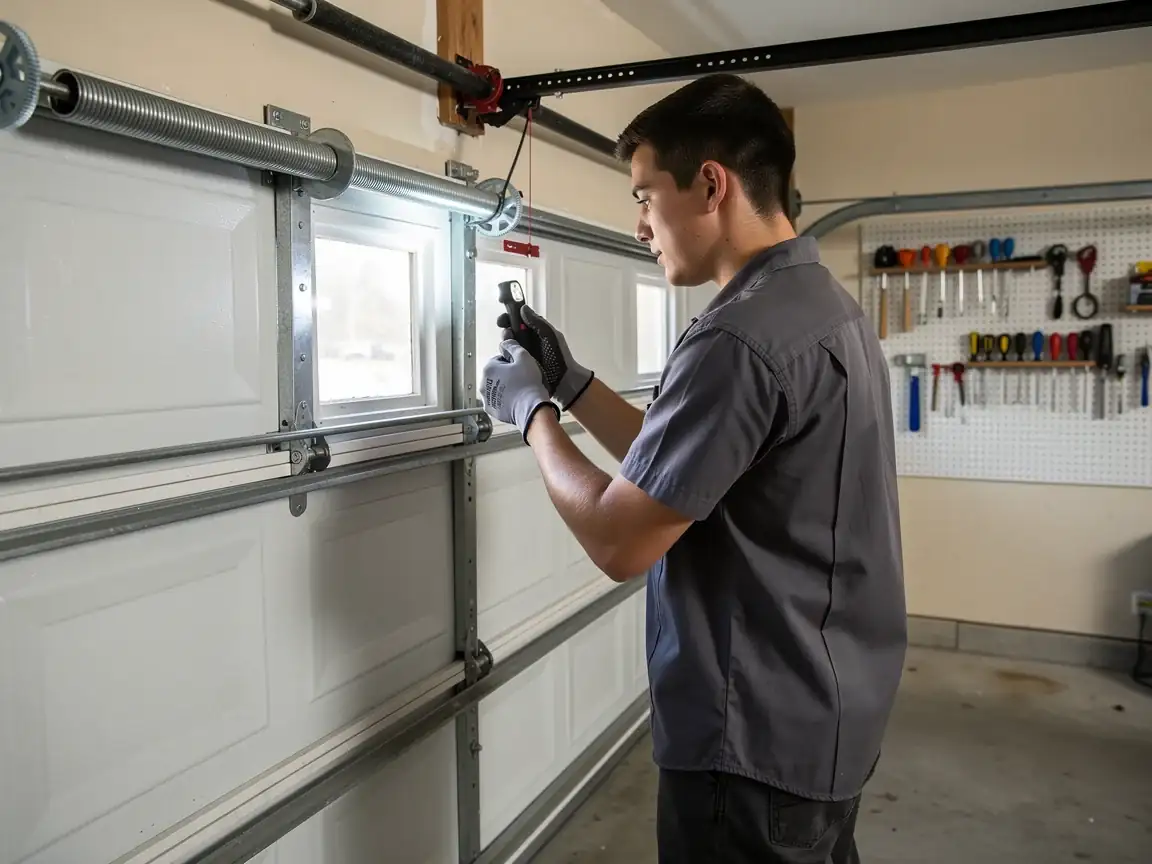
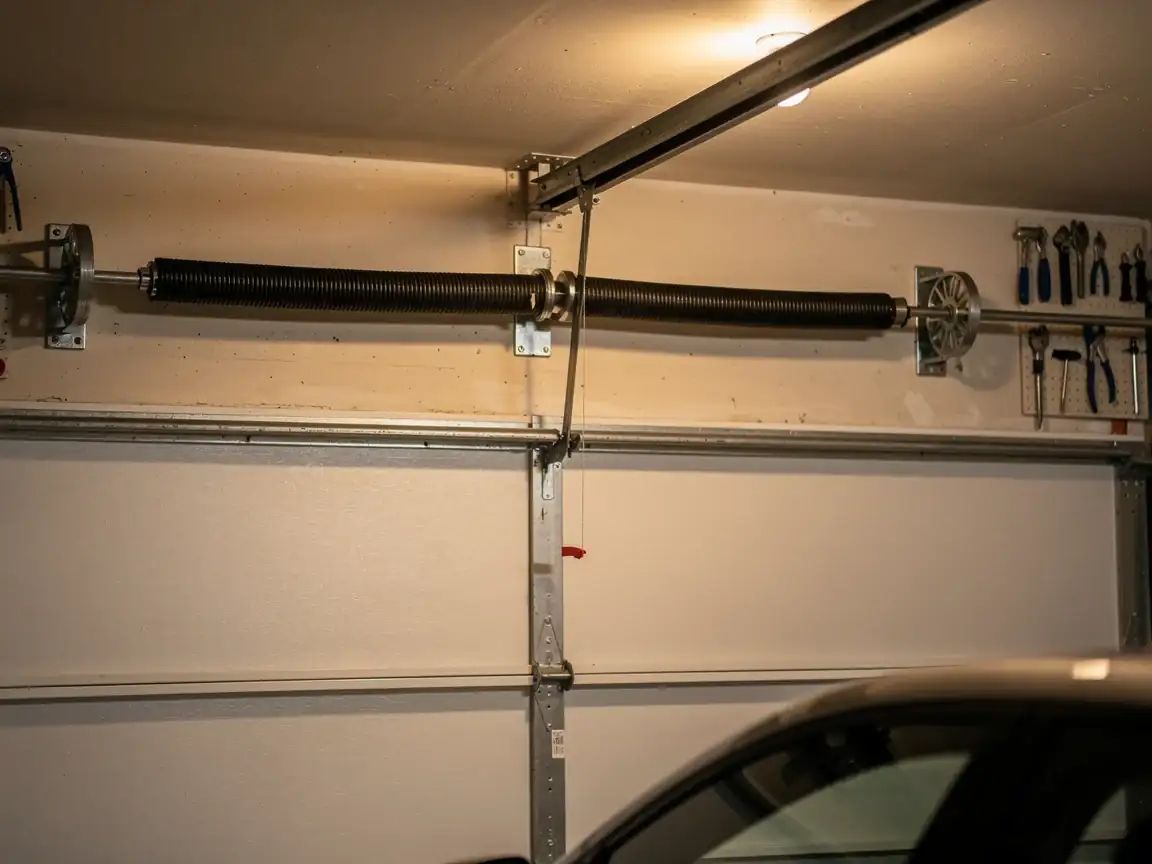
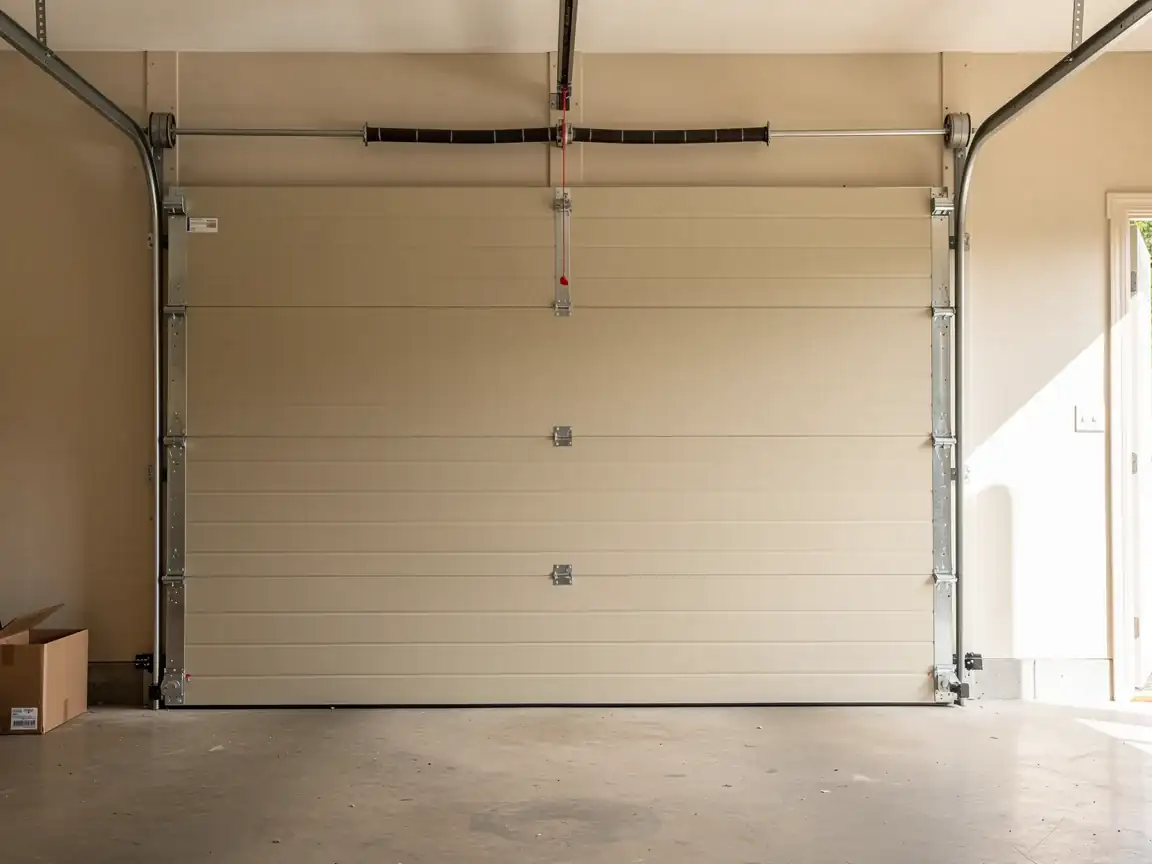
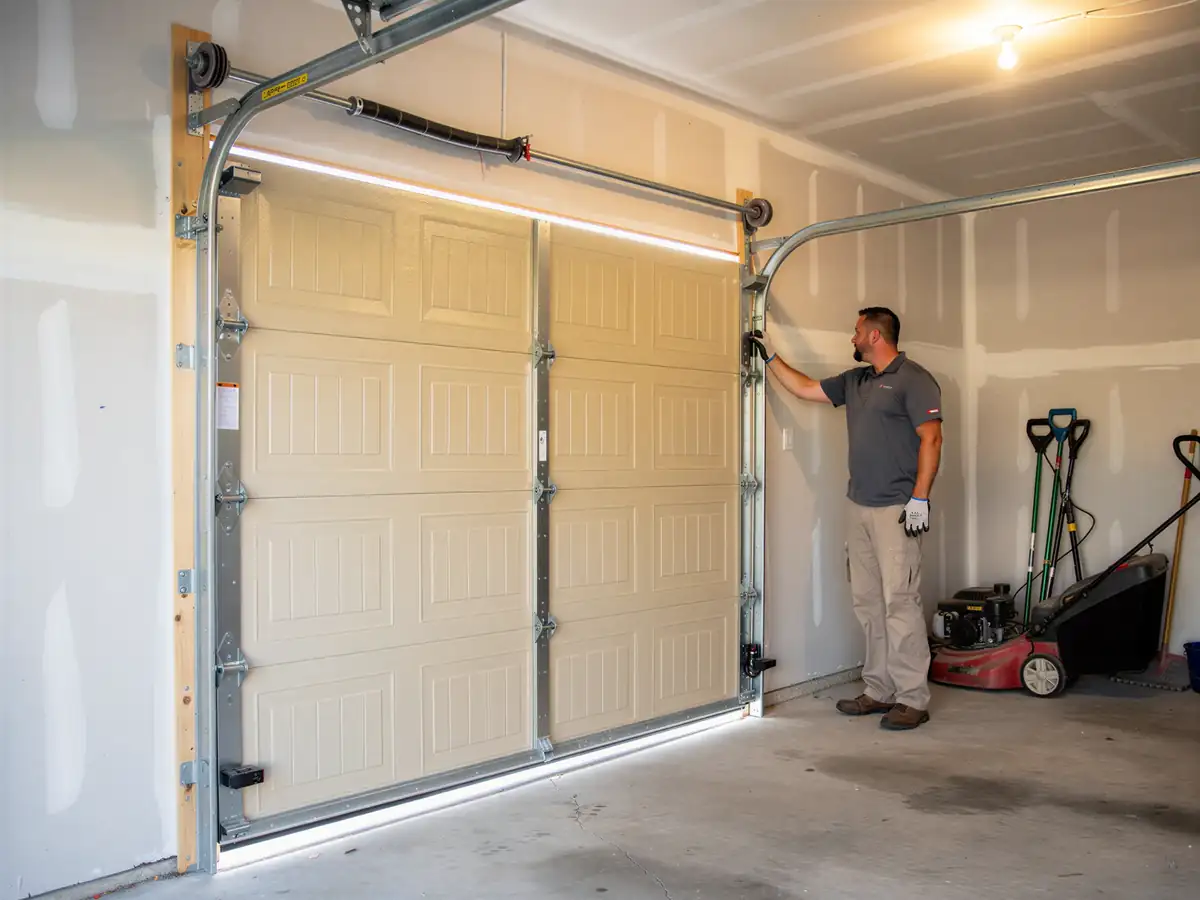
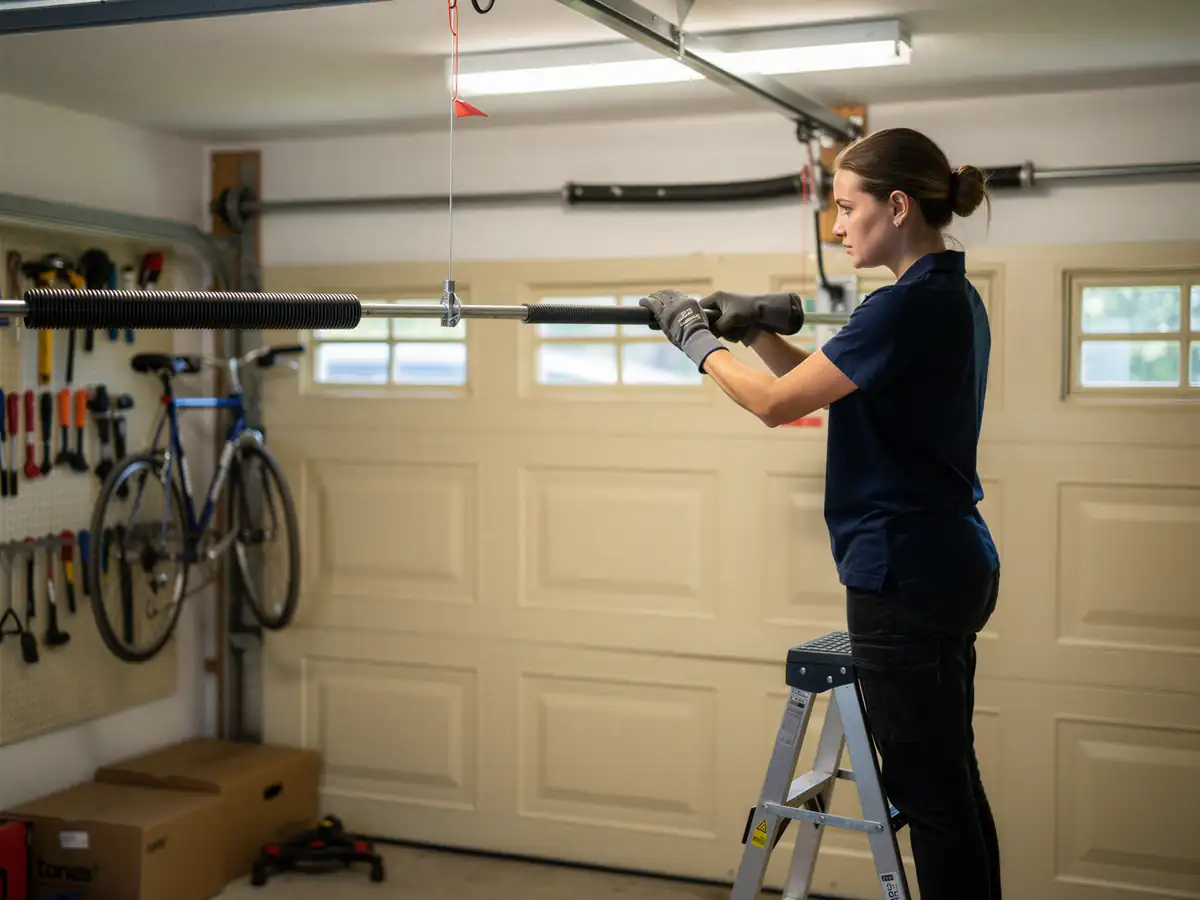
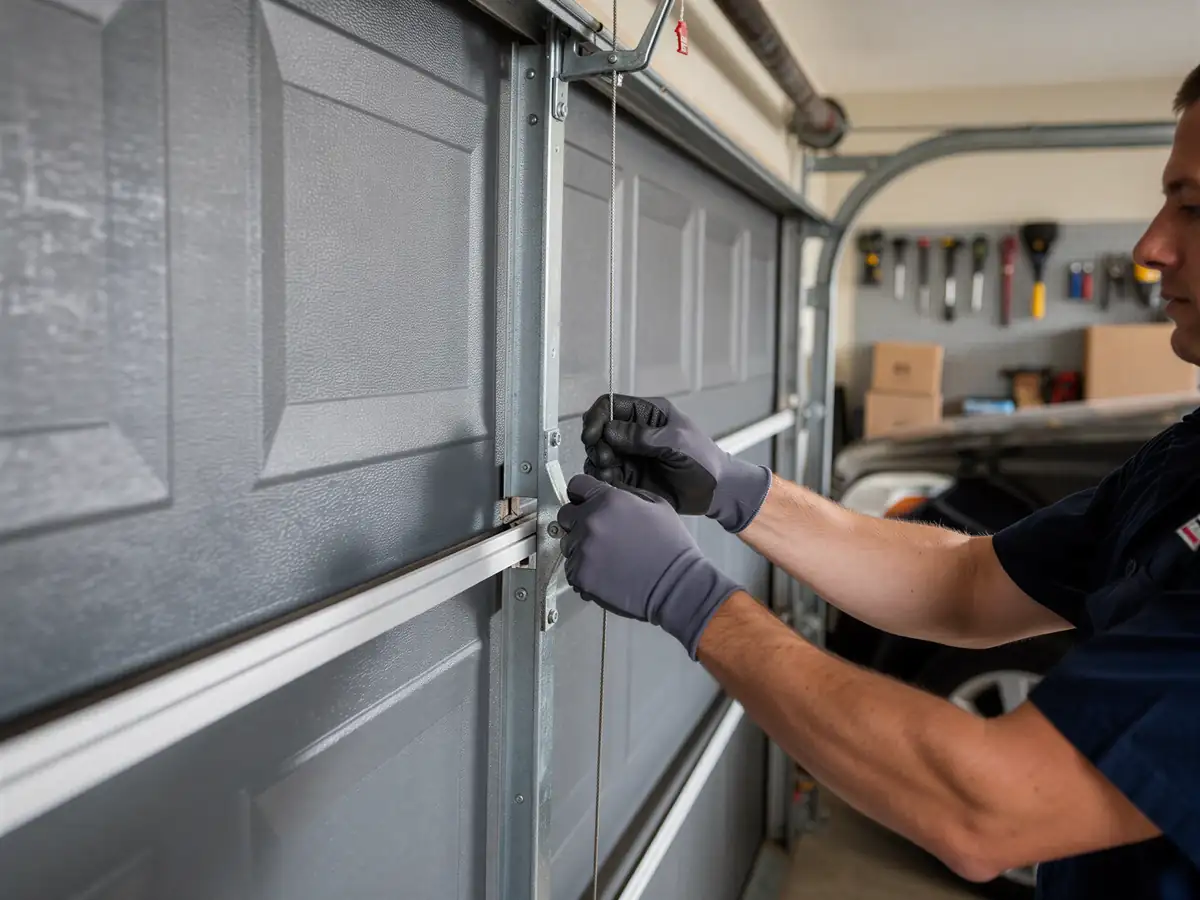
A real maintenance visit on a Maitland door starts with the spring, not the opener. We check torsion tension by hand and look for uneven coil wear, since a 1996-era spring is old enough that one side going slack before the other is common and it throws the whole door off balance. From there it's rollers and track - cleaning old grease out, relubricating with the right grease for steel-on-steel rather than the dry lube made for newer nylon rollers, and checking the track bolts for the kind of play that shows up after decades of thermal expansion in a humid climate. We test the opener's limit and force settings against the door's actual weight, not factory defaults, especially on doors that have had a belt-drive opener retrofitted since the original installation. Here's the honest limit: if a spring from this era is visibly pitted or has already started to flatten on one side, we tell you to replace it rather than keep adjusting it. Tensioning a spring that's near the end of its life is a short-term fix that risks a snap later, and we'd rather lose that call than have you lose a door.
The Symptom
The complaint we hear most from this stretch of houses isn't a door that won't open - it's one that closes slower than it used to, or drifts to one side a few inches off the floor before it straightens out. That's the signature of a 1996-era torsion spring losing tension unevenly, not a dead opener. A second common one is a grinding or clicking sound on the way up, which on hardware this age is almost always the original steel rollers running dry rather than a track that's actually bent. Fewer Maitland calls involve openers that won't respond at all, because the control boards from this window were built simply enough that they tend to keep working long after the mechanical parts around them have worn down. If your door is doing either of those two things, it's worth a maintenance visit before it becomes a broken-spring call - the fix is cheaper and the door is safer in the meantime.
How it works
From “it’s stuck” to “it’s fixed”
01
Tell us what’s wrong
Describe the symptom - won’t open, loud bang, opener runs but the door won’t move.
02
On-site diagnosis
A technician tests the door under power and by hand and finds what actually failed.
03
Clear, up-front plan
You get the fix that’s needed and what drives the cost - before any work starts.
04
Repaired & tested
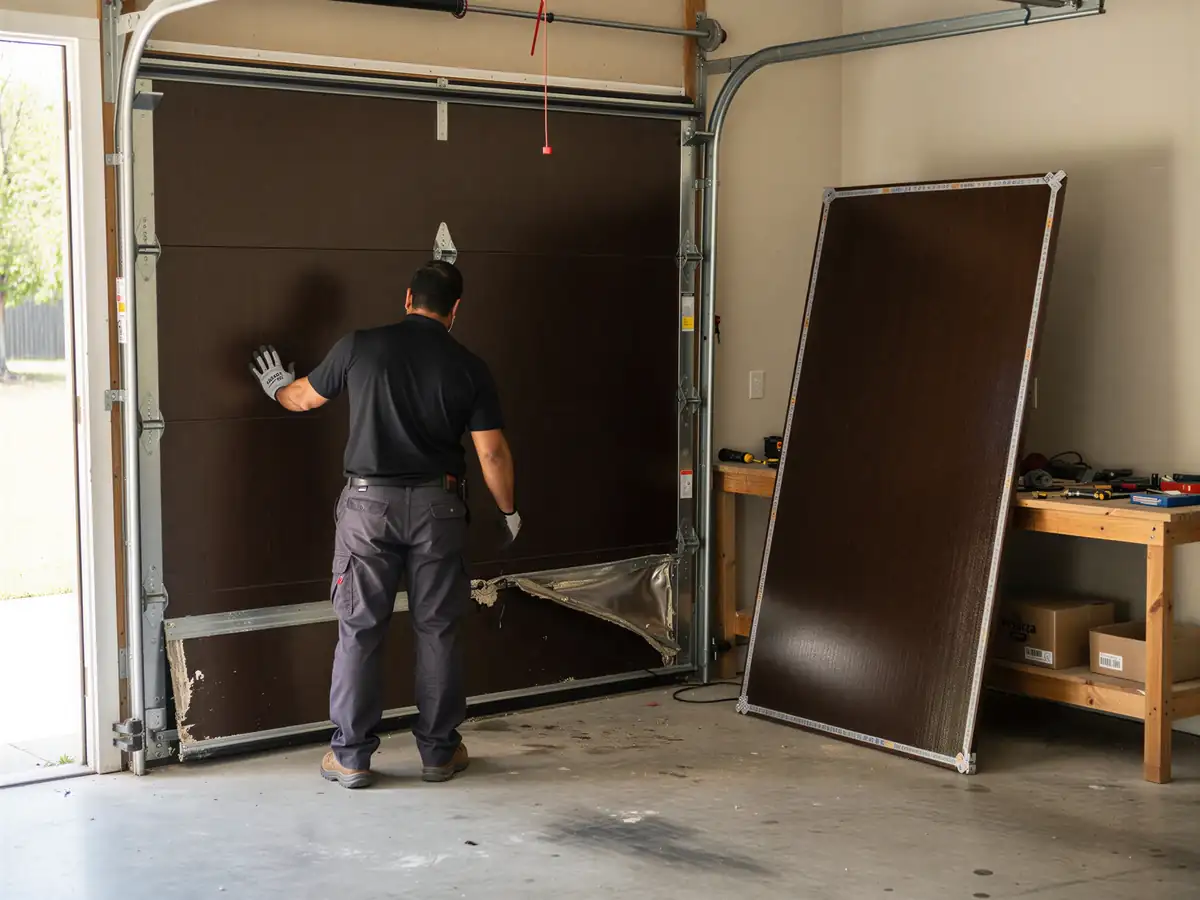
The repair is done, the door is set true and tested, and the work area left clean.
Not sure which repair your door needs in Casselberry, FL? Describe what it’s doing - every job starts with a diagnosis.
Straight answers about garage door repair in Casselberry. Still unsure? Ask us directly.
How often should a Maitland garage door get serviced given the age of the housing here?
Most doors in Maitland date to around 1996, which puts the springs and rollers well past the point where annual lubrication alone catches everything. We'd look at tension and roller wear at least once a year, and sooner if the door has started closing unevenly or making new noise.
Does the humidity here actually affect garage door parts?
Yes. The service area sits in a mild temperate band with no hard freezes, but humidity works grease out of hinges and rollers faster than a dry climate would, and it corrodes spring coils from the inside over time. A thirty-year-old spring in this climate has taken more quiet damage than it looks like it has.
Is it worth upgrading the opener instead of just maintaining the old one?
Depends what's already there. A lot of Maitland homes have had a belt-drive opener retrofitted onto the original 1996 door and track. If that retrofit was done right, a maintenance visit to recalibrate sensor and limit settings is usually cheaper than a full new opener.