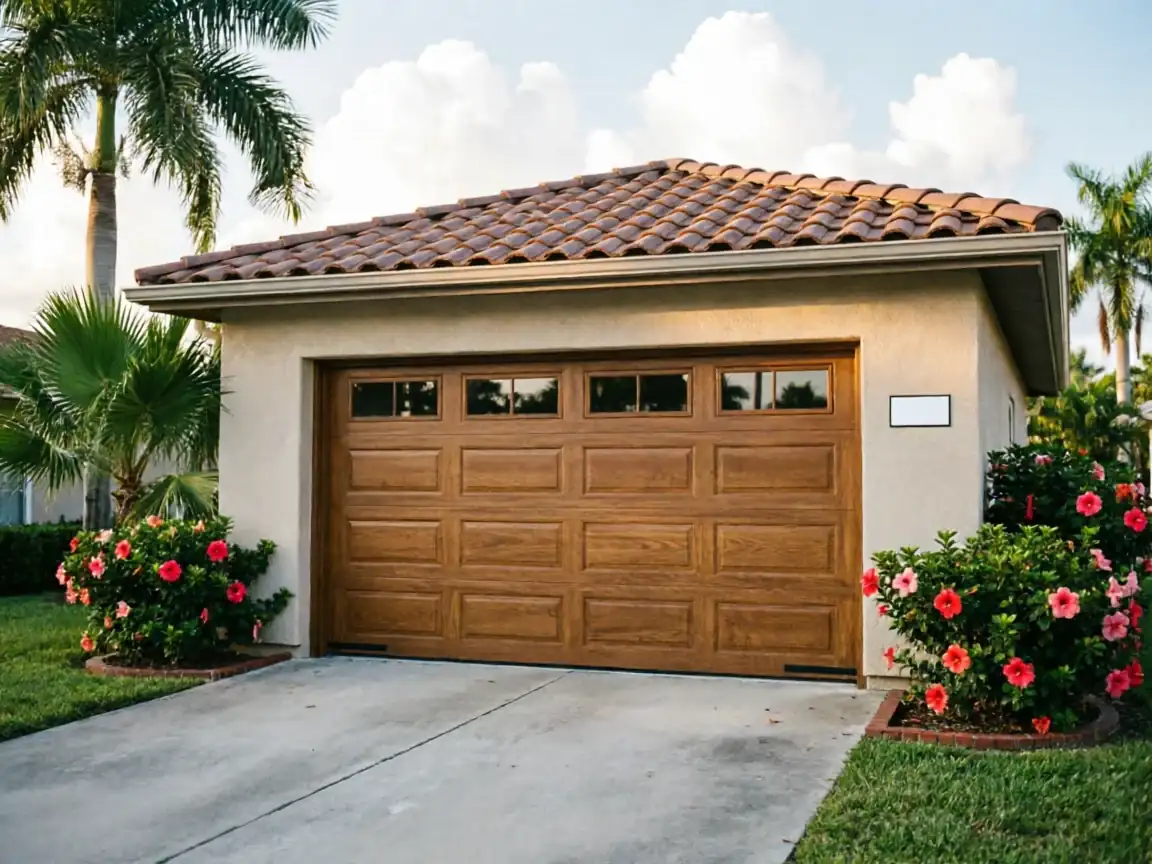
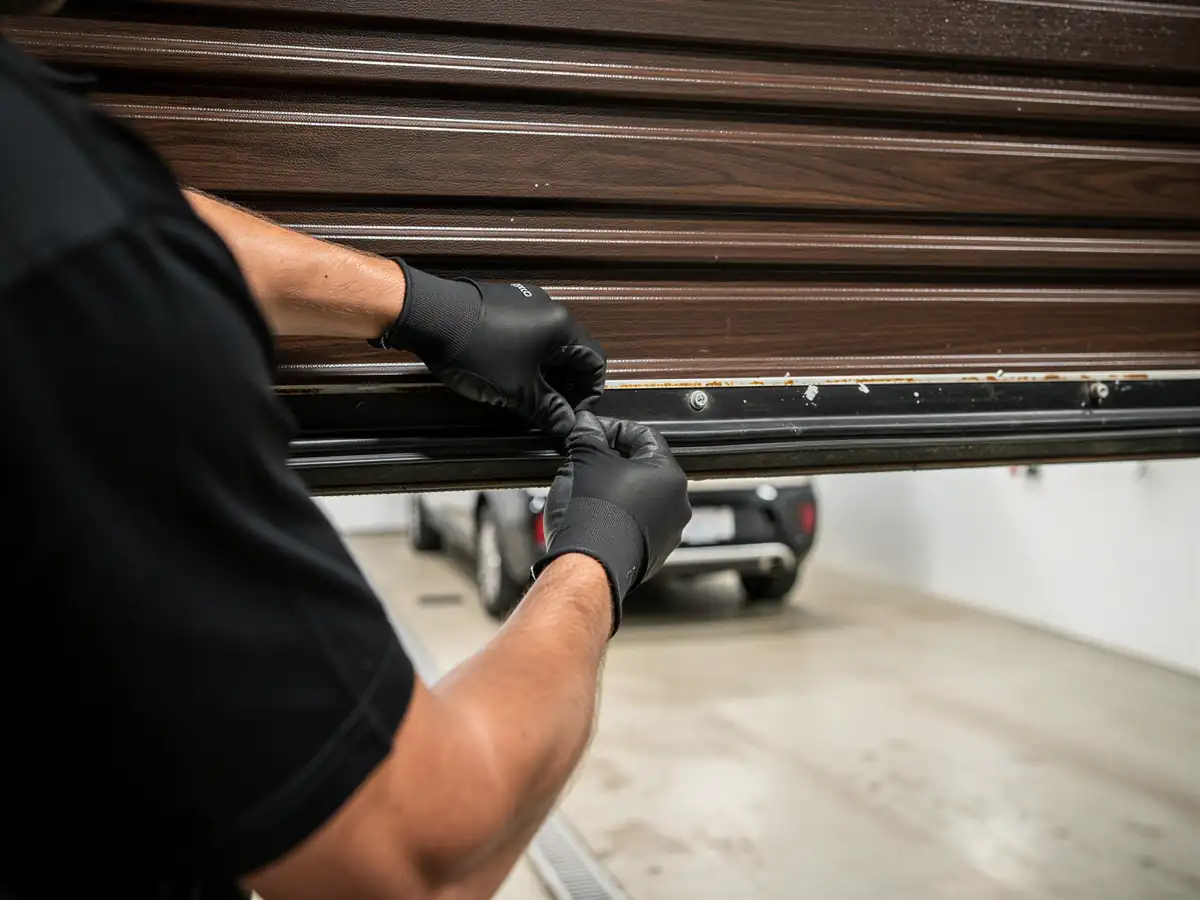
Casselberry's 1964-2004 housing stock and mild, humid climate put specific strain on track alignment. Here's what actually knocks a door off track in this area.
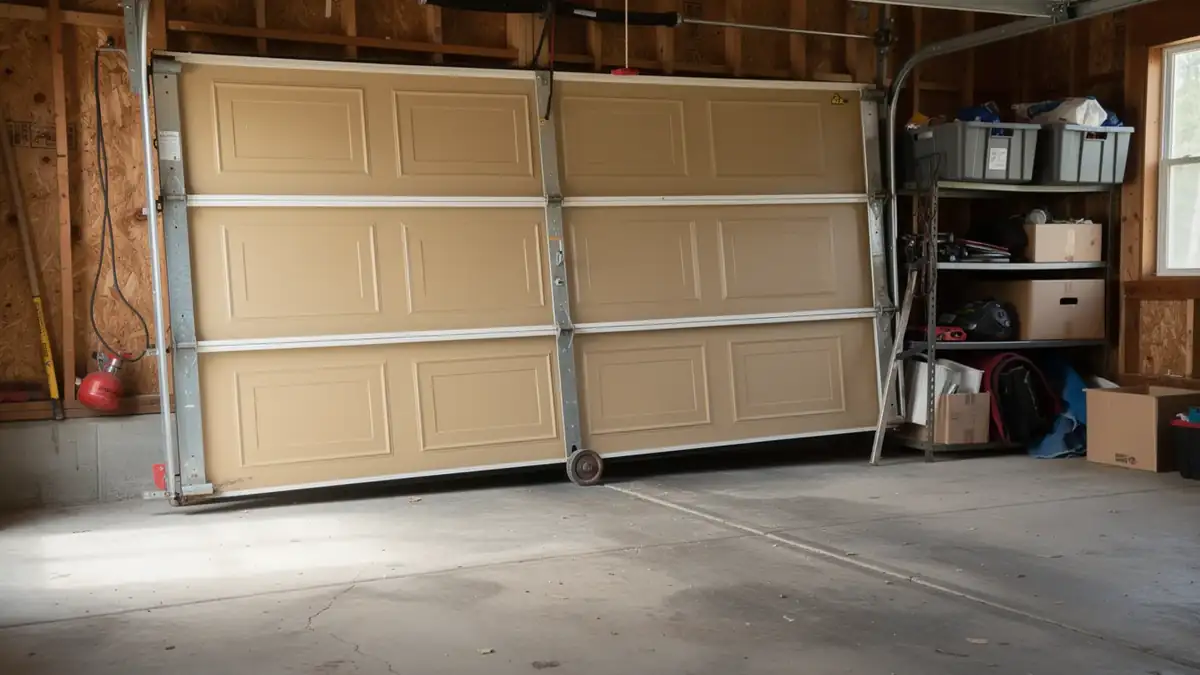
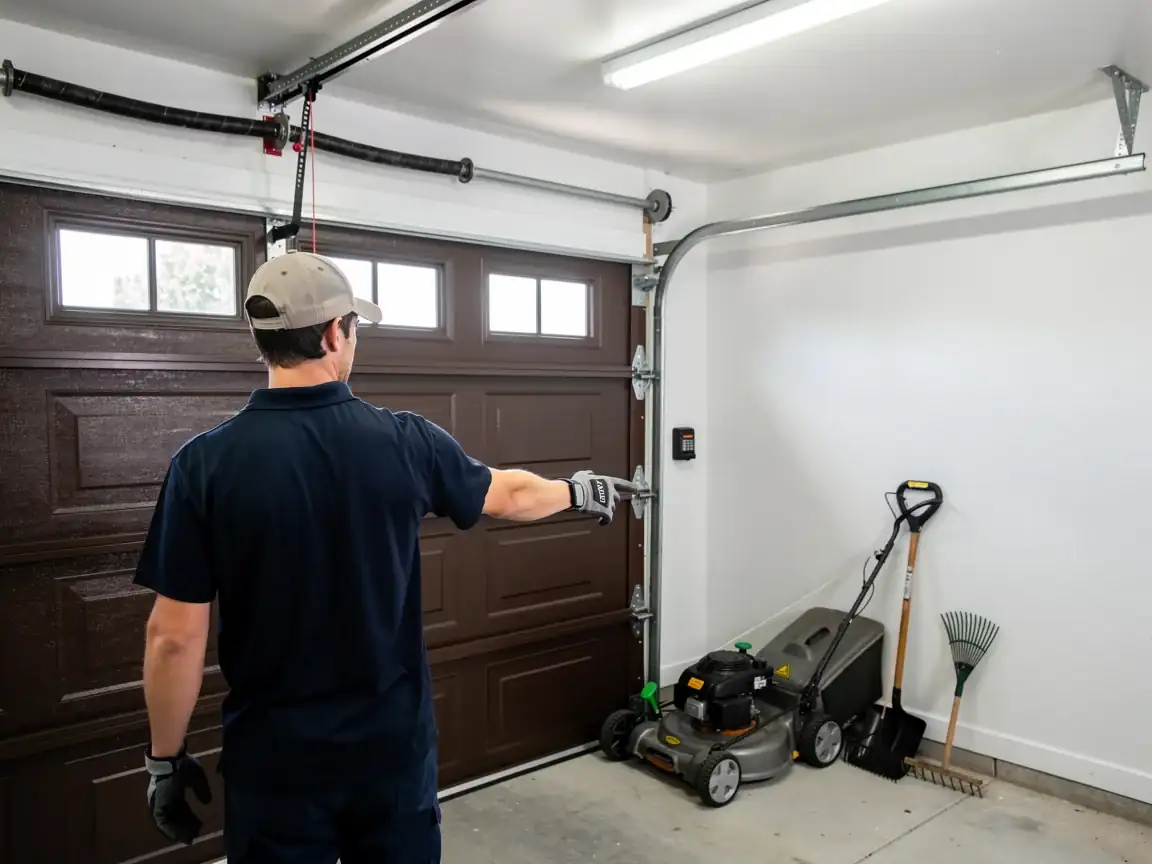
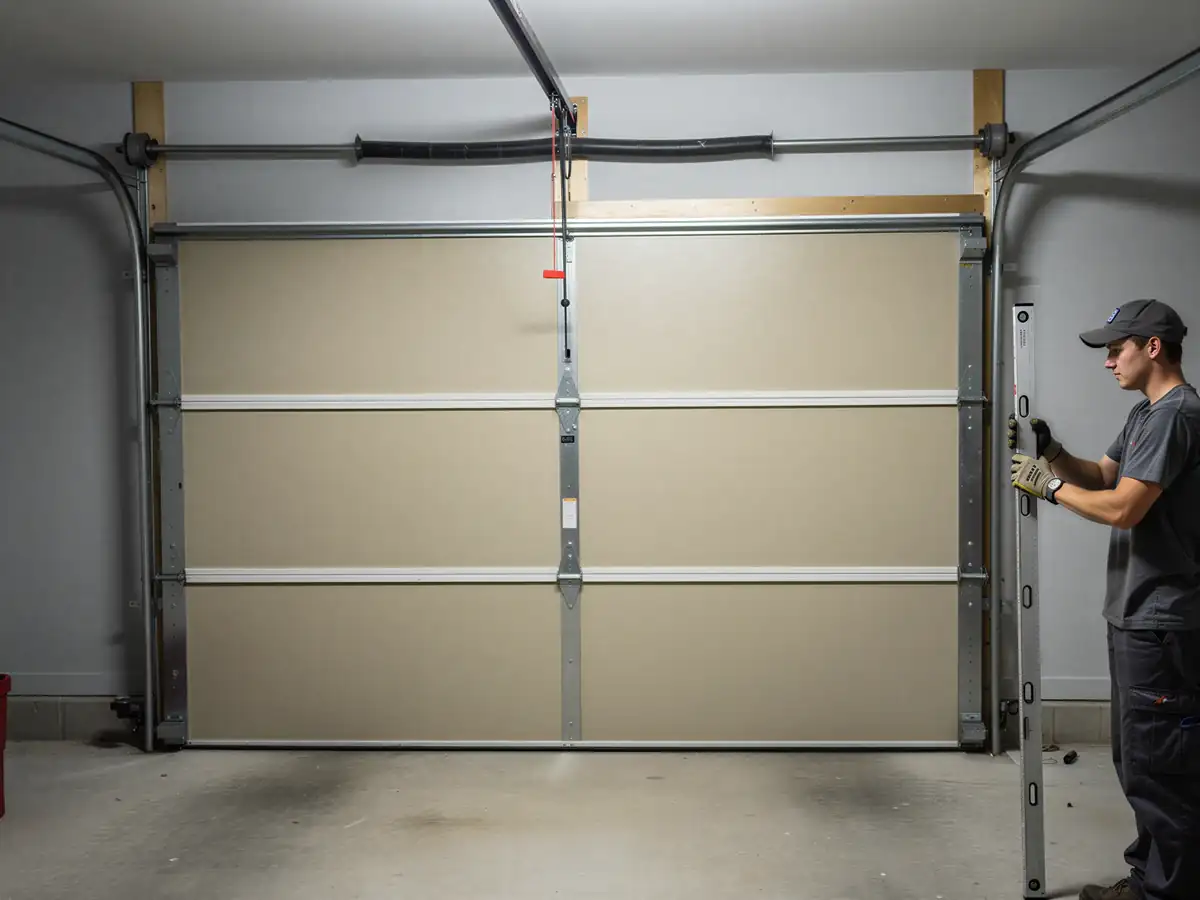
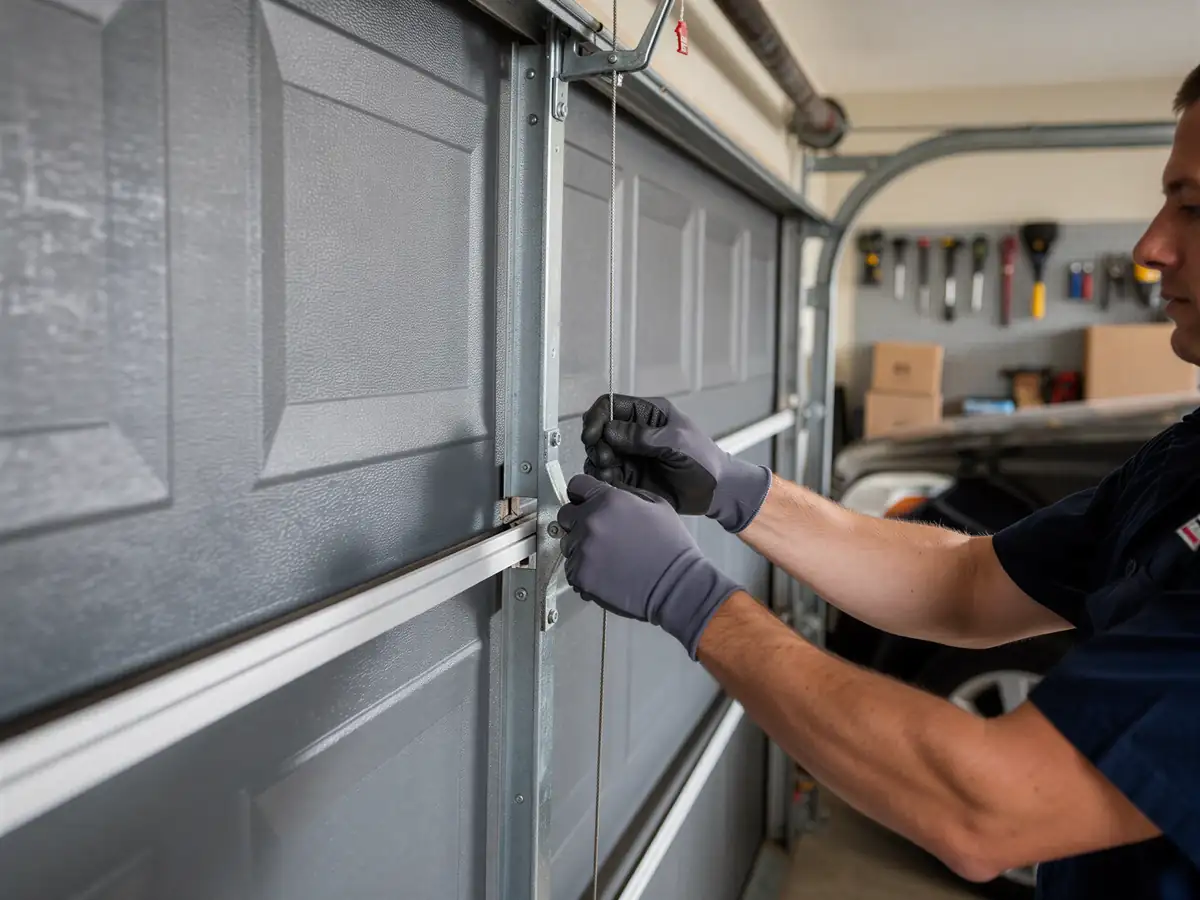
A door that's hopped its track will usually still look fine hanging there, which is why so many people try to muscle it back into the channel themselves. If the door moves freely when the opener is disconnected and the rollers are still inside the track, you can often true it back up by loosening the track bolts, squaring the rail, and retightening. That's a one-person job with a level and a ratchet.
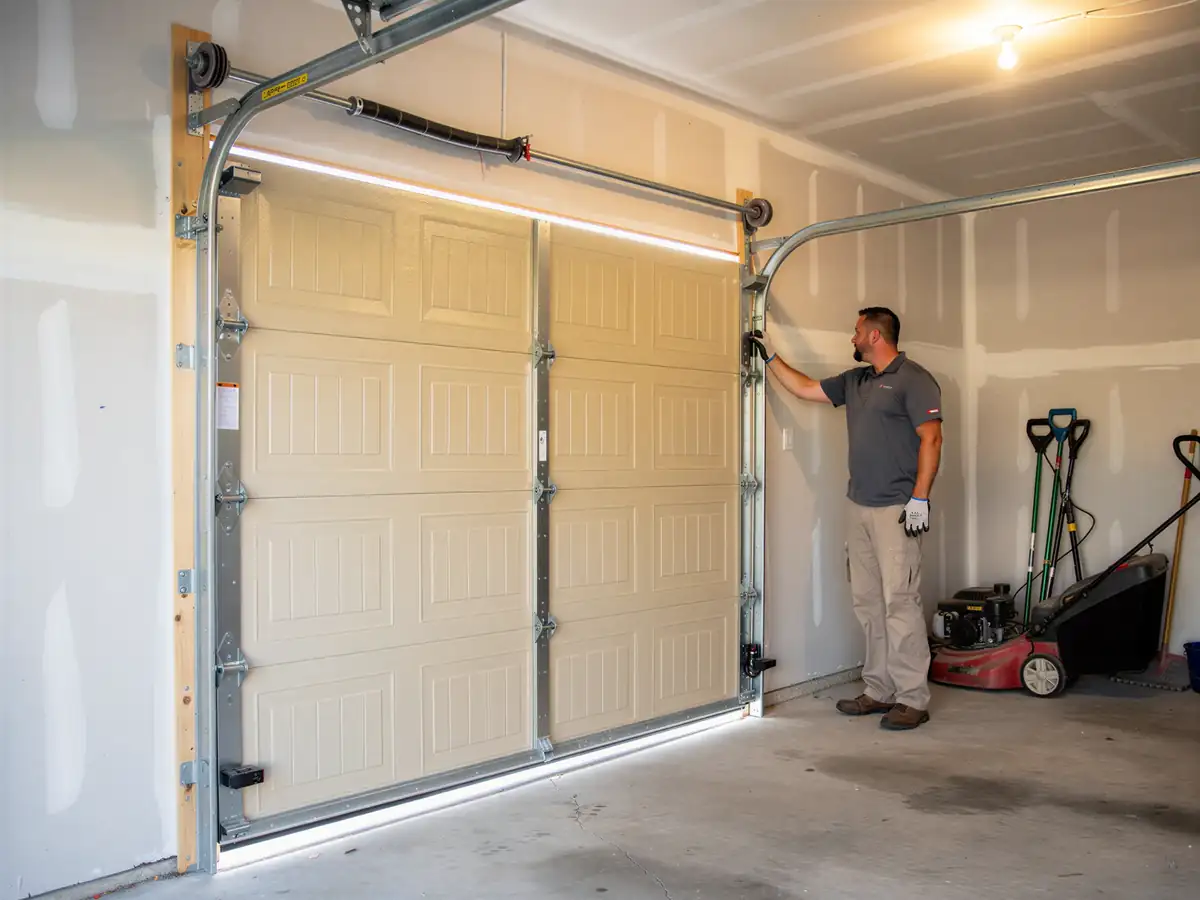
What you can't fix that way is a bent track, a roller that's chewed through its own stem, or a cable that's jumped the drum. If the door binds, screeches, or drops crooked when it opens, the lift cables are carrying weight they weren't meant to carry, and cranking on the track just bends it worse. Most of the houses around Casselberry built in the 1984 median era are still running original steel track and standard rollers rather than nylon, and once that track kinks it doesn't bend back - it gets replaced. That's the line: alignment by hand, kinked rail by a tech who can set a new section square to the jamb.
We don't push a spring repair into a full track-and-opener job just because we're on the clock. Sometimes it really is a fifteen-minute fix.
What the Weather Here Does to It
Casselberry sits in a mild temperate band - no hard freeze, no deep winter contraction cycle that cracks concrete or shifts a slab the way it would further north. That's the good news for the track itself: you're not fighting frost heave under the opening. But mild and humid isn't the same as gentle. Central Florida's humidity swings hard between a wet afternoon and a dry morning, and steel track brackets anchored into a wood jamb expand and contract with that moisture cycle more than most homeowners expect.
Over years, that movement works the lag screws loose at the top bracket, which lets the track flare outward a few degrees at the roller's travel point. You won't see it happen. You'll notice the door start to rattle at the same spot every time it opens, usually two or three feet up, right where the bracket has started to walk.
The other local factor is lighter: no snow load, no ice buildup on the rail, so the failures here are almost always hardware fatigue and bracket creep rather than the weather punishing the door outright. That changes what we check first on a service call in this area versus somewhere that actually freezes.
The Problem
01
Most of the garage doors we're called out to in this part of the service area belong to houses built between 1964 and 2004
With the bulk of that stock dating to the 1980s and 90s. That window matters because track hardware changed over those decades - older installs often used lighter-gauge track and roller brackets than what's standard now, and after thirty-plus years those brackets are the first thing to fatigue.
02
A roller riding in a track that's flared even an eighth of an inch will track fine for months and then start binding without warning
Usually when a spring is also near the end of its cycle count and adding uneven pull to one side of the door. That combination - aging track hardware plus a spring losing tension unevenly - is the single most common off-track call we run from Fern Park down through Longwood and Maitland.
03
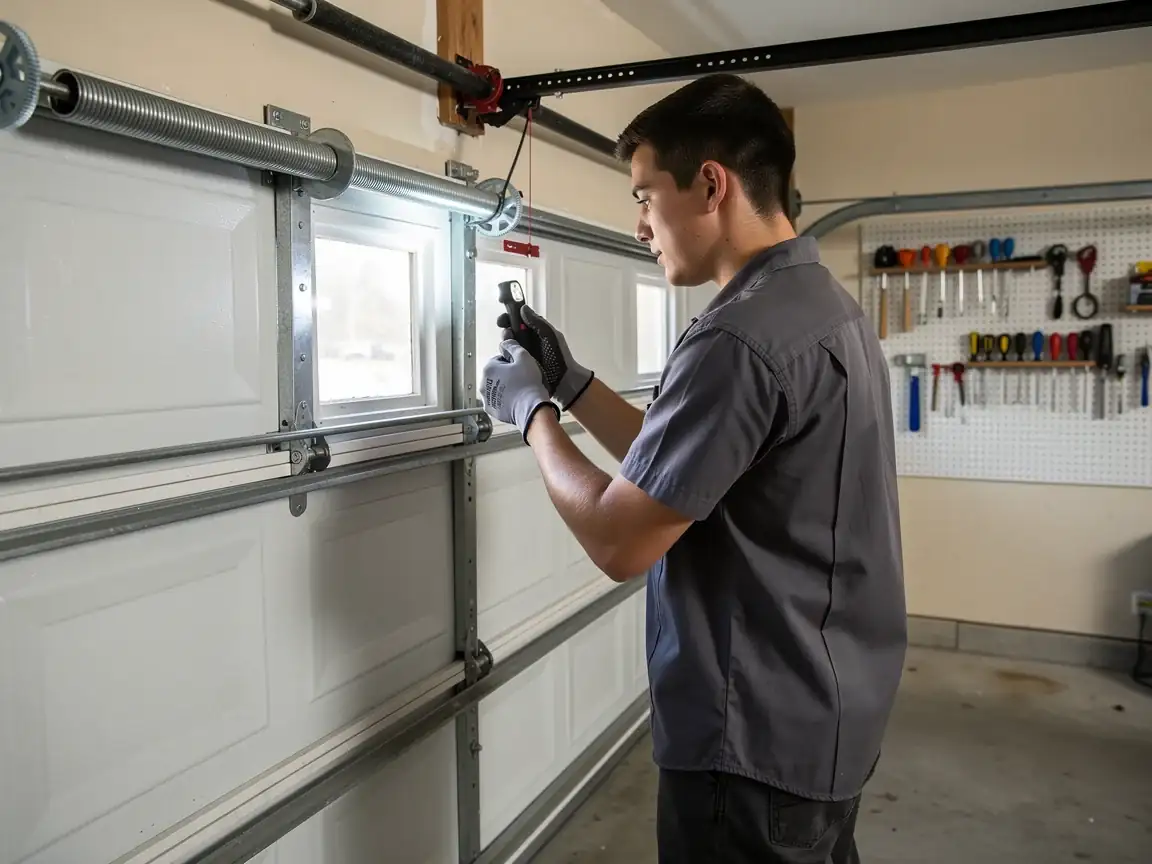
We can true up a track and swap brackets on most of these doors in one visit
What we won't do is re-use a track that's already bent past straight-edge tolerance - at that point patching it just moves the failure point a few inches down the rail.
The Seasonal Bit
There isn't a hard seasonal swing here the way there is in a climate with real winter, but Central Florida's wet season does its own quiet damage. Afternoon storms push humidity up fast, and a garage that sits closed all day traps that moisture against the track and hardware longer than an open carport would. Owner-occupied houses across this area - and there are over 76,000 of them - mostly have attached garages built into the original 1980s-era footprint, so the track runs close to an unvented wall for its full length.
That means surface rust on bracket bolts shows up here years before it would on a door that gets more airflow, and a rusted lag screw loses its grip on the jamb well before it looks bad enough to worry about. We see this most on the original track sections that have never been swapped since the house was built.
If your door's been quiet for years and suddenly starts rattling at the same bracket point every open-and-close, that's usually the tell. It's worth a look before the bracket actually lets go, since a track that drops a bracket mid-cycle is a different, much more expensive call.
How it works
From “it’s stuck” to “it’s fixed”
01
Tell us what’s wrong
Describe the symptom - won’t open, loud bang, opener runs but the door won’t move.
02
On-site diagnosis
A technician tests the door under power and by hand and finds what actually failed.
03
Clear, up-front plan
You get the fix that’s needed and what drives the cost - before any work starts.
04
Repaired & tested
The repair is done, the door is set true and tested, and the work area left clean.
Not sure which repair your door needs in Casselberry, FL? Describe what it’s doing - every job starts with a diagnosis.
Straight answers about garage door repair in Casselberry. Still unsure? Ask us directly.
Why does my door only go off track on one side?
Usually because the spring on that side has lost tension unevenly, pulling the door crooked as it lifts. The uneven pull walks the roller against the track wall until it jumps the rail. It's rarely the track's fault first - check the springs.
Can I just bend the track back myself?
If it's a mild flare from a loose bracket, loosening and resquaring the bolts can work. If the rail itself is visibly bent or kinked, bending it back weakens the steel at that point and it'll fail again, usually worse and sooner.
Is this a problem with my house specifically, or just older doors generally?
Houses in this area built in the 1980s and 90s mostly still run original steel track and standard roller brackets, which is lighter-gauge hardware than what's typical now. After three decades that hardware is simply due, regardless of how well the door's been used.
Does Florida humidity really affect garage door tracks?
Yes - repeated humidity swings loosen the lag screws holding the top bracket to the jamb over years, letting the track flare slightly. It's slower and less dramatic than freeze-thaw damage, but on an unvented attached garage it adds up.