When Your Casselberry Garage Door Needs More Than a Can of WD-40
Casselberry homes from the 1964-2004 building wave are hitting the age where springs, openers, and tracks start failing. Here's what that actually looks like here.
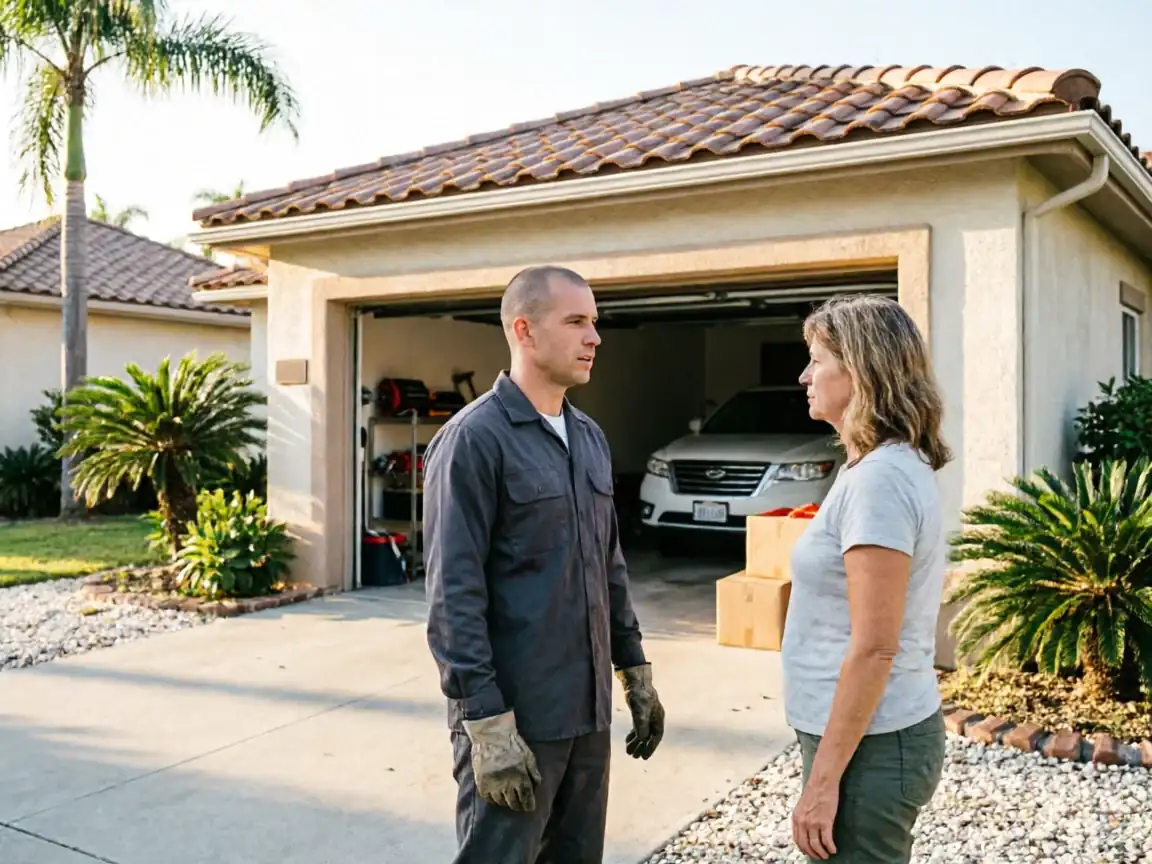
Most houses across Casselberry and the nearby communities we work in - Fern Park, Longwood, Goldenrod, out to Lake Mary and Heathrow - went up between 1964 and 2004, with the median build year landing right around 1984. That matters because a door is a mechanical system with a shelf life, and a huge share of what's out there is original 1980s or 90s hardware: torsion springs, steel tracks, and openers that were never swapped because nothing dramatic ever broke.
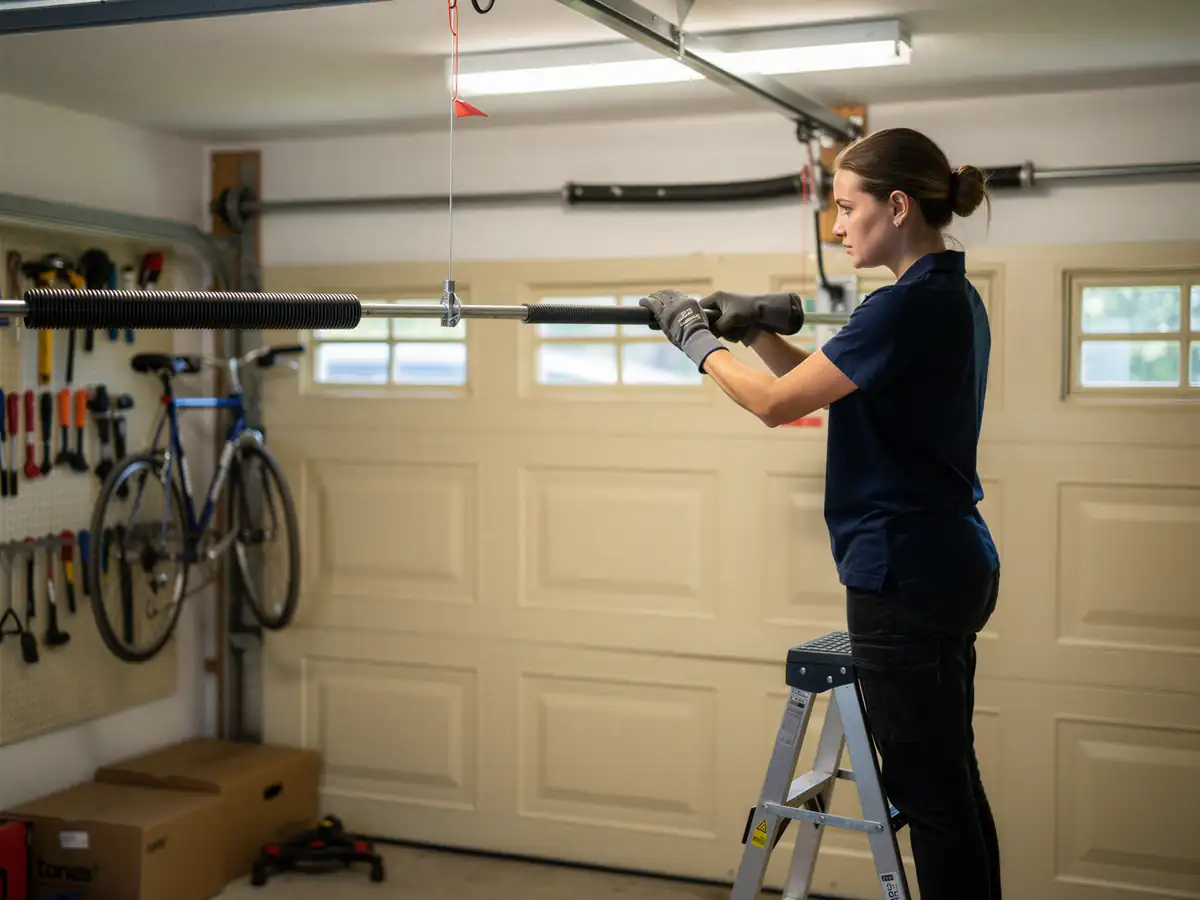
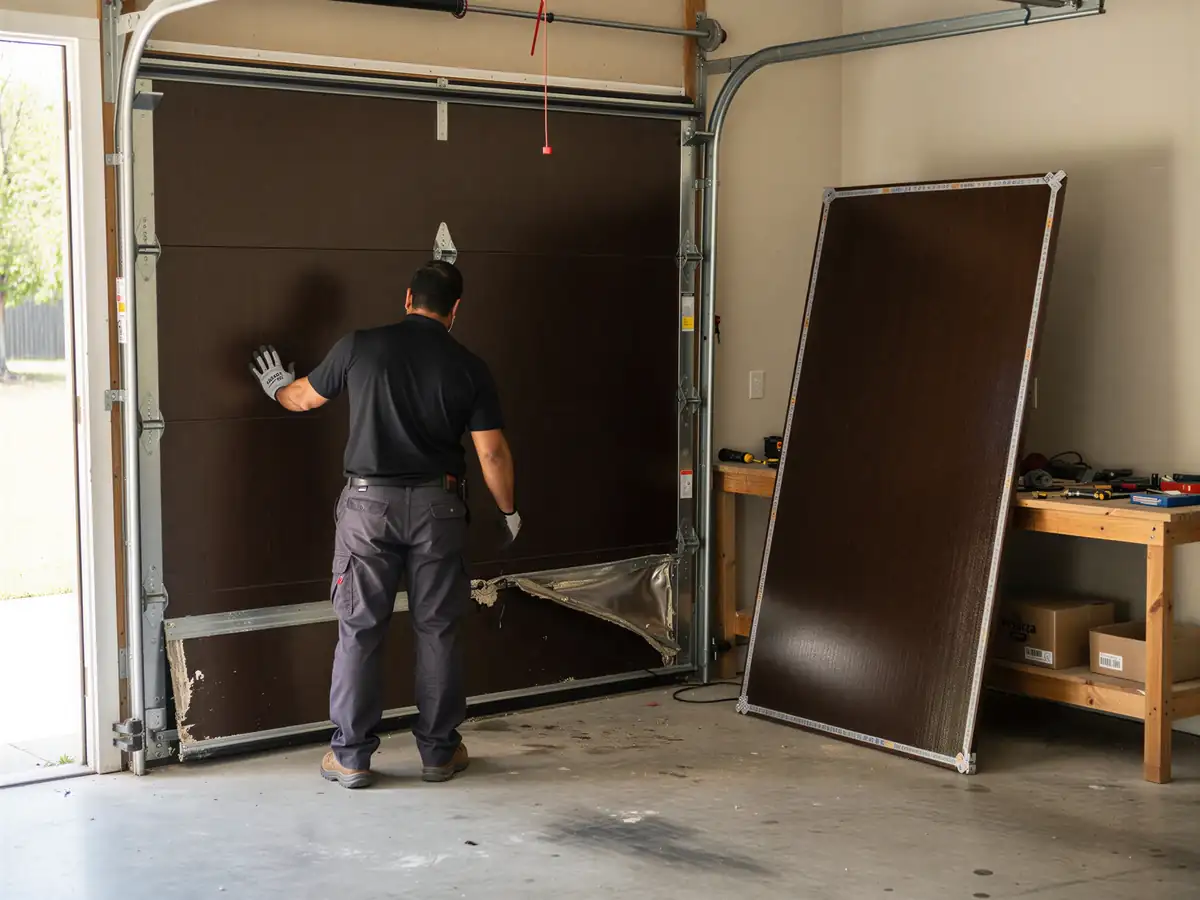
Tightening a bolt or spraying the hinges is fine maintenance. What isn't DIY is a spring that's lost tension gradually over three decades, a track that's bent from an opener straining against worn cables, or a panel that's delaminating at the seams. With roughly 76,765 owner-occupied houses across this service area, a lot of them are carrying the same original gear, and at a median household income of $82,768, most owners here are in a position to replace rather than patch once a system is actually failing - the honest call is knowing which one you're looking at.
If your door still opens smooth and quiet, leave it alone. If it's groaning, hesitating, or dropping unevenly, that's past the point where a homeowner should be under it.
What the Weather Here Does to It
Casselberry sits in a mild temperate band, not a freeze-thaw zone. That sounds like good news for a garage door, and in one way it is - you're not dealing with ice splitting a torsion spring or metal contracting hard enough to snap a cable overnight the way colder climates do.
But mild and humid does its own slow damage. Without a freeze to force seasonal repairs, doors here just keep running on degraded grease and corroding hardware for years past when they'd have been flagged elsewhere. Steel track and hinge hardware installed in the 1980s and 90s has had three or four decades of warm, damp air working on the galvanizing and on whatever lubricant was last applied, however long ago that was. Rollers dry out and start grinding instead of rolling. Springs lose a little coating integrity every humid stretch and corrode from the inside of the coil, not just the surface.
The honest limitation here: we can't tell you a door is fine just because it's never failed. A mild climate doesn't break things suddenly, it lets them wear quietly, which is worse in a way - nothing forces the issue until a cable finally lets go.
The Problem
01
Every door makes noises that mean something
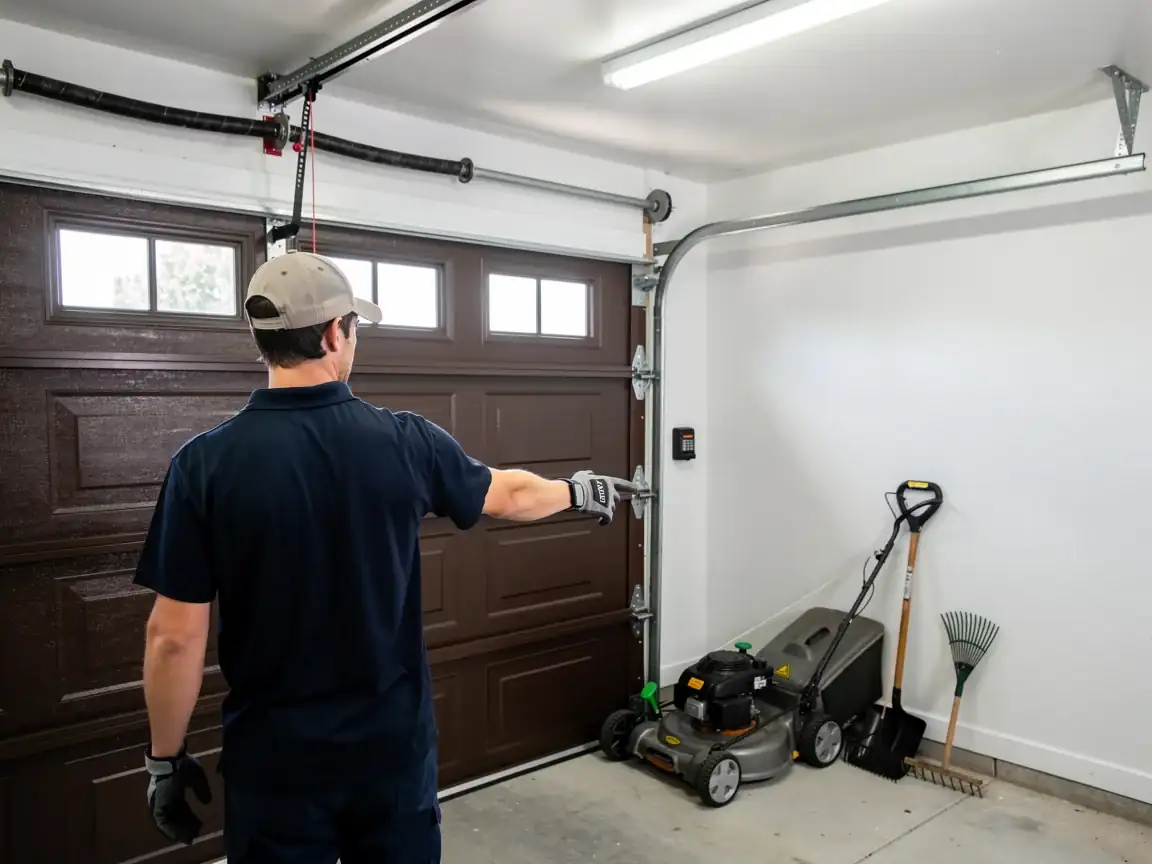
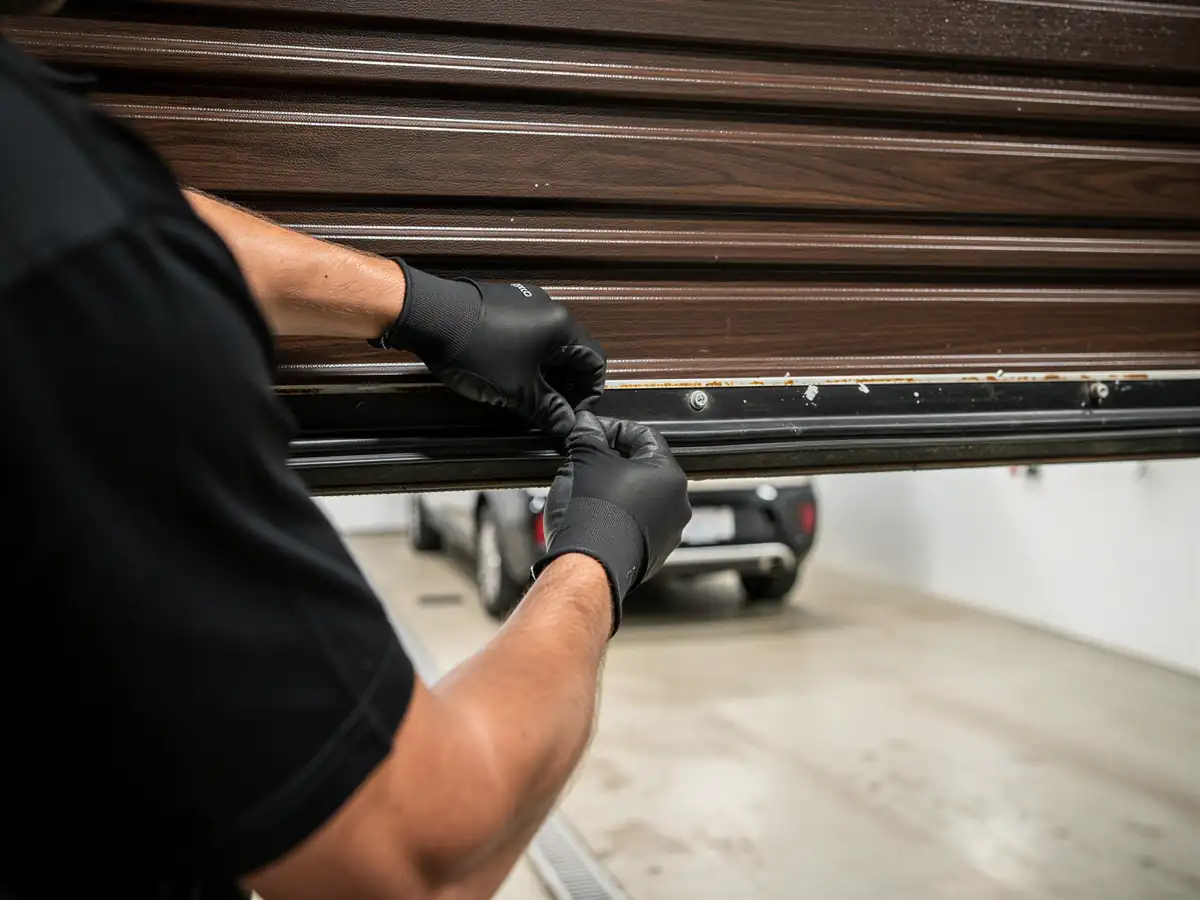
And in a house built in the 80s or 90s, most of those noises are the hardware finally announcing its age. A low grinding on the way up is usually a roller that's been dry for years. A sharp bang partway through the cycle is often a spring losing the last of its tension unevenly. A door that shudders at the top of the track is frequently an opener motor compensating for resistance it shouldn't have to fight.
02
The problem isn't that these doors were built badly
Original hardware from this build era was standard stuff for its time. The problem is that nobody replaces a spring or a set of rollers on a schedule - they wait for a sound, and by the time the sound is loud enough to notice, the part has usually been failing for months.
03
We can't diagnose a specific door over the phone with any honesty
What we can say is that a door built when this neighborhood was built, running on parts that have never been swapped, is a door that's due for an inspection whether or not it's making noise yet.
The Seasonal Bit
Casselberry doesn't really get a hard season for garage doors the way colder regions do - no deep freeze locking a track, no snow load on a header. What you get instead is a steadier version of the same stress, year-round, with a slight uptick through the hottest, most humid stretch of the year when steel expands a bit and lubricant thins out fastest.
That's the seasonal bit worth knowing: there isn't a month where everything suddenly goes wrong, so there's rarely a forcing function to get a door checked. In colder climates, winter does that job for homeowners whether they like it or not. Here, a door can run rough for a long stretch before anyone acts on it, simply because nothing ever got bad enough, all at once, to demand a call.
If there's a window to pay closer attention, it's mid-summer, when the combination of heat and humidity is hardest on aging springs and track hardware. It's not a dramatic failure point, just the time of year when a marginal part is most likely to finally give out.
How it works
From “it’s stuck” to “it’s fixed”
01
Tell us what’s wrong
Describe the symptom - won’t open, loud bang, opener runs but the door won’t move.
02
On-site diagnosis
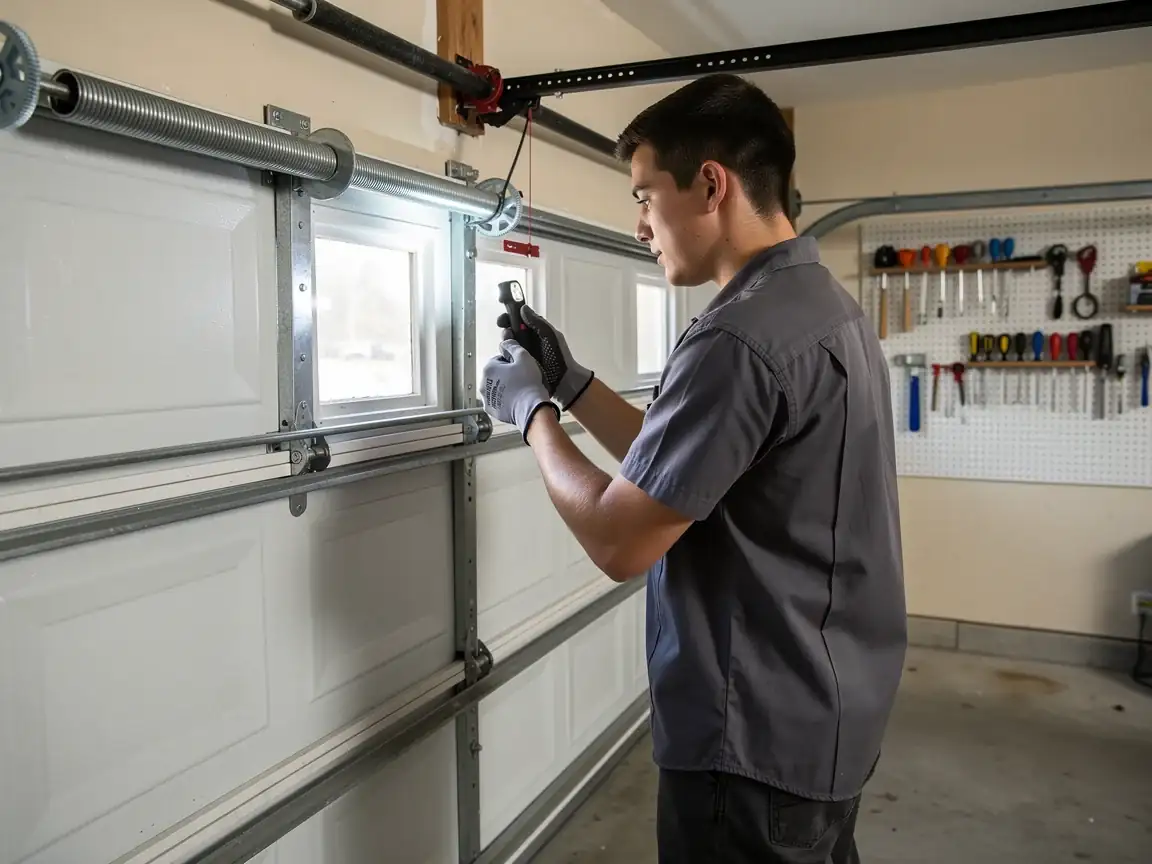
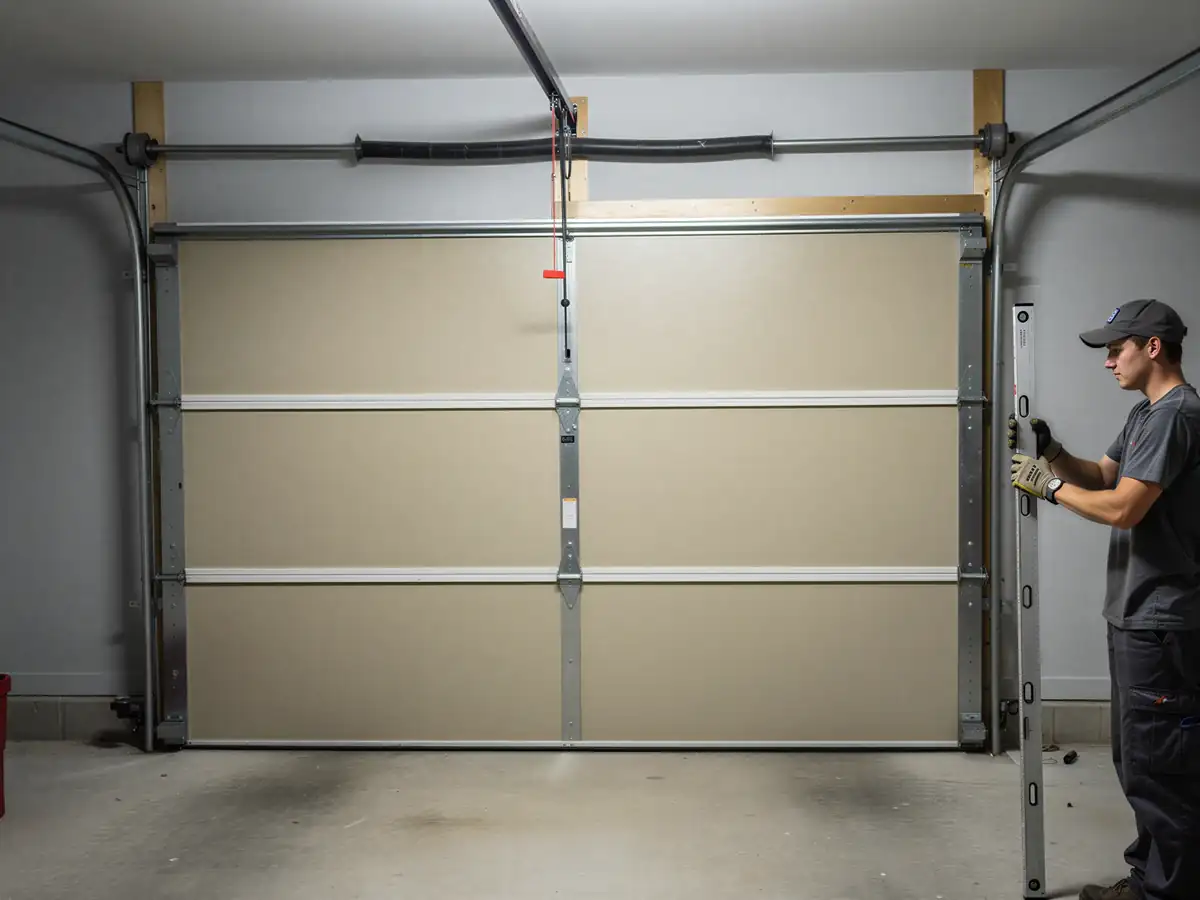
A technician tests the door under power and by hand and finds what actually failed.
03
Clear, up-front plan
You get the fix that’s needed and what drives the cost - before any work starts.
04
Repaired & tested
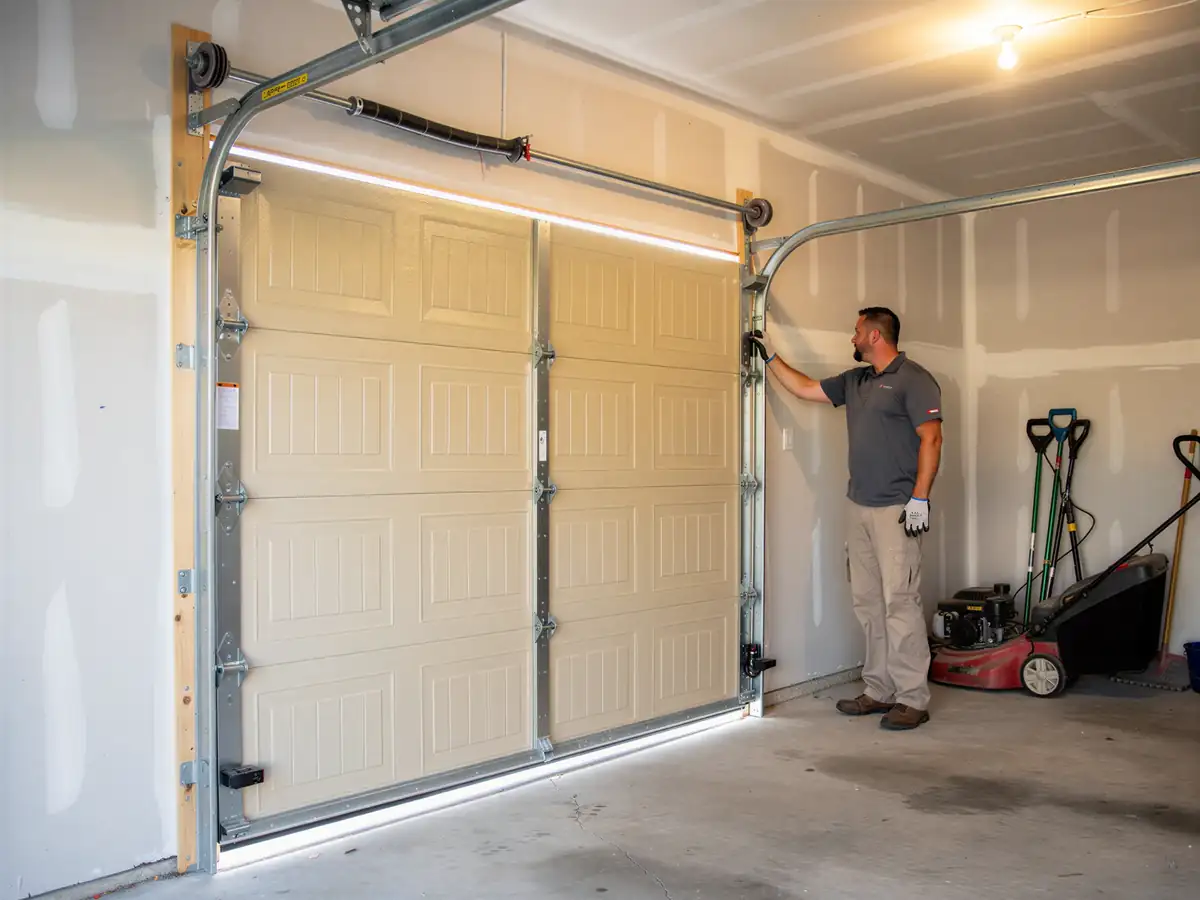
The repair is done, the door is set true and tested, and the work area left clean.
Not sure which repair your door needs in Casselberry, FL? Describe what it’s doing - every job starts with a diagnosis.
Straight answers about garage door repair in Casselberry. Still unsure? Ask us directly.
My house was built in the 1980s and the opener has never been replaced - is that normal?
It's common, not ideal. Most of Casselberry's housing dates to 1964-2004 with a lot of it from the 80s and 90s, and original openers from that era are well past a reasonable service life. Normal doesn't mean it's still safe to rely on - age alone is a reason to have it looked at, especially if you've never had the springs serviced either.
Does Casselberry's climate shorten the life of garage door springs?
It's a mild temperate climate, so it's not freeze-thaw cracking metal. The issue is steady humidity over decades corroding spring coils and drying out lubricant on rollers and tracks. It's a slower kind of wear than a cold climate causes, but it adds up the same way over thirty or forty years.
How do I know if a noise is serious or just needs lubrication?
A dry squeak from a roller is usually a quick fix. A grinding sound, a bang mid-cycle, or shuddering near the top of the track points to a spring or hardware problem, not a lubrication problem. We can't give a reliable answer without seeing the door, but those are the noises that mean something beyond routine upkeep.