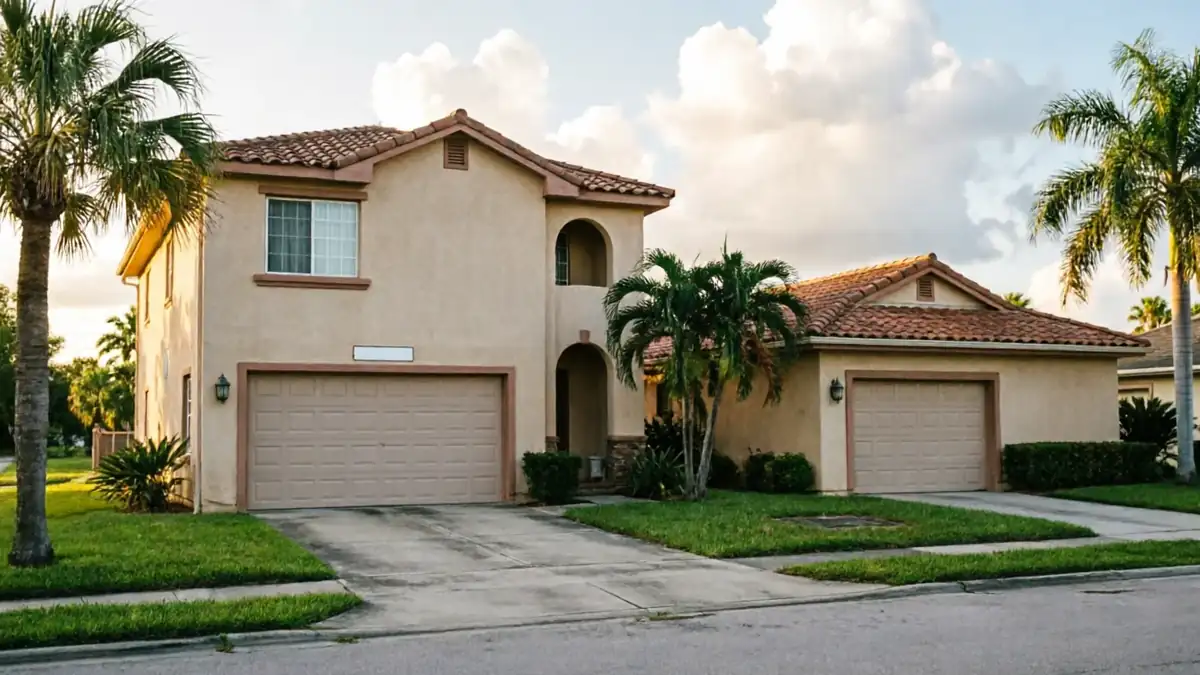
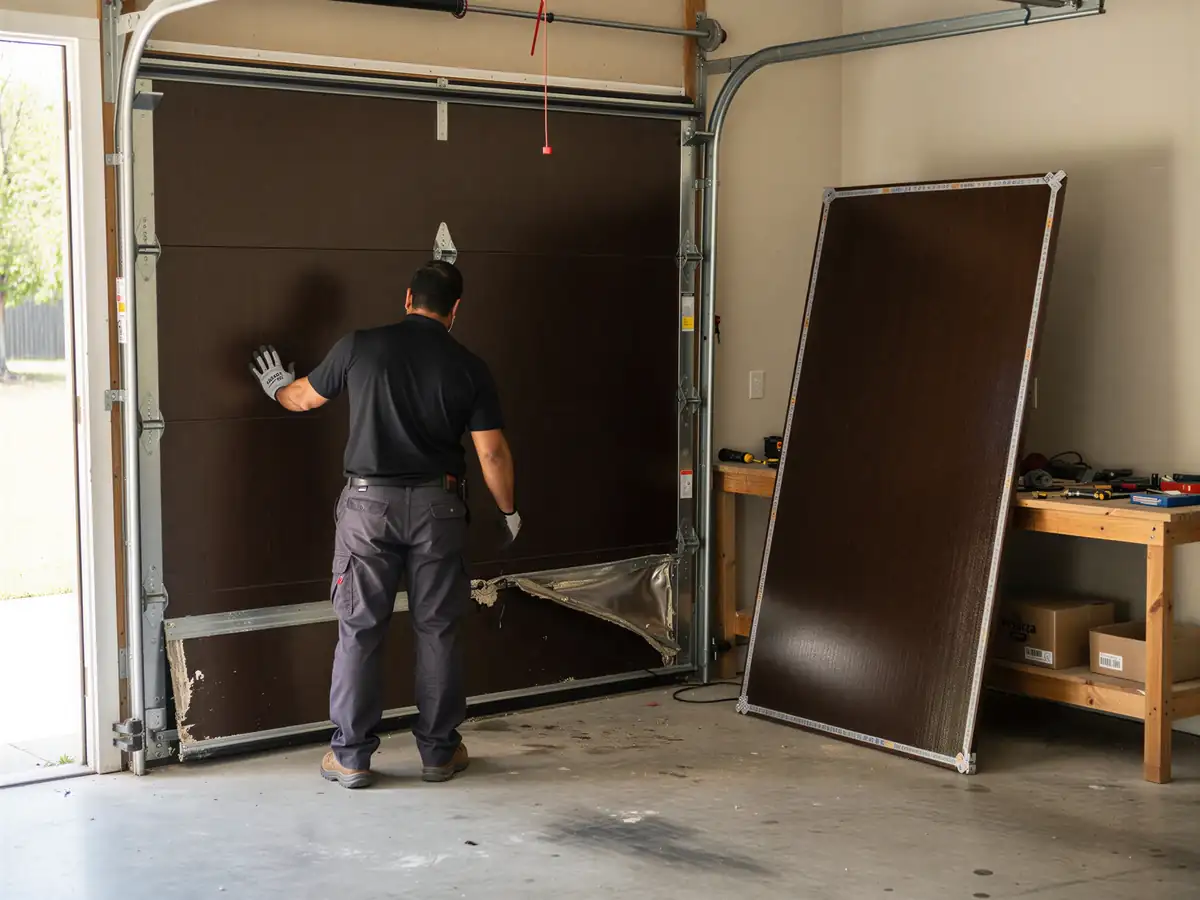
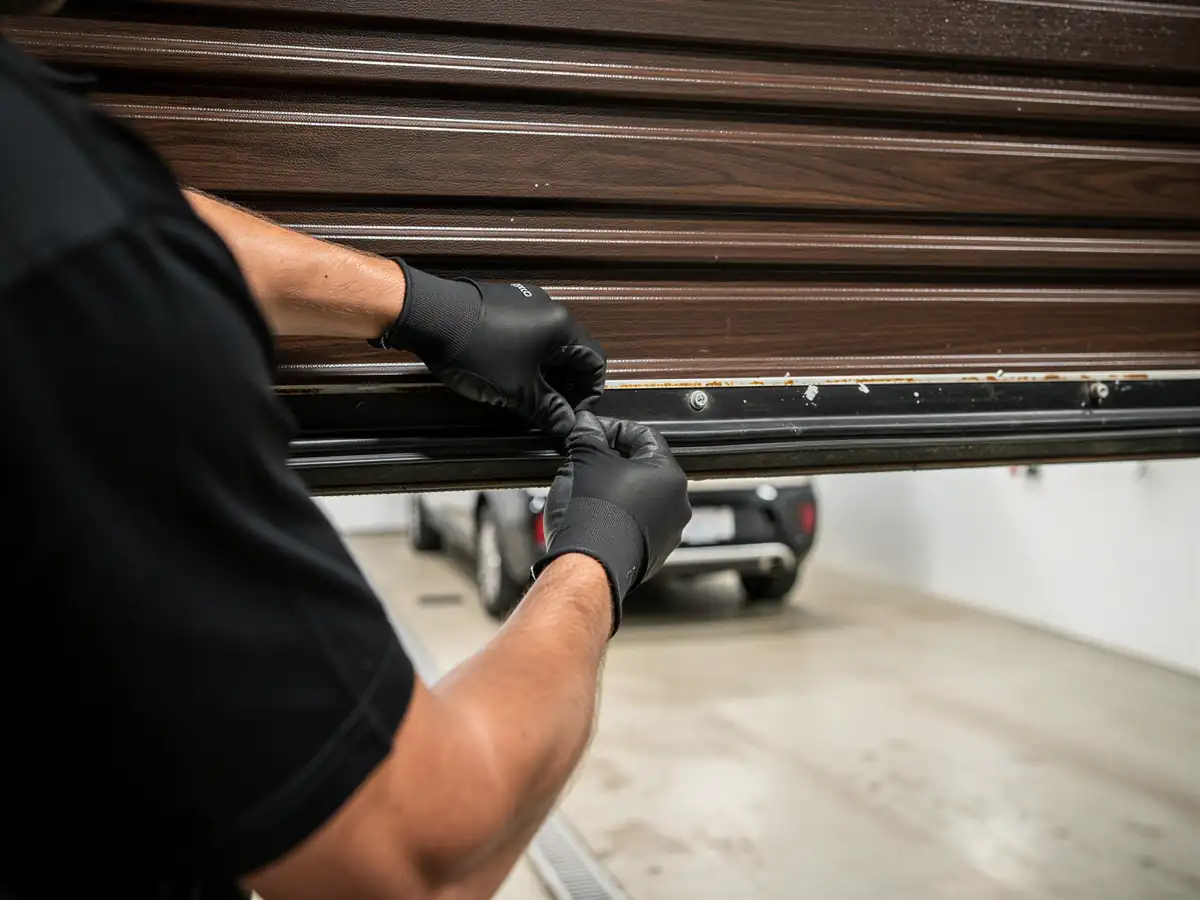
Broken or frayed garage door cables on Casselberry homes built 1964-2004. Same system, same hardware age, across the service area. Here's what the fix involves.
We don't have a flat number to put here, because a cable job isn't one job. A single frayed lift cable on a lightly used door is a different repair than a snapped cable that let the door drop and knocked the bottom roller out of its track. What drives the number is usually how long the cable sat worn before it let go - whether it just needs replacing, or whether the drum, roller, or track took damage on the way down.
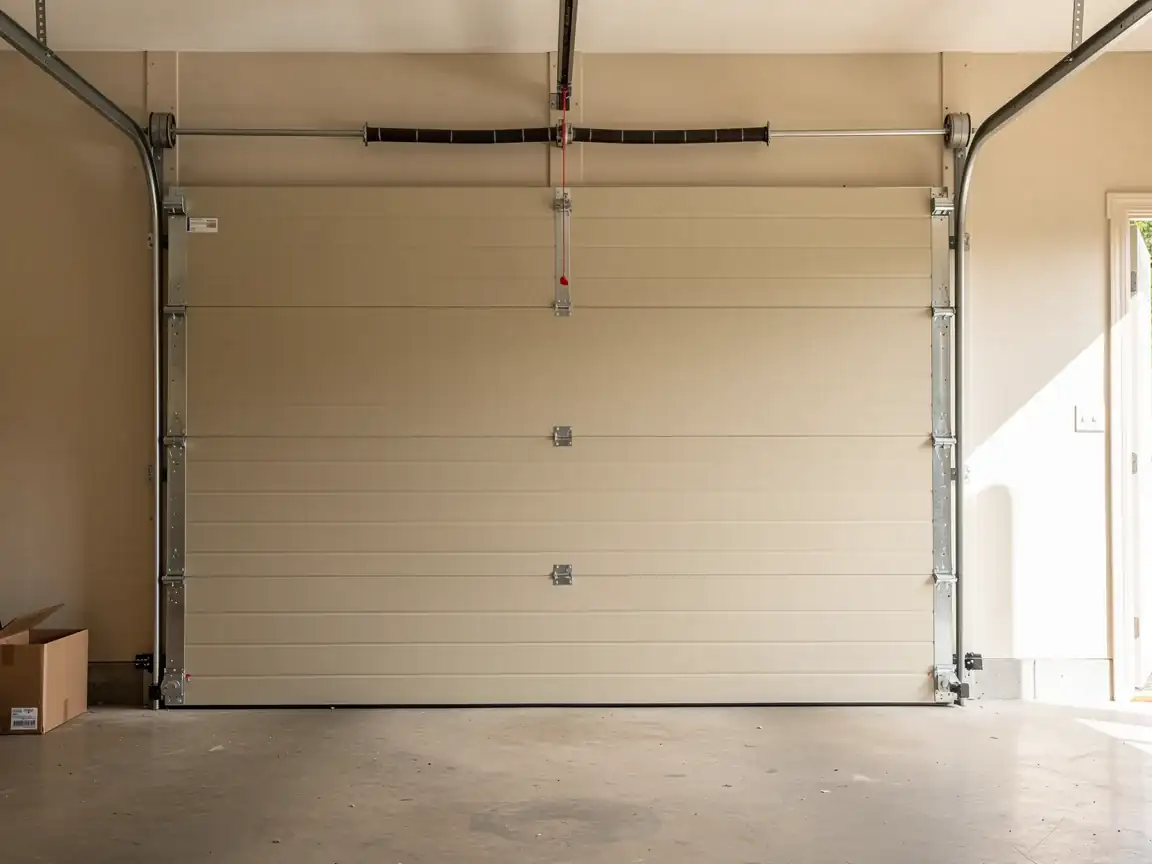
What we can tell you without guessing: most of the houses we work on in this service area were built between 1964 and 2004, with the bulk going up through the 1980s and 90s. That means a lot of original or first-replacement hardware is now 20 to 50 years old. Cable gauge and drum style changed over those decades, so the part on your door may not match what's on a house built ten years earlier or later even a few streets over. We bring stock for the common setups from that build window, but if your door has an odd or older drum, that part may need to be sourced, which adds a day, not a same-visit fix.
Call and describe what the door is doing - we can usually tell you over the phone whether you're looking at a cable swap or something bigger.
The Symptom
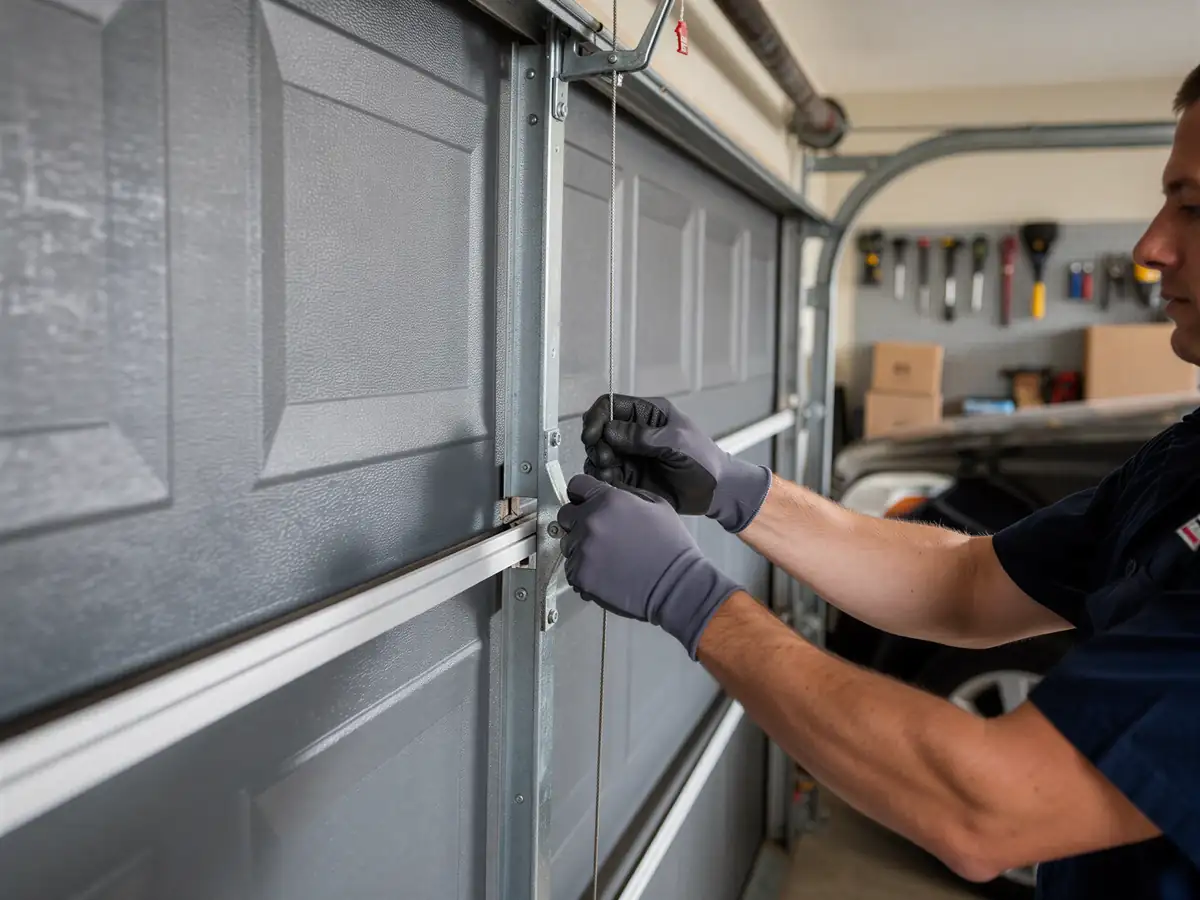
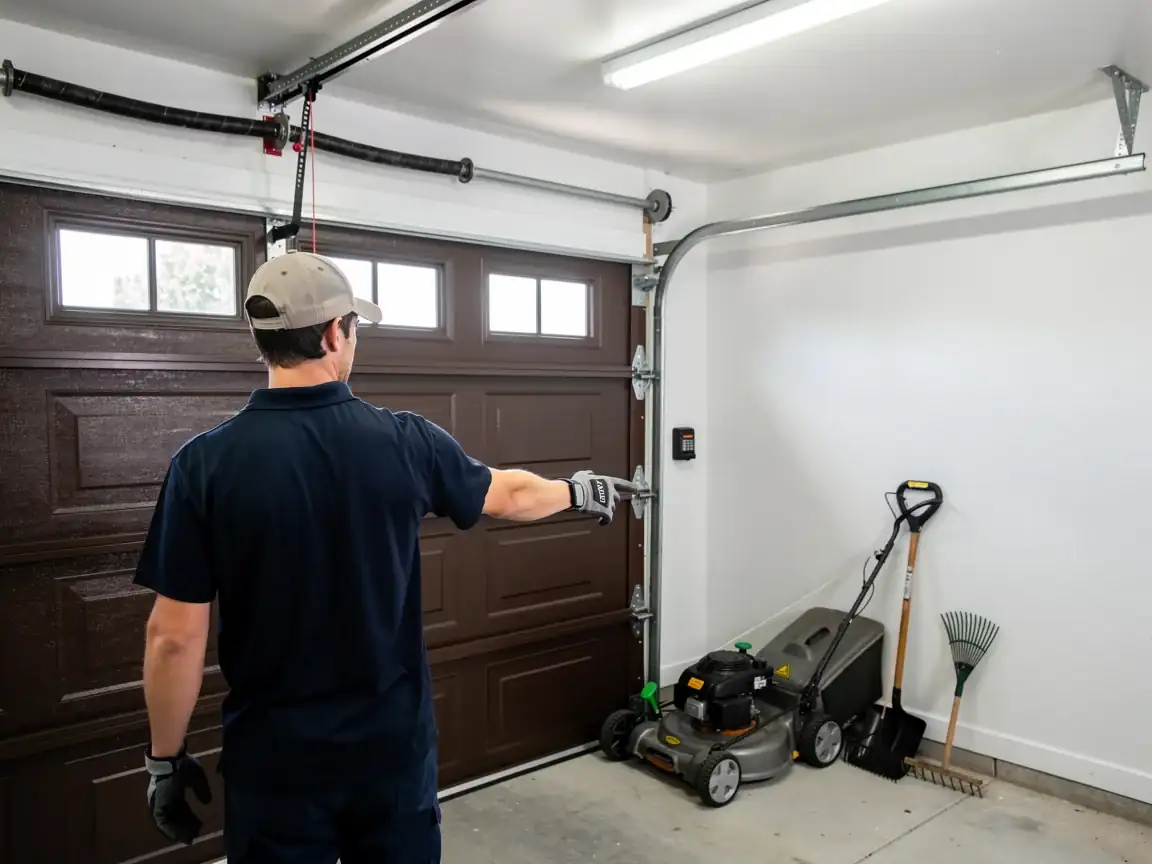
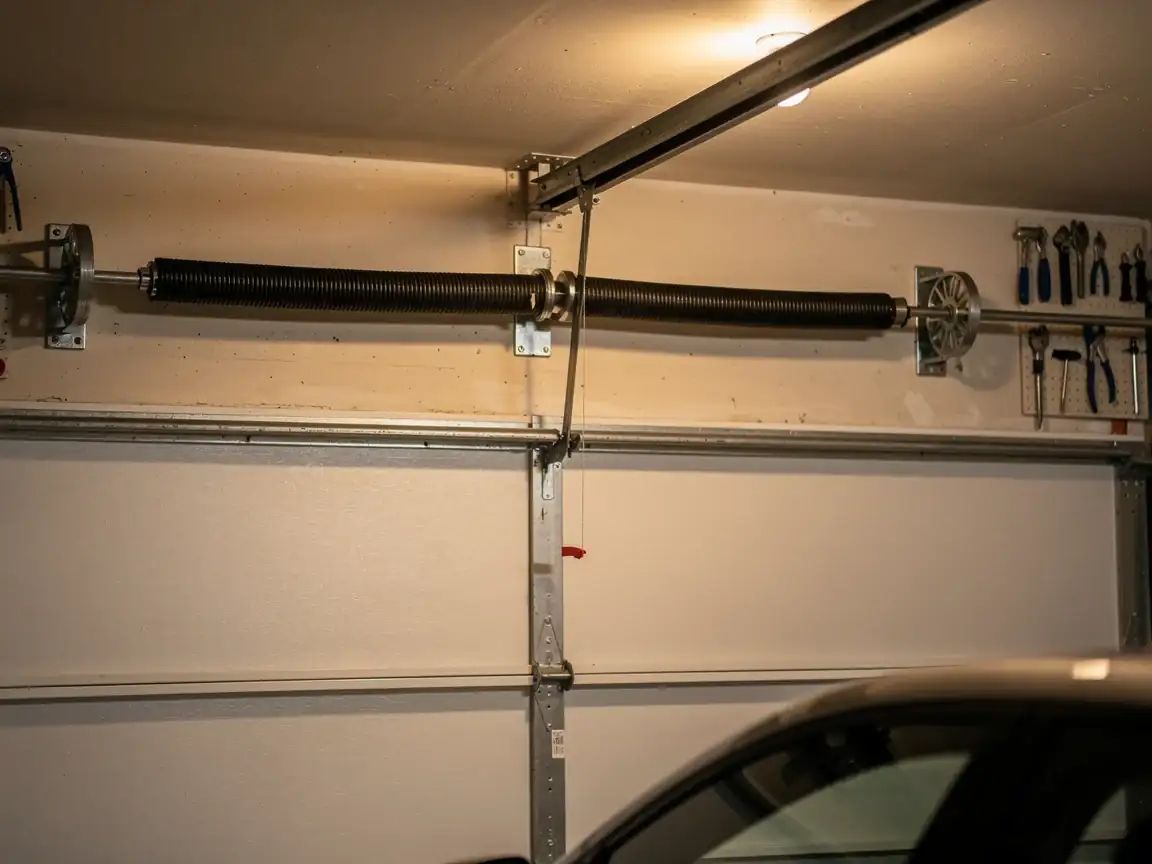
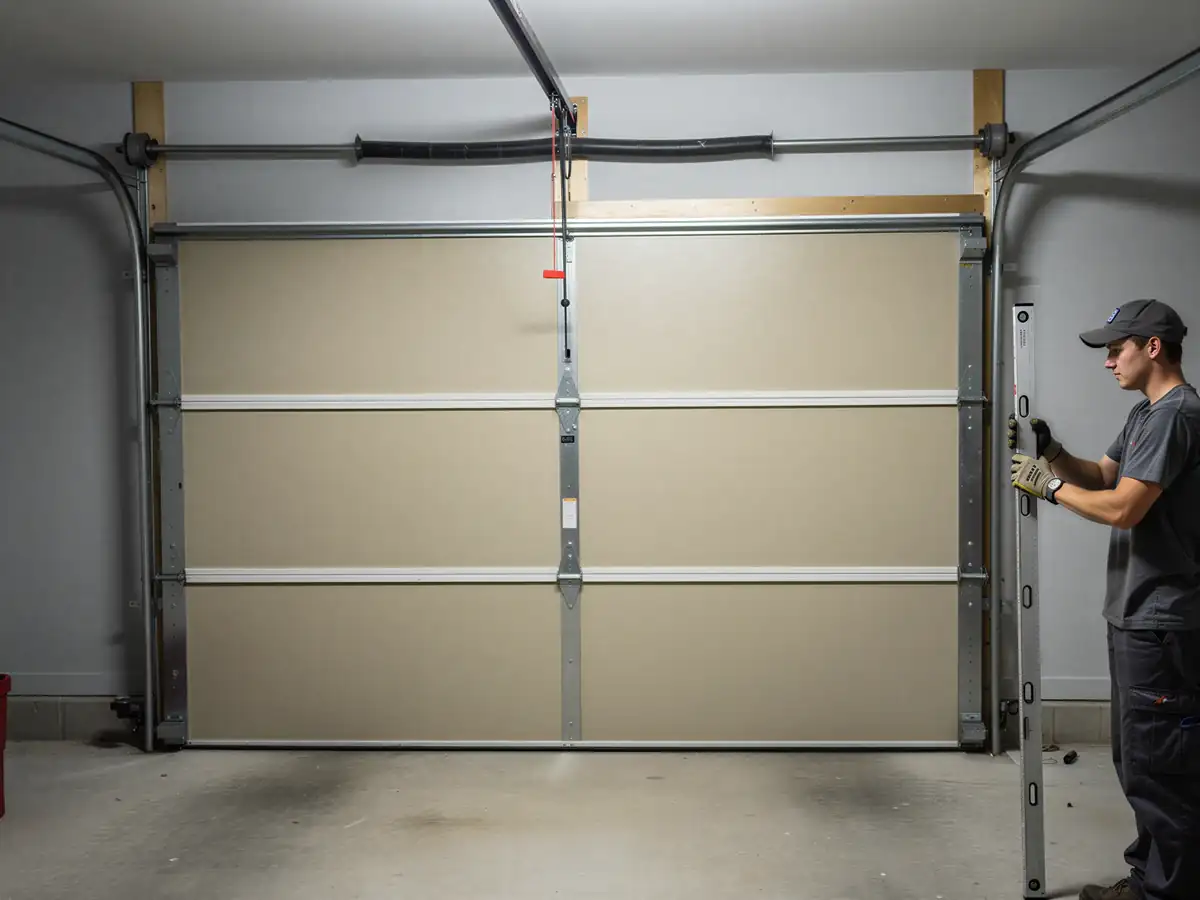
A cable going bad rarely announces itself all at once. You'll usually notice the door start to hang crooked - one side lower than the other - right before it happens, because one cable is stretching or fraying faster than its partner. Other signs: a popping or snapping sound from the door, visible frayed strands at the bottom roller bracket, or the door binding in the track on one side as it travels.
Once a cable actually breaks, the door will not stay up. It drops, often fast, and the opener will keep straining against a spring system it can't move alone. If that happens with the door open, do not try to force it down or up - that's how a track gets bent or a second cable gets overloaded and goes too. Leave it where it is and call.
The other pattern we see a lot in this climate band: cables that look fine but have rusted thin on the inside of the strand, invisible until they part. That's a mild, humid-leaning climate issue more than a wear issue, and it's worth a look if your door is original to the house.
Why This Fails Locally
01
Two things line up here that make cable failure a common call across this service area rather than a rare one
First, the age of the housing stock - built mostly 1964 to 2004, with most of it from the 1980s and 90s - means a large share of doors in the 40-plus communities we cover, from Fern Park and Longwood in close to Heathrow and University further out, are carrying cable and drum hardware that's well past the point anyone would call it new. Nobody re-cables a garage door on a schedule; it gets done when it fails.
02
Second, the mild temperate climate here doesn't put cables through the freeze-thaw cycling that snaps them up north
But it does keep humidity working on exposed galvanized strand year-round with no dry season to slow it down. That's a slower failure, which is exactly why it catches people off guard - there's no cold snap to blame, the cable just finally gives out on an ordinary afternoon.
03
Put those two together
Older hardware, constant low-grade humidity exposure - and cable repair shows up on our schedule steadily, not seasonally, across the whole area we serve.
How to Book
If a cable's already broken, don't run the opener and don't try to lift the door yourself past the point it wants to stop. Call us, tell us what the door is doing - stuck open, stuck shut, hanging crooked - and we'll get a sense of whether it's a straight cable swap or something that needs a closer look before we quote it.
If you're not sure whether it's a cable or something else, that's fine too. Fraying, popping sounds, and a door that tracks unevenly are all worth a call before they turn into a dropped door.
You can reach us through the site at /.
How it works
From “it’s stuck” to “it’s fixed”
01
Tell us what’s wrong
Describe the symptom - won’t open, loud bang, opener runs but the door won’t move.
02
On-site diagnosis
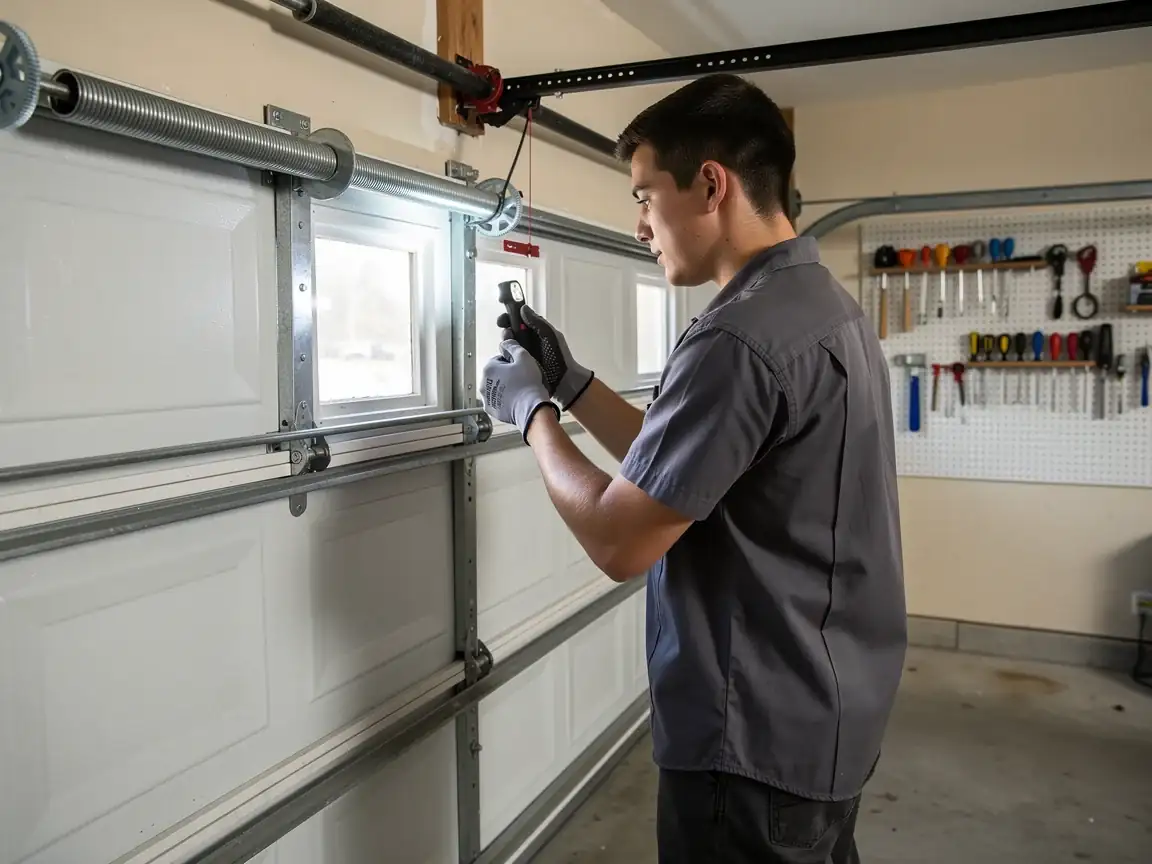
A technician tests the door under power and by hand and finds what actually failed.
03
Clear, up-front plan
You get the fix that’s needed and what drives the cost - before any work starts.
04
Repaired & tested
The repair is done, the door is set true and tested, and the work area left clean.
Not sure which repair your door needs in Casselberry, FL? Describe what it’s doing - every job starts with a diagnosis.
Straight answers about garage door repair in Casselberry. Still unsure? Ask us directly.
Can I replace a garage door cable myself?
We'd advise against it. The cable is under tension from the torsion or extension spring system, and releasing or reattaching it wrong can snap back hard enough to hurt someone. It's a quick job for someone who does it daily, but it's not a safe first DIY repair.
Why did my cable break with no warning?
Most cables fray from the inside out, especially in humid climates like ours, so the outer strands can look fine right up until the last one gives. If your door's hardware is original to a house built in the 1980s or 90s, age and slow corrosion are the likely cause, not something you did.
Is a broken cable the same repair as a broken spring?
No. Springs lift the door's weight; cables guide it along the track and hold it level. A broken spring usually makes the door feel impossibly heavy. A broken cable usually lets the door drop unevenly or all the way. They sometimes fail together if one takes out the other.