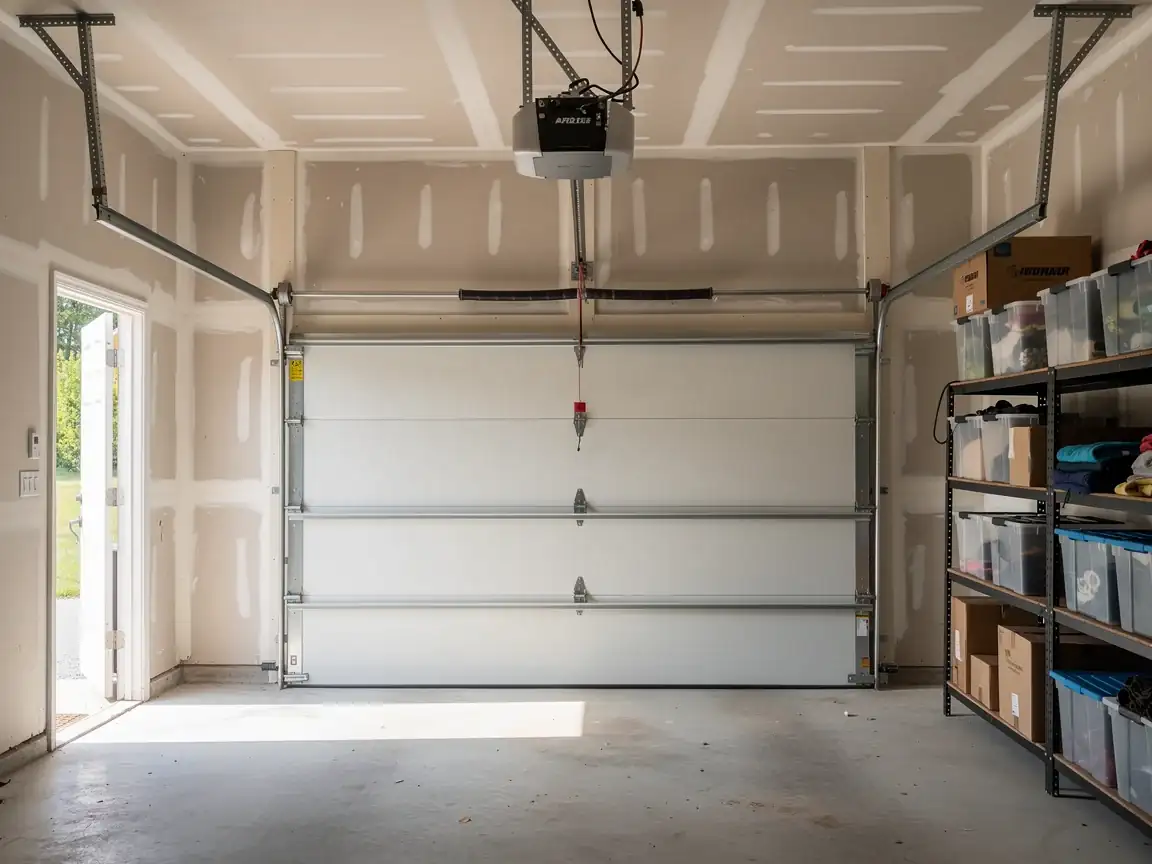
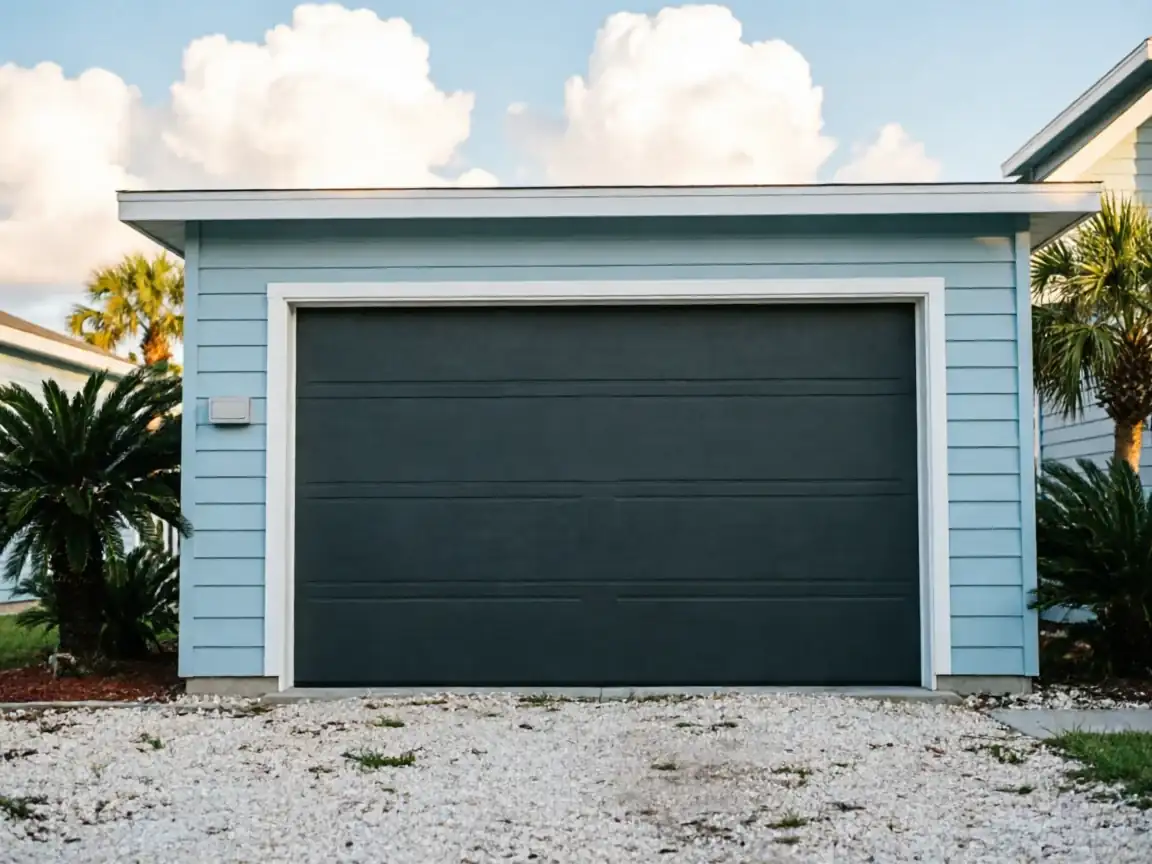
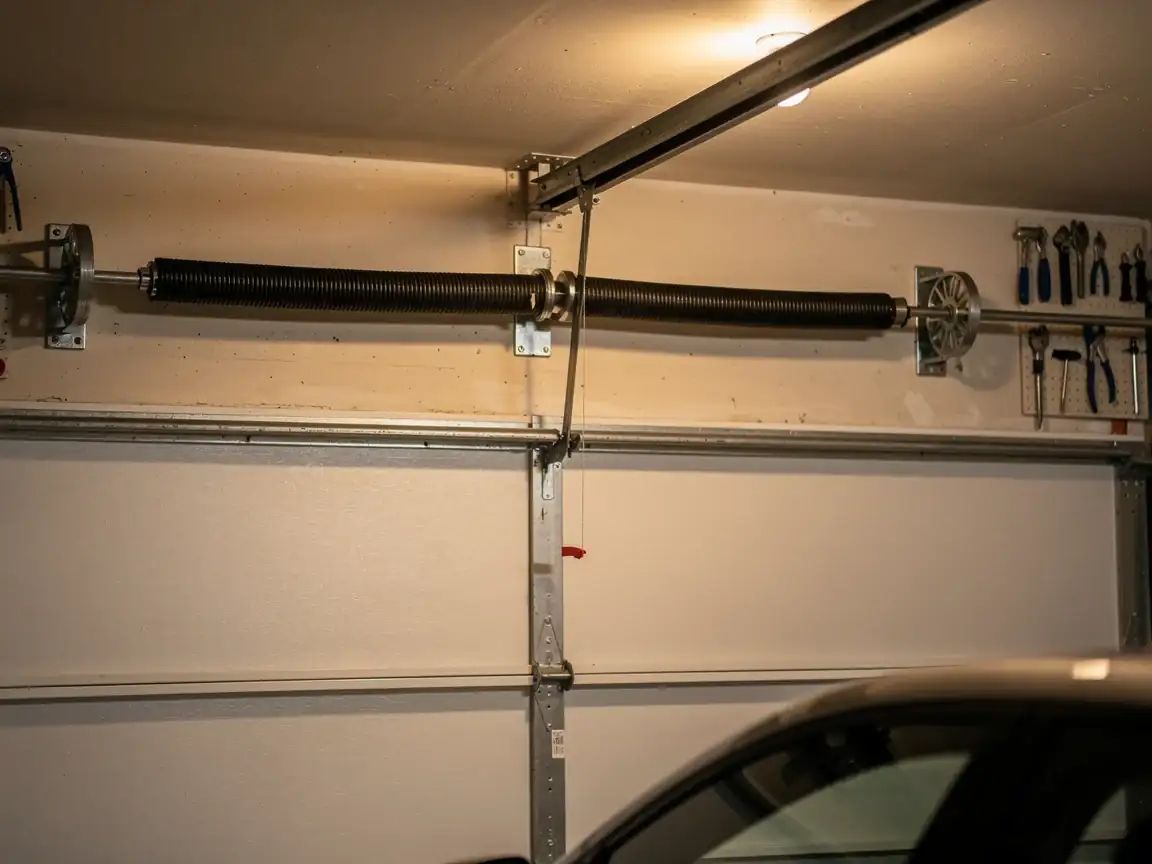
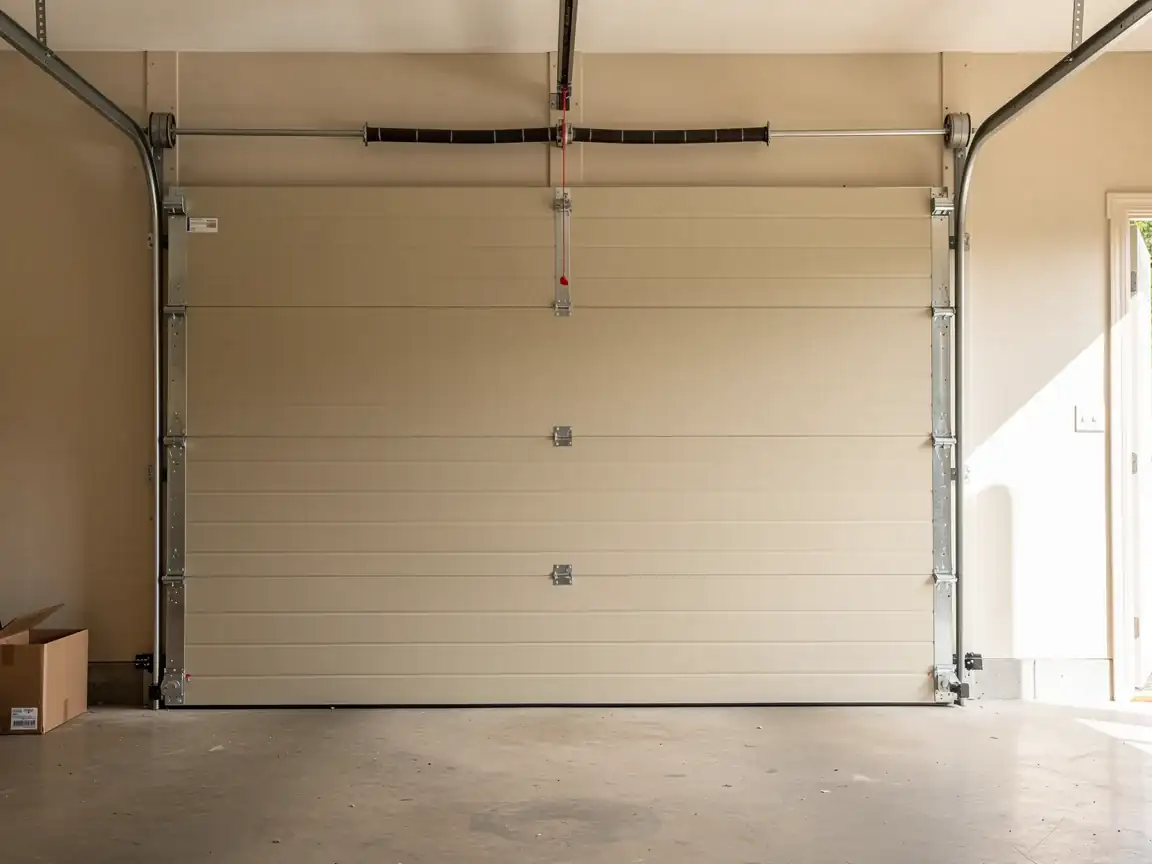
Maitland's housing stock runs newer than the rest of the service area-median build year 1996. That changes which panel profile and steel gauge actually fits.
Across the wider service area, the median home was built in 1984, which means a lot of garage doors with panel profiles and hinge spacing that stopped getting made years ago. Maitland doesn't fit that pattern. The median year built here is 1996, over a decade newer than the area as a whole, which puts most garage doors into the generation where steel sandwich panels and standardized hinge patterns were already the norm, not the exception.
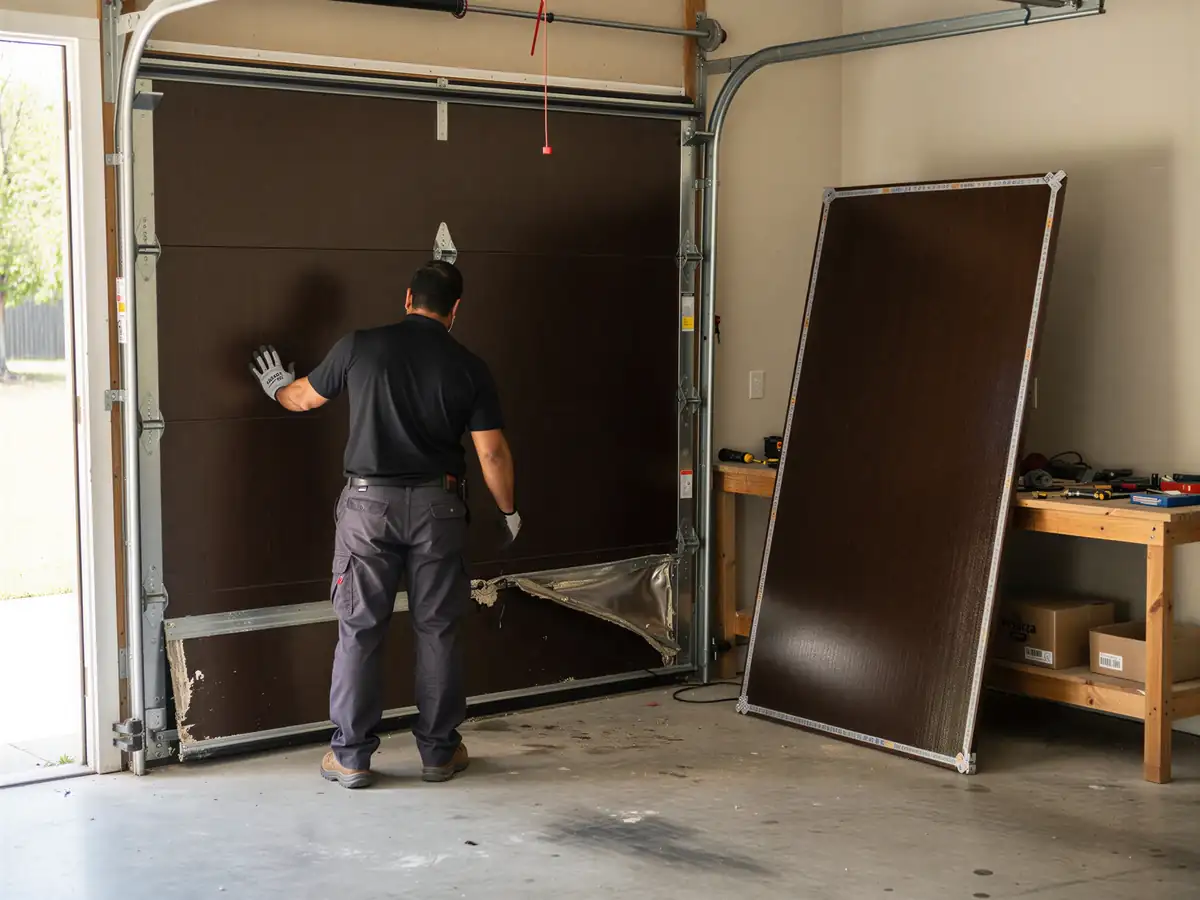
That sounds like it should make the job easier, and in some ways it does - sourcing a matching panel for a 1996 door is less of a hunt than for a 1975 one. But it brings its own snag: doors from this era came in a wider range of proprietary panel widths and window-cutout styles than either the decade before or the decade after, because manufacturers were still settling on a handful of standard sizes. A single bent or rusted-through bottom panel on a Maitland door can mean matching a specific width that isn't one of today's two or three common sizes.
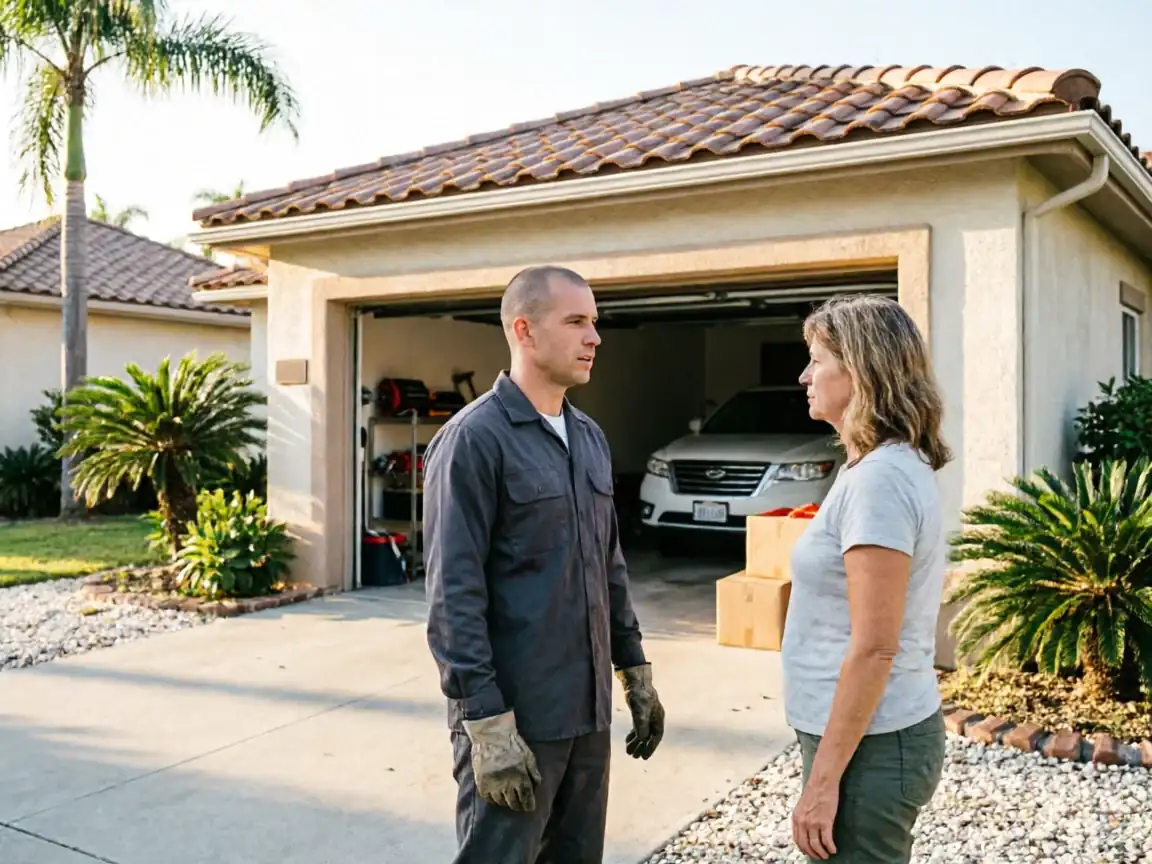
At 4 miles from Casselberry, we're not guessing at this from a distance - we just don't keep a branch here, so every job is a trip out, not a drop-in.
Why This Fails Locally
The mild temperate climate across this service area means panels here aren't fighting freeze-thaw cracking or heavy snow load the way they would further north, so when a panel fails in Maitland it's rarely weather fatigue. It's almost always physical: a car bumper, a basketball, a ladder leaned wrong, or just galvanized steel finally rusting through at the bottom where sprinklers hit it for twenty-some years.
Because the surrounding area's median home is noticeably older (1984), most of our panel stock and experience skews toward older hardware. Maitland homes, built closer to 1996 on average, often take a shorter or narrower panel than what gets pulled for a typical job elsewhere in the territory. If we show up assuming area-standard sizing, the panel doesn't sit flush and the whole section has to be reordered.
Maitland's median household income, $93,318, also tends to mean a homeowner asking about a matched insulated panel rather than the cheapest non-insulated steel option - worth knowing before we quote, since it changes both the part and the price.
What the Fix Involves
01
First step is identifying the actual panel width and whether the door is a standard raised-panel steel design or one of the flush or short-panel styles that showed up more often in homes built around 1996
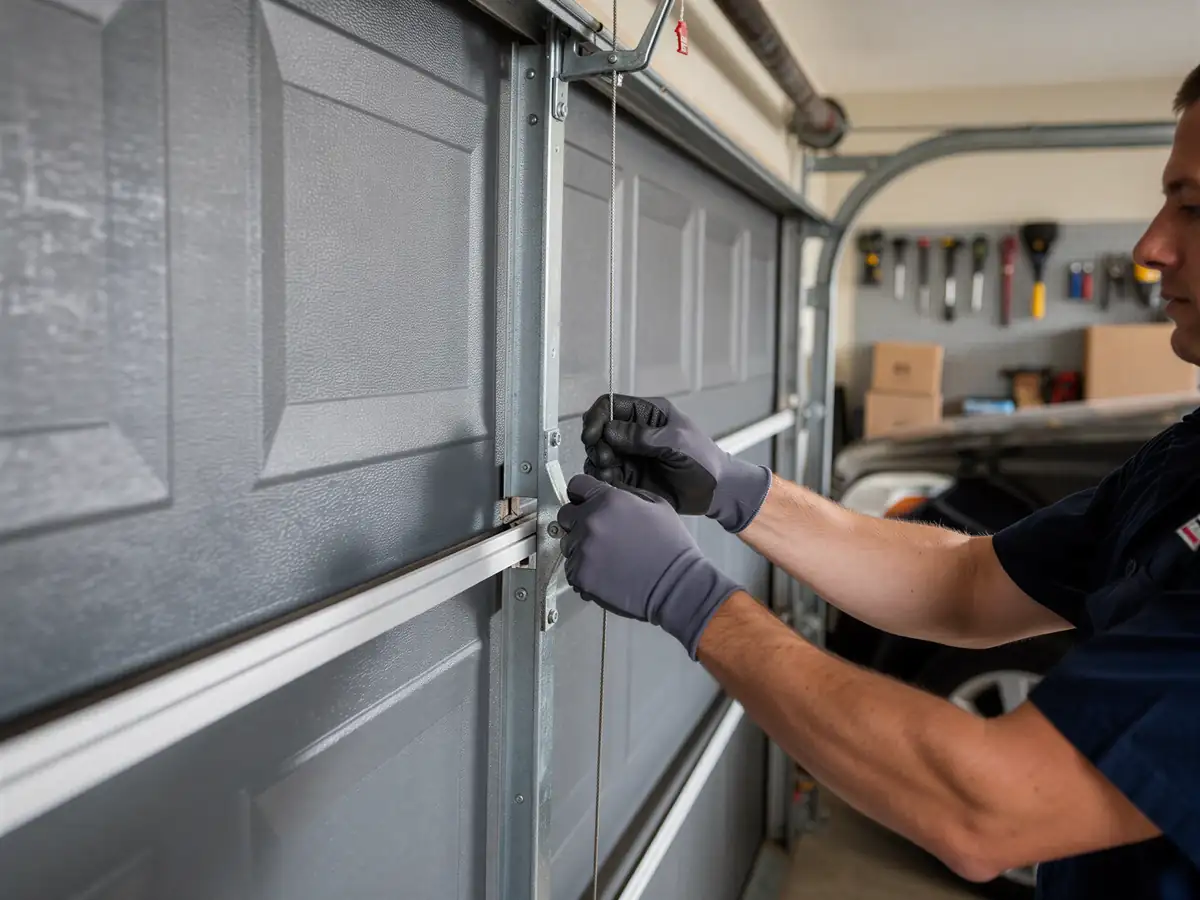
We measure the damaged section, not just the door height, because replacement panels are sold by section and a mismatch in height between old and new sections is obvious from the street.
02
If the door is insulated
Common for homes built in this stretch, where owners were starting to ask for it - we match the panel's foam core thickness, not just its face. A non-insulated patch panel on an otherwise insulated door looks fine for about a year before the mismatch in temperature and condensation shows up as a visible seam.
03
Here's the limitation worth saying up front
If the manufacturer discontinued that exact panel profile, we're not going to pretend a close match is an exact one. Sometimes the honest fix is replacing all the panels on that side of the door, or the full door, rather than bolting on a part that's close but not right. We'll tell you which situation you're in before we order anything.
The Symptom
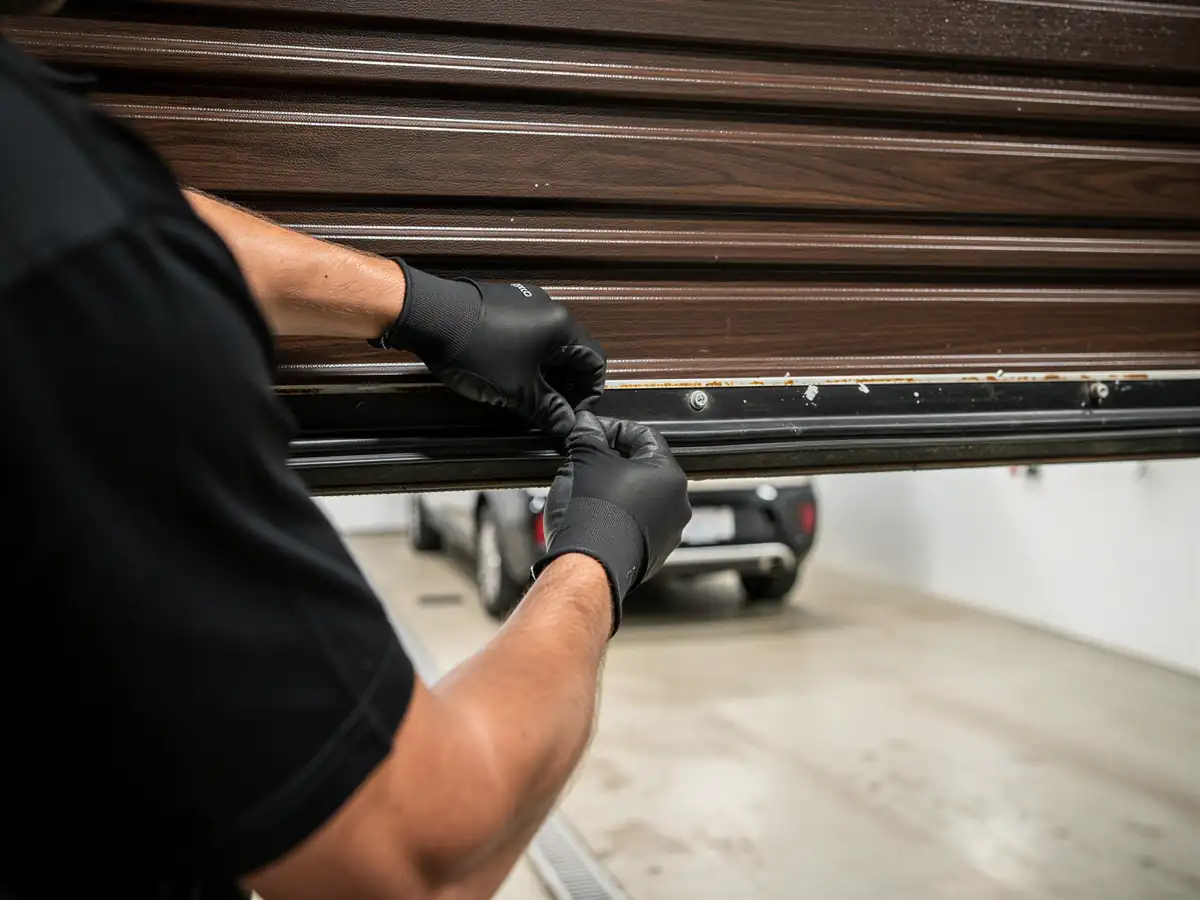
Usually it starts as a dent that doesn't bother anyone, or a rust bubble near the bottom weatherstrip that gets painted over once. What brings us out is the day the panel actually buckles - the door still opens and closes, the track isn't bent, but one section bows when the door's down, and the weatherstrip won't seat anymore.
On a 1996-era door, the panel usually comes off its stiles clean, which makes the job itself fairly contained once the right-width section is in hand. The harder part is almost always locating the match, not installing it, which is why we start with measurements and part numbers before we talk timeline.
How it works
From “it’s stuck” to “it’s fixed”
01
Tell us what’s wrong
Describe the symptom - won’t open, loud bang, opener runs but the door won’t move.
02
On-site diagnosis
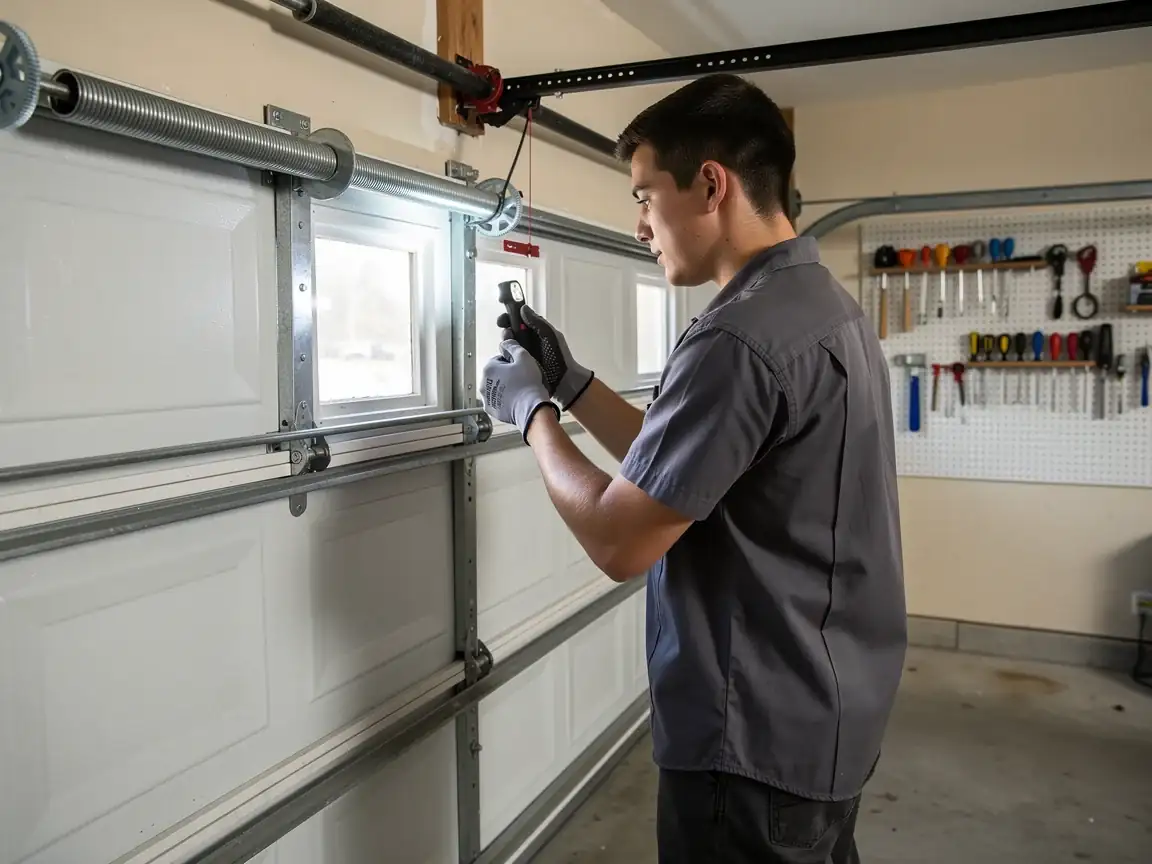
A technician tests the door under power and by hand and finds what actually failed.
03
Clear, up-front plan
You get the fix that’s needed and what drives the cost - before any work starts.
04
Repaired & tested
The repair is done, the door is set true and tested, and the work area left clean.
Not sure which repair your door needs in Casselberry, FL? Describe what it’s doing - every job starts with a diagnosis.
Straight answers about garage door repair in Casselberry. Still unsure? Ask us directly.
Will a replacement panel match my door's original color exactly after 25-plus years?
Not perfectly, no. Steel fades and chalks over decades even in a mild climate, and a brand-new panel will be visibly whiter or glossier than the rest of the door at first. It usually weathers into a closer match within a year or two, but we won't tell you it'll be invisible on day one.
Is my door's panel width a standard size?
Maitland homes built around the mid-1990s used a mix of panel widths that varied by manufacturer more than by decade, so there isn't one universal answer. We measure the actual section before ordering rather than assuming it matches a standard size.
Do you keep a stock of panels for Maitland homes?
No, we don't keep a branch or inventory in Maitland - we come out from Casselberry, about 4 miles away, and order panels to match once we've measured the specific door.
Is it worth replacing one panel or the whole door?
Depends on the discontinued-part situation and how many sections are already faded or dented. If the profile's still made, one panel is usually the cheaper, faster fix. If it's been discontinued, replacing the full door can end up making more sense than chasing a near-match.