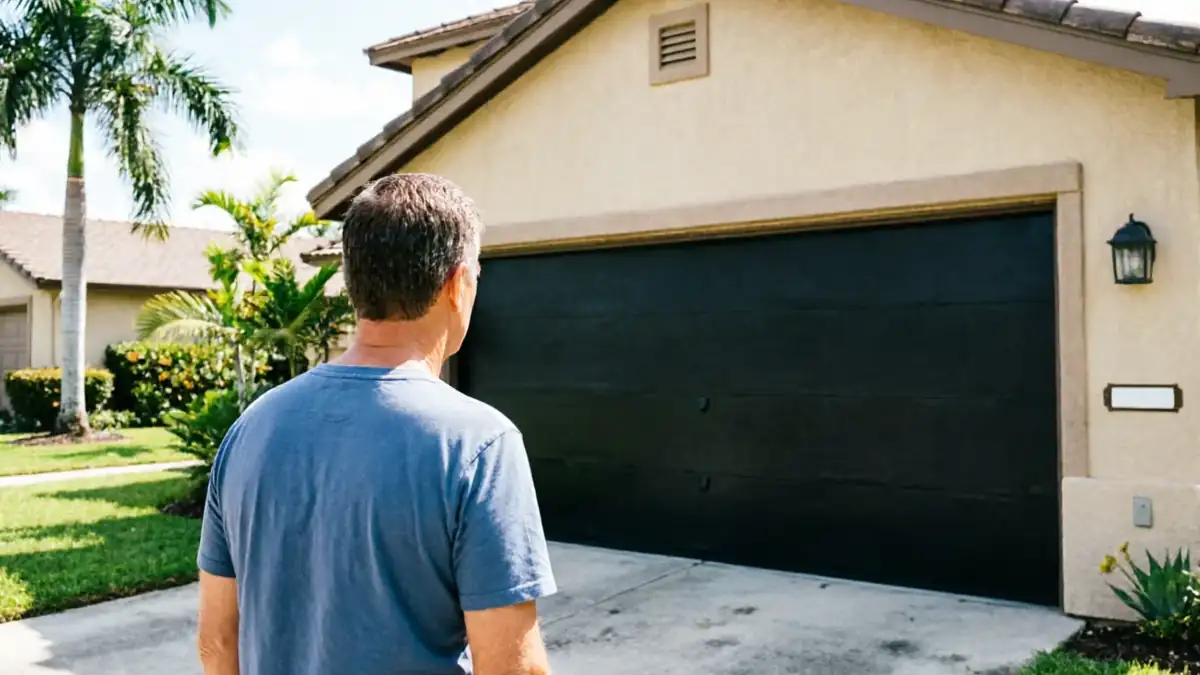
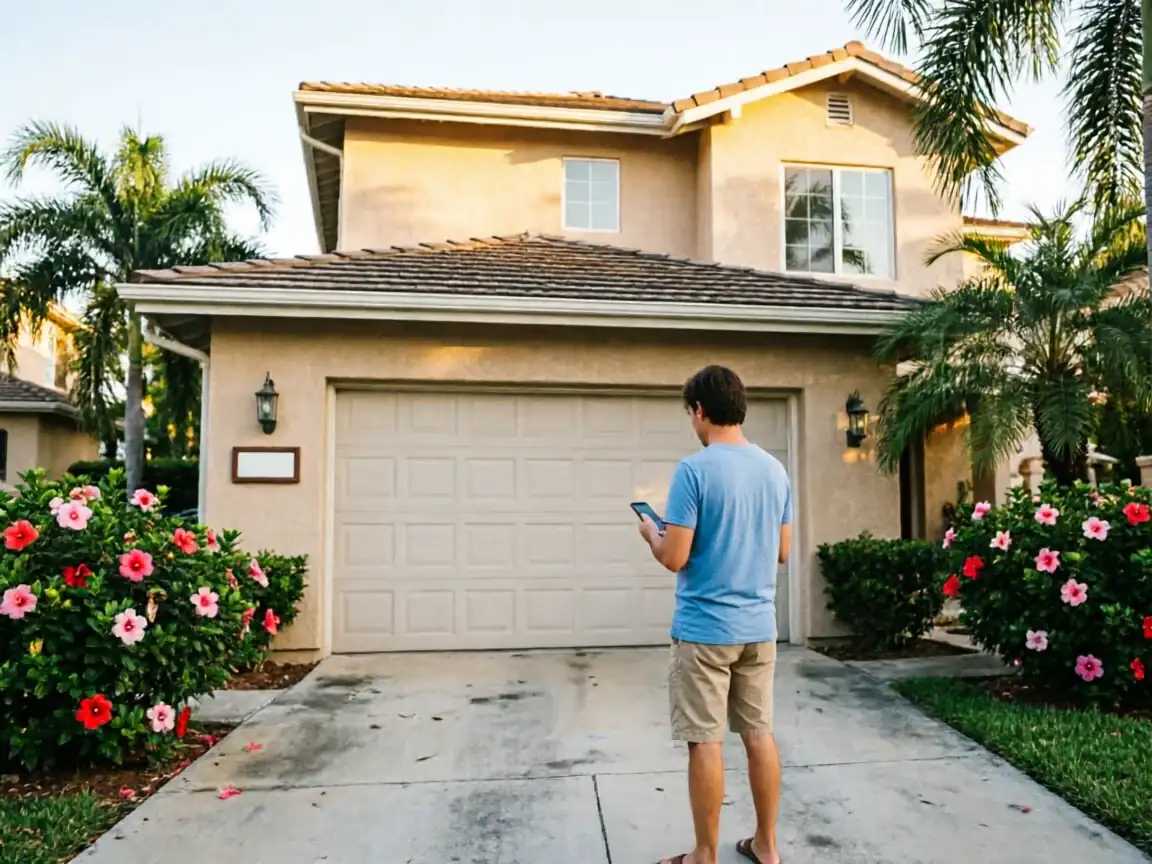
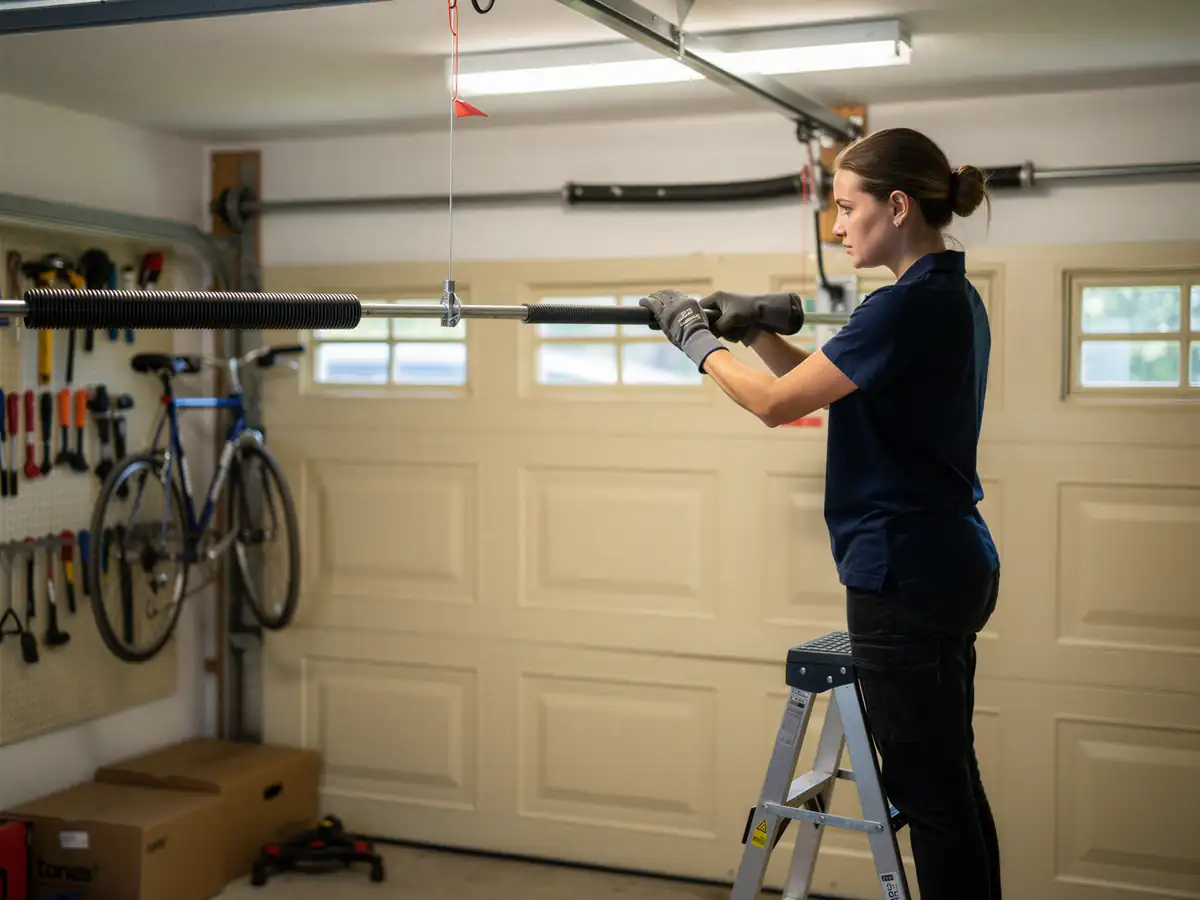
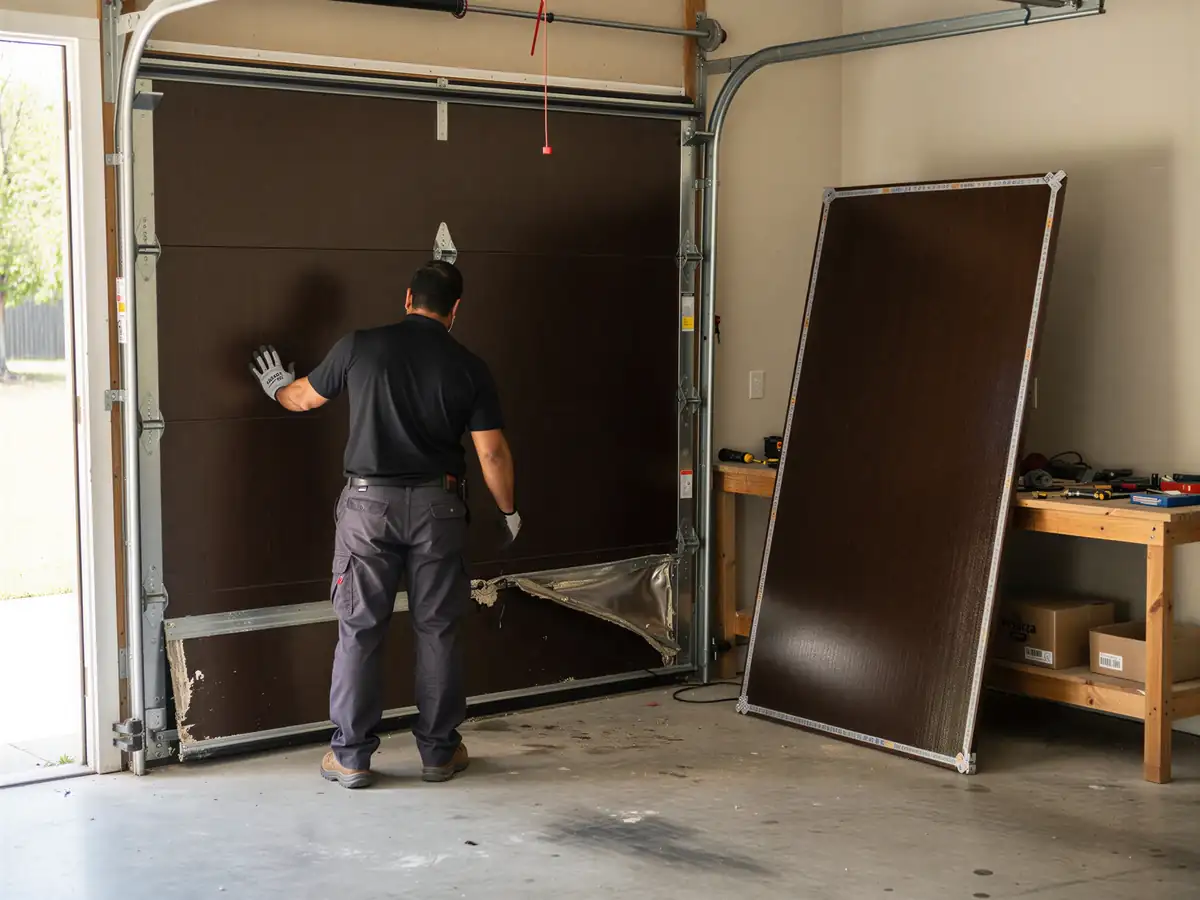
Casselberry's housing stock runs mostly 1964 to 2004, with the median build year landing around 1984. That matters because a door is a 20-to-30-year part, and a lot of the houses in this service area are sitting right at or past that mark. If your door is original to a house built in the 1980s, you're not dealing with a loose roller or a bent track anymore - you're dealing with a galvanized torsion spring that's done its cycle count, a panel gauge that nobody stamps the same way today, and hardware sized for a track system that's been out of production for years. Tightening hinges and spraying the rollers is fine maintenance work. Swapping a spring rated for a door that's been sagging on one side, or patching a bottom panel that's delaminating from years of garage humidity, is past the point where a wrench and a Saturday afternoon fix it. If the door is from that original build era and you're already on your second or third spring replacement, you're paying to keep a door alive that was priced to last one generation, not two.
What the Weather Here Does to It
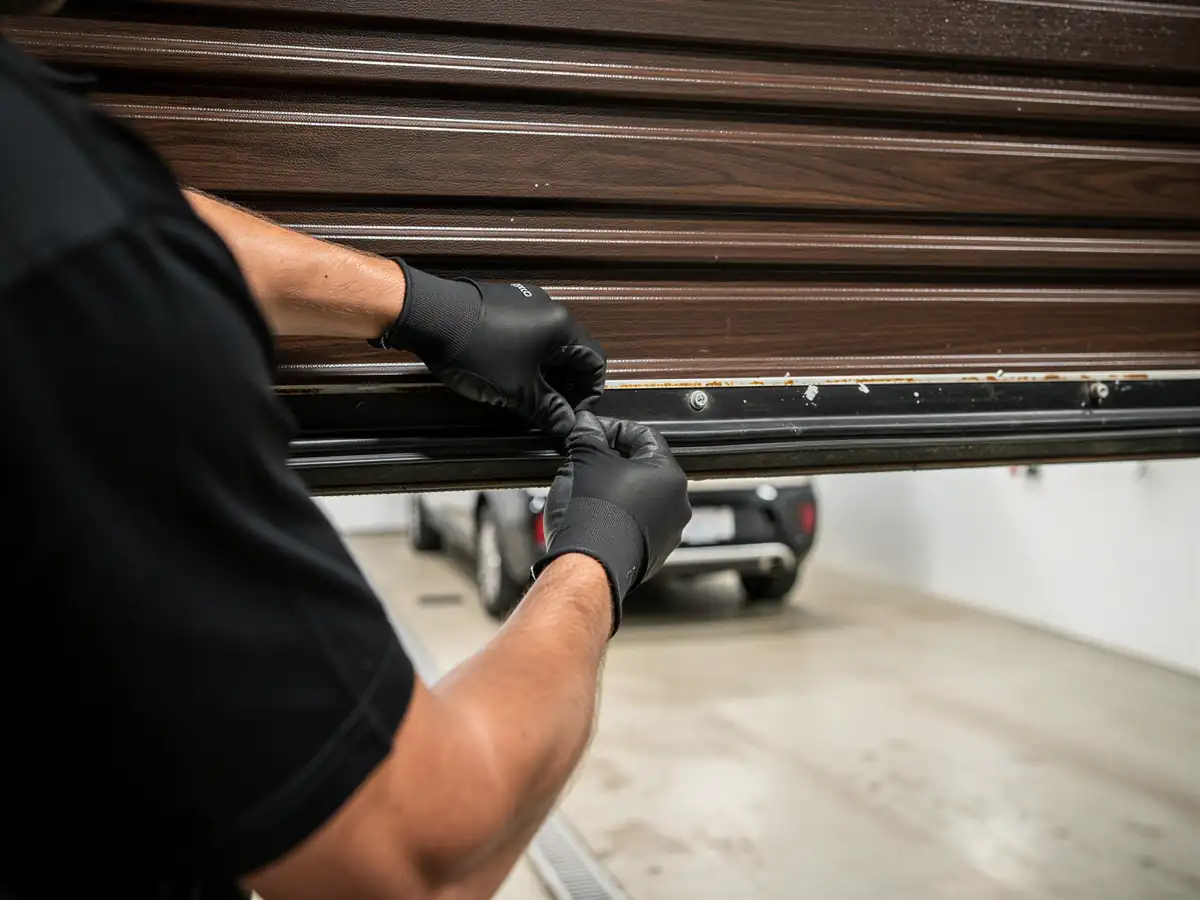
Casselberry sits in a mild temperate band - no hard freezes to worry about, no snow load calculations, nothing that cracks a panel from cold the way it does further north. That's the good news. The less obvious part is what steady warmth and humidity do over 20-plus years to the doors built during that 1964-2004 run. Steel panels without a good factory coat pit and rust from the inside out, especially on the bottom panel where moisture sits after rain. Wood-composite doors from the 1980s and 90s swell and shrink enough, season after season, that the seams between panels start separating even if the door still opens and closes fine. None of this looks dramatic in the moment. It just means a door that's cosmetically rough and structurally tired at the same time, which is a different repair conversation than a door that's been dented once.
The Problem
With a median household income of $82,768 across the service area and roughly 76,765 owner-occupied houses in the broader footprint, most of the calls we get aren't about affording a new door - they're about whether it's worth it yet. A repair on a 1980s-era door often means sourcing a panel or spring spec that's no longer a standard stock item, which adds cost and wait time to what should be a simple fix. At some point the repair bill for an old door starts closing in on what a new one costs, and the new one comes with a warranty and parts that are actually in production. We'll tell you straight when you're at that line instead of running up a repair tab on a door that's on its way out regardless.
The Seasonal Bit
Mild temperate doesn't mean static. Casselberry still gets a wet season and a dry one, and the swing in humidity is enough to shift wood-composite panels and tighten up tracks that were set during a drier stretch. Homeowners from Fern Park to Longwood tell us the same thing: the door that worked fine in spring starts dragging or binding by late summer, and it's not a new problem, it's the same panel doing what humidity does to anything made from the materials common in that 1964-2004 building era. One honest limitation here - we don't keep every discontinued panel profile or hardware size on the truck, so if your door is an older style, factor in a few extra days for parts before we can finish a repair rather than just patch it.
How it works
From “it’s stuck” to “it’s fixed”
01
Tell us what’s wrong
Describe the symptom - won’t open, loud bang, opener runs but the door won’t move.
02
On-site diagnosis
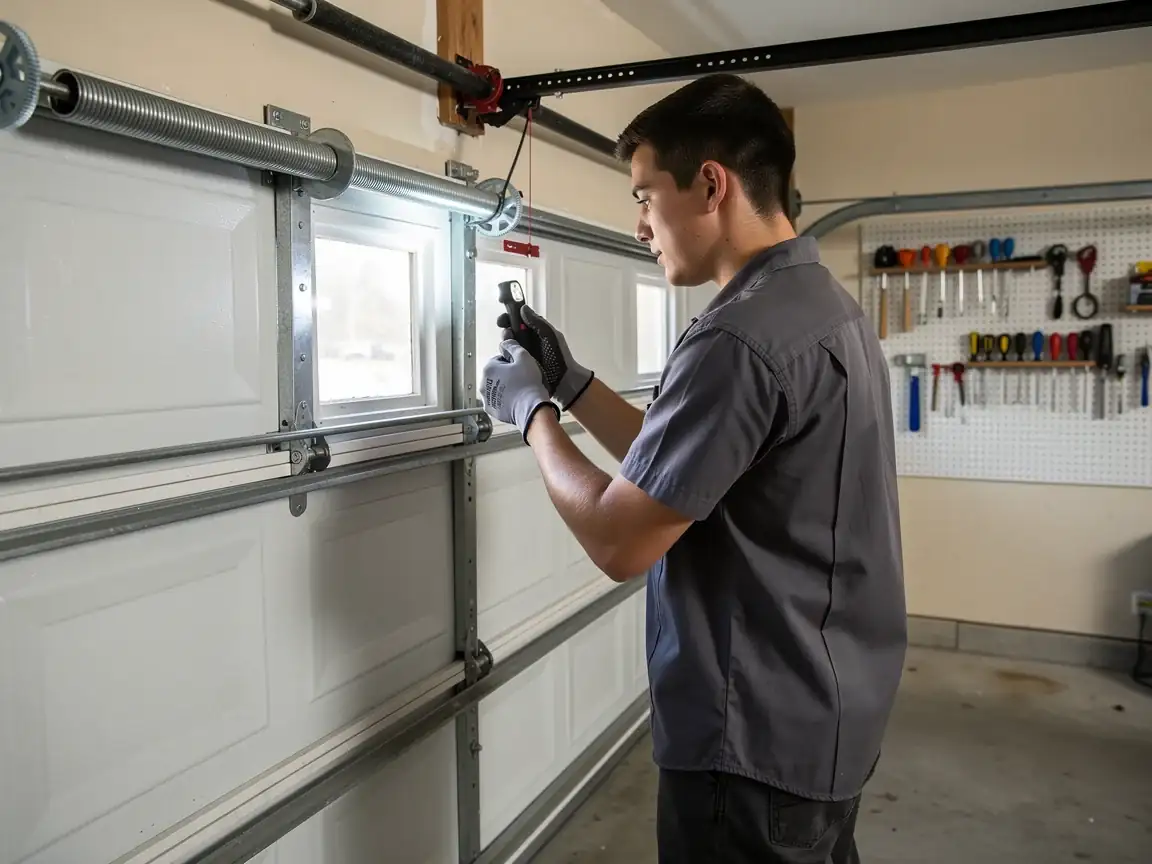
A technician tests the door under power and by hand and finds what actually failed.
03
Clear, up-front plan
You get the fix that’s needed and what drives the cost - before any work starts.
04
Repaired & tested
The repair is done, the door is set true and tested, and the work area left clean.
Not sure which repair your door needs in Casselberry, FL? Describe what it’s doing - every job starts with a diagnosis.
Straight answers about garage door repair in Casselberry. Still unsure? Ask us directly.
My garage door is from the 1980s and still opens fine. Do I need to replace it?
Not necessarily. If the spring, cables, and panels are sound and it's just cosmetically worn, a repair can carry it further. The replacement conversation starts when you're repeating repairs on hardware that's past its rated cycle life, which is common once a door from that era hits this age.
Does Casselberry's climate shorten a garage door's life?
The mild temperate climate here spares doors from freeze damage, but steady humidity still rusts unprotected steel from the inside and swells wood-composite panels over the years. It's a slower wear pattern than cold climates see, but it adds up over a 20-to-30-year door.
How long does it take to get parts for an older door?
Depends on the door. Common sizes and profiles we stock and install quickly. Older or discontinued panel styles, especially from houses built before the 1990s, can take longer to source - sometimes a week or more, which is worth knowing before you commit to a repair over a replacement.