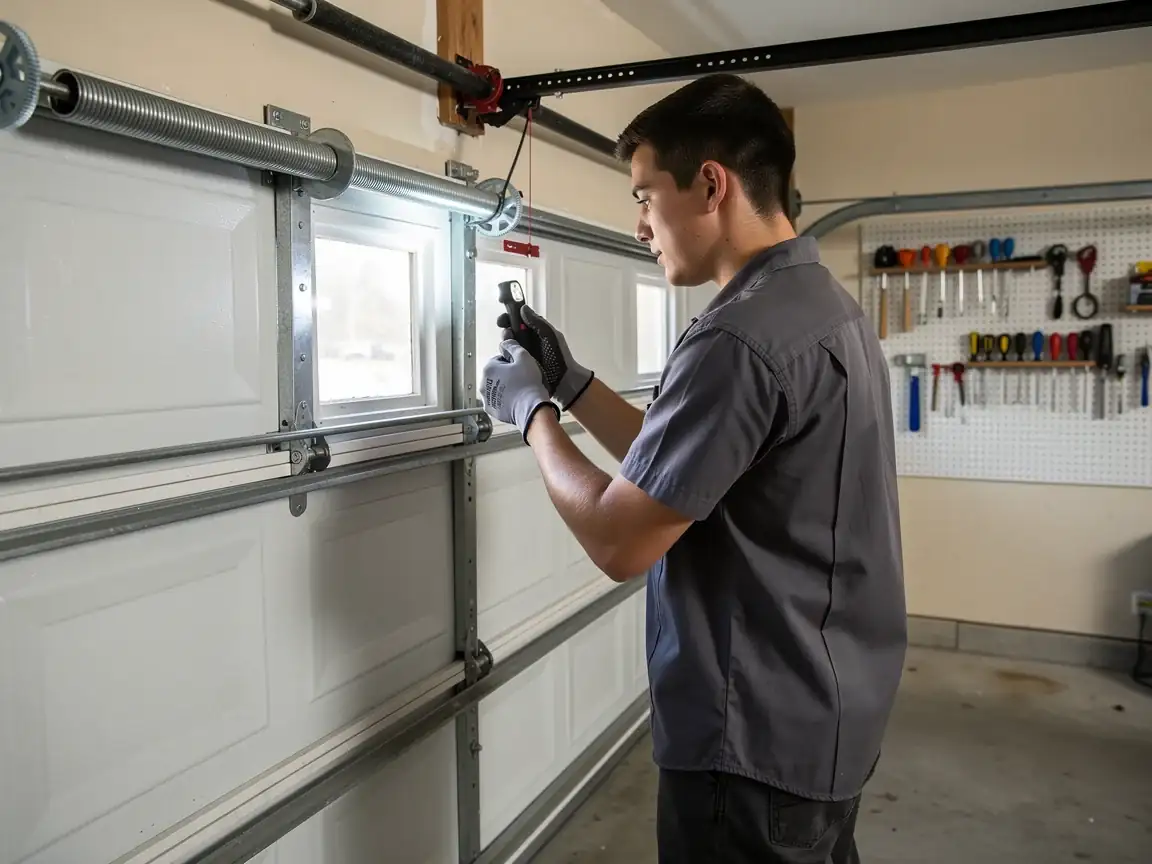
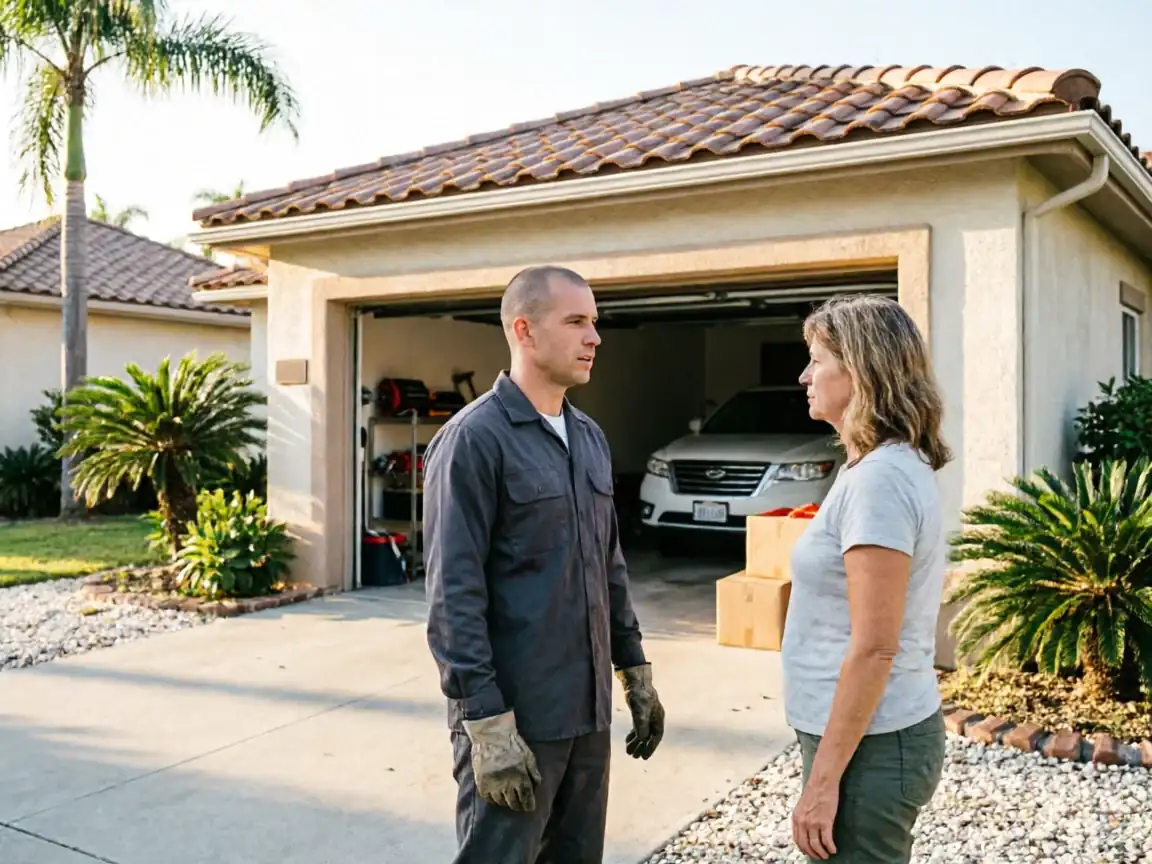
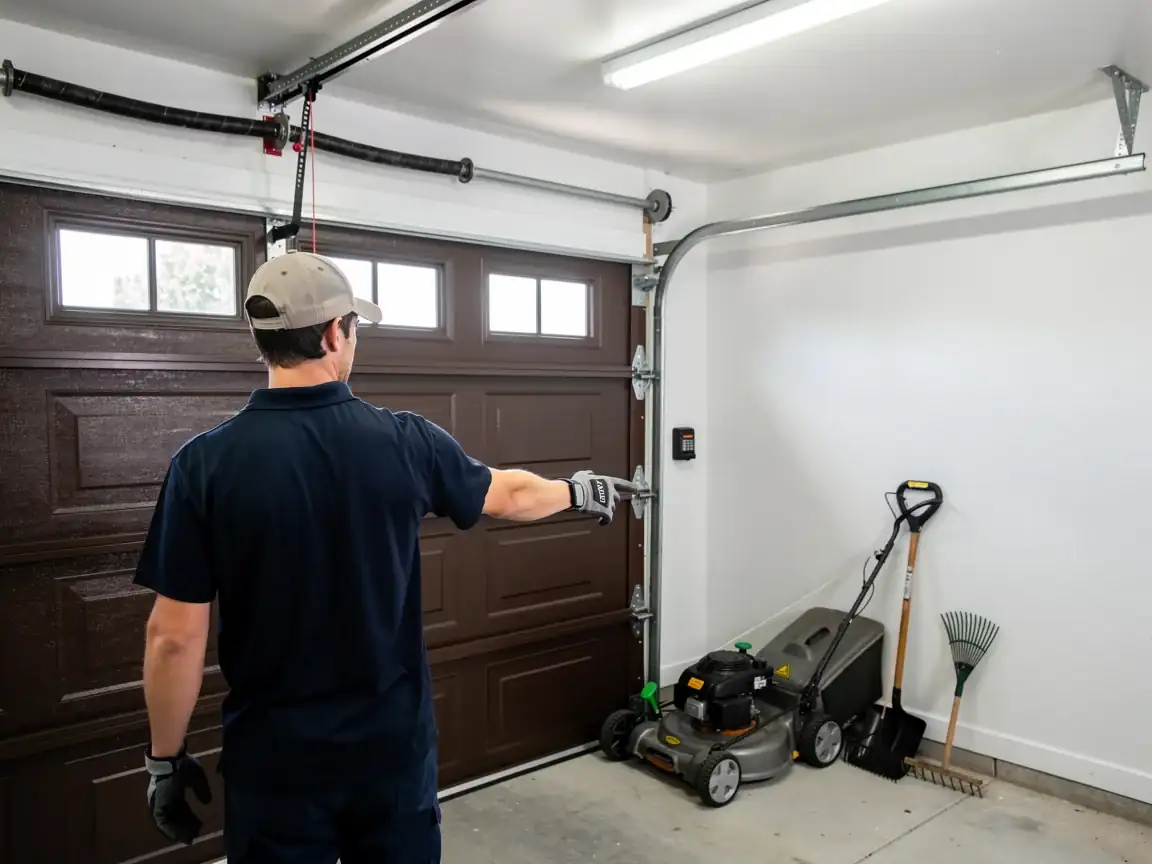
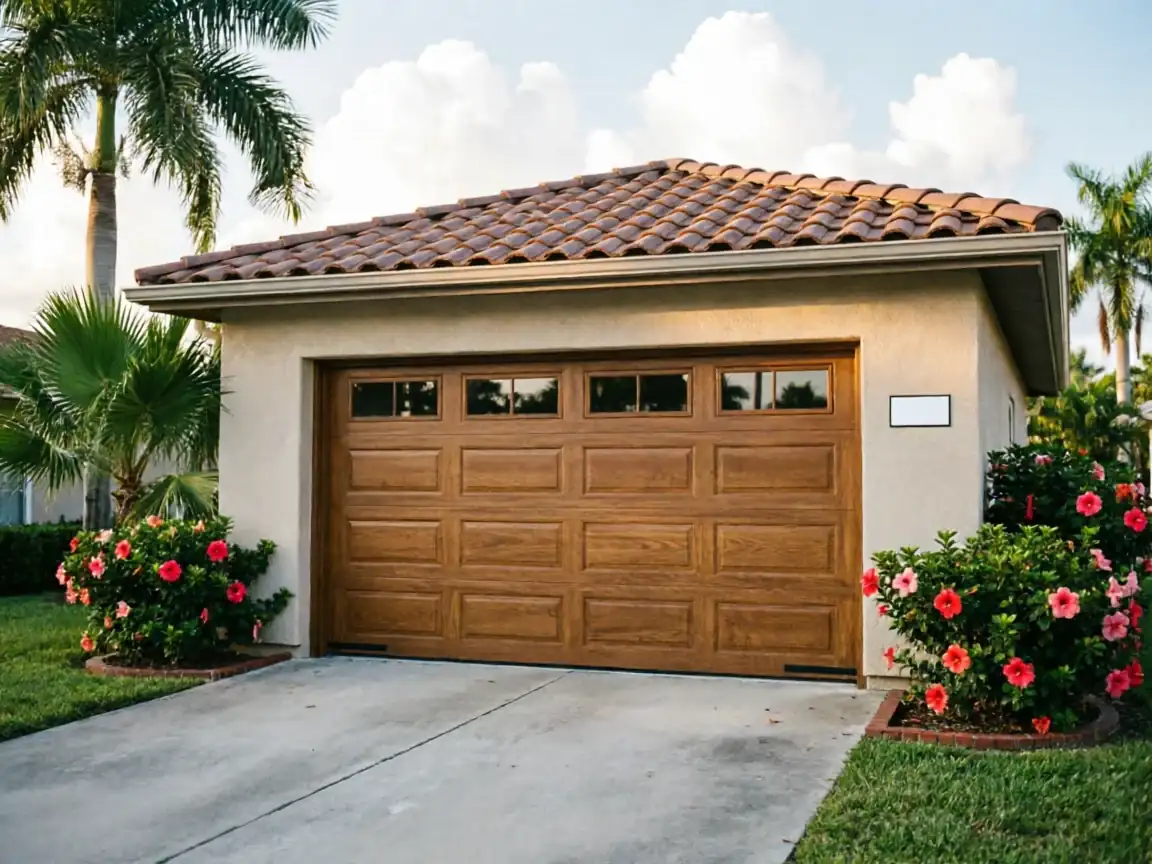
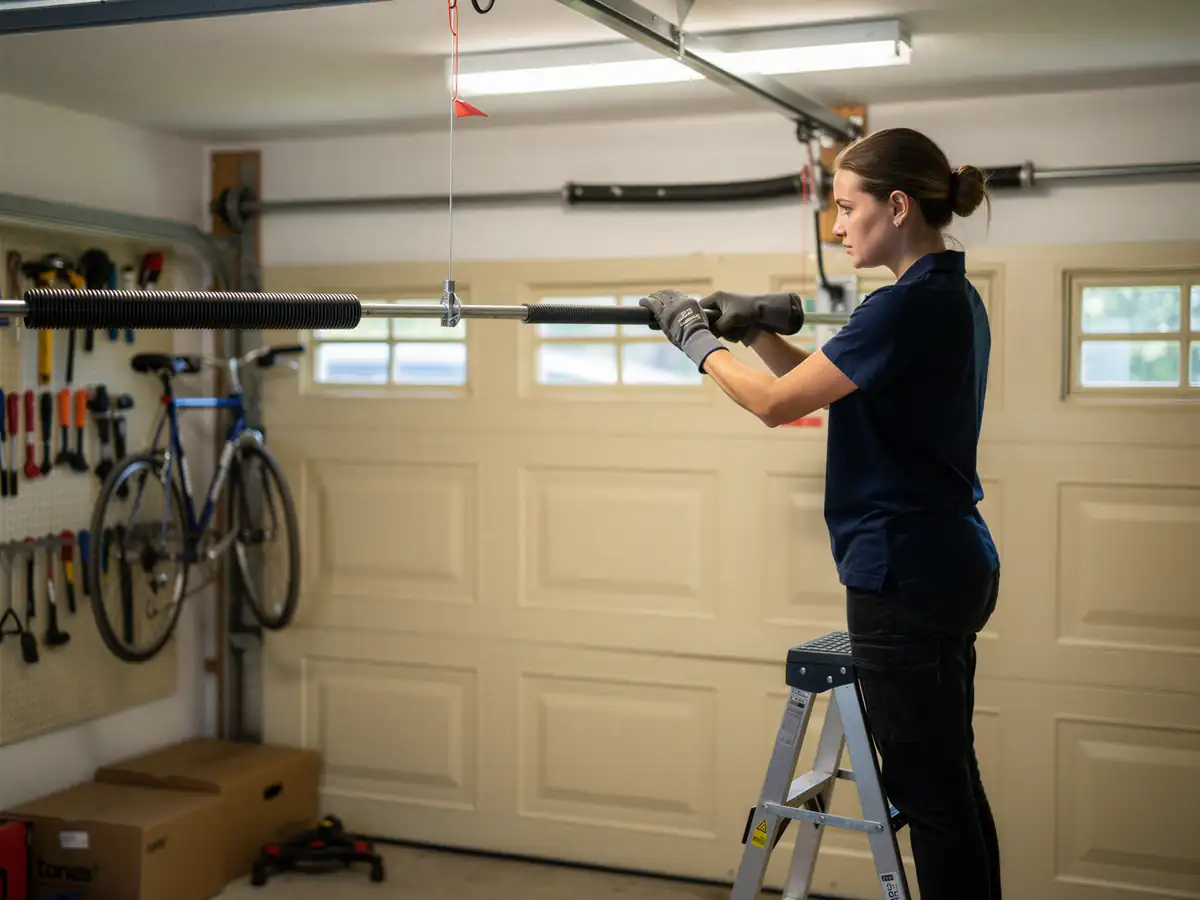
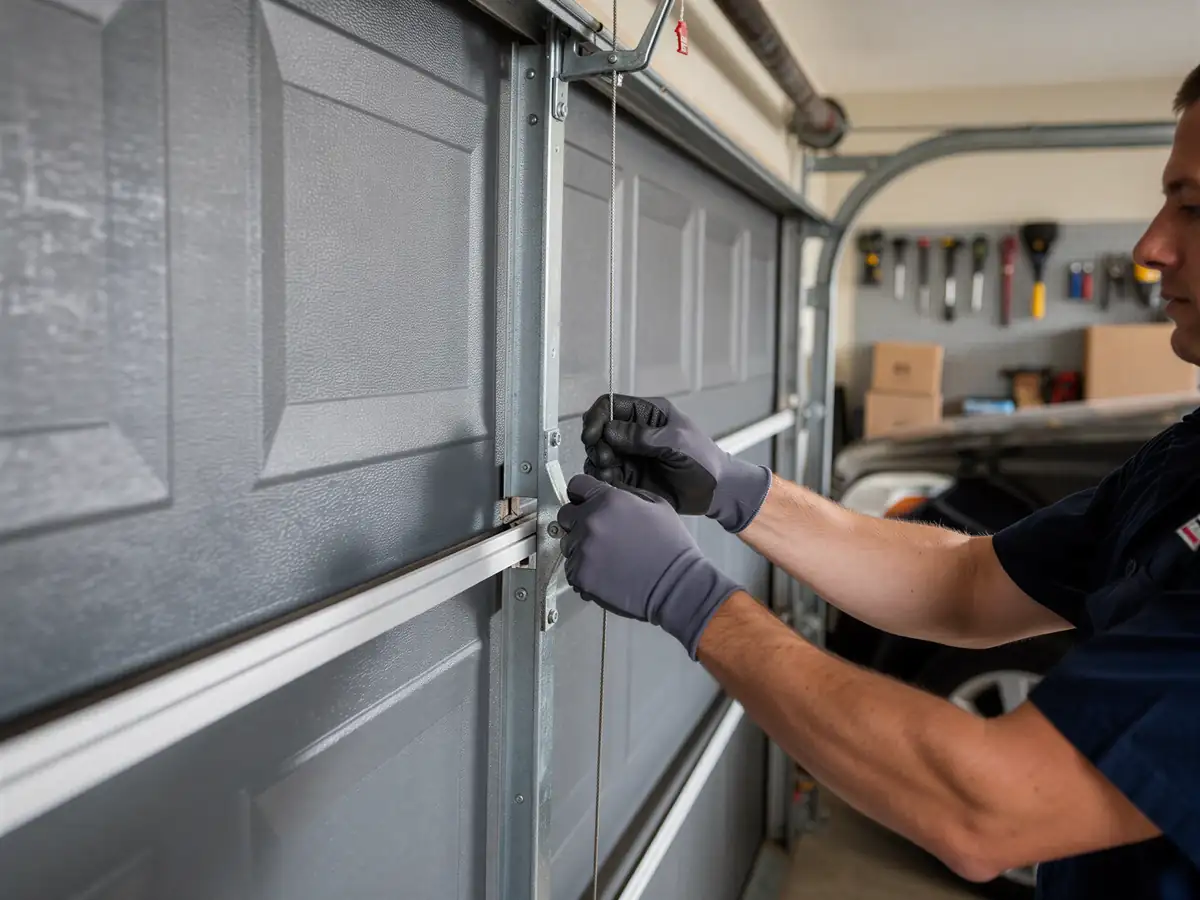
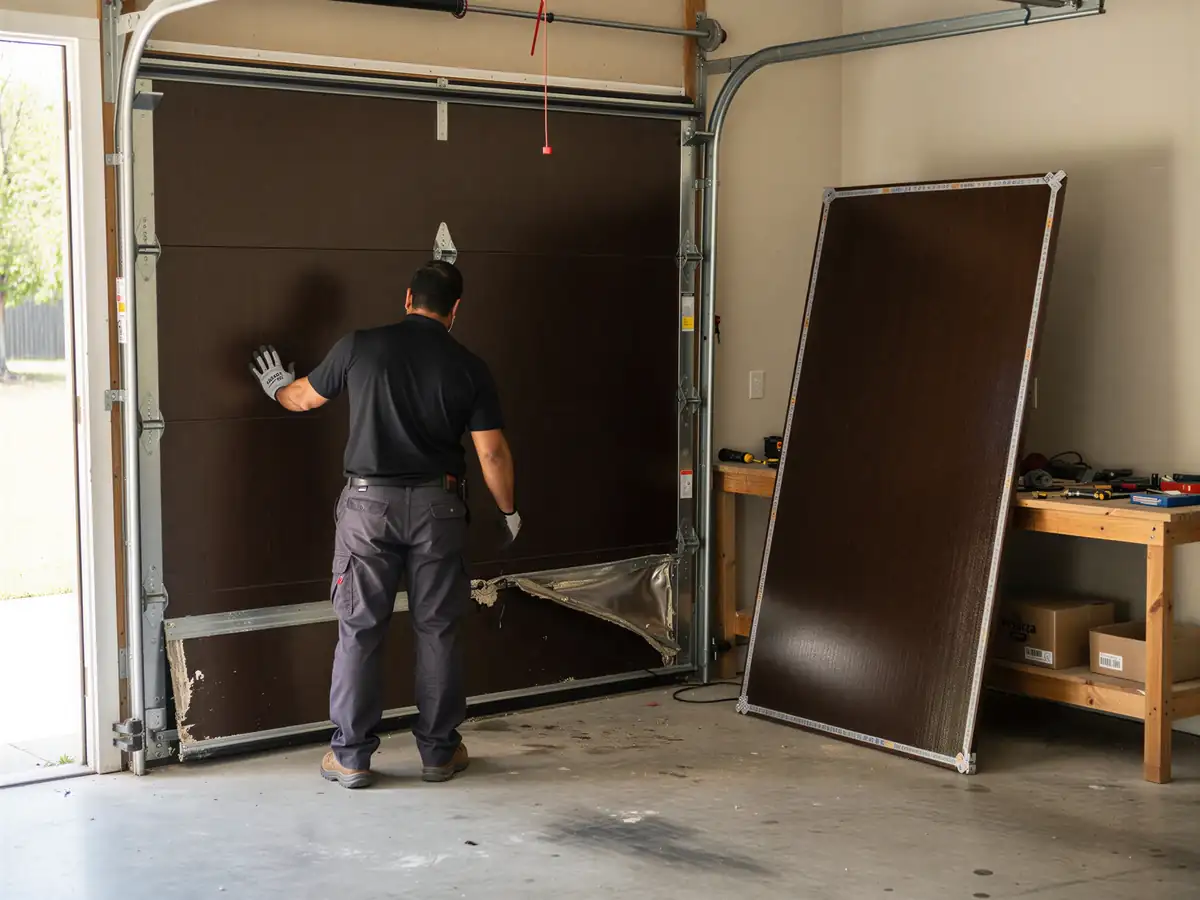
Most houses in Casselberry went up between 1964 and 2004, with the median build year sitting around 1984. That matters more than people think. A door and opener installed when a house was built is now thirty to forty years old, and the fixes that worked on a six-year-old torsion spring don't work the same way on one that's outlasted three decades of cycling. Tightening a loose bracket or swapping a remote battery is fine to do yourself. Replacing a spring on a door that old, re-tensioning cable that's stretched and frayed, or chasing an opener gear that's worn past its original tolerance is a different job, because the hardware underneath is no longer the hardware the manual describes. Across the forty named areas that make up this stretch of Seminole County, the stock leans hard into 1980s and 90s construction, so a lot of what we see is original equipment nobody's touched since the Reagan administration. If your door is from that build window and something feels off - a spring that looks stretched, a track that's bowed, a panel that's rusted at the bottom seam - that's the point where a wrench and a Saturday afternoon stop being enough.
What the Weather Here Does to It
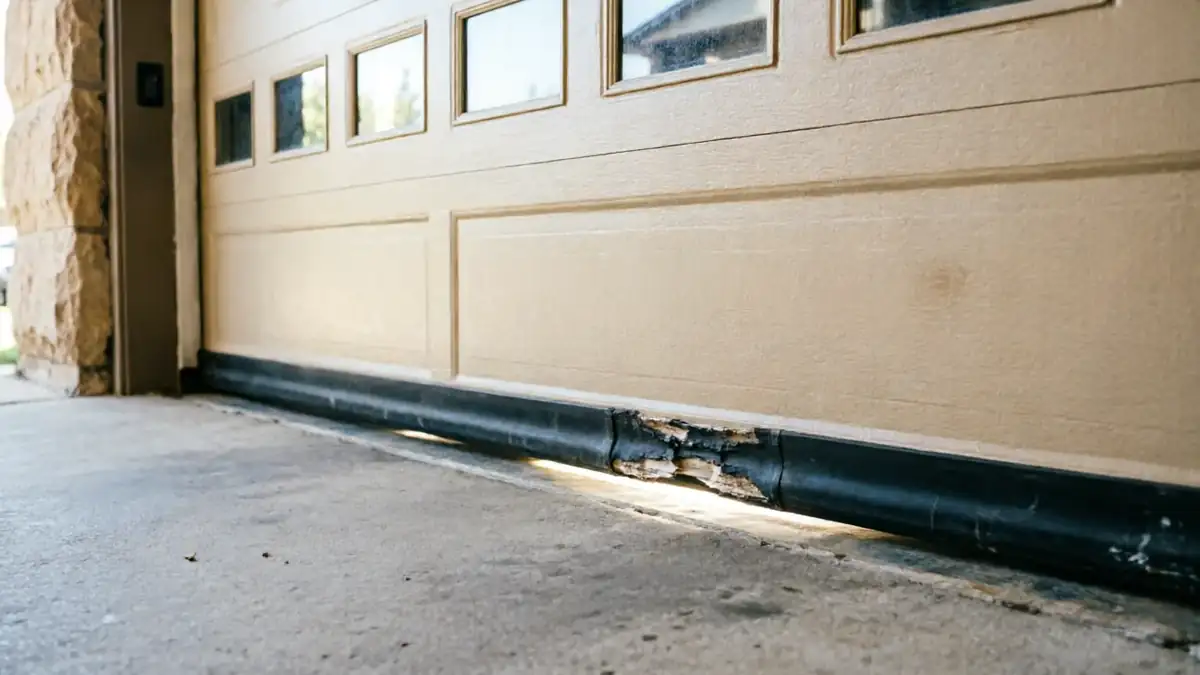
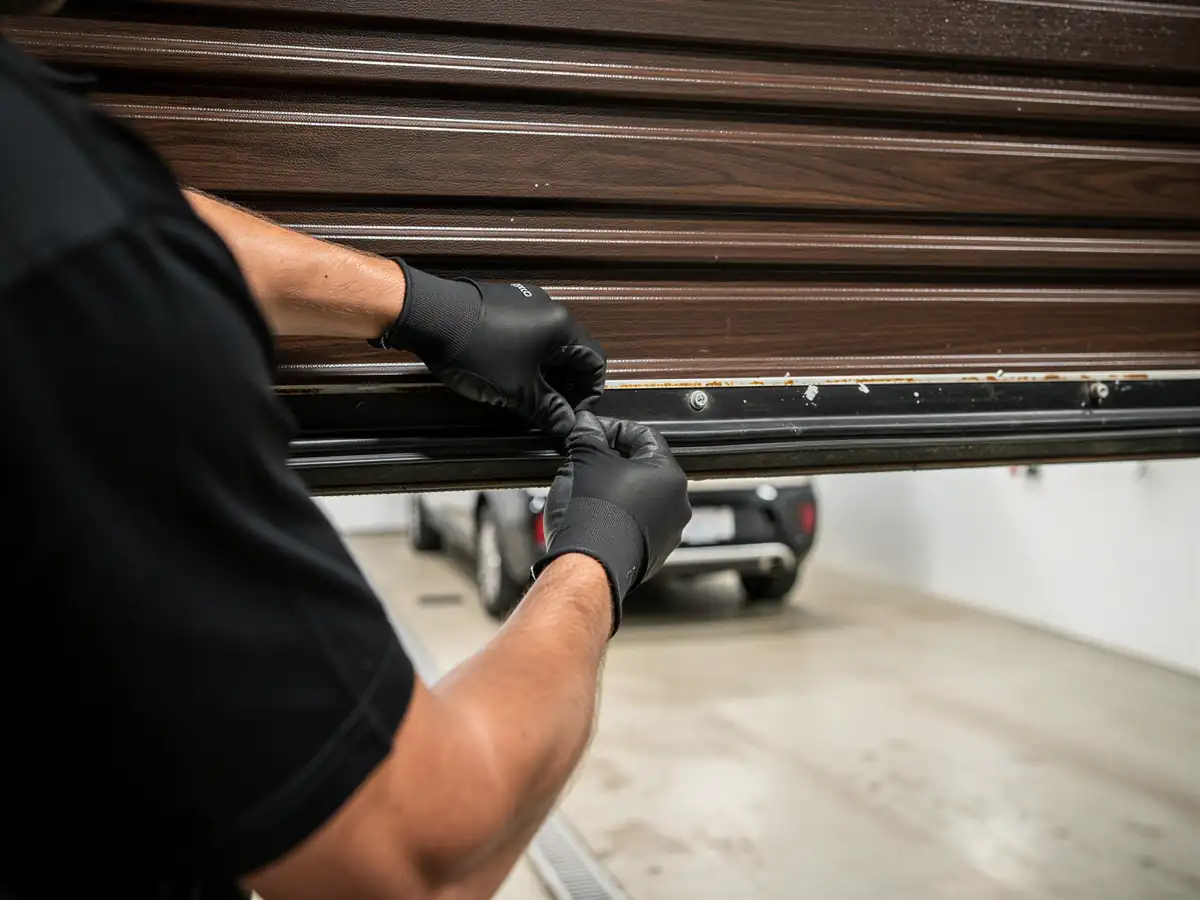
Casselberry sits in a mild temperate band, not a hard freeze zone. That's good news for springs - we don't see the metal-fatigue failures you get where temperatures swing below freezing and back every winter. What we do see is the slow damage that mild, humid air does over years: weather seals and draughts along the bottom panel that dry out, crack, and let moisture work its way into the slab underneath. On a door built in the 1980s or 90s, that bottom seal has usually been replaced once already, if at all, and the gasket channel itself can be corroded enough that a new seal won't seat right. Humidity also gets into unsealed steel panels at the weld points, which is where we find rust bubbling up from the inside out rather than from weather hitting the surface. None of this is dramatic. There's no single storm that takes out a door here. It's steady, unglamorous wear from a climate that never gets cold enough to kill bacteria or dry things out completely, and it adds up fastest on doors that have already seen thirty-plus years of Florida humidity.
The Problem
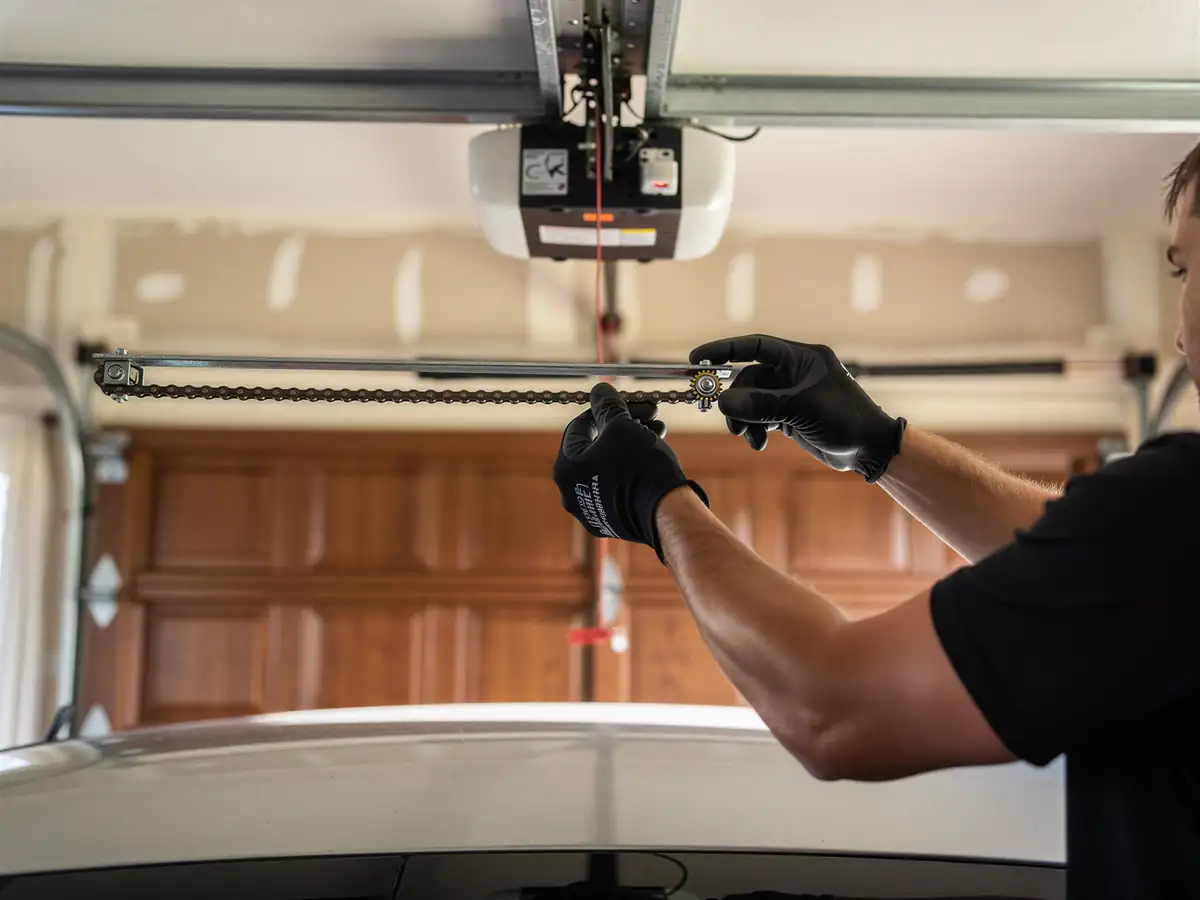
The real issue in a lot of Casselberry houses isn't the door - it's the opener behind it. Housing from the 1964-2004 window, with most of it clustered in the 80s and 90s, came standard with chain-drive openers built to specs that predate today's belt-drive and smart-opener standards. Those units still run, often for years past when they should have been retired, but the motor capacitors and gear sets inside are original-era parts. When one fails, it doesn't always fail clean - sometimes it's a slow grind that gets worse over months, sometimes the door reverses itself for no clear reason, and homeowners spend weeks assuming it's the sensors. With 76,765 owner-occupied houses across the service area and a median household income of $82,768, most owners here are weighing a repair bill against a full replacement, not shopping for an upgrade for its own sake. That's a fair way to think about it. If the opener motor itself has gone, in most cases it's more cost-effective to replace the unit than to hunt down parts for a thirty-year-old chain-drive - we'll tell you straight when that's the case instead of patching something that'll fail again in six months.
The Seasonal Bit
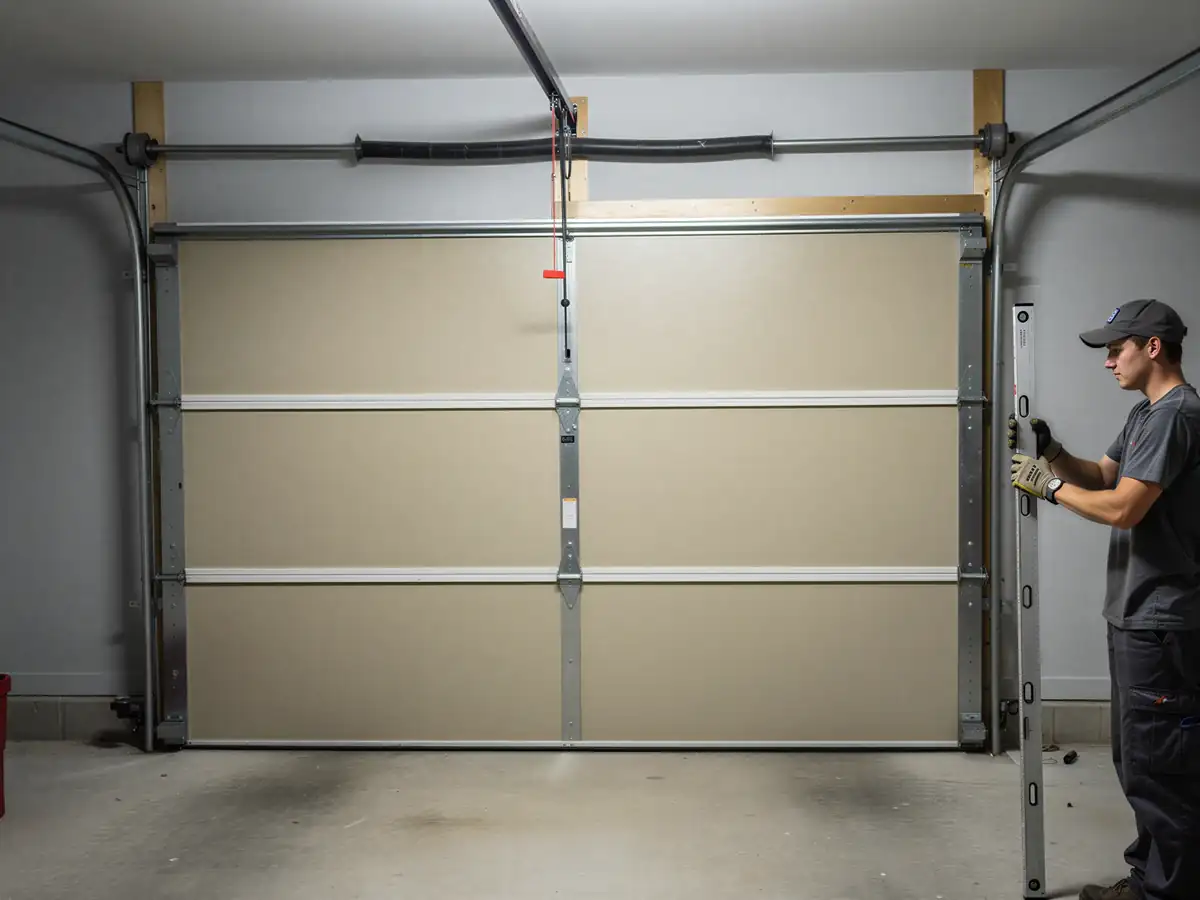
There isn't much of a hard seasonal swing to plan around here - Casselberry's mild temperate climate means we don't get the deep-freeze spring snaps or the ice-locked tracks that shops further north deal with every January. What we do get is a humidity cycle: wetter months that swell wood jambs and trim around the door opening, and drier stretches that let that same wood shrink back and pull fasteners loose. On houses from the 1980s and 90s stock that makes up most of this area, that cycle has been repeating for decades, and it's usually the trim and header, not the door itself, that's shifted out of square. One honest limitation: we don't do cosmetic trim carpentry or stucco repair around the opening - if the header's rotted or the stucco's cracked from years of that swell-and-shrink cycle, that's a call for a contractor, and we'll say so rather than take a job outside what we do. What we will do is make sure the door and track are plumb and sealed against whatever's left of the opening, so the mechanical side isn't fighting a crooked frame.
How it works
From “it’s stuck” to “it’s fixed”
01
Tell us what’s wrong
Describe the symptom - won’t open, loud bang, opener runs but the door won’t move.
02
On-site diagnosis
A technician tests the door under power and by hand and finds what actually failed.
03
Clear, up-front plan
You get the fix that’s needed and what drives the cost - before any work starts.
04
Repaired & tested
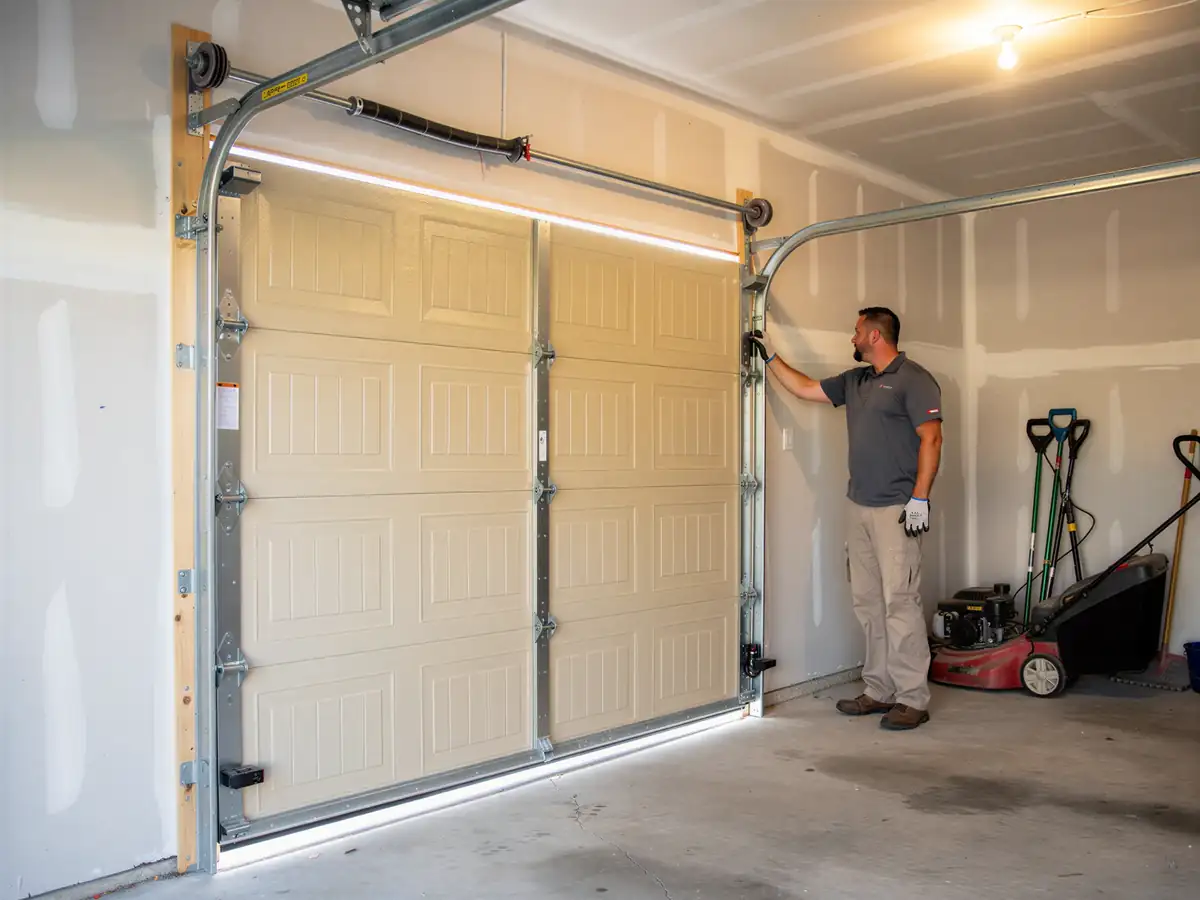
The repair is done, the door is set true and tested, and the work area left clean.
Not sure which repair your door needs in Casselberry, FL? Describe what it’s doing - every job starts with a diagnosis.
Straight answers about garage door repair in Casselberry. Still unsure? Ask us directly.
Is my garage door opener too old to repair?
If your house was built in the 1980s or 90s, which covers most of this area, your opener may be an original chain-drive unit. If the motor or gear set has failed, parts for that generation are often harder to source than a new belt-drive opener, so replacement is usually the more cost-effective call. We'll check the unit and tell you honestly which way it leans.
Does Casselberry's climate cause specific garage door problems?
We're in a mild temperate band, so we don't see the freeze-related spring failures that colder regions deal with. What we see instead is slow humidity damage - cracked bottom seals, corroded gasket channels, and rust starting from the inside of steel panels where moisture sits over years rather than a single weather event.
Do you handle the wood trim around my garage door opening?
No. If the header or trim has rotted or the stucco around the opening has cracked from years of humidity swelling and shrinking the wood, that's carpentry or stucco work outside what we do. We'll make sure the door and track are properly aligned and sealed, and point you toward the right type of contractor for the rest.