Replacing a garage door in Casselberry? See why 1980s tract-home framing changes install cost, what the common failure looks like, and how to book a measured quote.
We can't give you a number here without seeing the opening, and we won't pretend otherwise. What drives the price on a Casselberry install is almost always the same two things: what's behind the existing door, and what you're putting in its place.
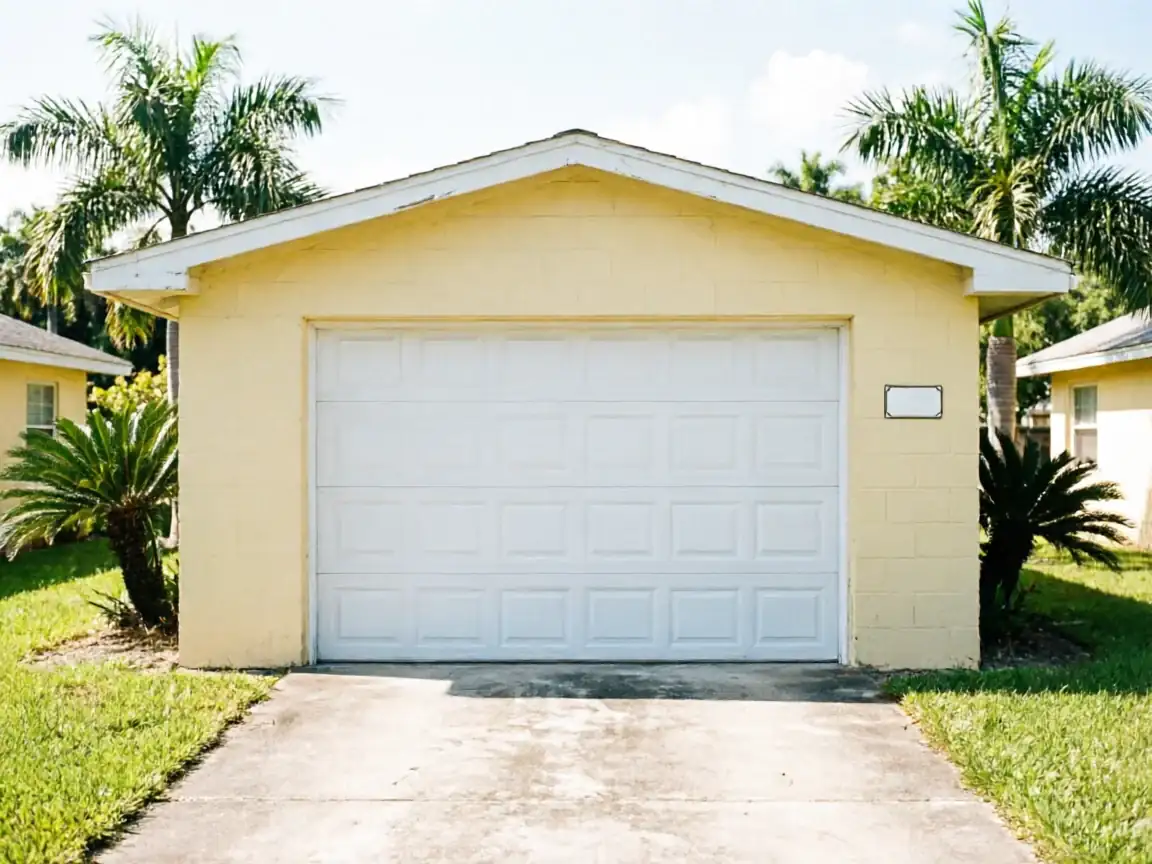
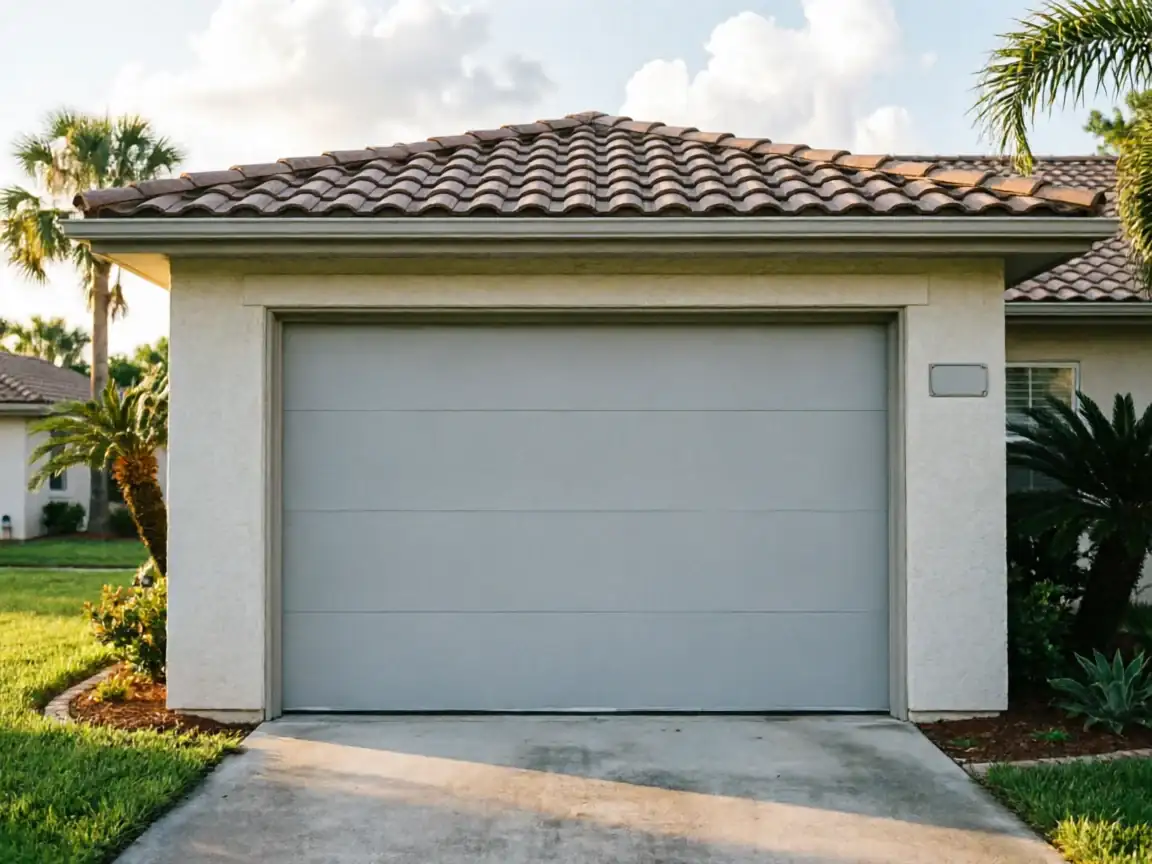
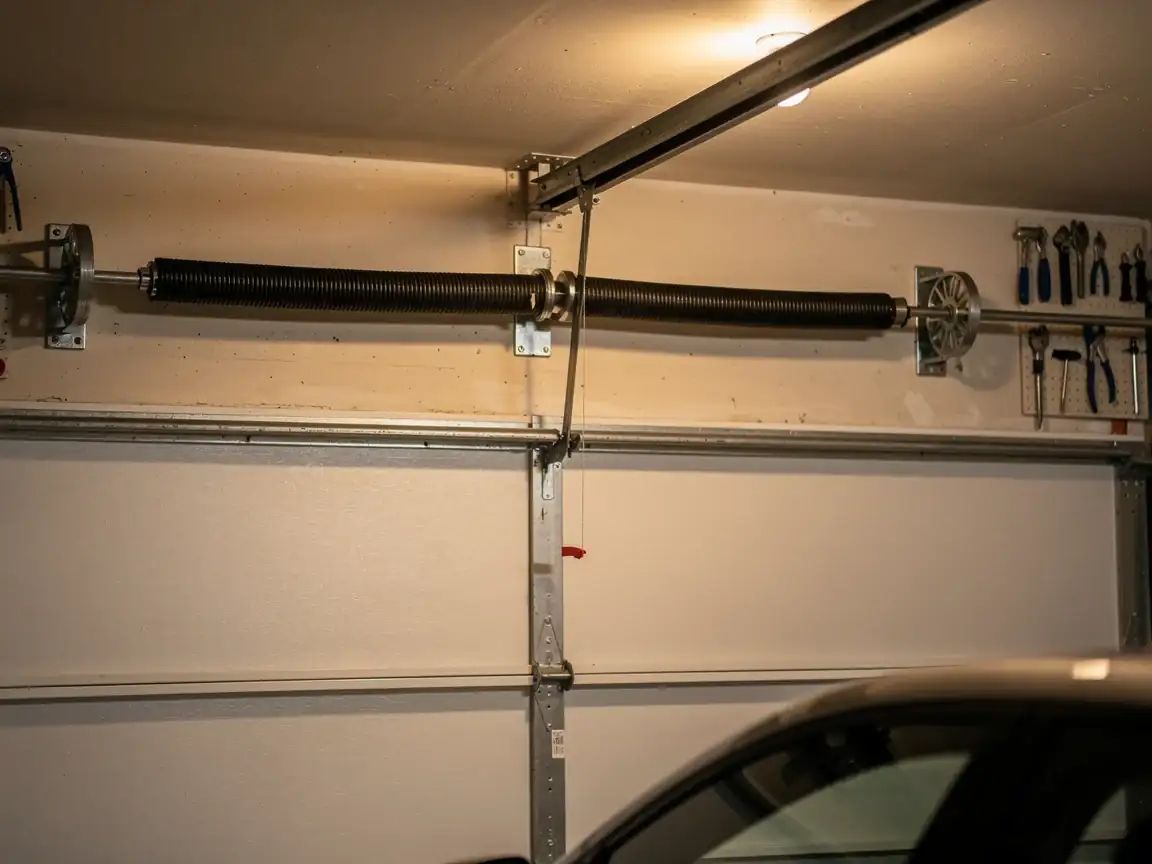
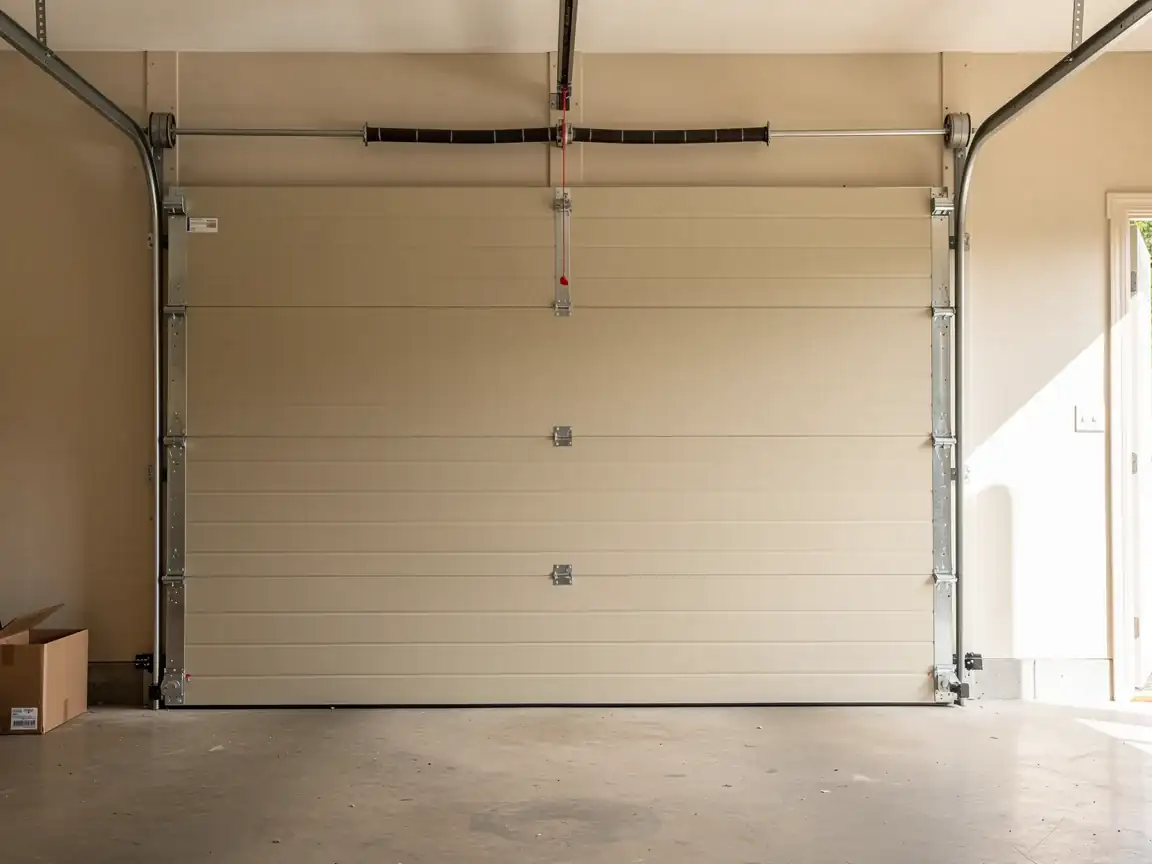
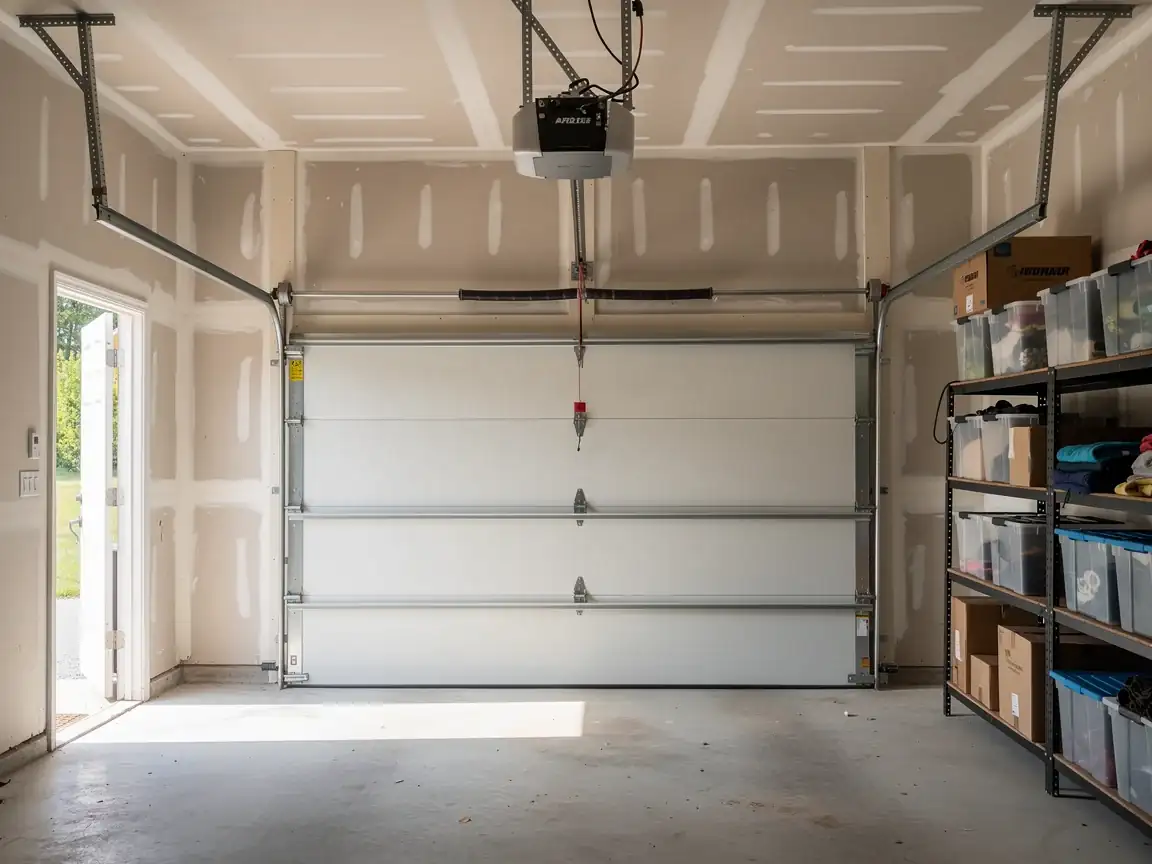
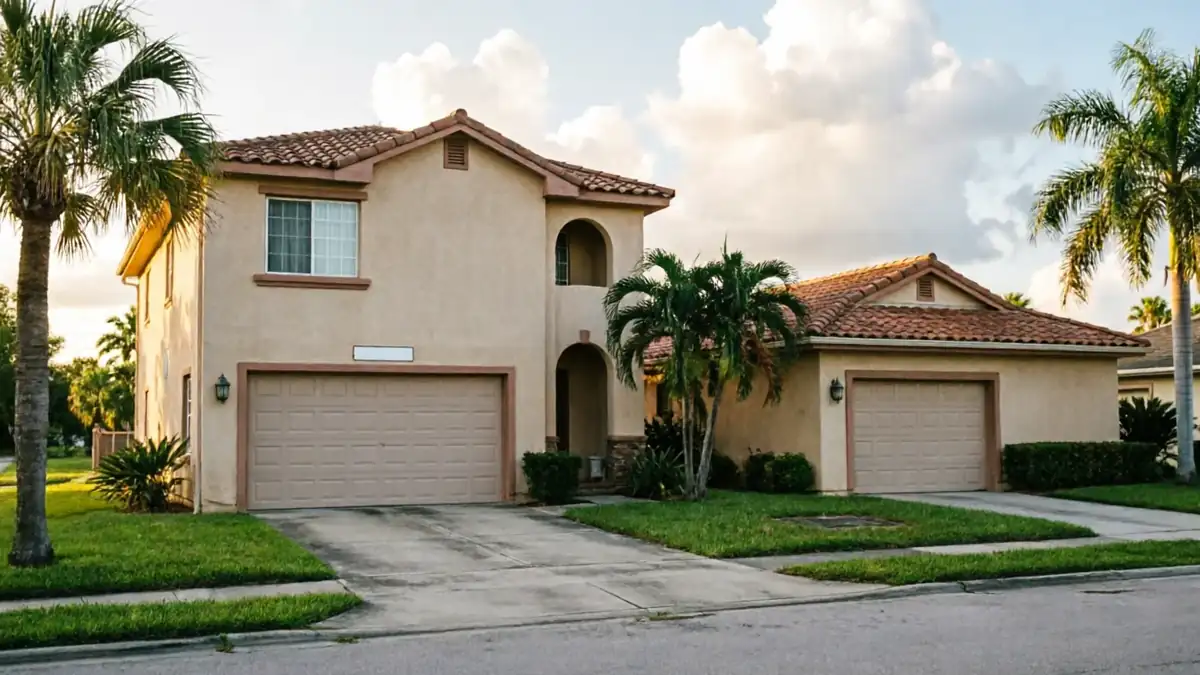
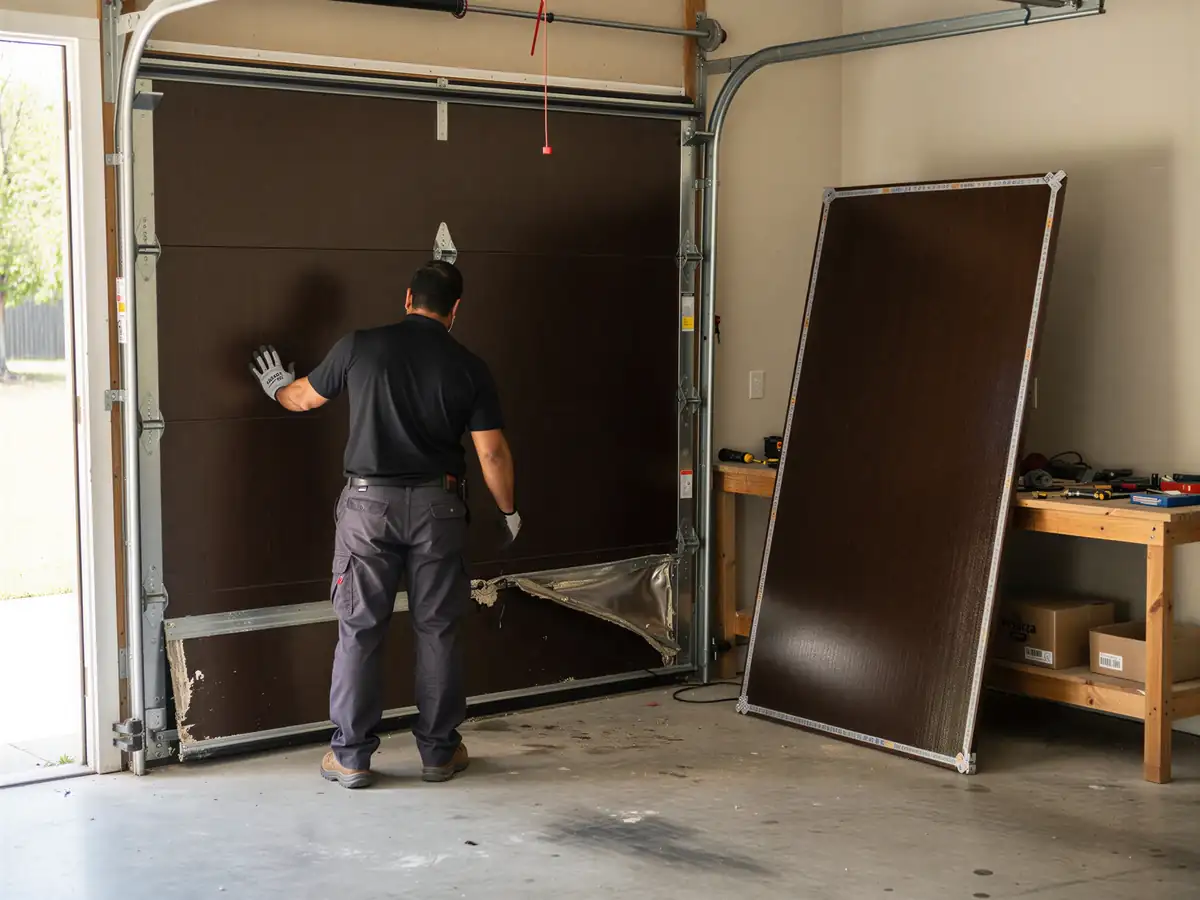
Most of the service area went up between 1964 and 2004, with the bulk of it built in the 1980s and 90s. That means a lot of garages were framed to a builder-grade opening size that doesn't match current door lines exactly. If your track, header, or jamb needs reframing to fit a standard door, that's labor and lumber on top of the door itself. If the opening is original and square, the swap is simpler and faster.
The other variable is the opener. A straight door swap onto an existing opener is one job. A door plus a new opener, new track, and new wiring is a different job entirely. We price both separately so you're not paying opener money on a door-only call.
We quote on site, not over the phone, because every one of those variables changes the number. A fair price on a 1986 Casselberry garage can be a bad price on a 1998 one three streets over, and guessing at either does you no favors.
The Symptom
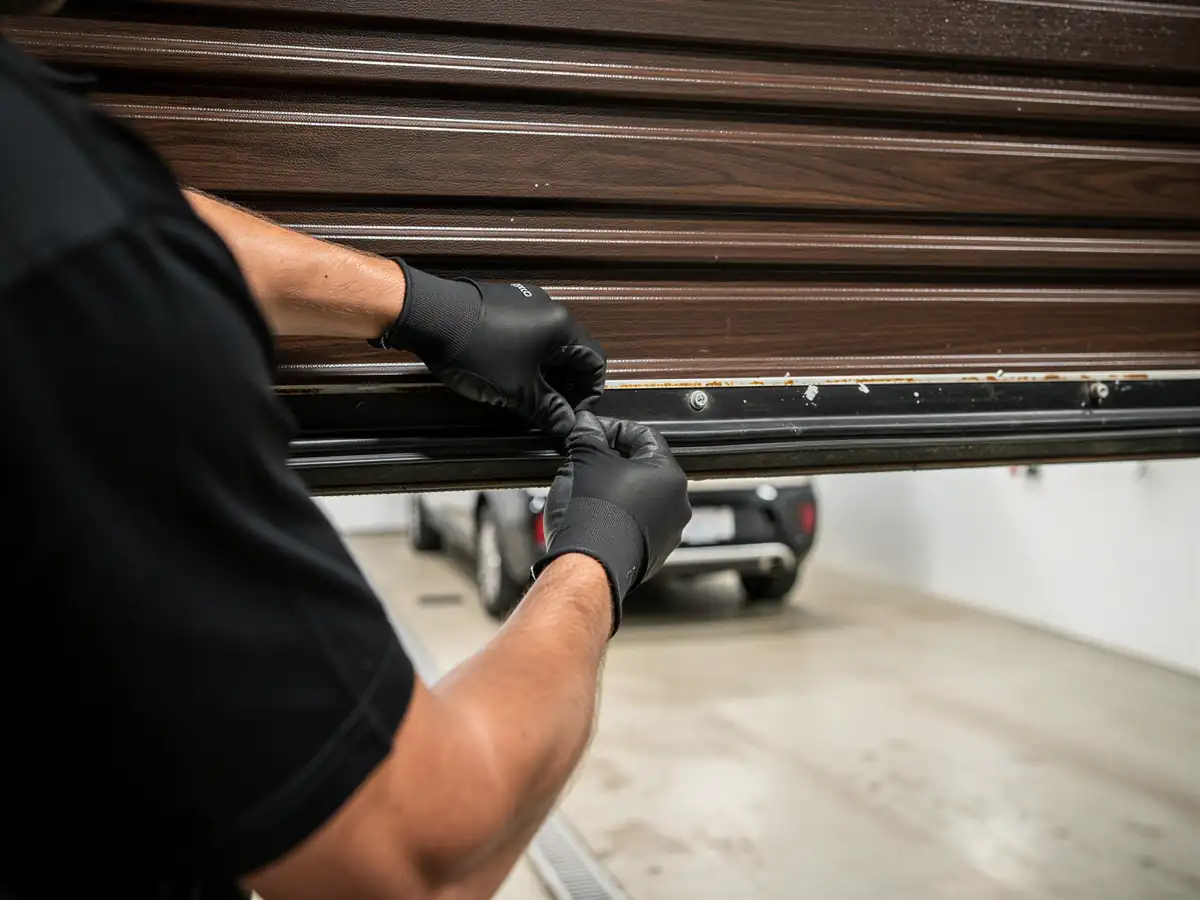
The call usually starts the same way: the door looks fine, but it won't seal at the bottom corners anymore, or it racks slightly going up and comes down crooked. Sometimes it's a panel that's bowed just enough that the door binds in the track on hot afternoons and frees up again once things cool off.
That's not a spring problem and it's rarely a track problem, even though it feels like one. It's the door itself - steel or wood-composite panels from the 80s and 90s flexing with Central Florida's heat and humidity cycles, which this region sits in year-round under a mild temperate climate band. A door that's thirty-plus years old has been through that cycle thousands of times, and the seams and hinges show it before the opener does.
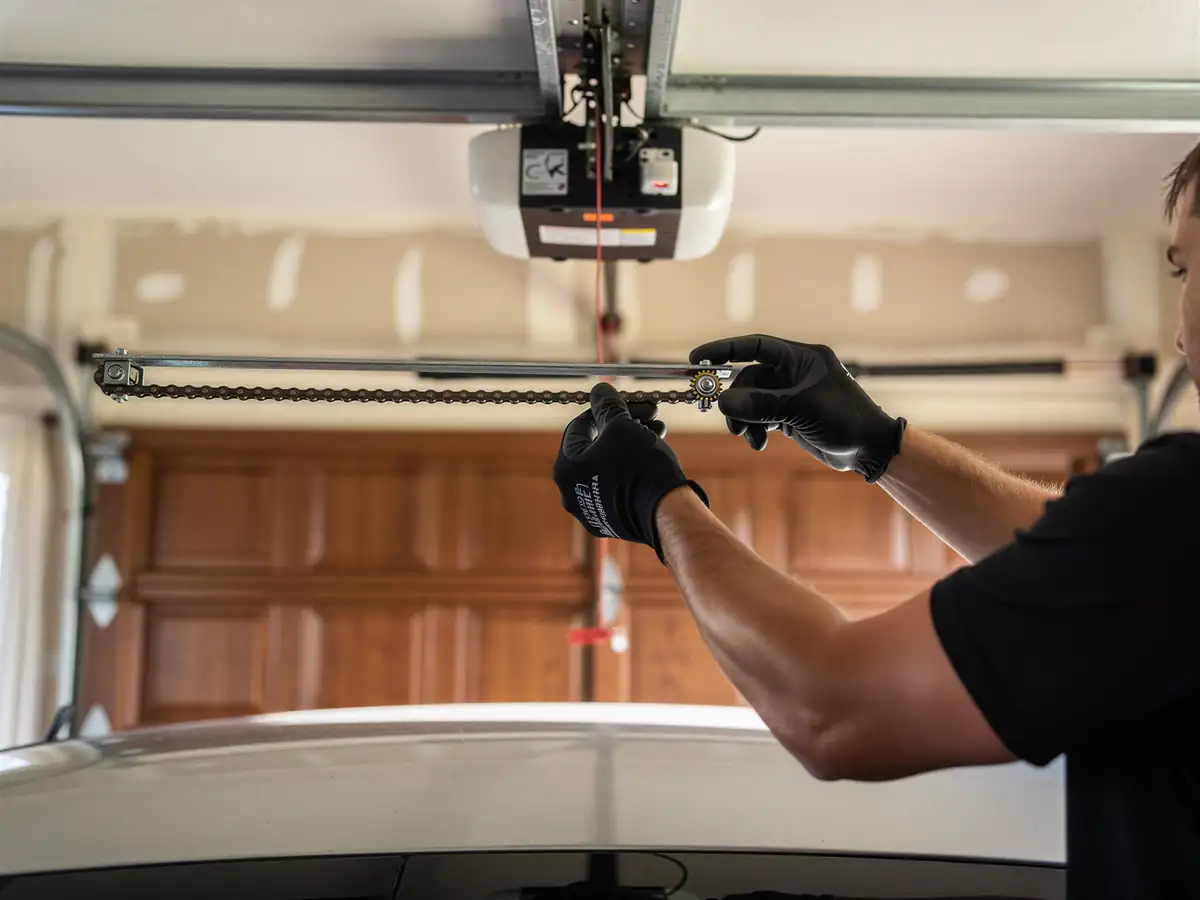
If your opener is straining, reversing early, or the chain is slapping, check the door panels first. An opener working harder to lift a door that's gone slightly out of square will burn itself out trying to compensate, and replacing the opener without addressing the door just moves the same symptom down the road a year or two.
Why This Fails Locally
01
Casselberry's housing stock is heavy on homes built in the 1980s and 90s
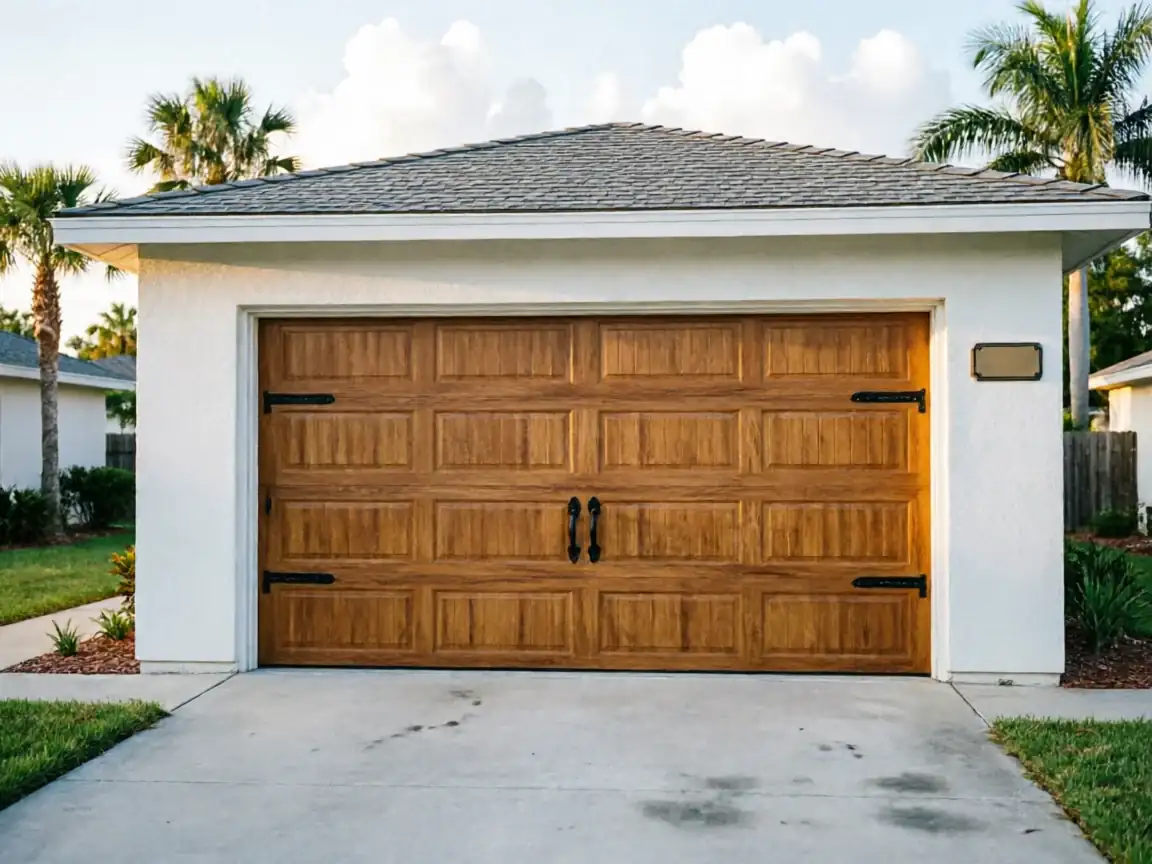
Part of a broader run of construction across the area from 1964 through 2004. Garage doors from that era, especially the steel sandwich panels and early insulated models, weren't built for forty years of Central Florida humidity and heat swings. The glue lines on wood-look composite panels let go. Steel skins delaminate from their foam core at the edges. None of that is a defect - it's just what happens to that generation of door in this climate band after three or four decades.
02
The mild temperate conditions here don't bring the freeze-thaw cracking you'd worry about further north
But they do bring sustained heat and moisture that slowly breaks down adhesives and foam fill from the inside. You often can't see it until the panel bows or the bottom seal stops meeting the slab.
03
This is why installation, not patch repair, becomes the right call on a lot of these original or early-replacement doors
The failure is in the material itself, not a single broken part, and a new door built for current standards holds up better against the same conditions than another repair on the old one will.
How to Book
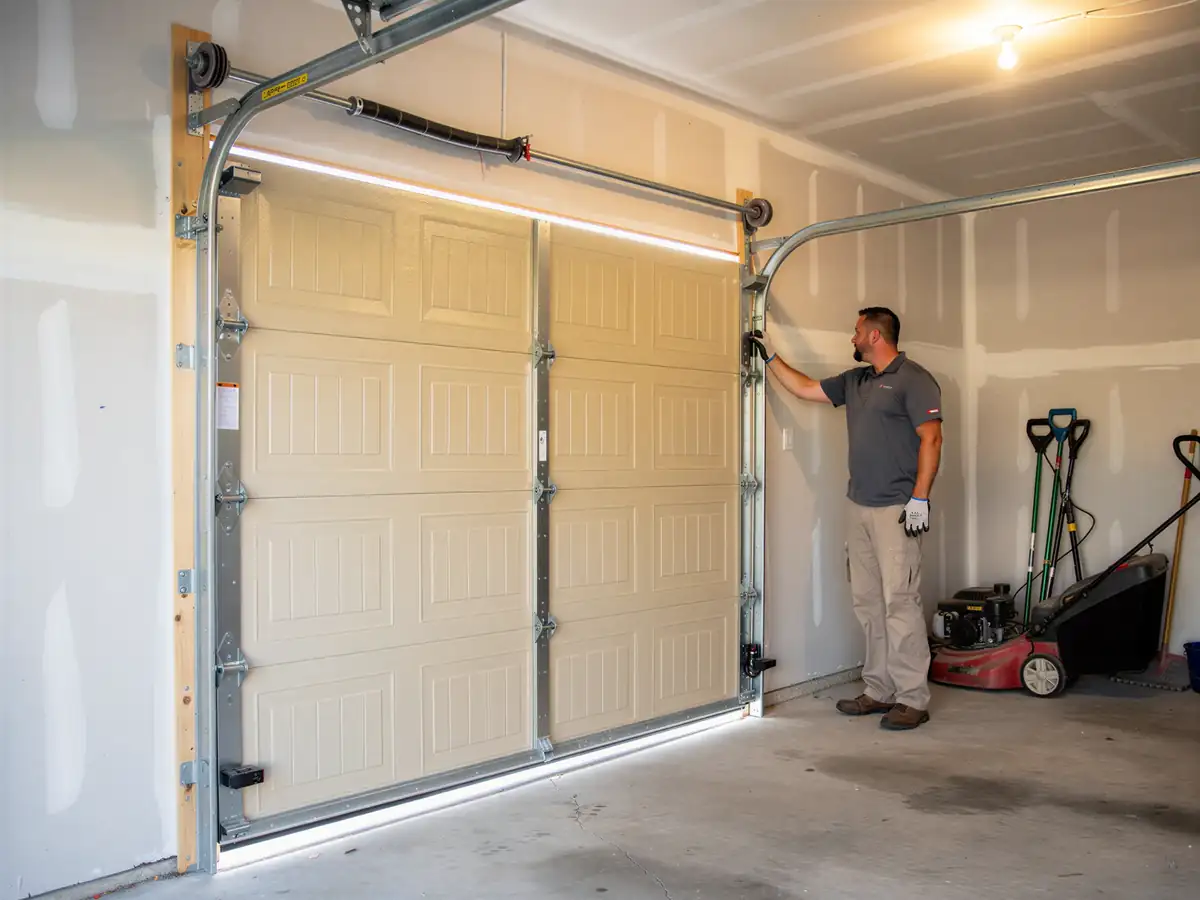
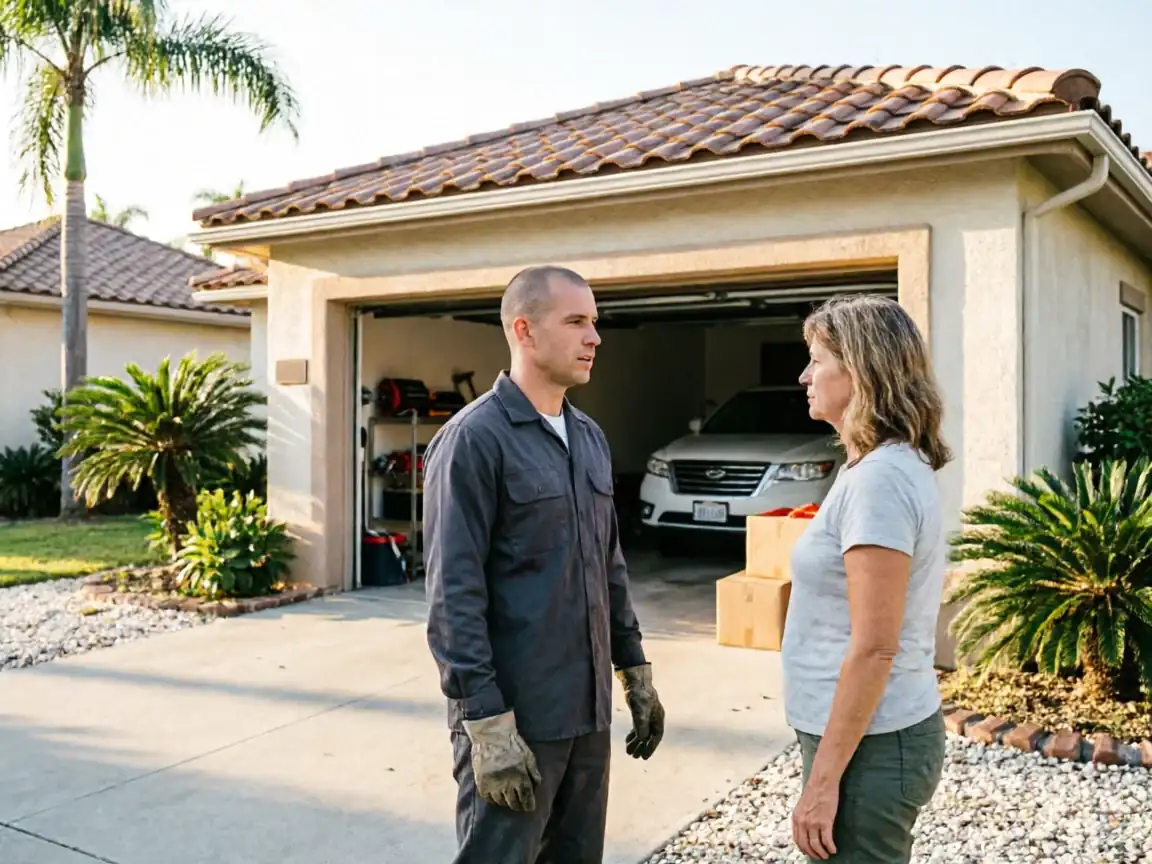
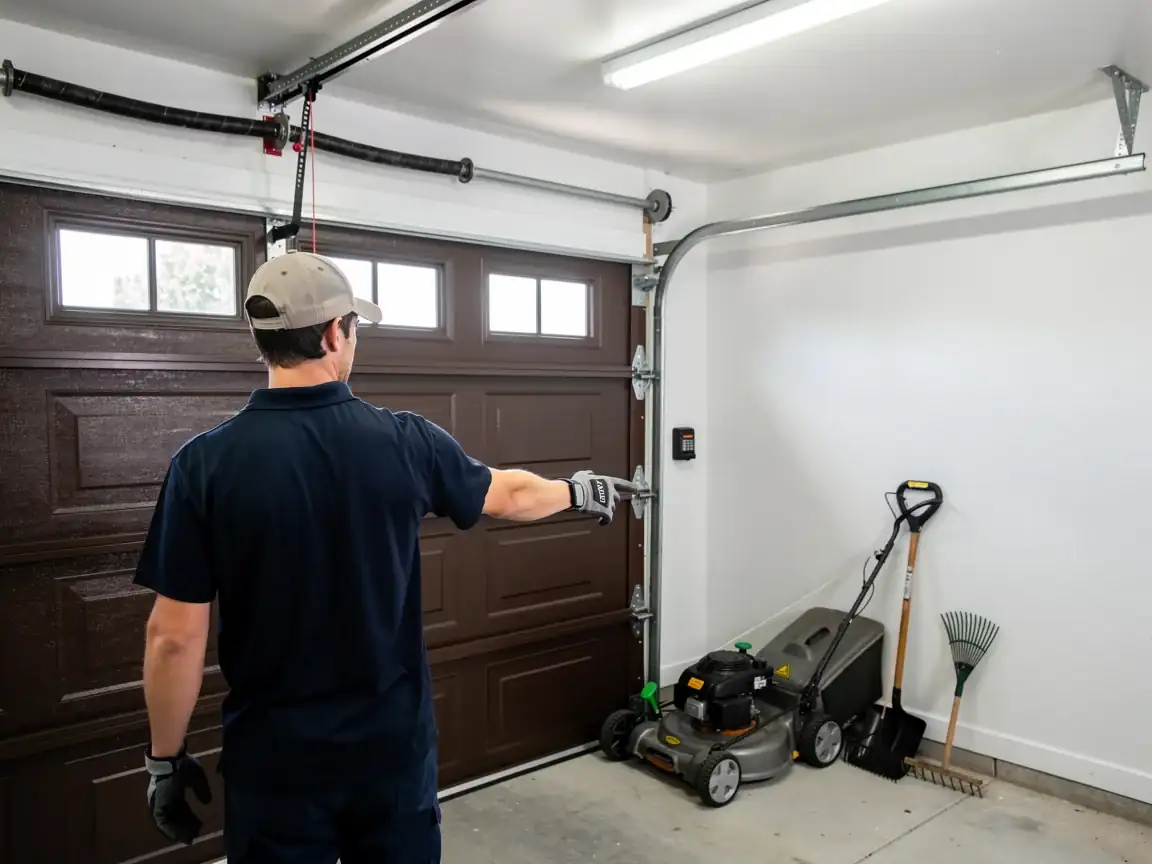
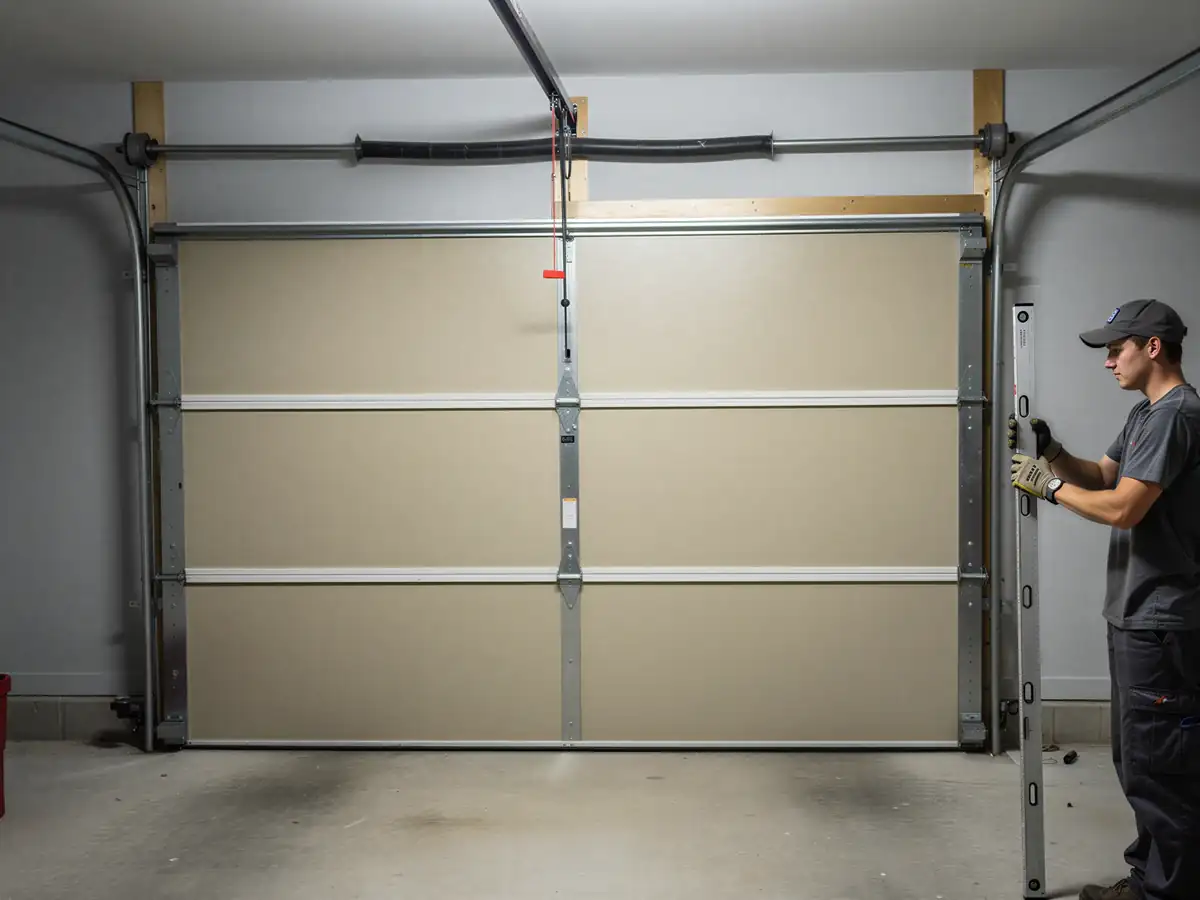
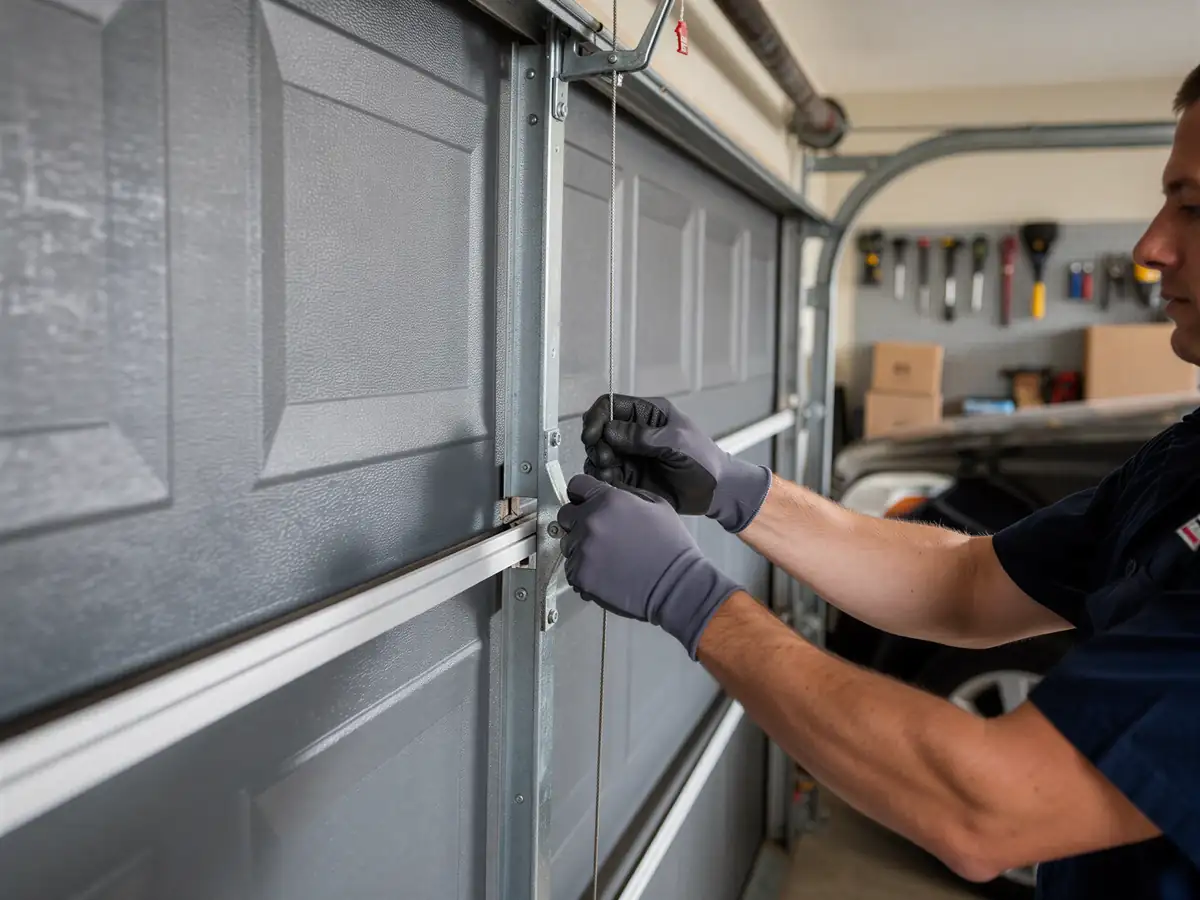
If your door is original to a 1980s or 90s Casselberry build and it's bowing, binding, or not sealing, the first step is a look at the actual opening - not a phone estimate. We measure the frame, check the track and header condition, and tell you straight whether you need a new door, a new opener, or both.
We don't install doors we haven't measured for first. If that means a short wait to get someone out, that's the honest tradeoff for not guessing on sizing or hardware. Head to our home page to get in touch and set up a time.
How it works
From “it’s stuck” to “it’s fixed”
01
Tell us what’s wrong
Describe the symptom - won’t open, loud bang, opener runs but the door won’t move.
02
On-site diagnosis
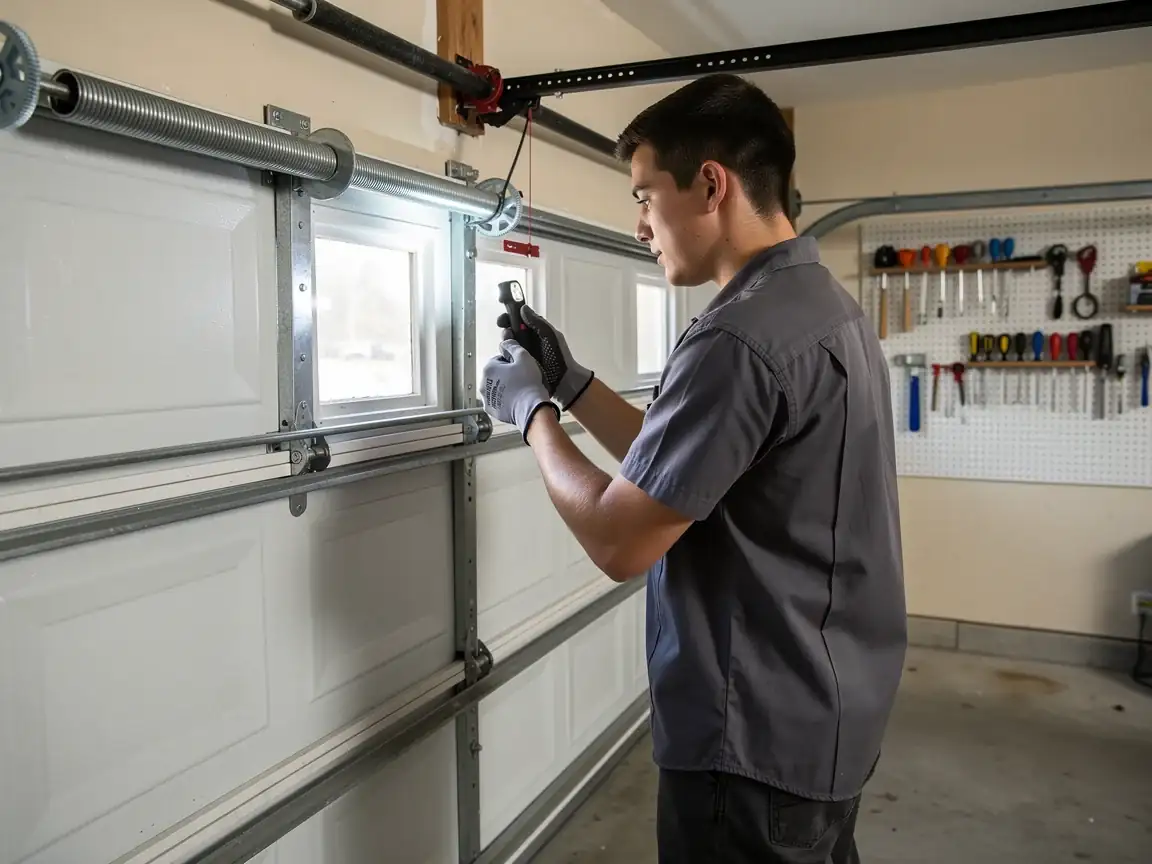
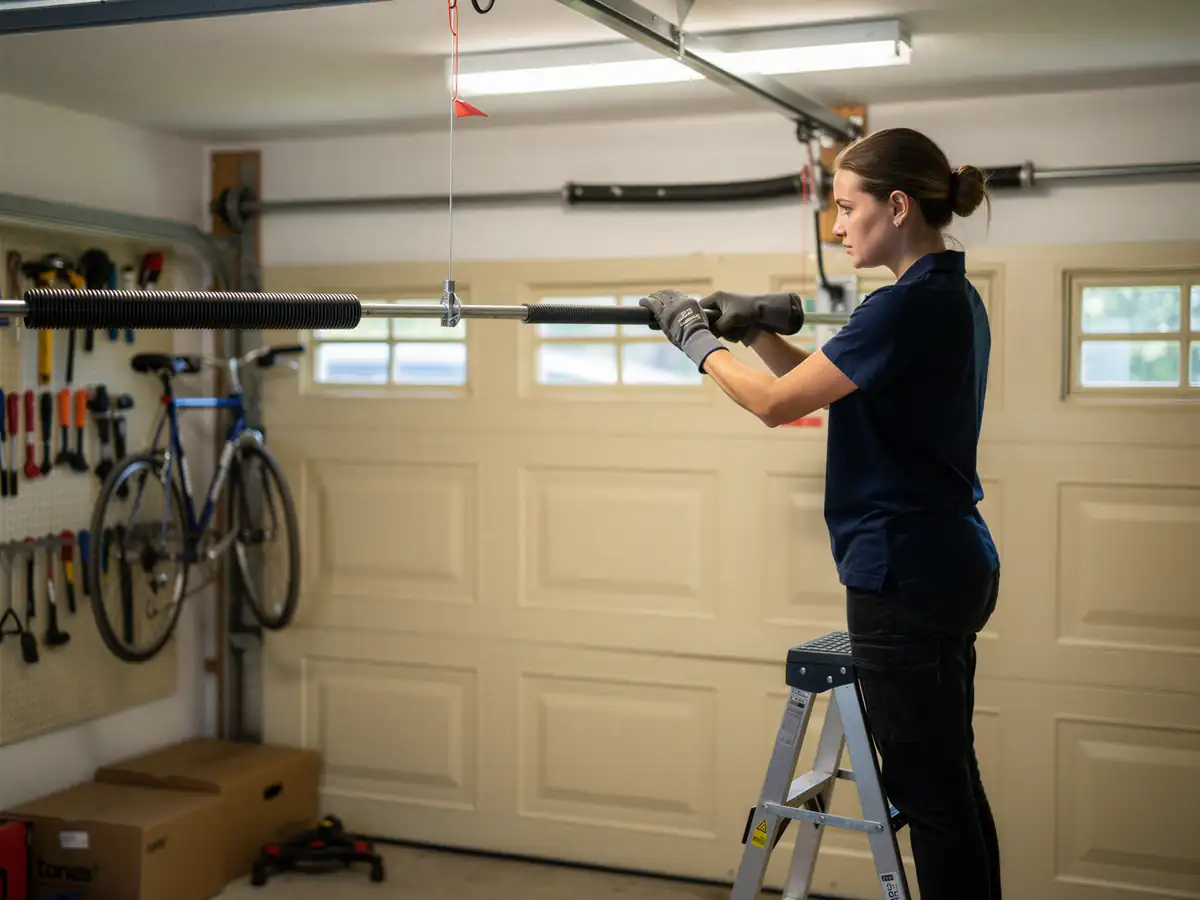
A technician tests the door under power and by hand and finds what actually failed.
03
Clear, up-front plan
You get the fix that’s needed and what drives the cost - before any work starts.
04
Repaired & tested
The repair is done, the door is set true and tested, and the work area left clean.
Not sure which repair your door needs in Casselberry, FL? Describe what it’s doing - every job starts with a diagnosis.
Straight answers about garage door repair in Casselberry. Still unsure? Ask us directly.
Why does my garage door bow in the middle after 20-30 years?
Most doors that age in this area are steel-skin or composite panels with a foam core, and the adhesive and foam break down slowly under sustained heat and humidity. Once the skin separates from the core, the panel loses rigidity and bows. It's a material-age issue, not something a repair fixes long term.
Will a new door fit my existing opener?
Often, yes, if the opener is in good shape and rated for the new door's weight. We check that on site before quoting, because pairing the wrong door weight with an old opener just shifts the strain from the door to the motor.
Do you give a price without seeing the garage?
No. Opening size, frame condition, and whether you're adding a new opener all change the cost, and those vary even between houses built the same year in Casselberry. We measure first and quote off what we actually find.
How long does an install take once it's booked?
That depends on whether the existing frame and track need rework or just a straight door swap. We'll tell you which situation you're in after we look at the opening, not before.