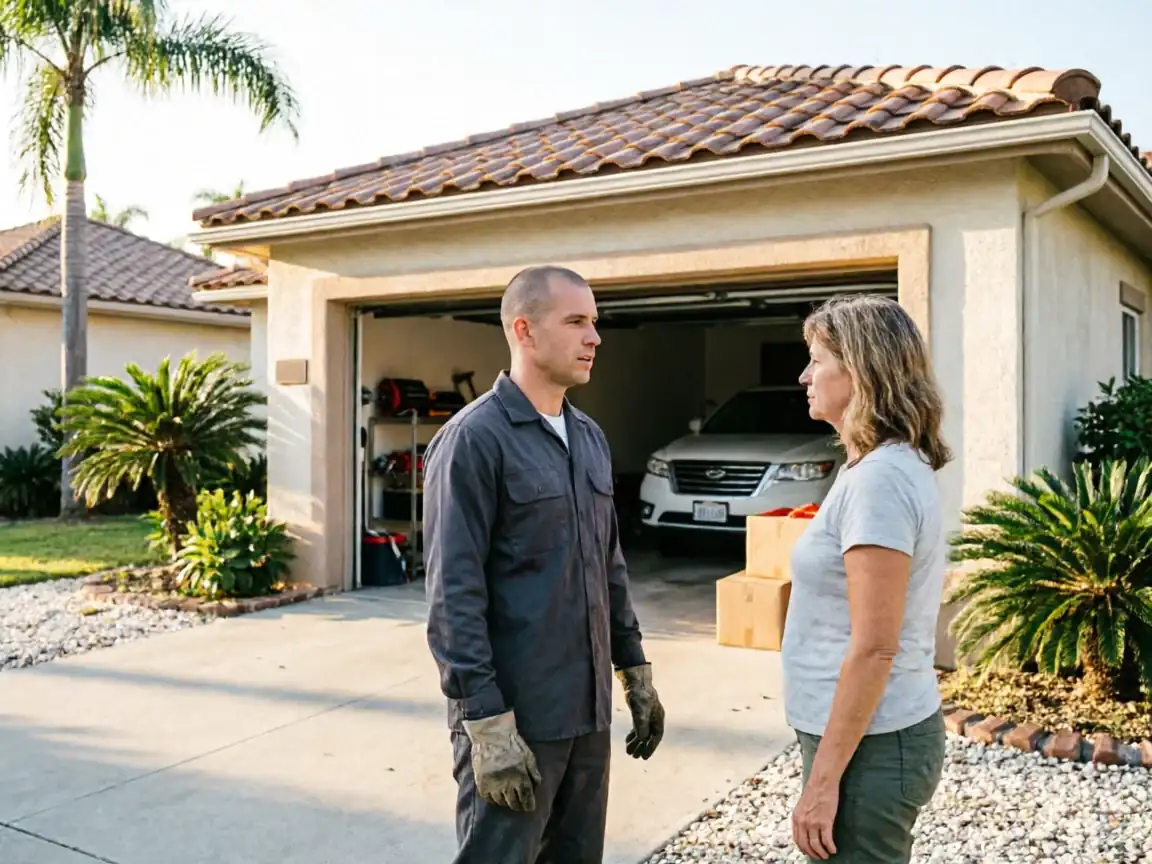
Casselberry Garage Door Pros works on Lake Butler homes built mostly around 2004, about 18 miles out, handling the newer-era spring, opener and track failures these houses actually get.
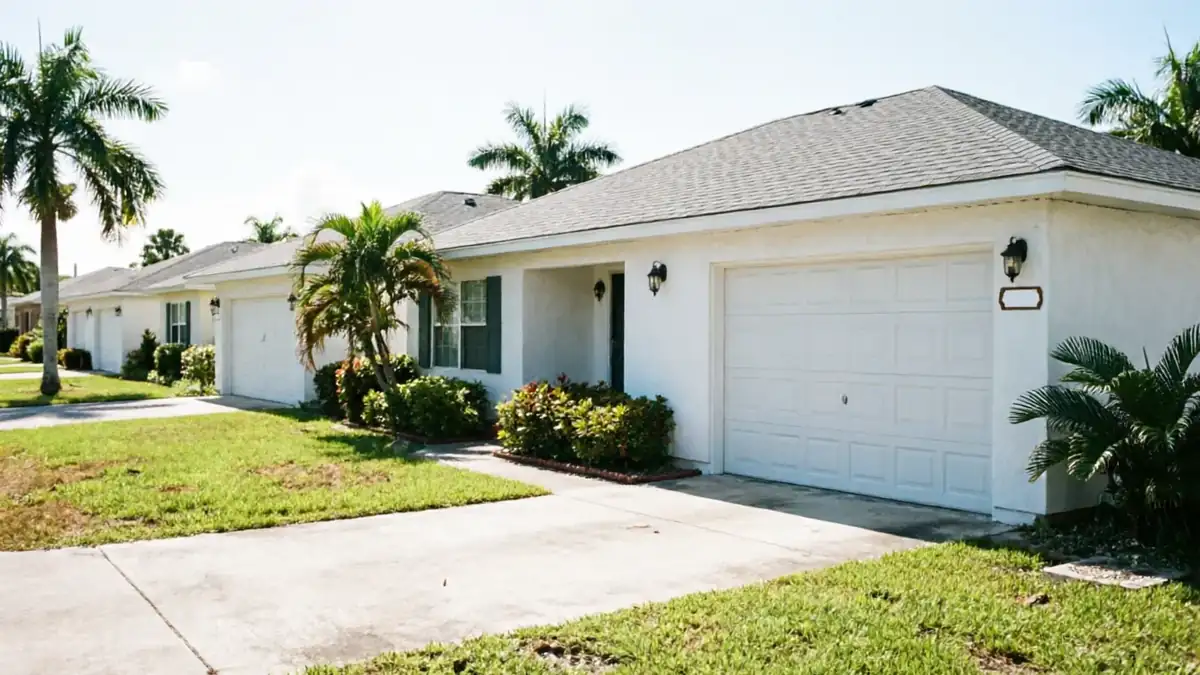
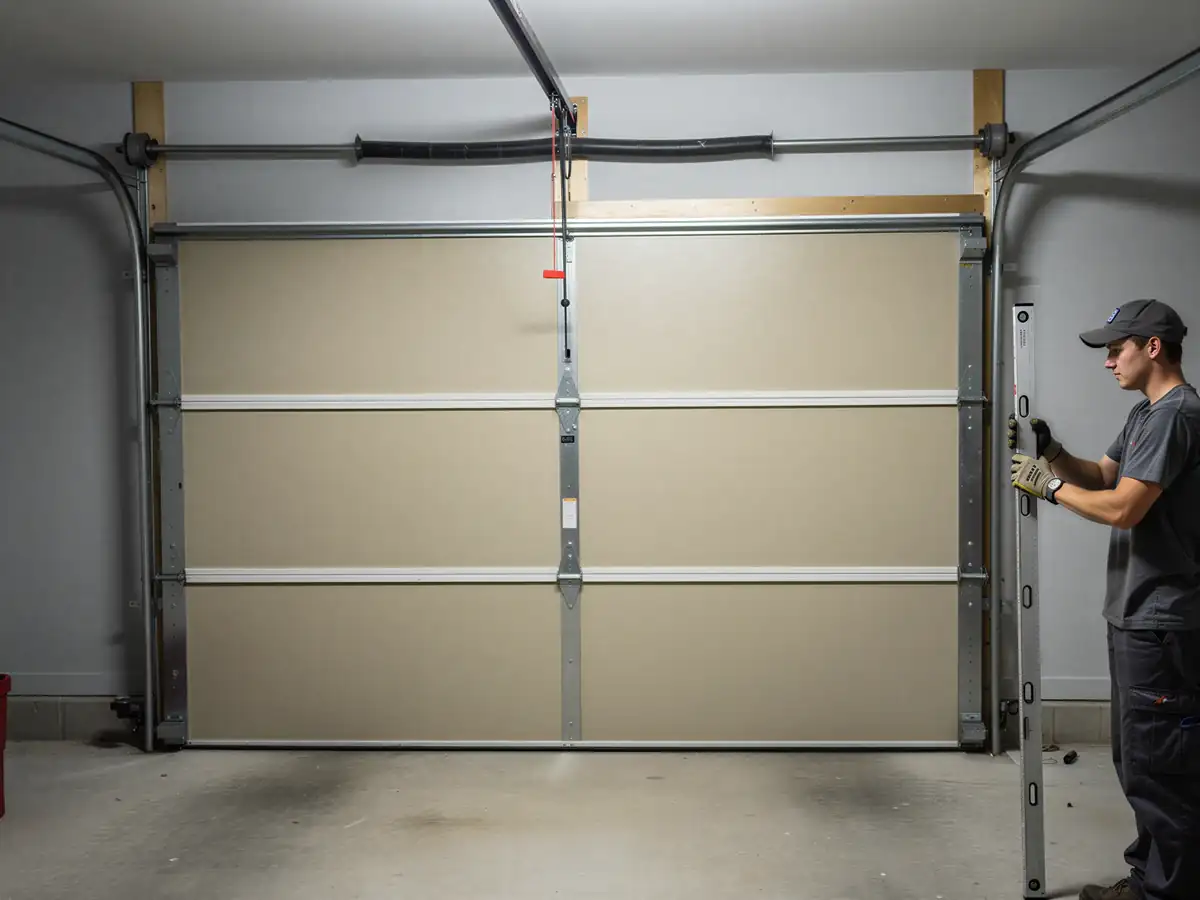
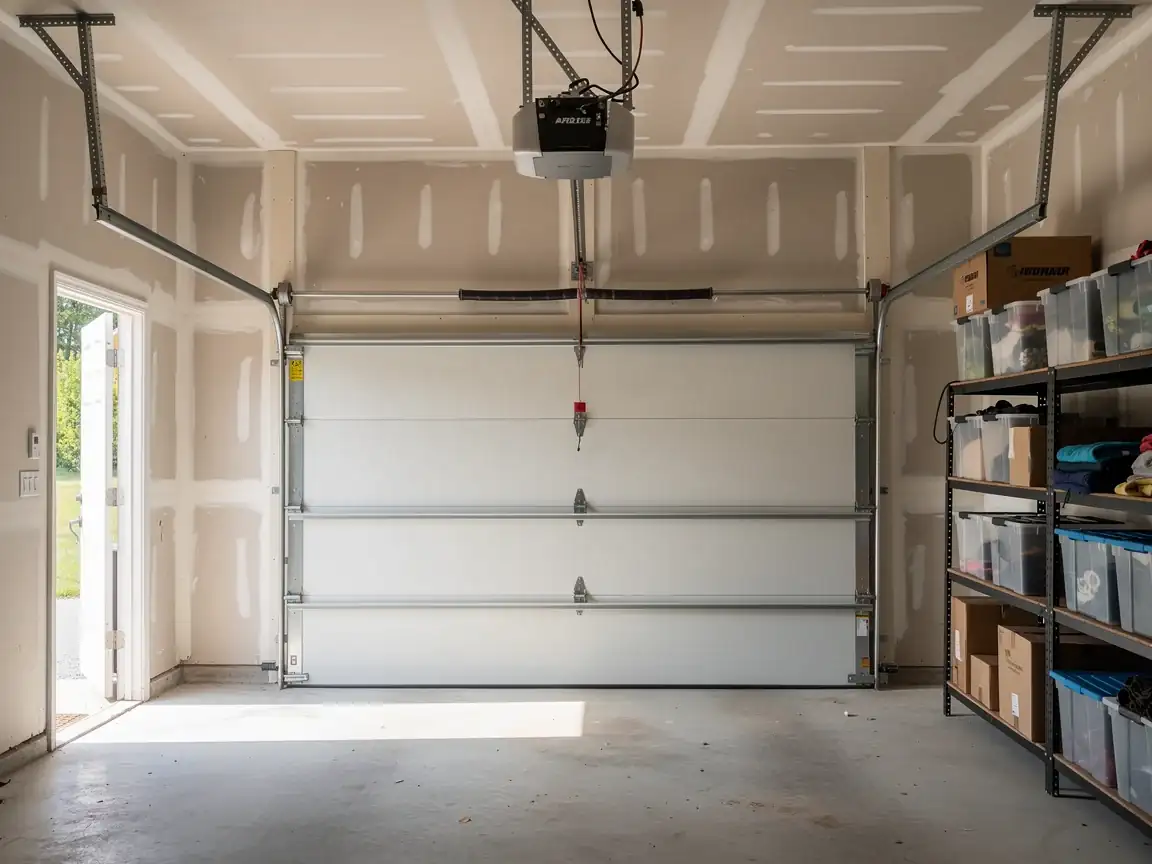
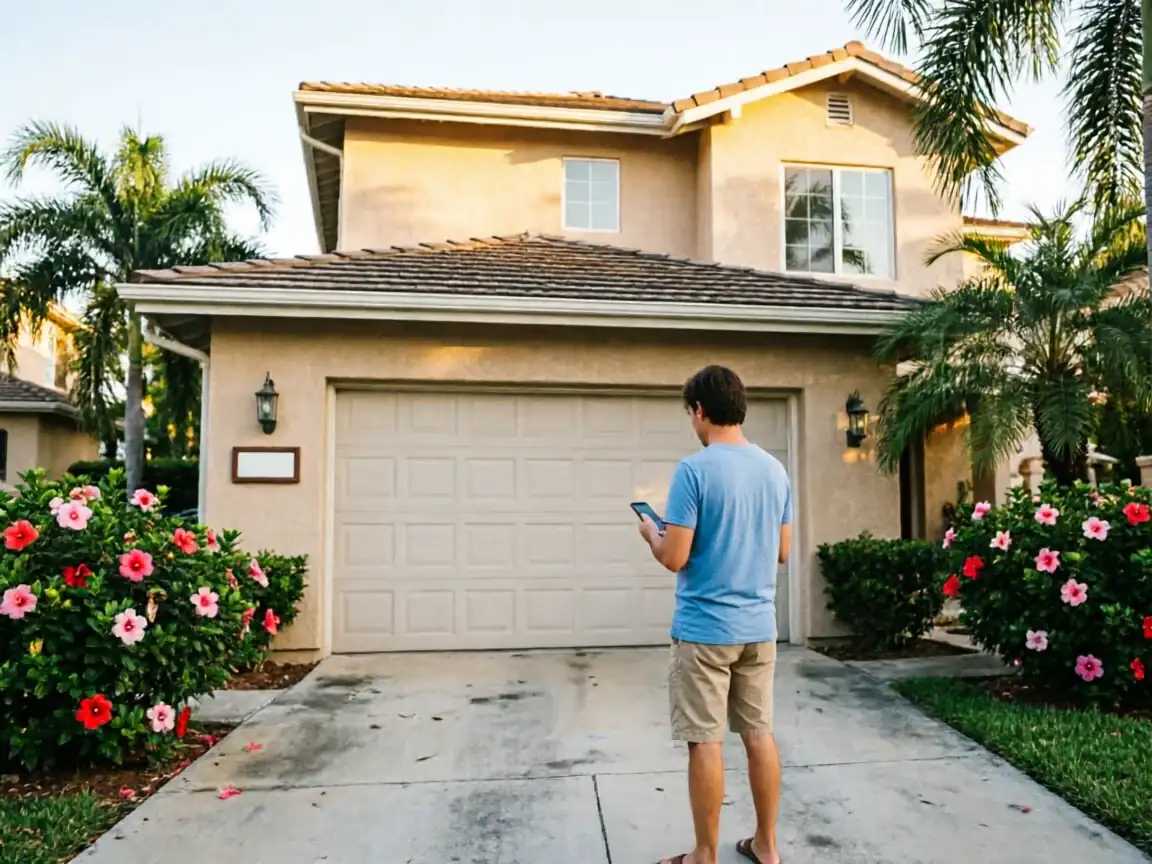
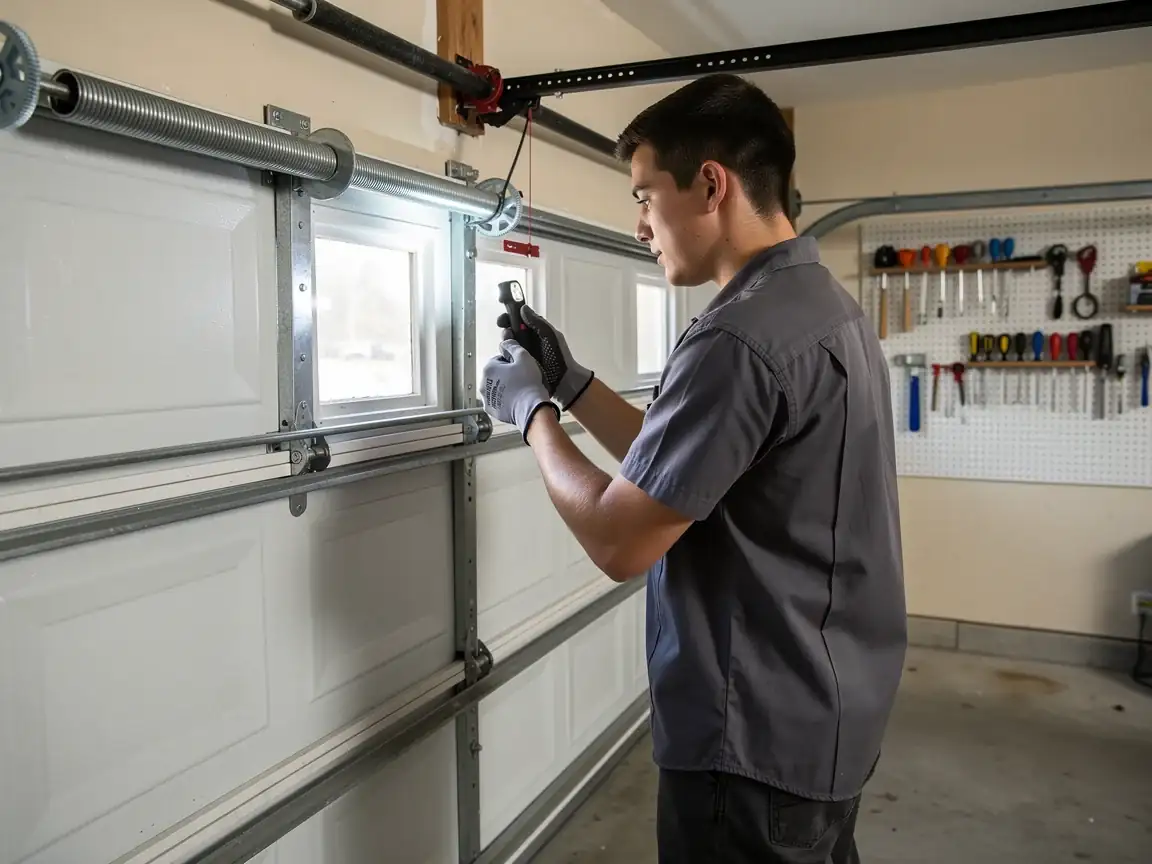
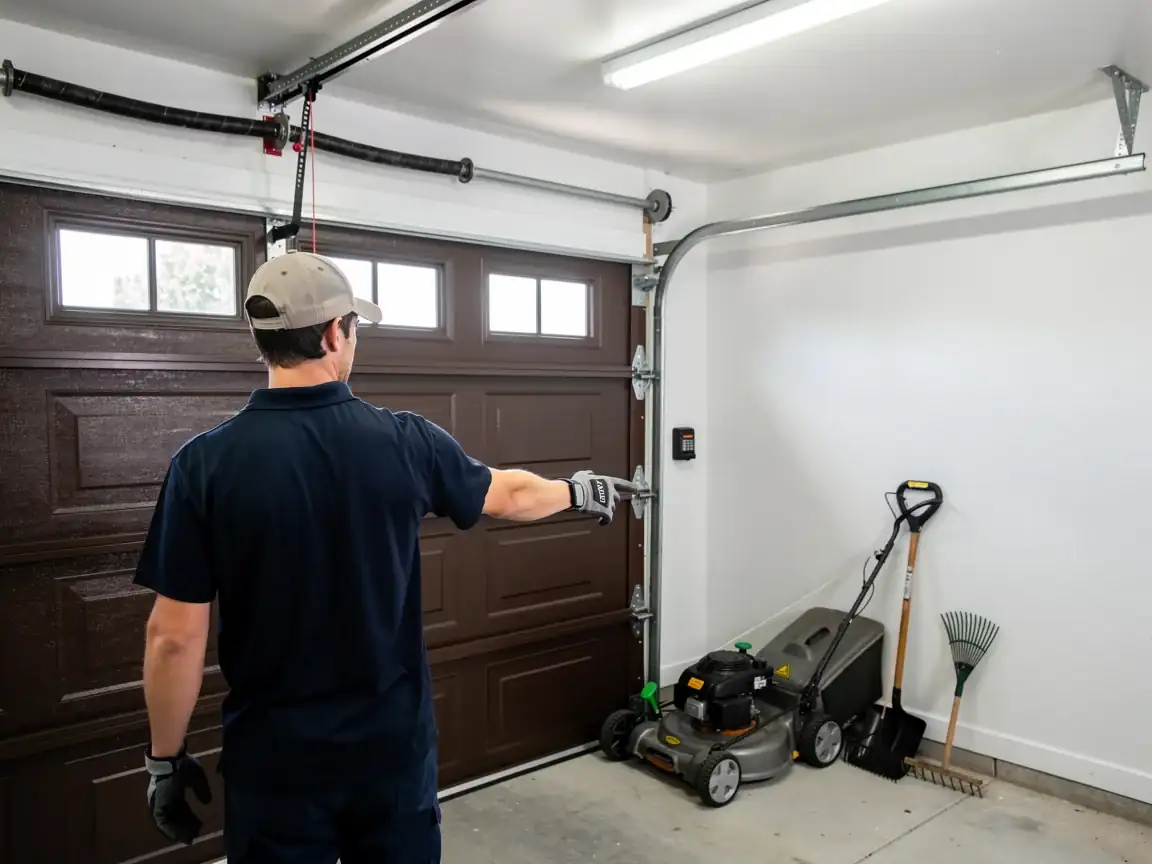
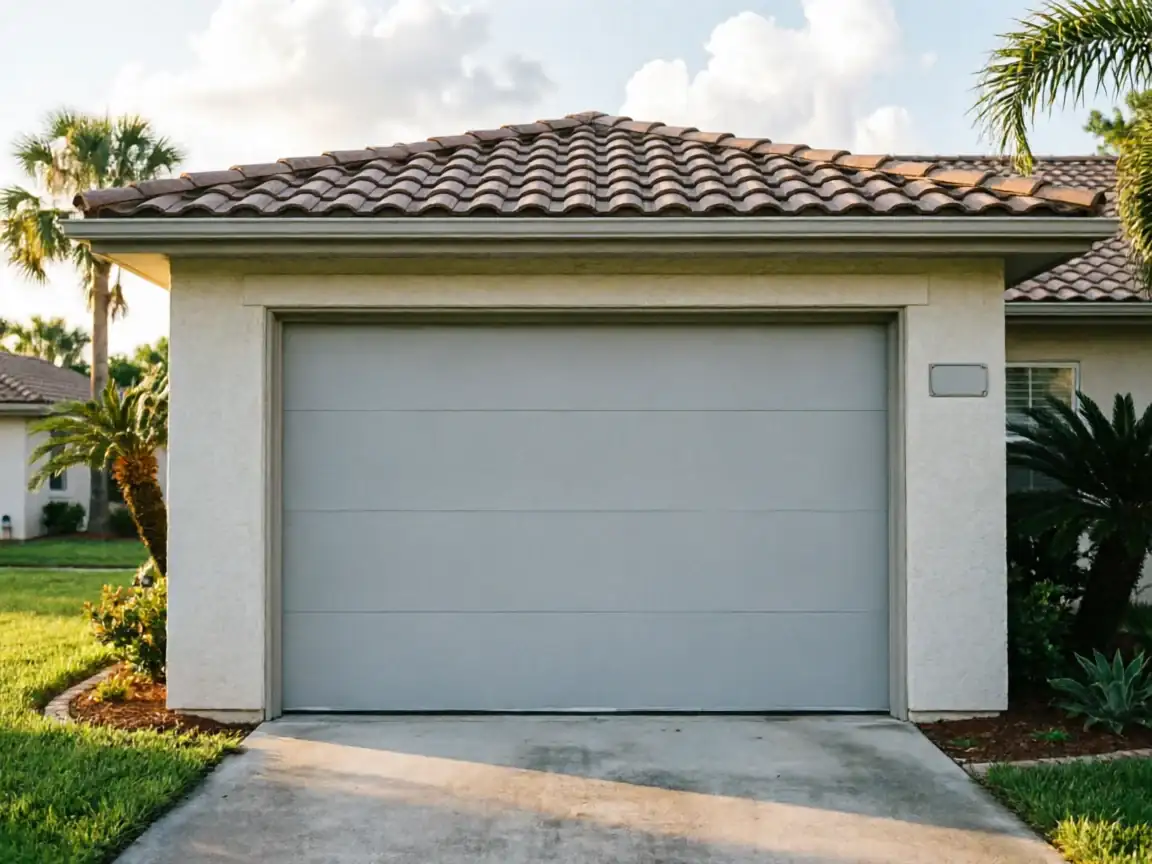
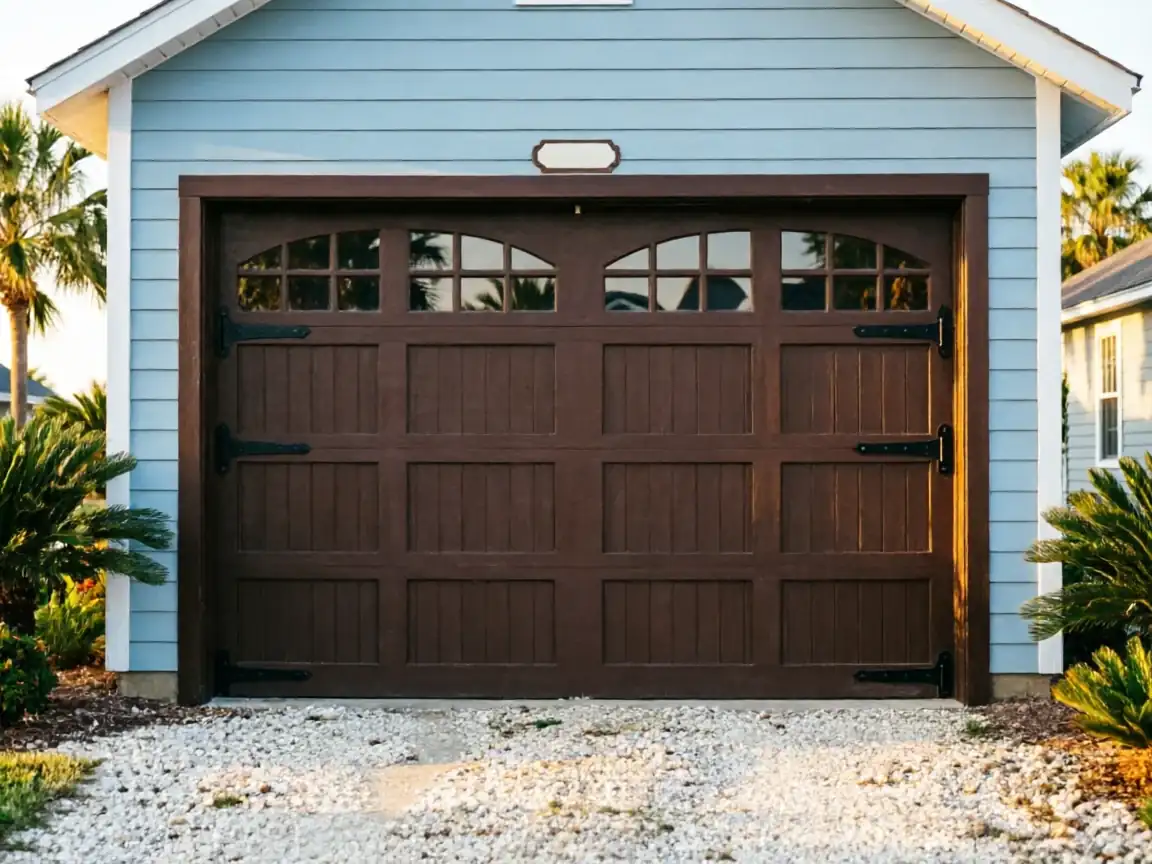
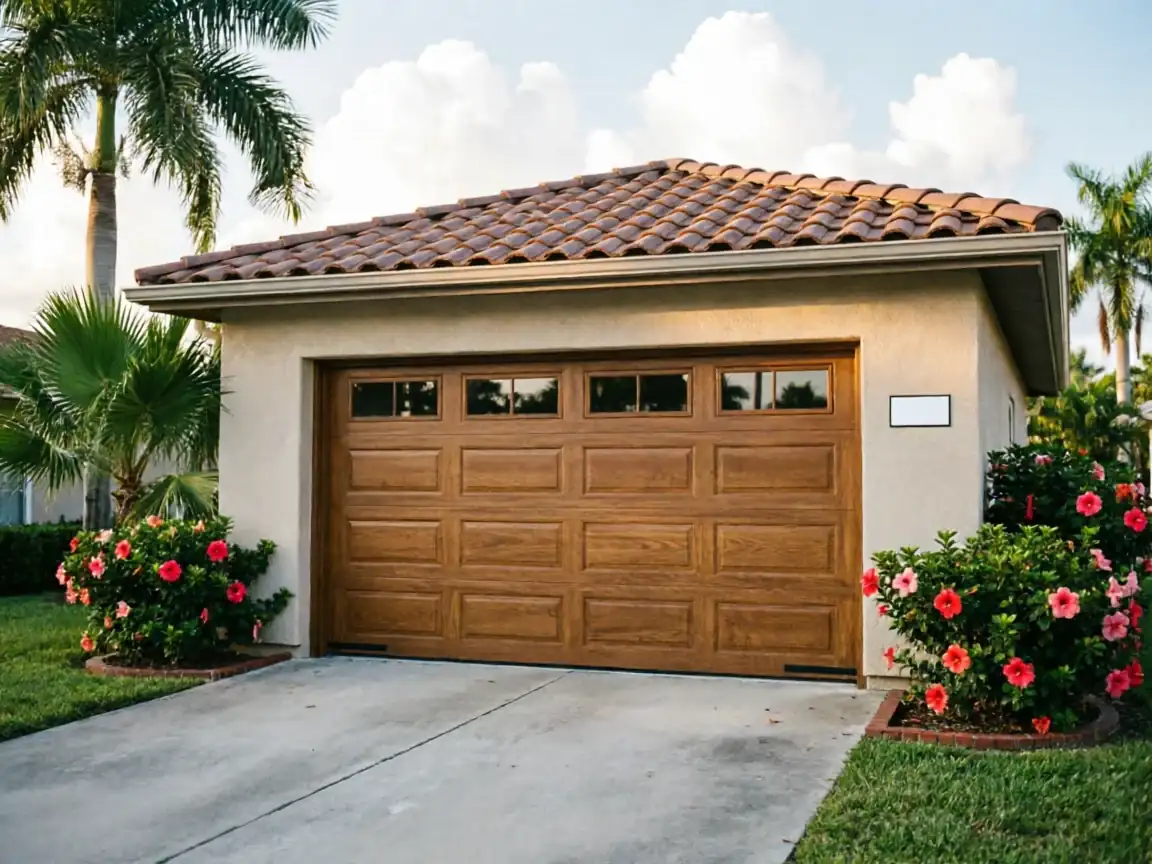
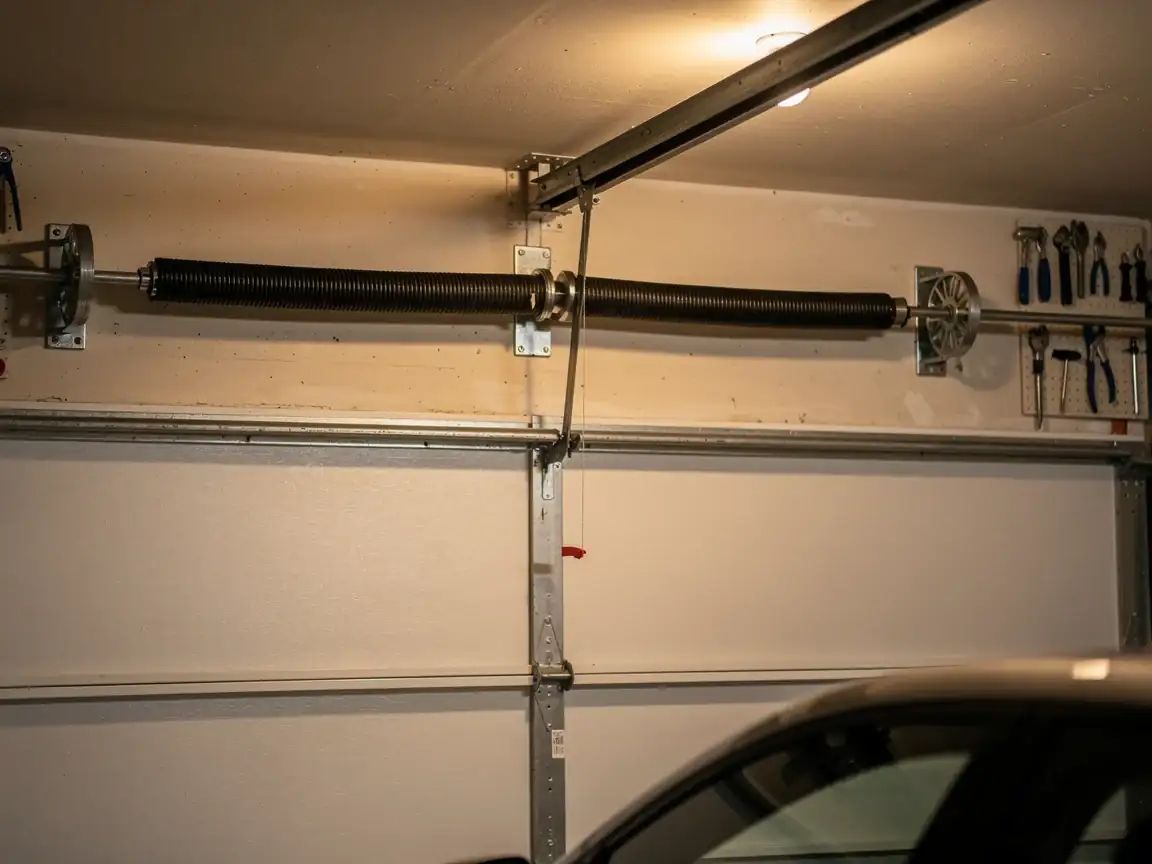
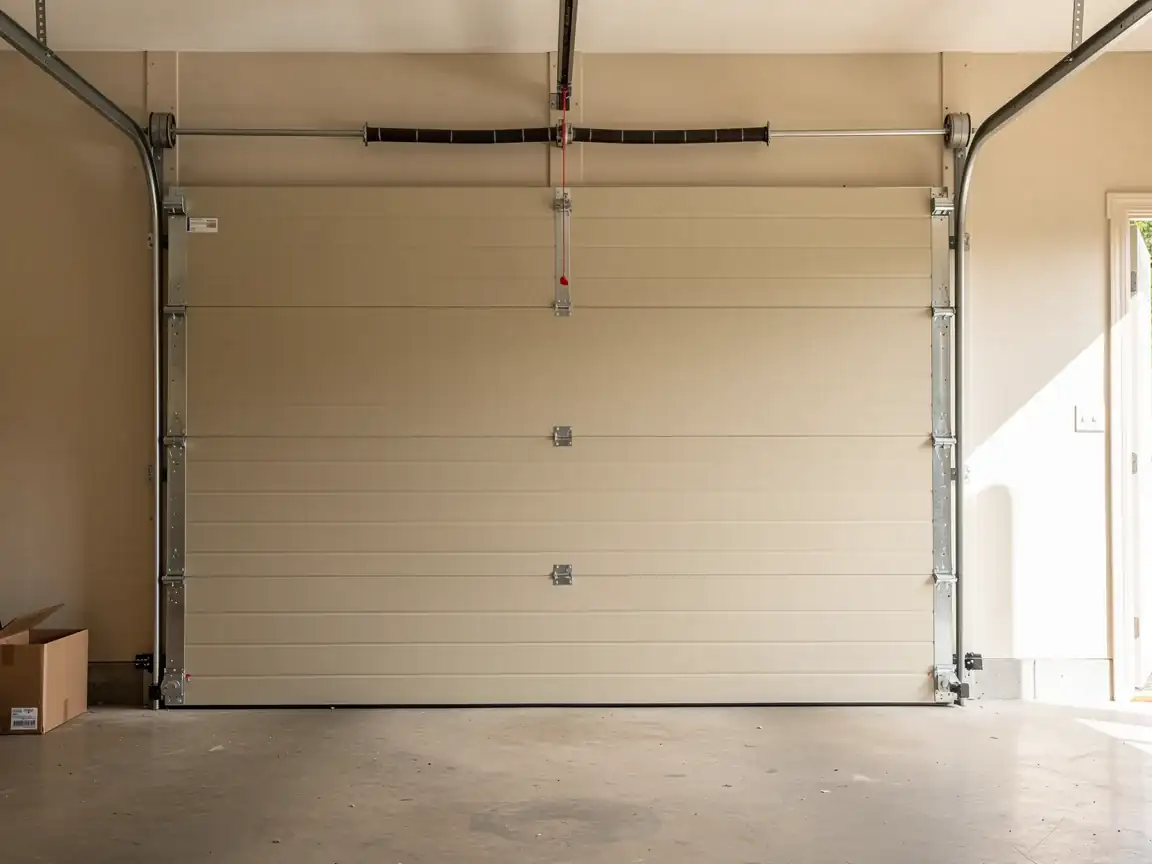
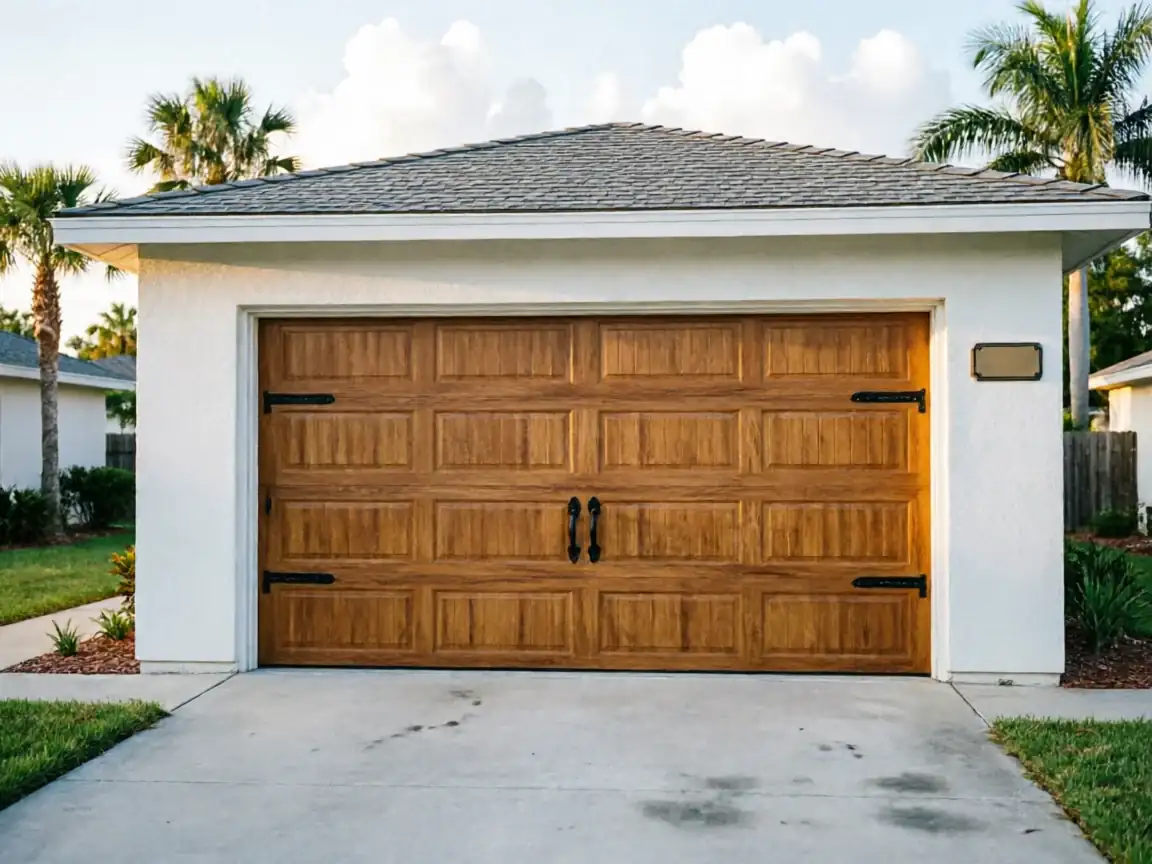
Lake Butler's houses mostly went up around 2004, which puts them a full two decades newer than the service area's overall median build year of 1984. That matters more than it sounds like it should. A door from this era isn't the heavy one-piece slab with exposed side-mount springs you find in older sections of the territory - it's a sectional steel panel on a torsion spring over the header, usually with a factory photo-eye system already wired in, because code required it by the time these homes were framed. The openers are chain or belt drive units from the early-to-mid 2000s, which means a lot of them are now old enough that the circuit board and the drive gear are both near the end of a normal service life, not because they were built cheap but because fifteen to twenty years is about what that generation of hardware gives you. At a median household income of $178,750 here, well above the wider area's $82,768, a lot of these doors were also the nicer option on the builder's sheet - insulated steel, sometimes with a faux-wood finish - rather than the stripped-down base model.
The Usual Work Here
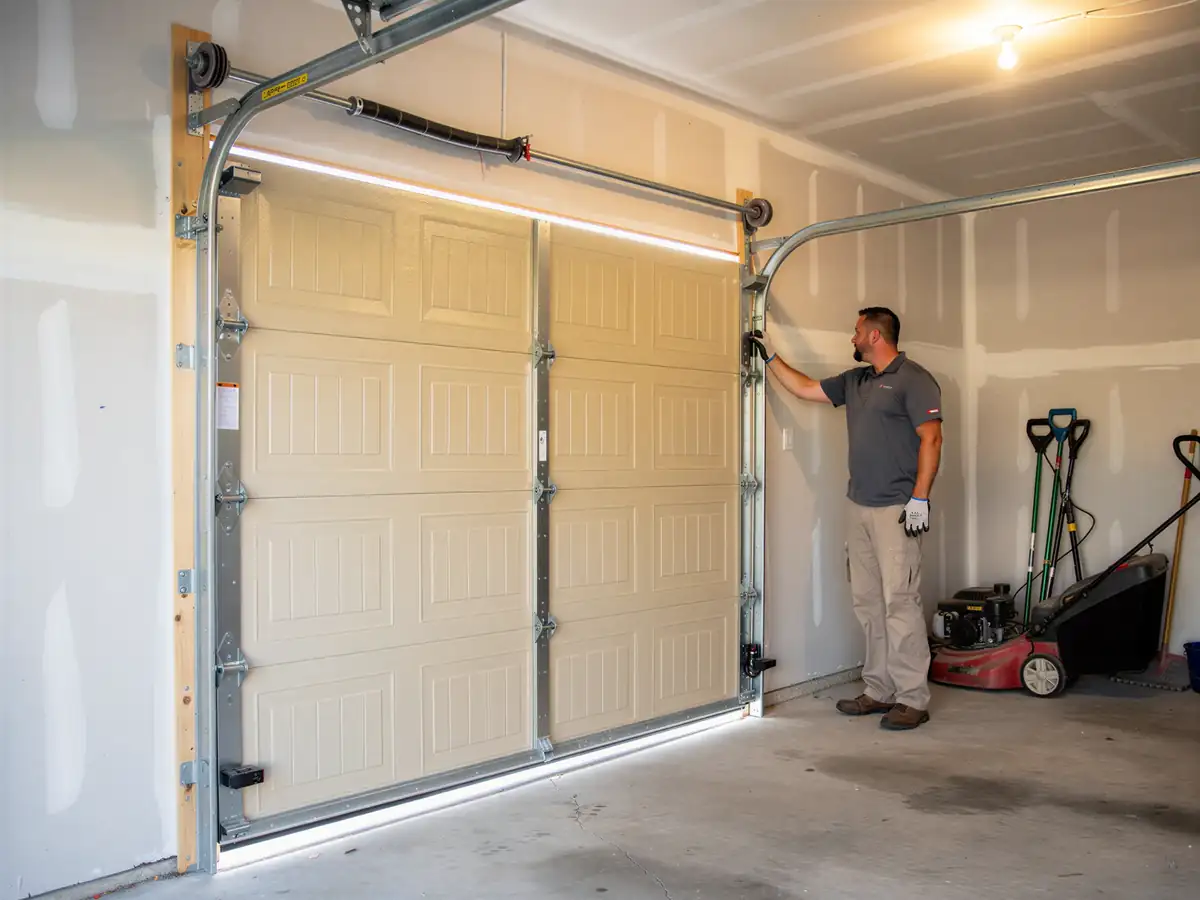
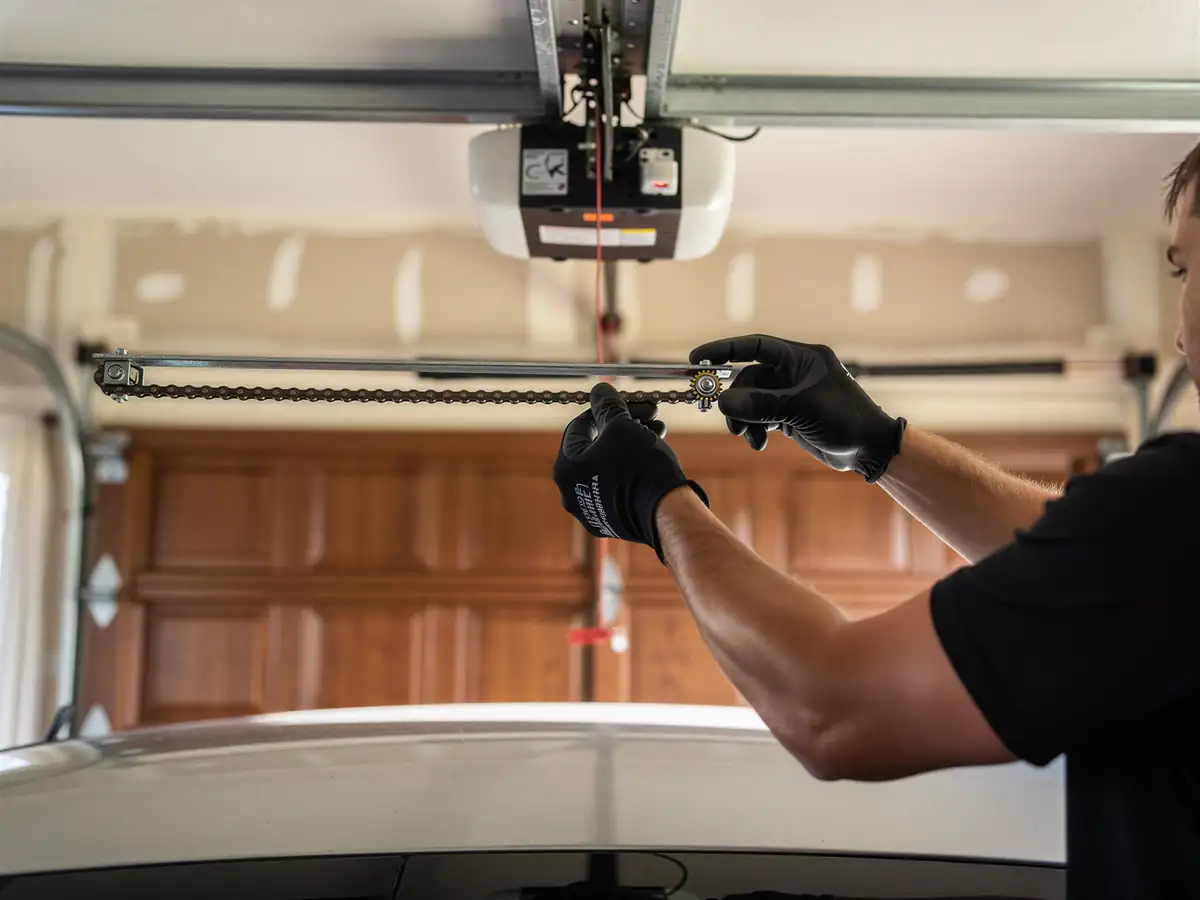
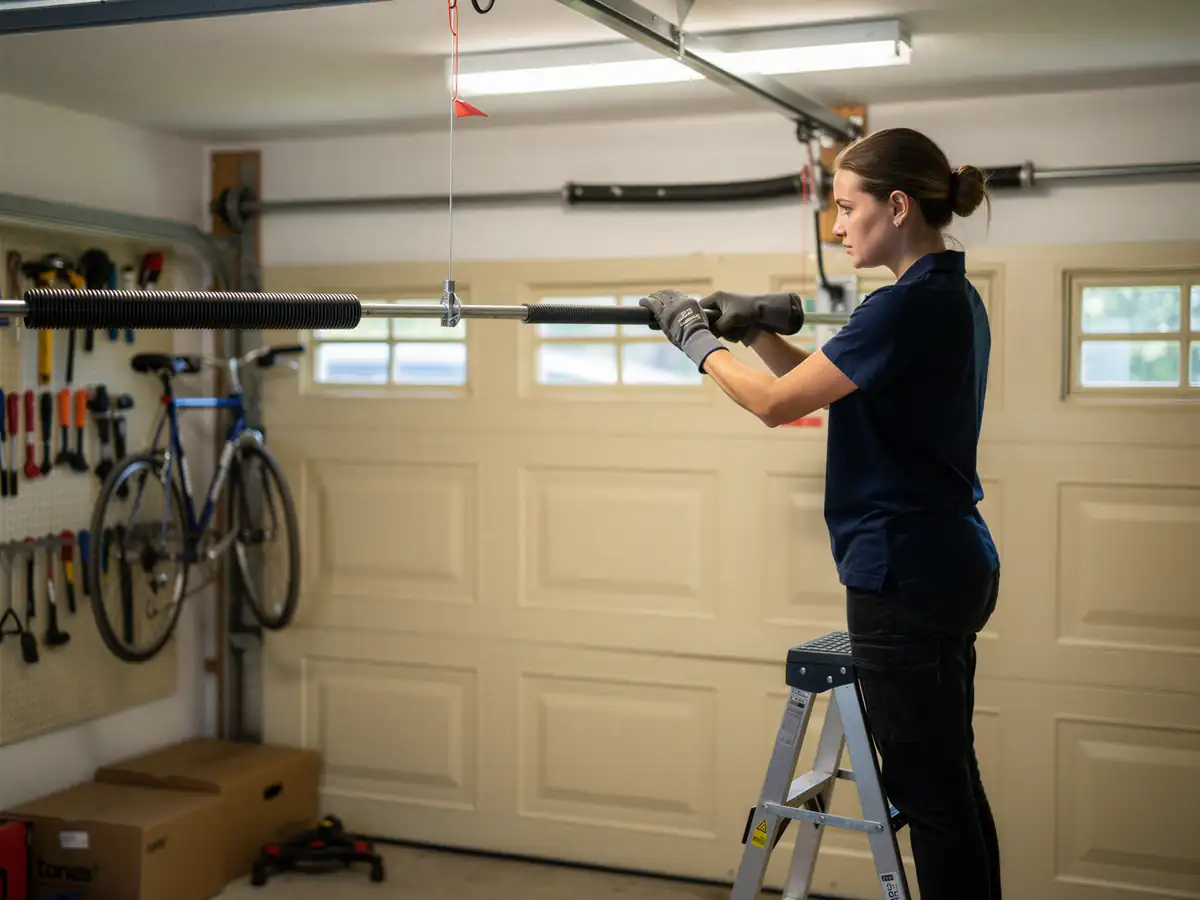
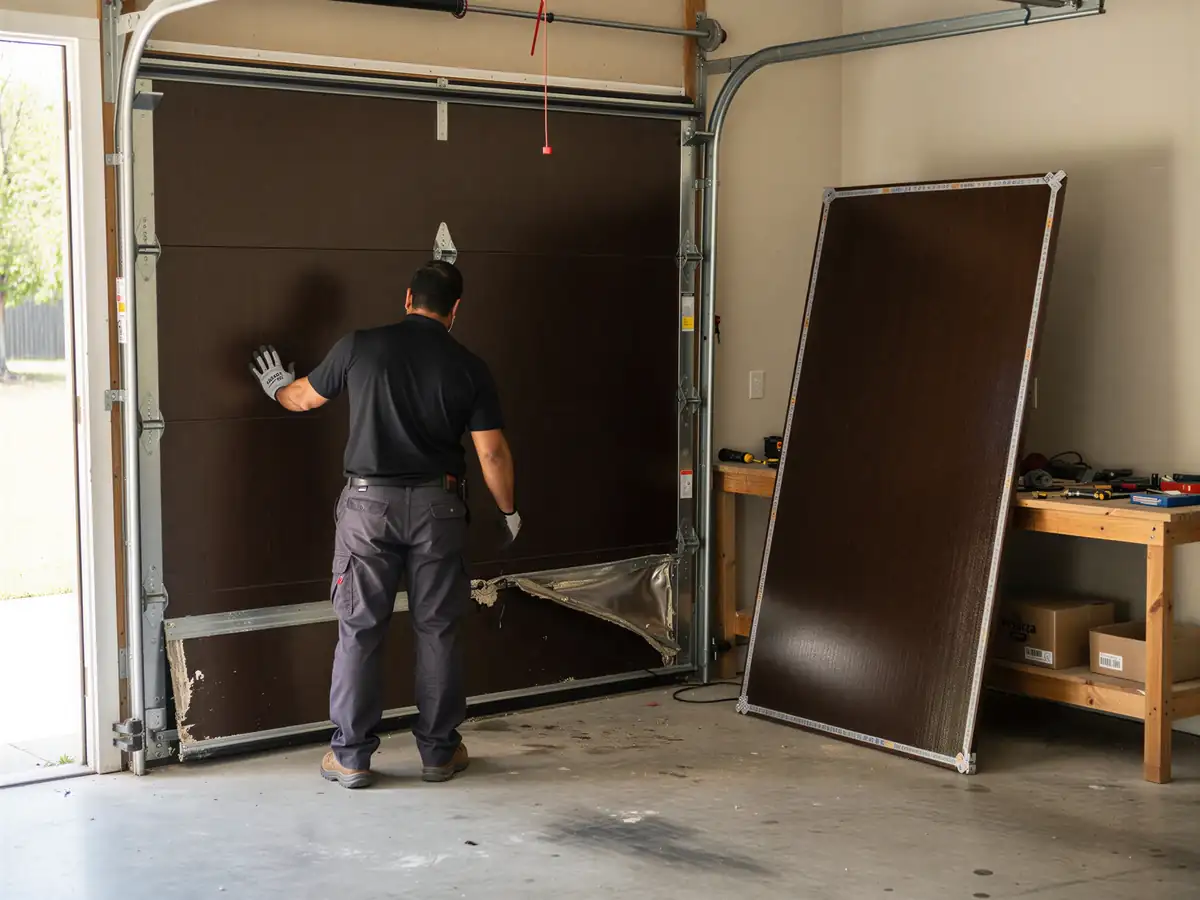
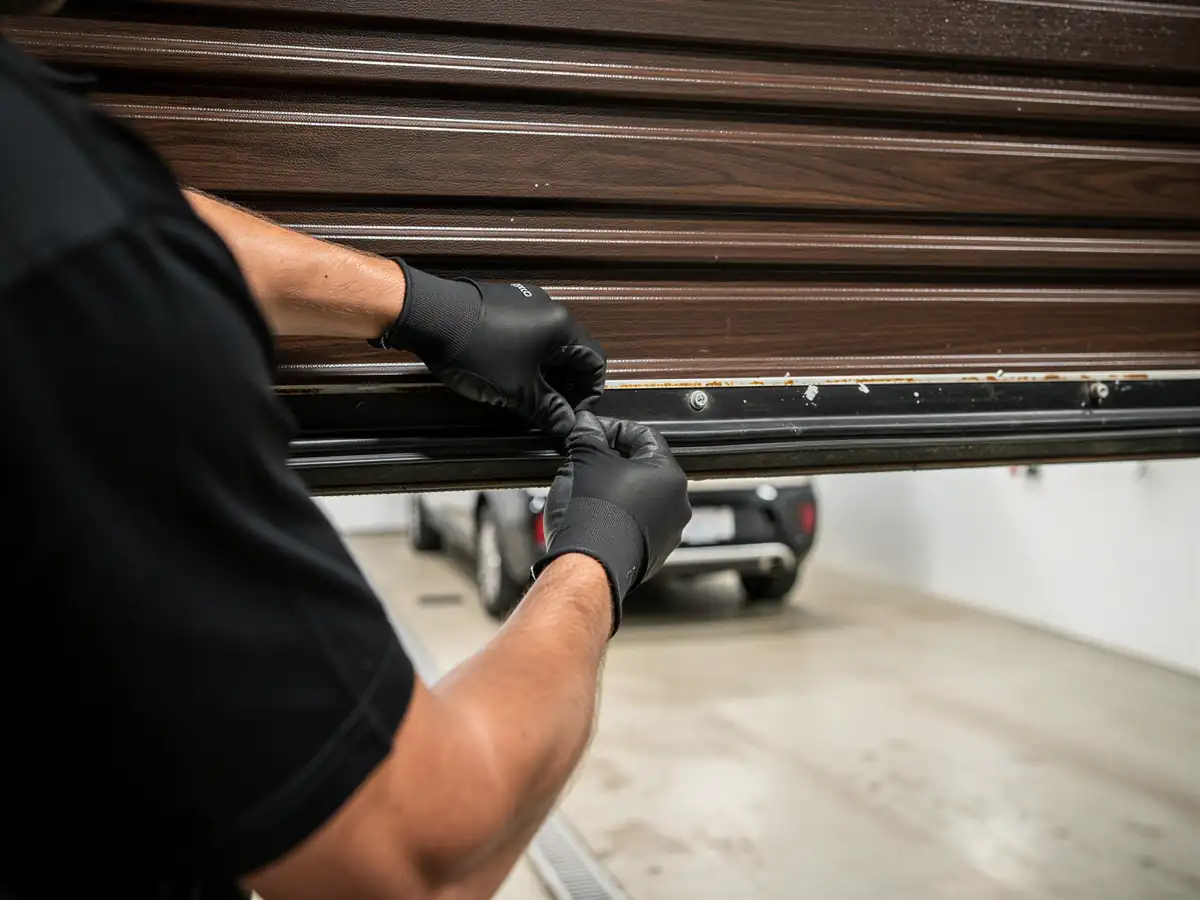
Because the housing stock skews newer, the calls out of Lake Butler look different from the calls out of a 1960s neighborhood. We see opener logic boards failing outright rather than just a worn gear set, since a lot of these units are hitting that fifteen-to-twenty-year mark at the same time. Rollers on the original nylon wheels are drying out and cracking, which shows up as a grinding or popping sound on the way up. Photo-eye sensors that have been knocked slightly out of alignment by a bike or a trash can are a steady source of "door won't close" calls - an easy fix once you're looking right at it. Torsion springs on a 2004-era door are usually just now reaching their rated cycle count if the household uses the garage door as a main entrance, which is common with around 5,820 households in this pocket. We do see some panel damage from backing into a half-raised door, same as anywhere, but the spring and opener failures outnumber that by a wide margin here.
This Area's Housing
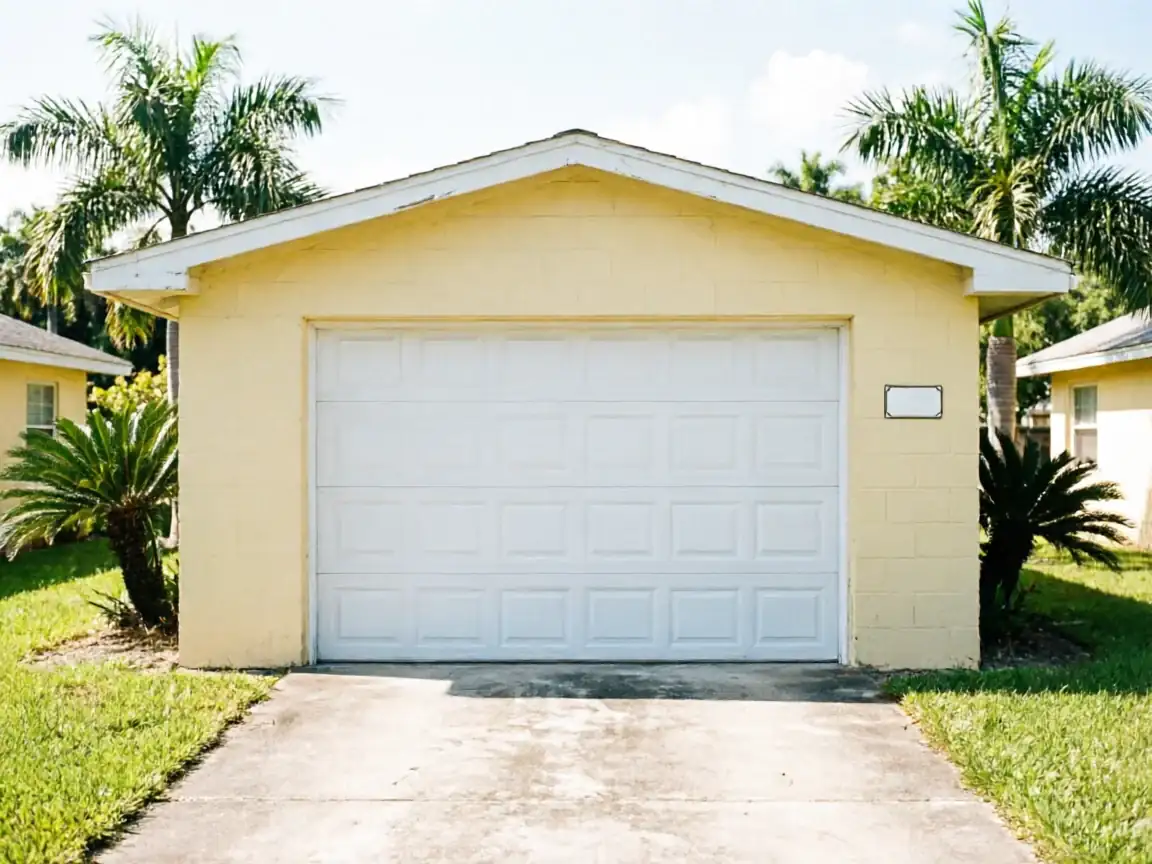
The service area overall spans housing built between 1964 and 2004 with a median around 1984, mostly 1980s and 90s stock. Lake Butler sits at the newer end of that whole range - its own median build year lands right at 2004, which puts it closer to the tail of the regional building boom than to the middle of it. That shift in build year tracks with the household income figure: at $178,750, this pocket runs well above the broader area's $82,768 median, and the two numbers together usually mean larger garages, wider double-door openings, and better-grade hardware than you'd find on an older starter-home street. It also means fewer of the oddball original doors that turn up in the 1960s sections - the ones with obsolete sizing or side-mounted hardware nobody stocks anymore. What you do get instead is a concentration of houses all aging through the same opener failure window at roughly the same time, since they were mostly built in the same few years.
The Drive Over
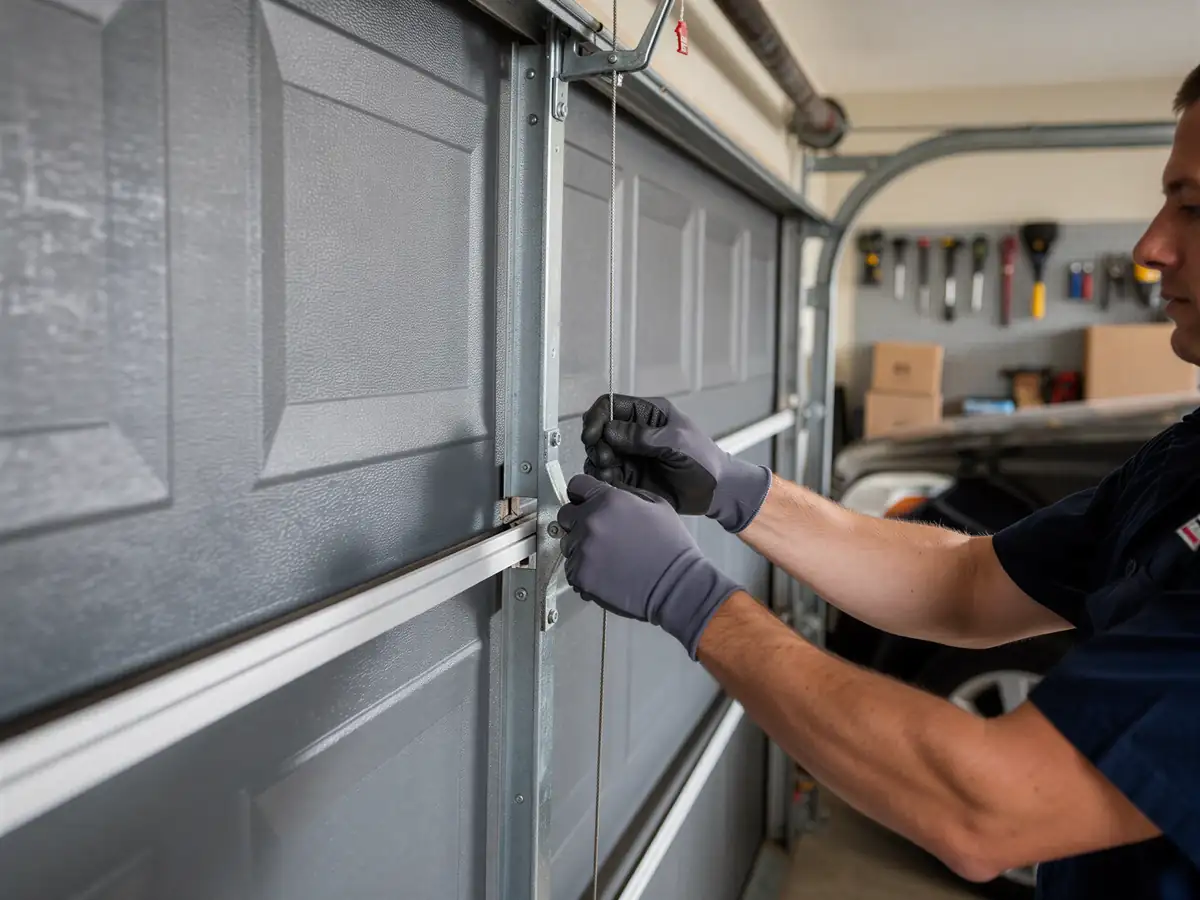
We run out of Casselberry, and Lake Butler is about 18 miles out from there. We don't keep a crew or a stock of parts sitting in the area, so if a job needs a part we don't carry on the truck - a specific opener logic board or a less common spring size - that can mean a short wait on ordering rather than a same-visit fix. We'll tell you up front if that's the case rather than guess and have you wait on us. For the common stuff - torsion springs, rollers, photo-eye alignment, cable replacement - the truck carries what it needs and the 18-mile drive doesn't change the job itself, just the scheduling around it.
How it works
From “it’s stuck” to “it’s fixed”
01
Tell us what’s wrong
Describe the symptom - won’t open, loud bang, opener runs but the door won’t move.
02
On-site diagnosis
A technician tests the door under power and by hand and finds what actually failed.
03
Clear, up-front plan
You get the fix that’s needed and what drives the cost - before any work starts.
04
Repaired & tested
The repair is done, the door is set true and tested, and the work area left clean.
Not sure which repair your door needs in Casselberry, FL? Describe what it’s doing - every job starts with a diagnosis.
Straight answers about garage door repair in Casselberry. Still unsure? Ask us directly.
Are garage doors in Lake Butler different from older parts of the service area?
Mostly yes, by age rather than style. Lake Butler's homes run newer, with a median build year around 2004 versus the broader area's 1984. That means sectional steel doors with factory photo-eyes and openers from the early 2000s, rather than the older one-piece doors and side-mount hardware found in the oldest neighborhoods.
How far out is Lake Butler from your shop?
About 18 miles from our location in Casselberry. We don't have a depot in Lake Butler itself, so for most jobs we carry what's needed on the truck, but a less common part can mean a short order wait rather than a fix on the first visit.
Why would a garage door opener fail if the house is only from the early 2000s?
Fifteen to twenty years is a normal working life for an opener's circuit board and drive gear, and a lot of Lake Butler's housing stock is right in that window now since it was mostly built around 2004. It's wear, not a defect - the same opener in a newer house just hits that age later.
Do you stock parts for these newer-era doors?
We carry the common torsion springs, rollers, and cable sizes used on sectional steel doors from this era. Less common opener boards or odd panel sizes sometimes need to be ordered in, and we'll say so at the time rather than promise a same-day fix we can't back up.