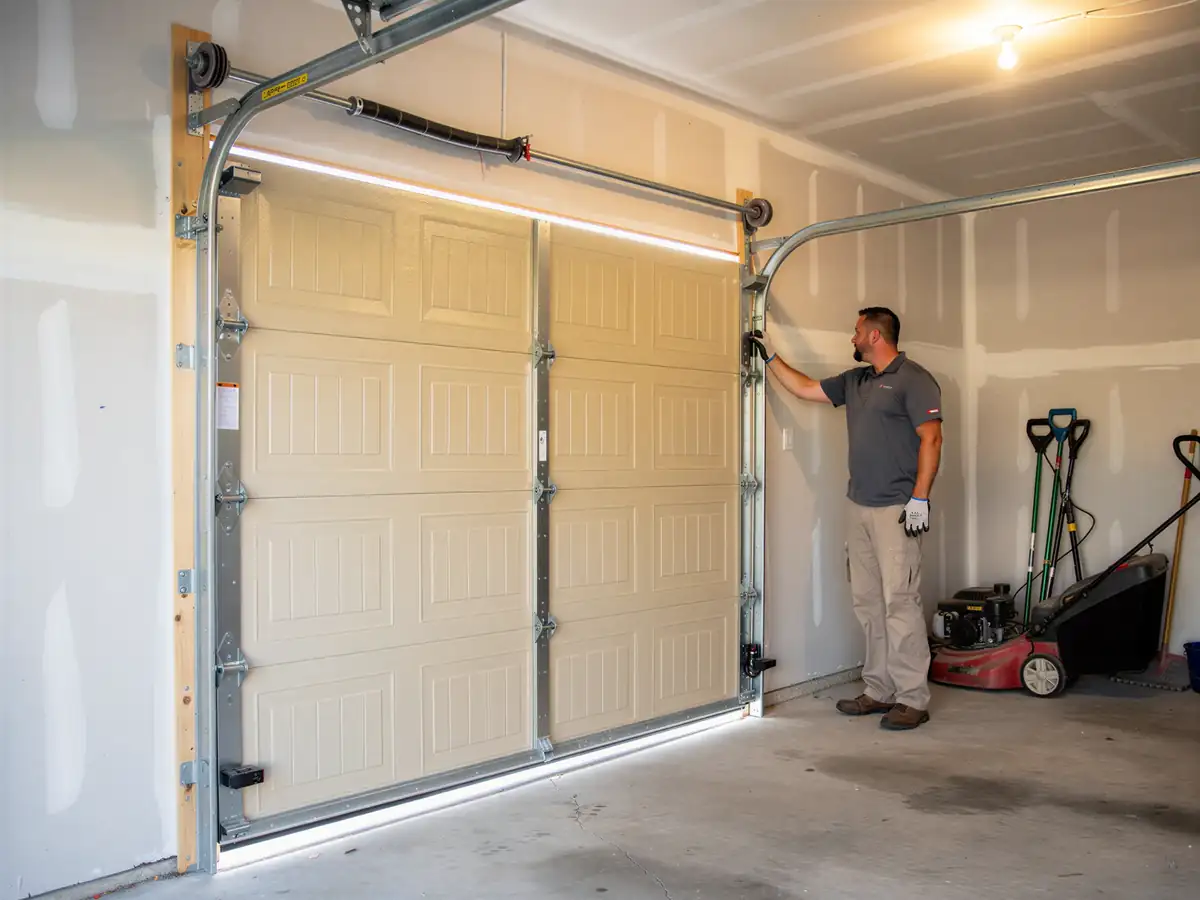
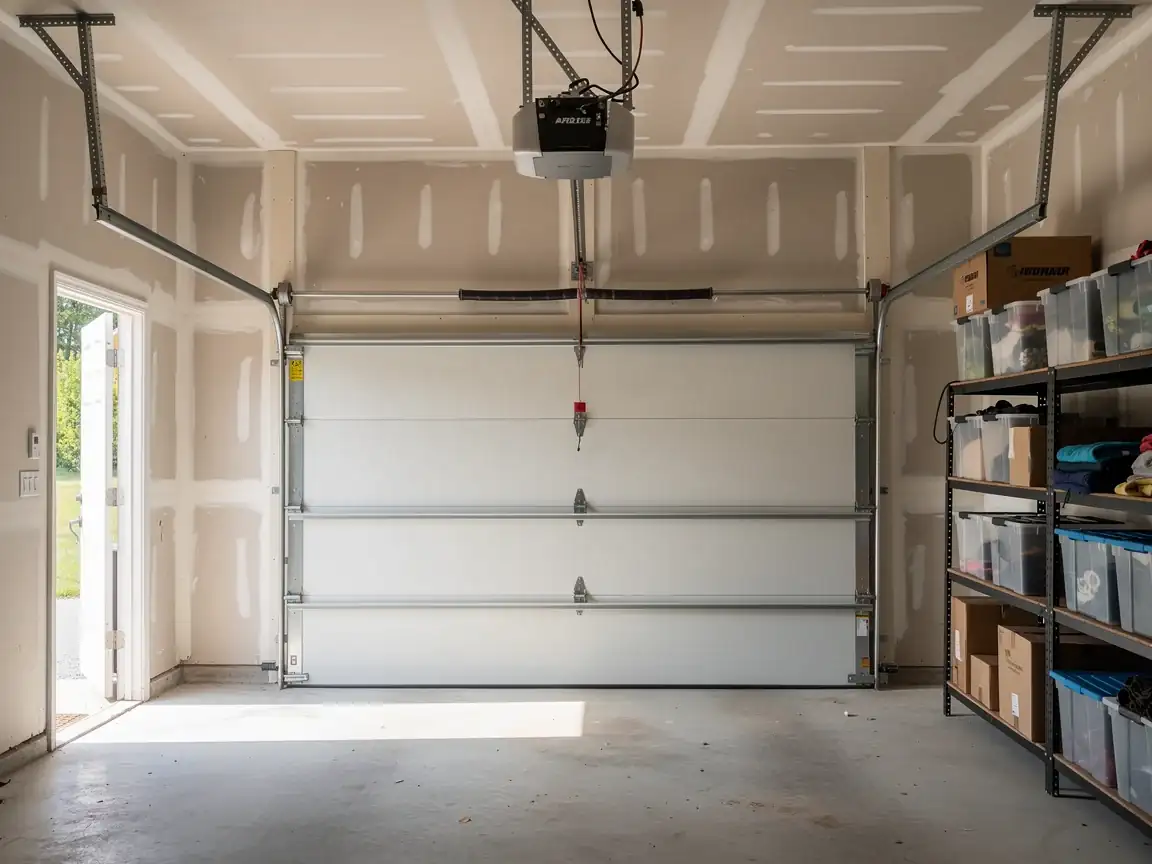
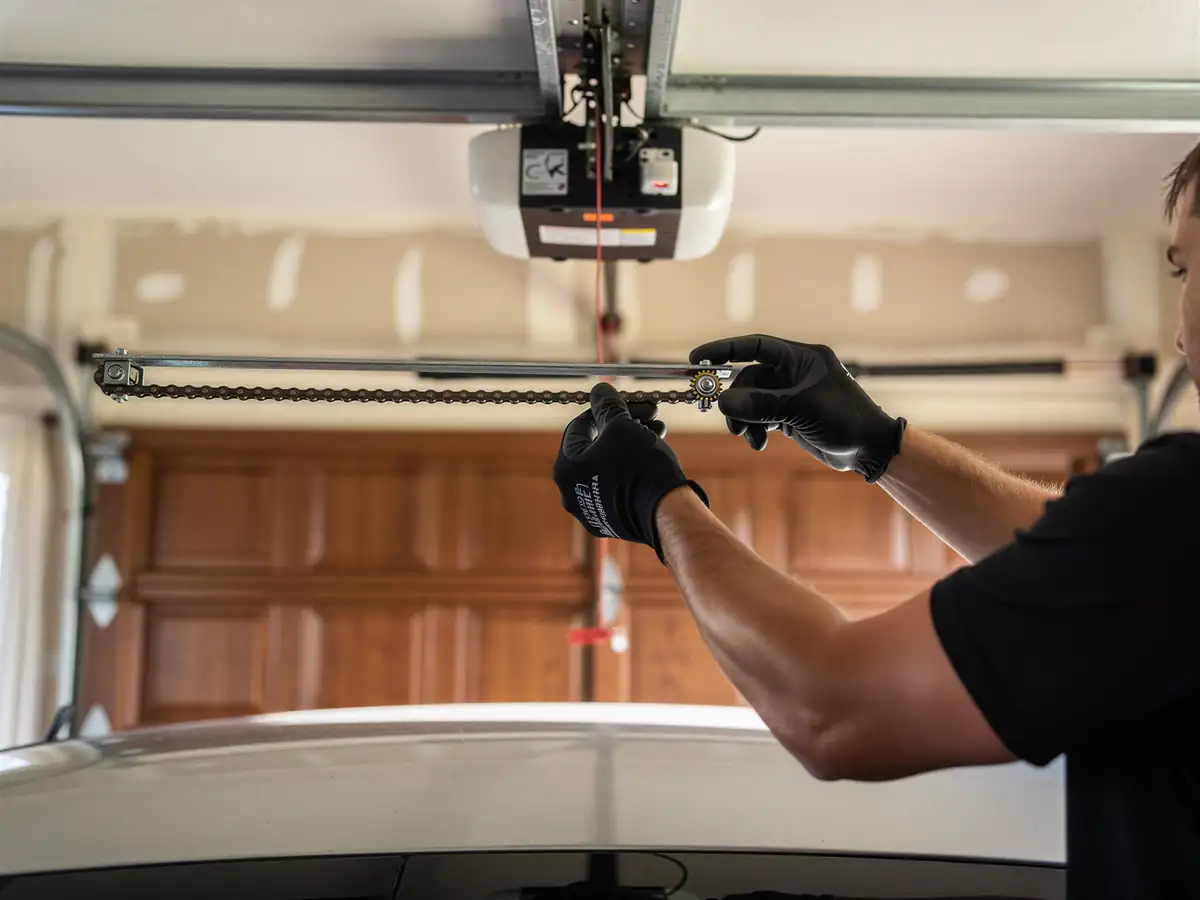
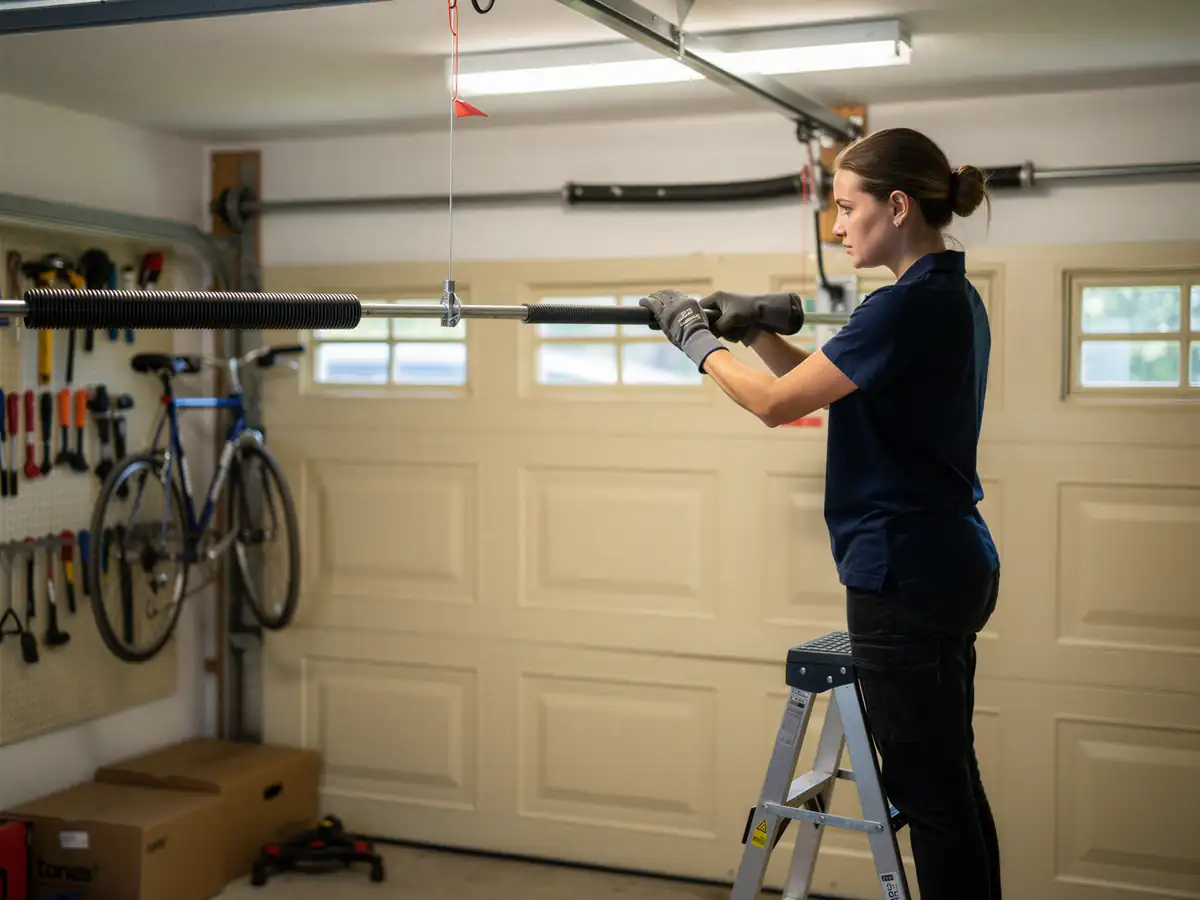
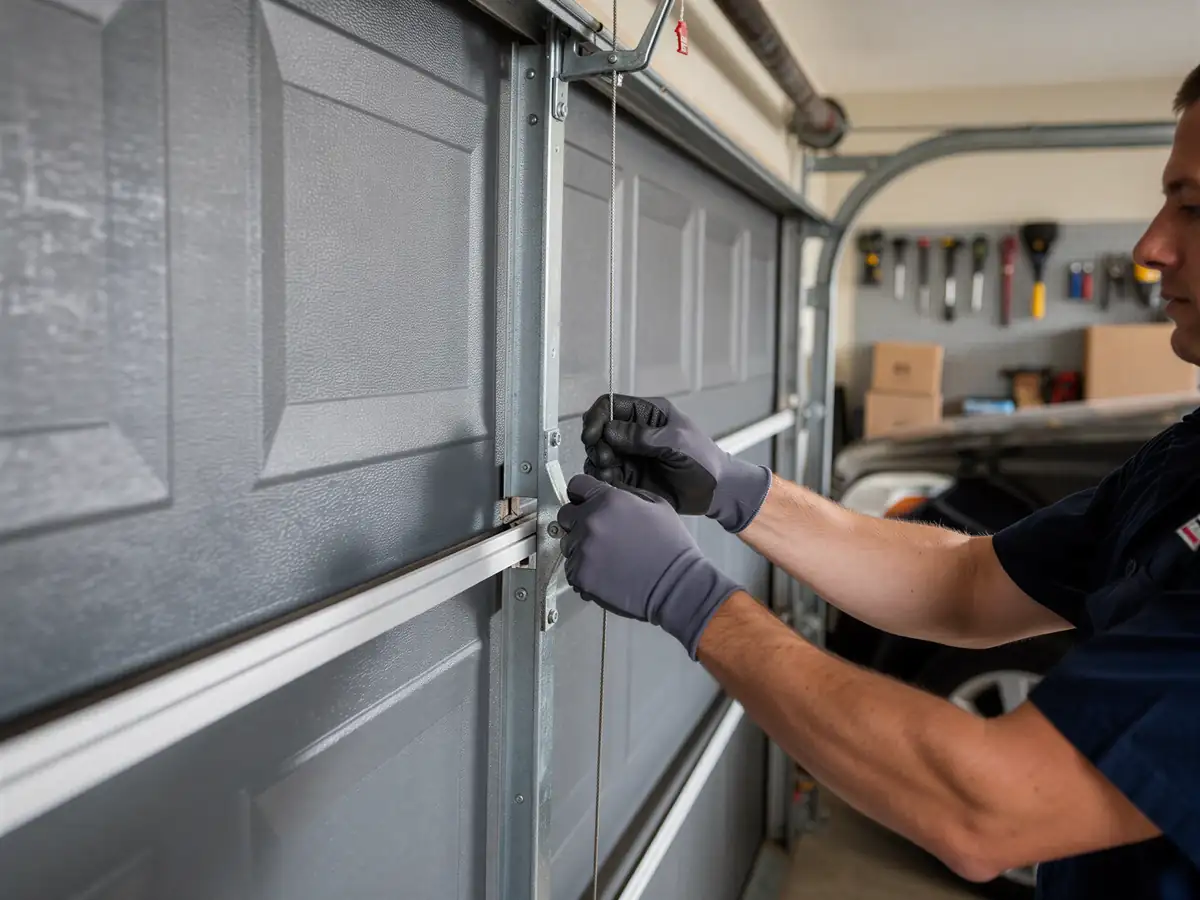
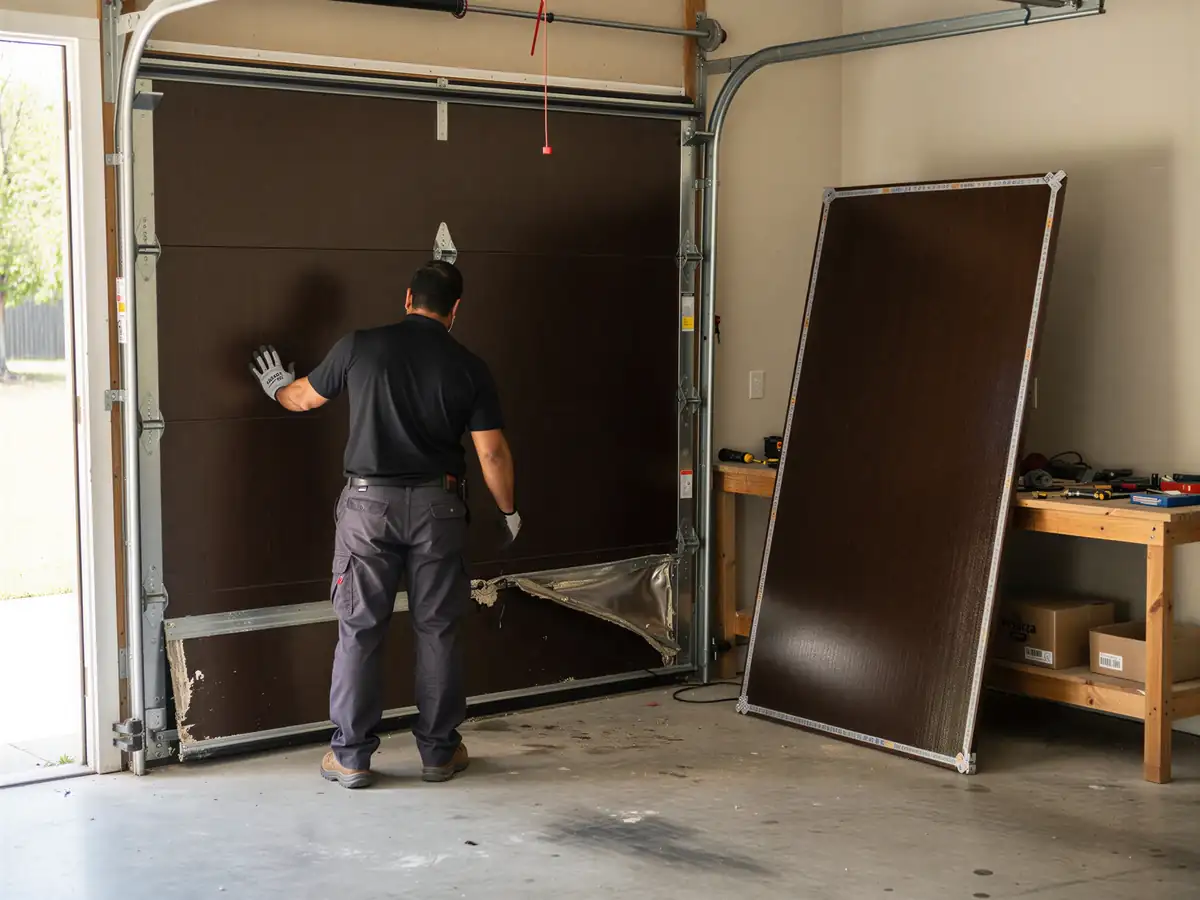
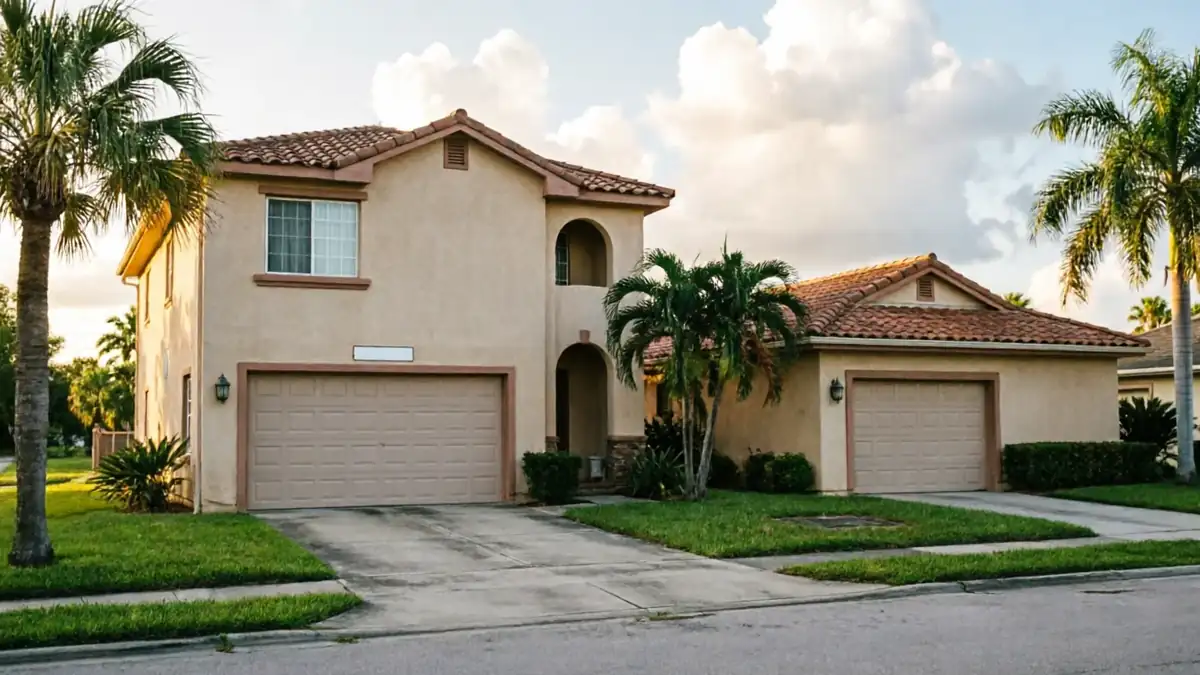
Garage door maintenance for Casselberry homes built 1964-2004, where original hardware and Florida humidity wear springs, rollers, and openers faster than owners expect.
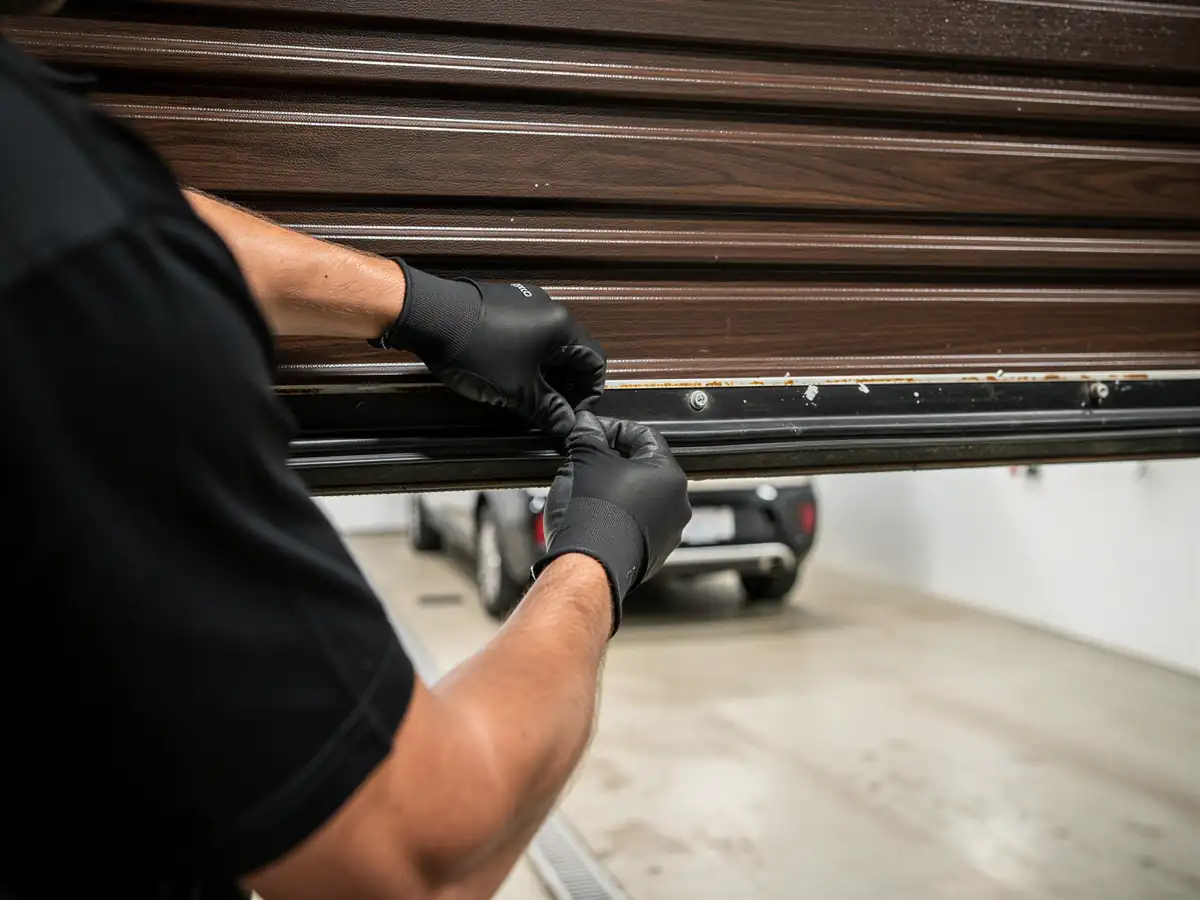
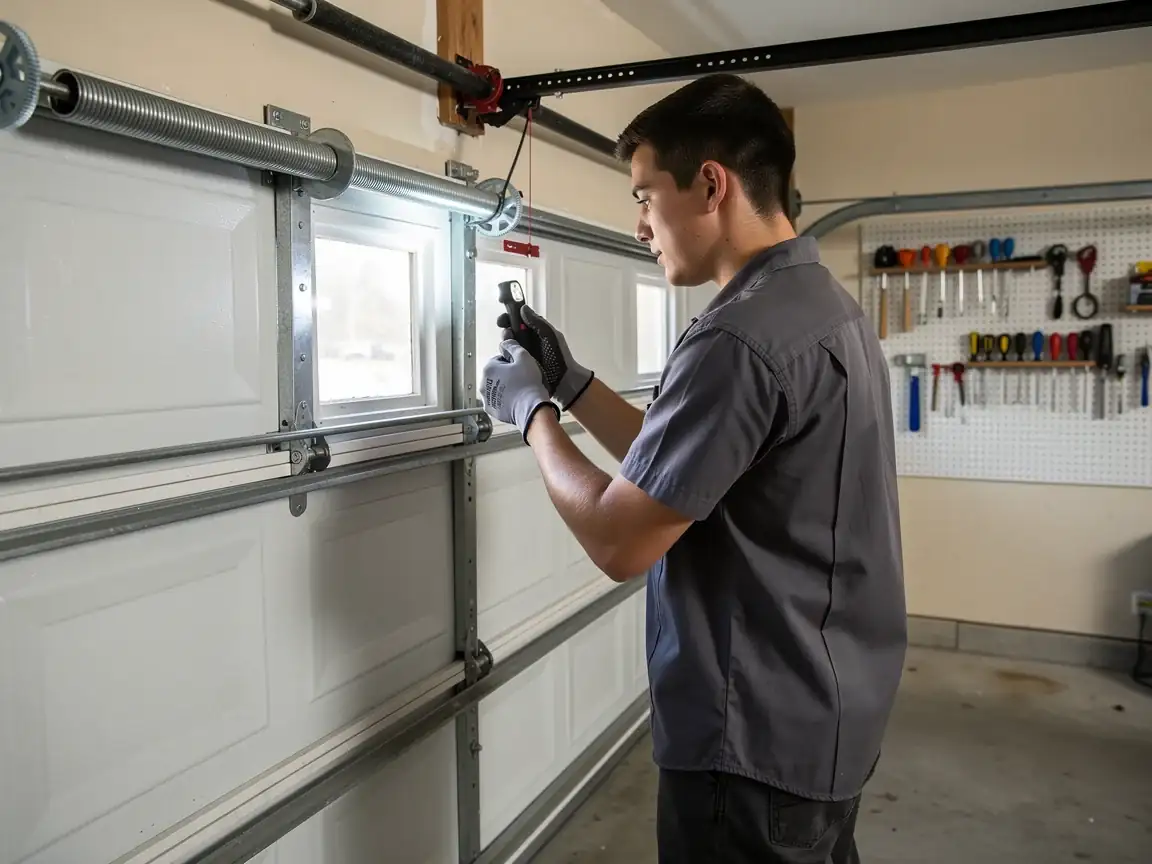
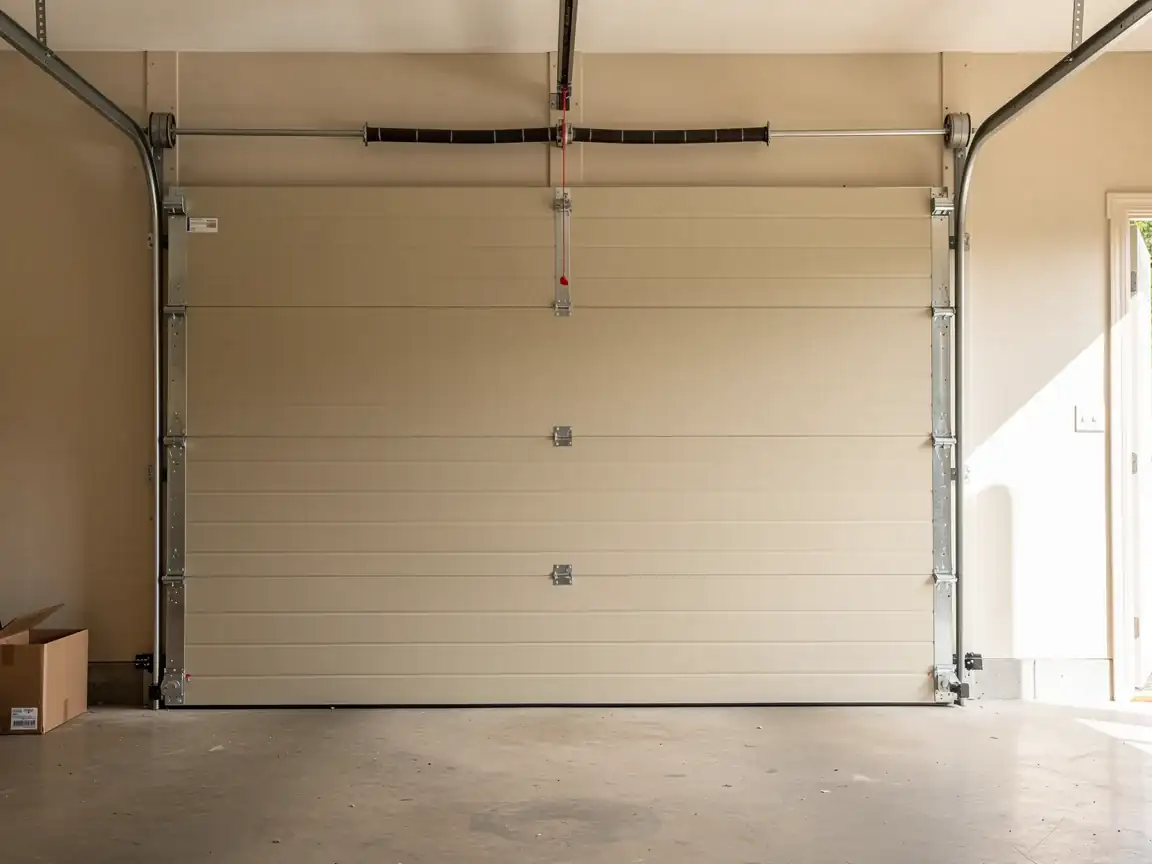
We can't quote a number here because every maintenance call depends on what we find once the door is open - a tune-up on a door that's been serviced regularly costs less than one where the rollers are seized and the opener has been grinding for months. What we can tell you is what drives the price up: how long it's been since the last service, whether the spring is original to the house, and whether the opener's gears have already started stripping. Casselberry's housing stock runs 1964 to 2004, median build year 1984, so a lot of doors out there are carrying 30 to 40-year-old torsion springs and hardware that was never designed to be maintenance-free forever. The honest version of this job is a inspection first, then a straight answer about what actually needs doing - not a flat-rate guess over the phone. If a spring is near the end of its cycle life, we'll tell you that's a repair, not a tune-up, and we won't try to sell you a lube job to delay the inevitable.
The Symptom
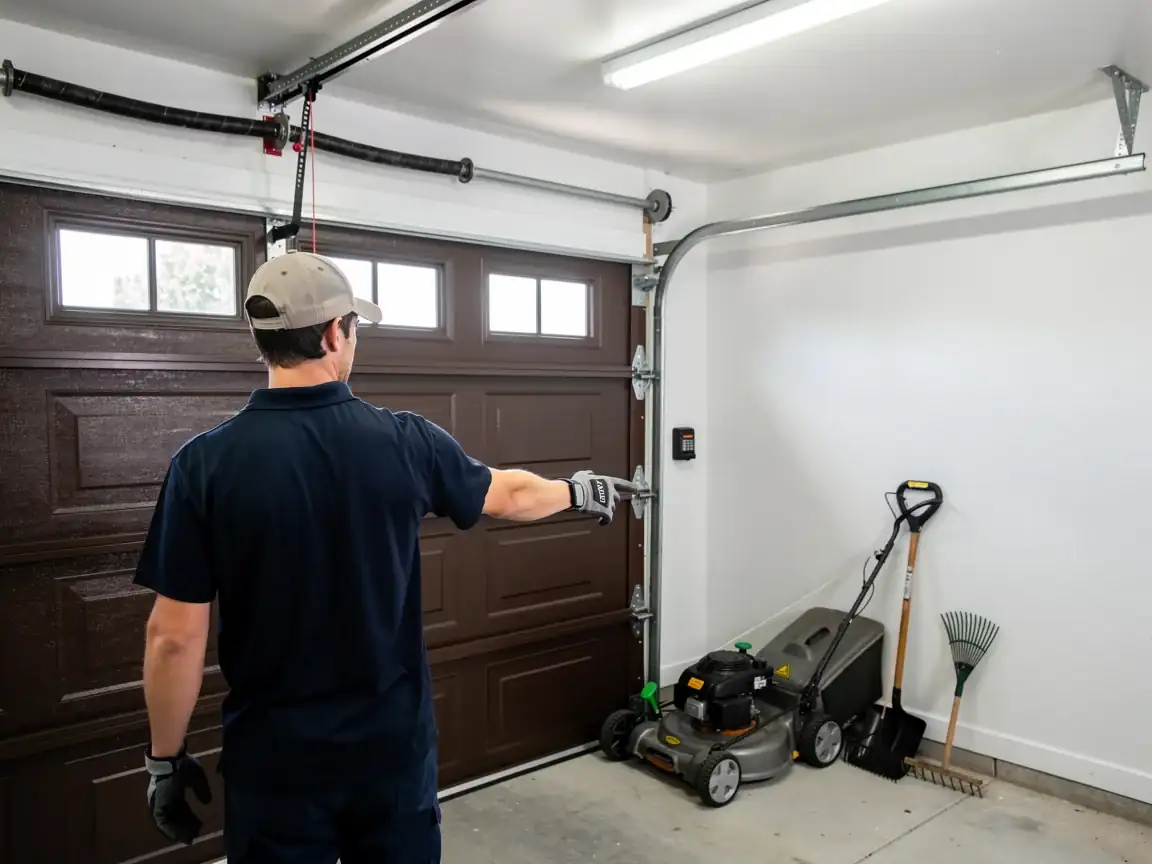
The call usually starts the same way: the door is noisier than it used to be, it hesitates partway up, or it slams the last six inches instead of settling. Sometimes it's a faint grinding when the opener motor kicks on, or a door that looks level but drifts sideways in the track. None of these are dramatic failures yet - they're wear signs. On a well-maintained door they get caught and lubricated or adjusted before they turn into a stuck door or a snapped cable. On a neglected door, especially one that's 20 or 30 years into its life, they're the last warning before something breaks loose under spring tension, which is the call nobody wants to get at 6am on a workday.
Why This Fails Locally
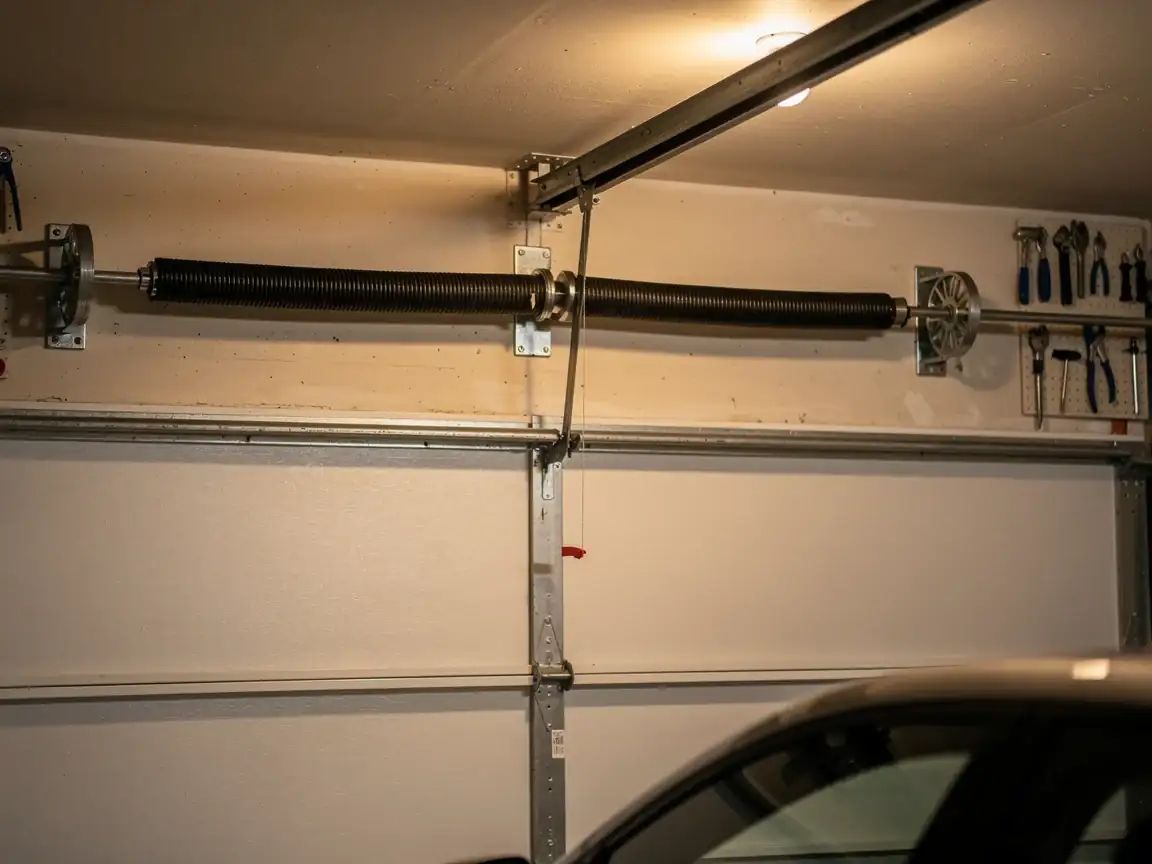
Most of the homes we service across this part of Central Florida were built between 1964 and 2004, with the bulk going up in the 1980s and 90s across the forty-some neighborhoods in the area. That means a huge share of the doors out there have original galvanized hardware - rollers, hinges, and torsion springs - that's been cycling for two to four decades in a mild, humid climate. Humidity doesn't announce itself the way a hard freeze would. It just works steadily: rust creeps into spring coils, lubricant dries out of rollers faster than in a dry climate, and steel track brackets loosen as wood framing moves with seasonal moisture. A door that would coast along fine in a dry inland climate starts dragging and squealing here years sooner, because nothing about the hardware was upgraded for the moisture load. Skipping annual lubrication and a hardware check isn't a small shortcut in this area - it's the single biggest reason original-era doors fail early instead of lasting out their full mechanical life.
How to Book
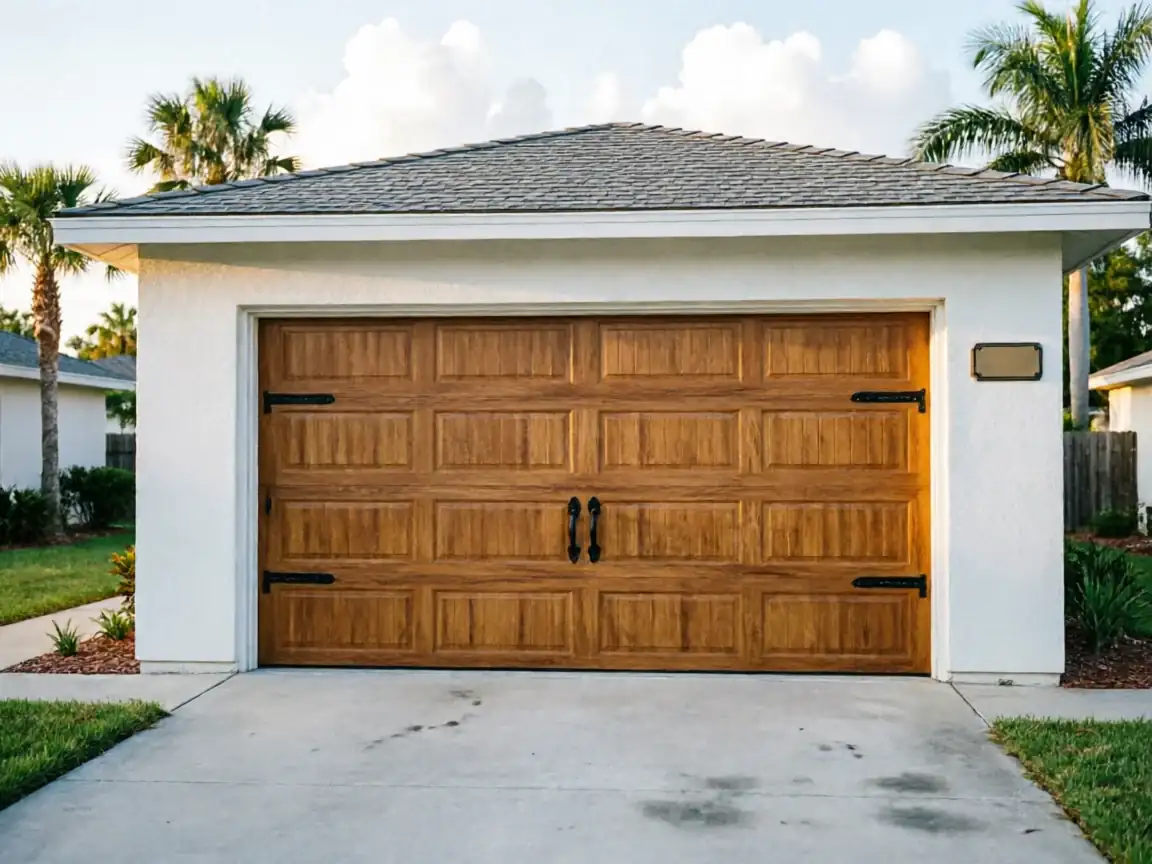
If your door is making noise, hesitating, or just hasn't been looked at in a year or two, get it on the schedule before a part fails instead of after. We serve Casselberry and the surrounding area - from Fern Park and Longwood in close, out to Maitland, Goldenrod, Lake Mary, and the rest of the towns we cover - so wherever you're calling from in that range, we can get a truck out. Head to our home page to get in touch and set up a maintenance visit.
How it works
From “it’s stuck” to “it’s fixed”
01
Tell us what’s wrong
Describe the symptom - won’t open, loud bang, opener runs but the door won’t move.
02
On-site diagnosis
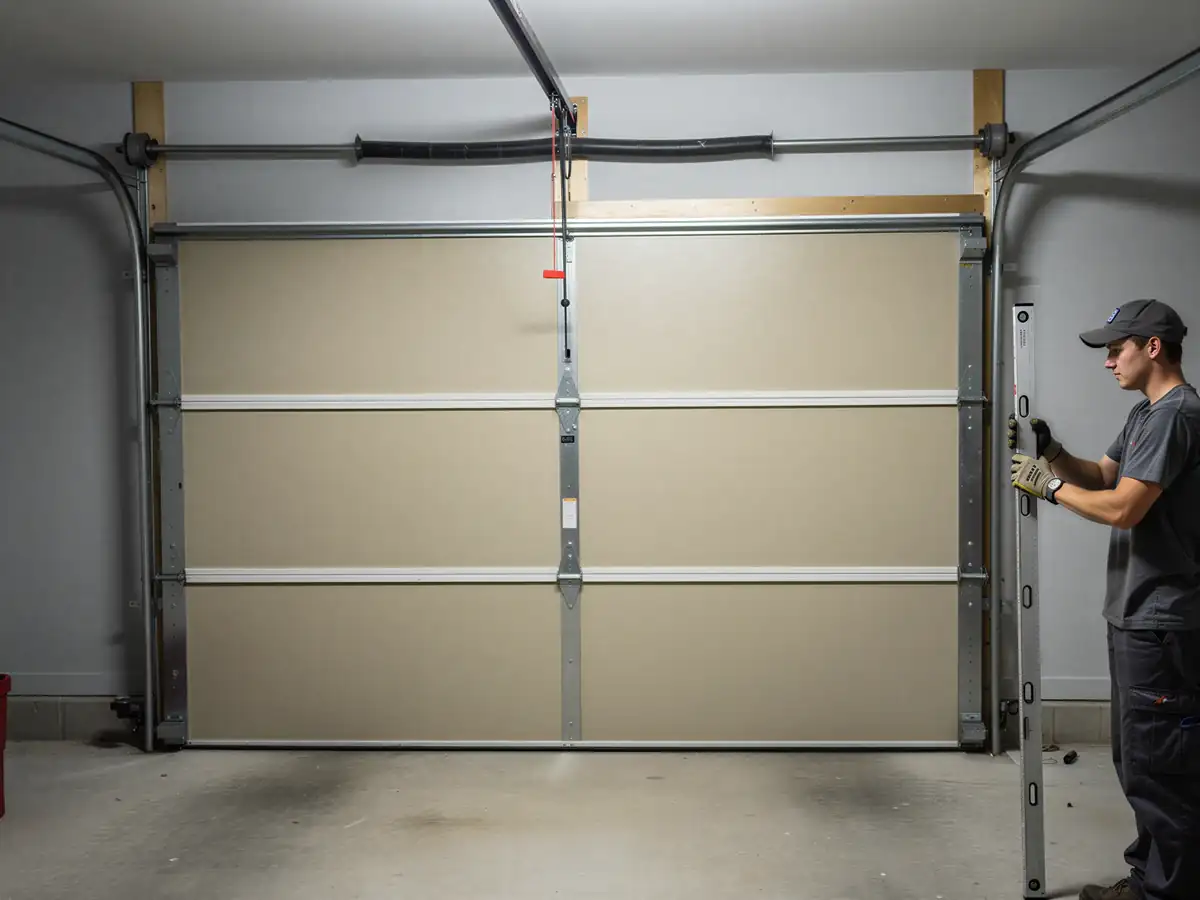
A technician tests the door under power and by hand and finds what actually failed.
03
Clear, up-front plan
You get the fix that’s needed and what drives the cost - before any work starts.
04
Repaired & tested
The repair is done, the door is set true and tested, and the work area left clean.
Not sure which repair your door needs in Casselberry, FL? Describe what it’s doing - every job starts with a diagnosis.
Straight answers about garage door repair in Casselberry. Still unsure? Ask us directly.
How often should a garage door get maintenance in Casselberry?
Once a year is the baseline for most doors here, twice a year if the door is original to a house built before the 2000s. With median household income at $82,768 across tens of thousands of owner-occupied houses in this area, most owners can budget a modest annual visit rather than a surprise repair bill later.
Why does my door feel heavier or noisier than it used to?
Usually it's lubricant that's dried out of the rollers and hinges, or a torsion spring that's lost some of its tension after years of cycling. In this climate, that wear happens faster than in a dry inland area, so a door that felt fine two years ago can feel noticeably off now without anything dramatic having broken.
Can maintenance catch a spring before it breaks?
Often, yes. A spring nearing the end of its life usually shows signs first - uneven lift, a door that drifts, visible gaps in the coil - before it lets go completely. Regular inspection catches that window. It can't catch every failure, and a spring can still break between visits, but it cuts the odds significantly.
Is maintenance worth it on an older door, or should I just replace it?
Depends on the hardware. If the track, springs, and opener are original from a home built in the 1960s-80s range common across this area, maintenance can extend its life, but at some point replacement parts for very old hardware get harder to source and a new system makes more sense than chasing repairs.