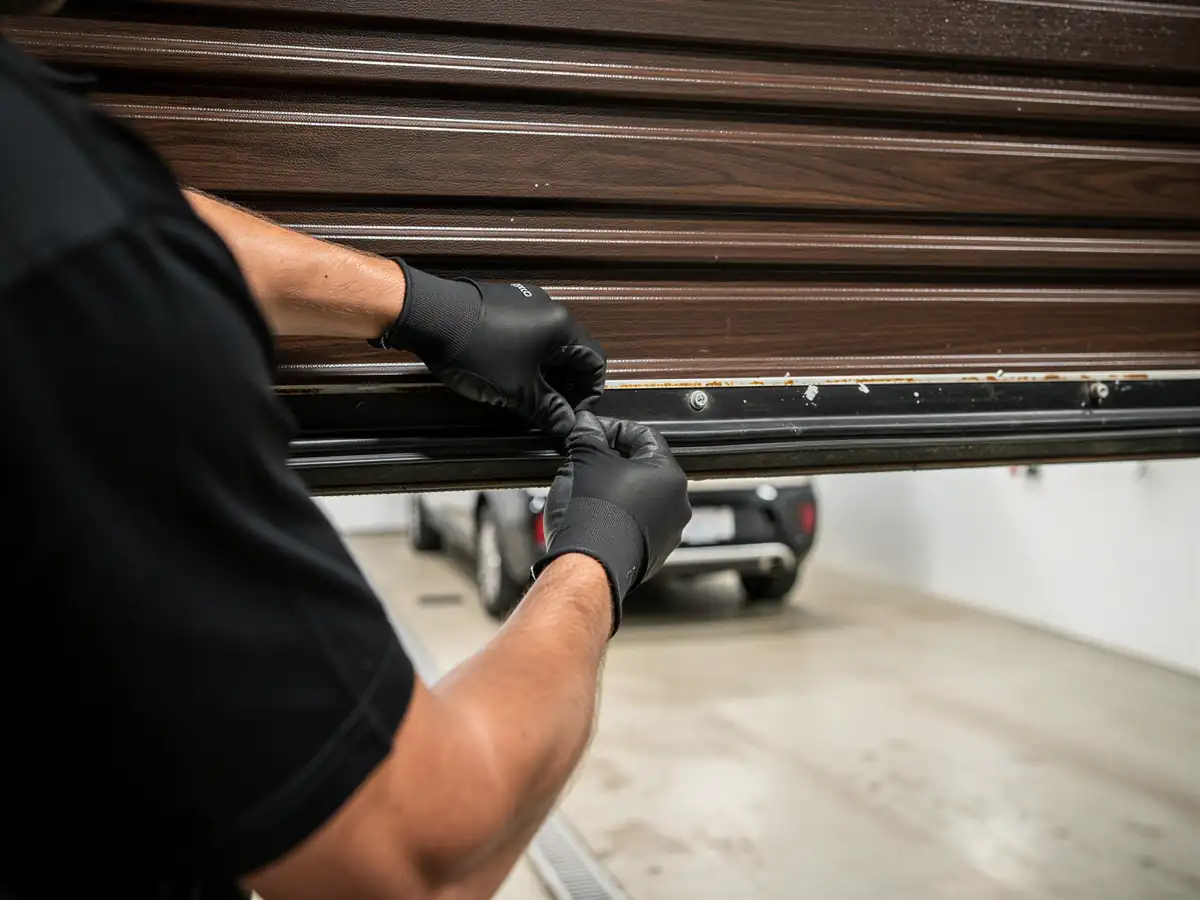
What a Technician Checks First on a Casselberry Garage Door
A look at what a Casselberry garage door technician checks first, tied to the 1964-2004 housing stock and the mild, humid climate common across the area.
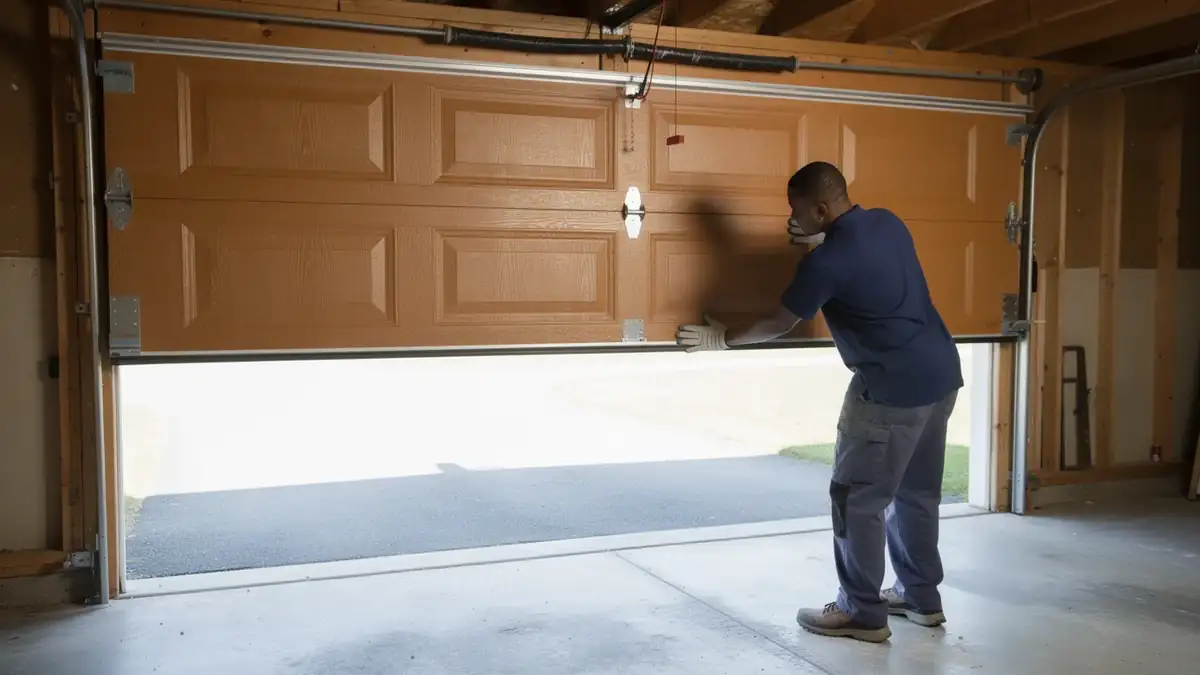
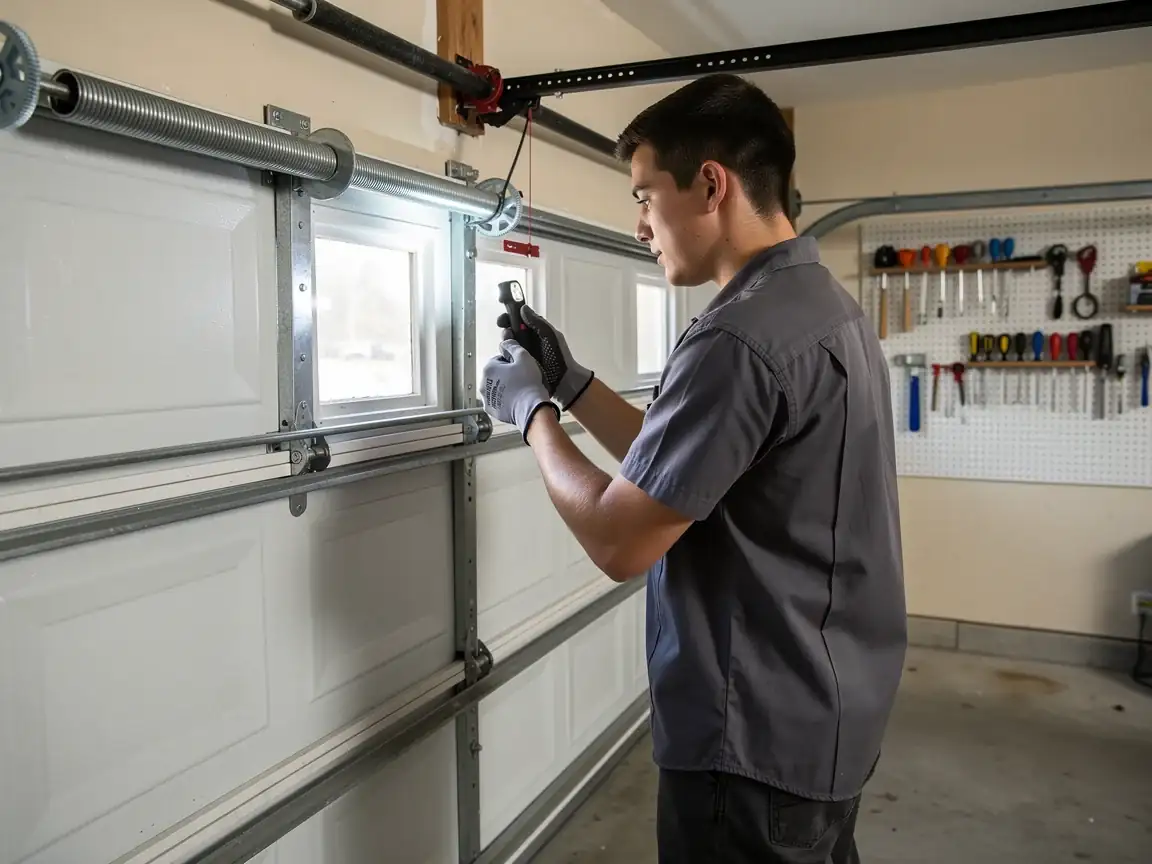
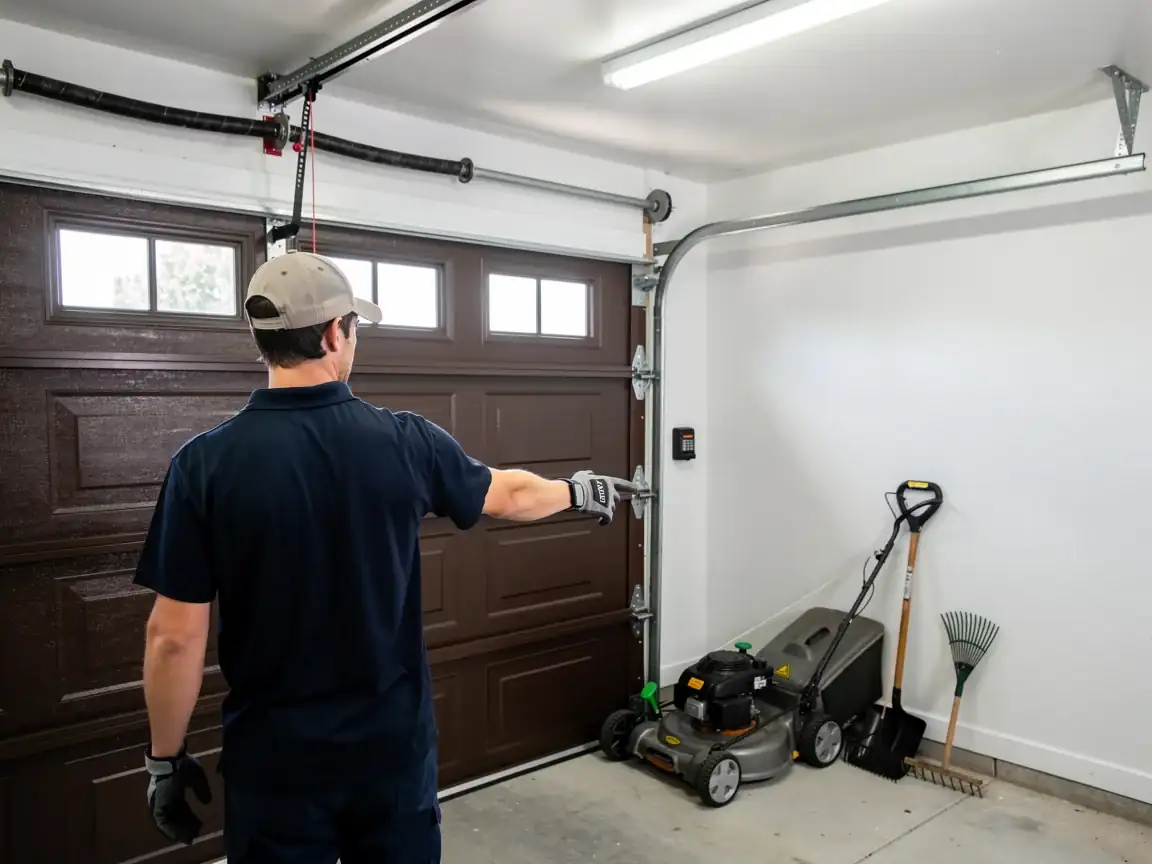
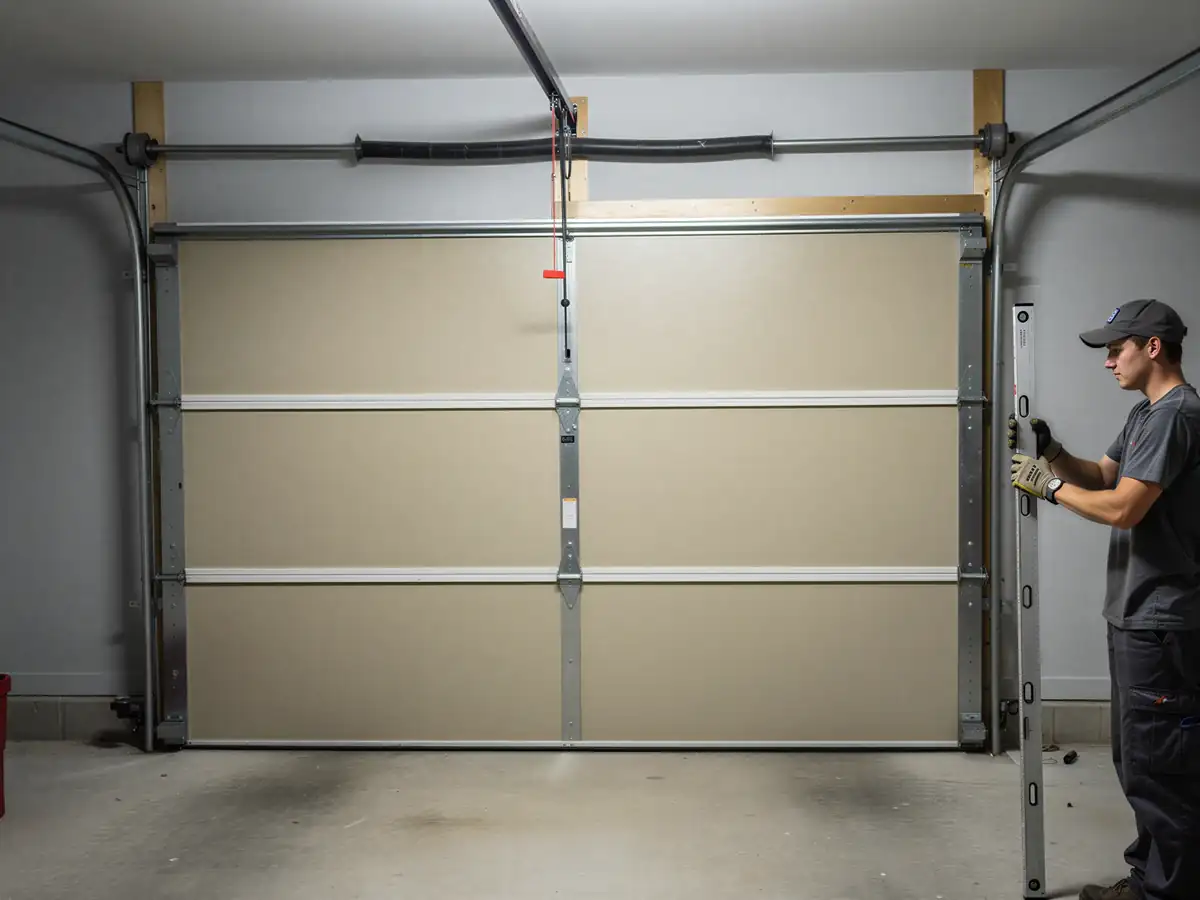
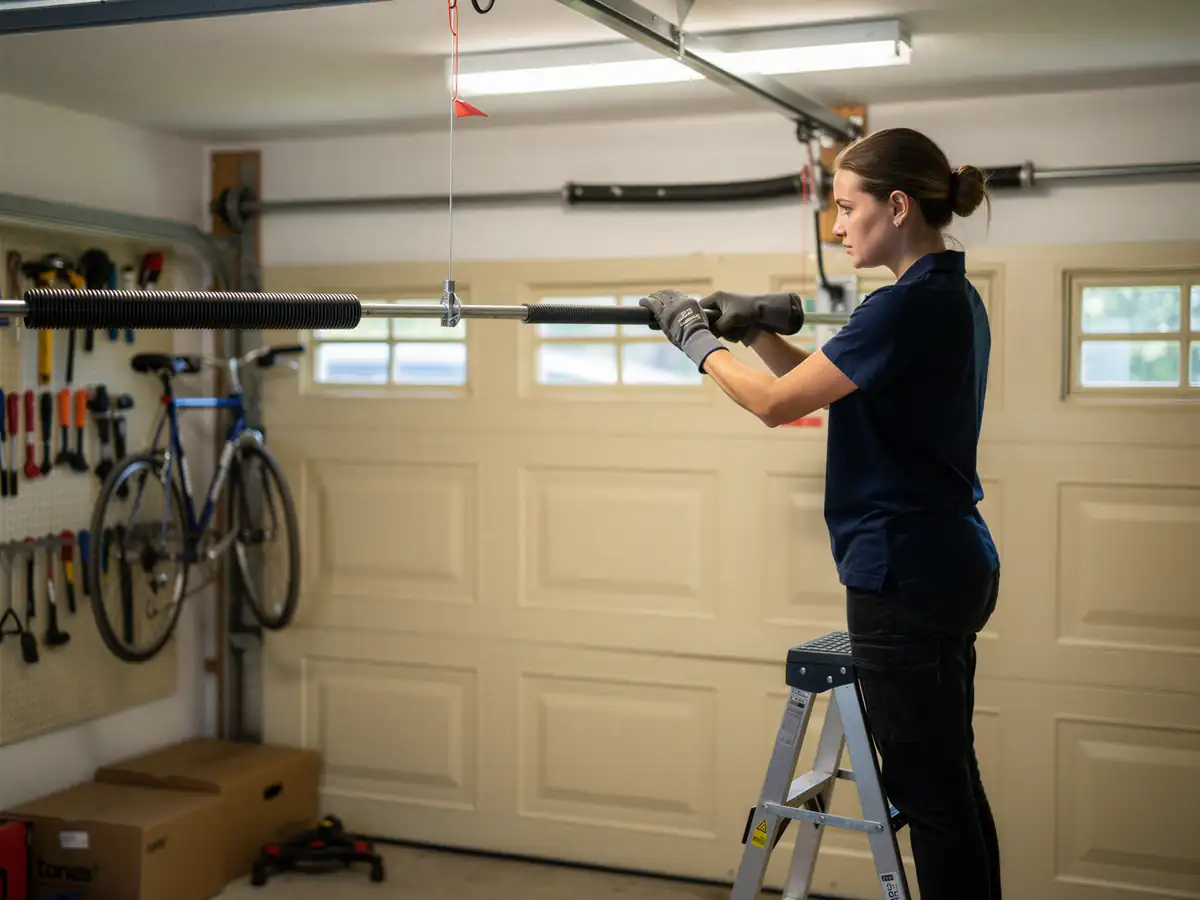
Most houses in this part of Central Florida went up between 1964 and 2004, with the bulk of the stock dating to the 1980s and 90s. That matters because a door from that era is usually running on its original torsion spring and a steel track that's been painted over more than once. When a spring on one of these doors lets go, it's not a job you finish with a ladder and a YouTube video - the spring is wound to a tension that matches the door's weight, and guessing at that number is how people end up in the ER. A tech's first move on a call like this is to look at the winding cone and the spring gauge before touching anything else, because a 1984-built door and a 2001-built door in the same neighborhood can carry different hardware even if the houses look alike from the street. If the bottom bracket or the cable drum shows rust pitting, that's usually your sign the whole assembly needs replacing, not just the spring. DIY ends right about there - once you're talking about anything under tension, it's a two-person job with the right bars, not a solo afternoon project.
What the Weather Here Does to It
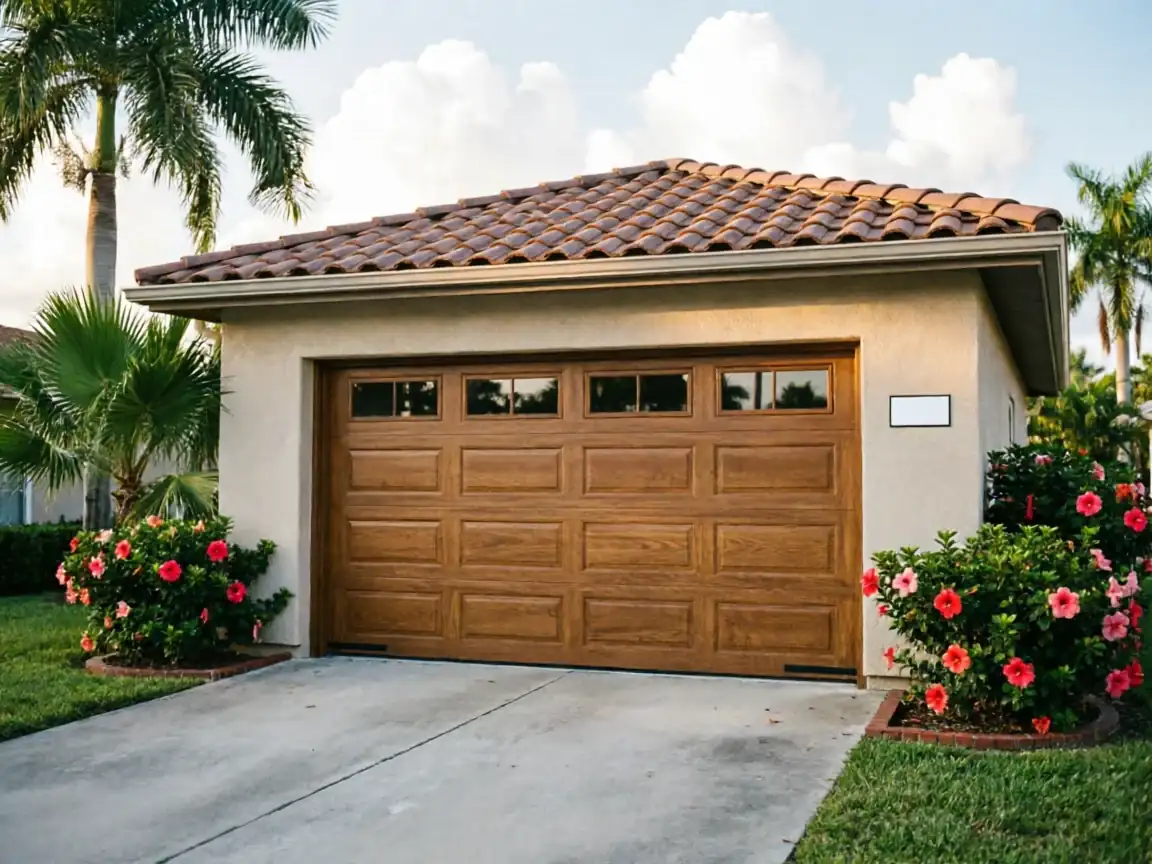
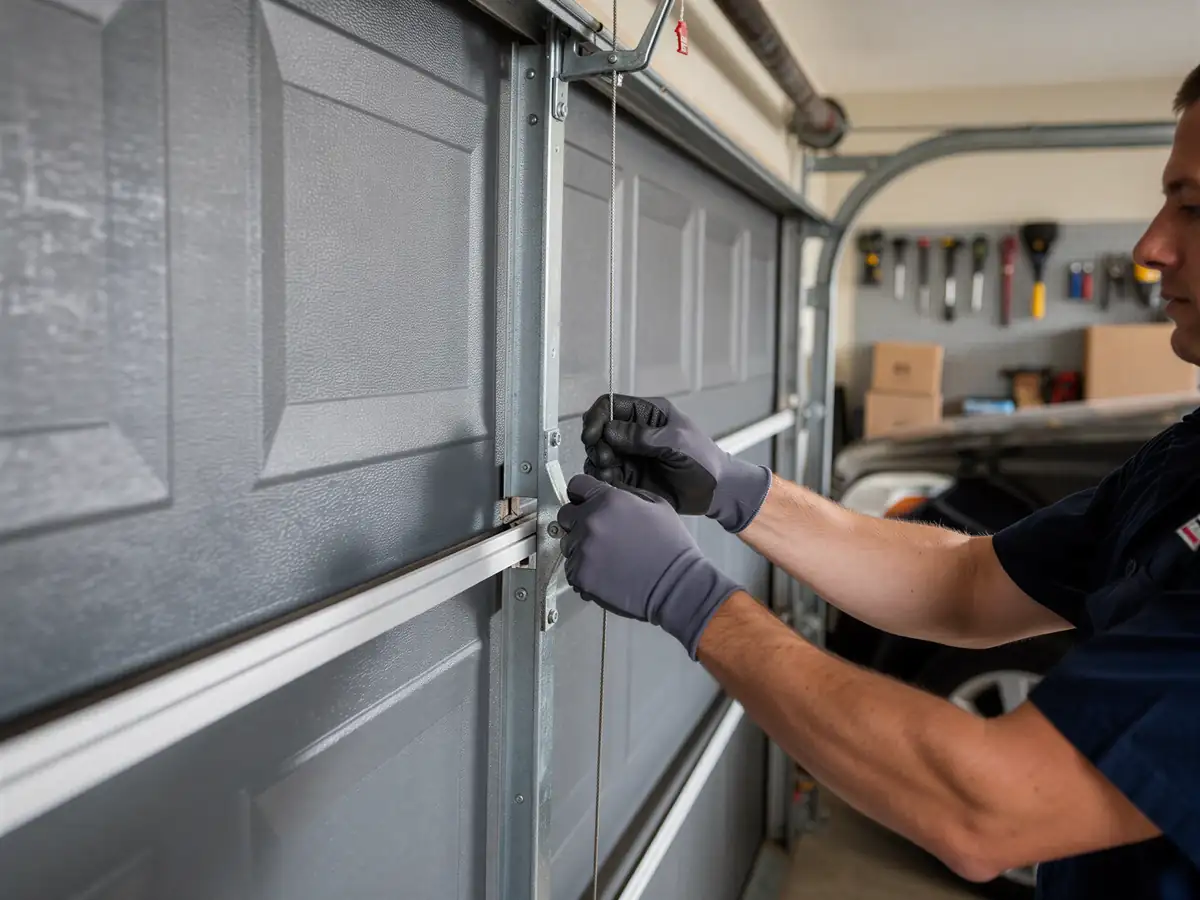
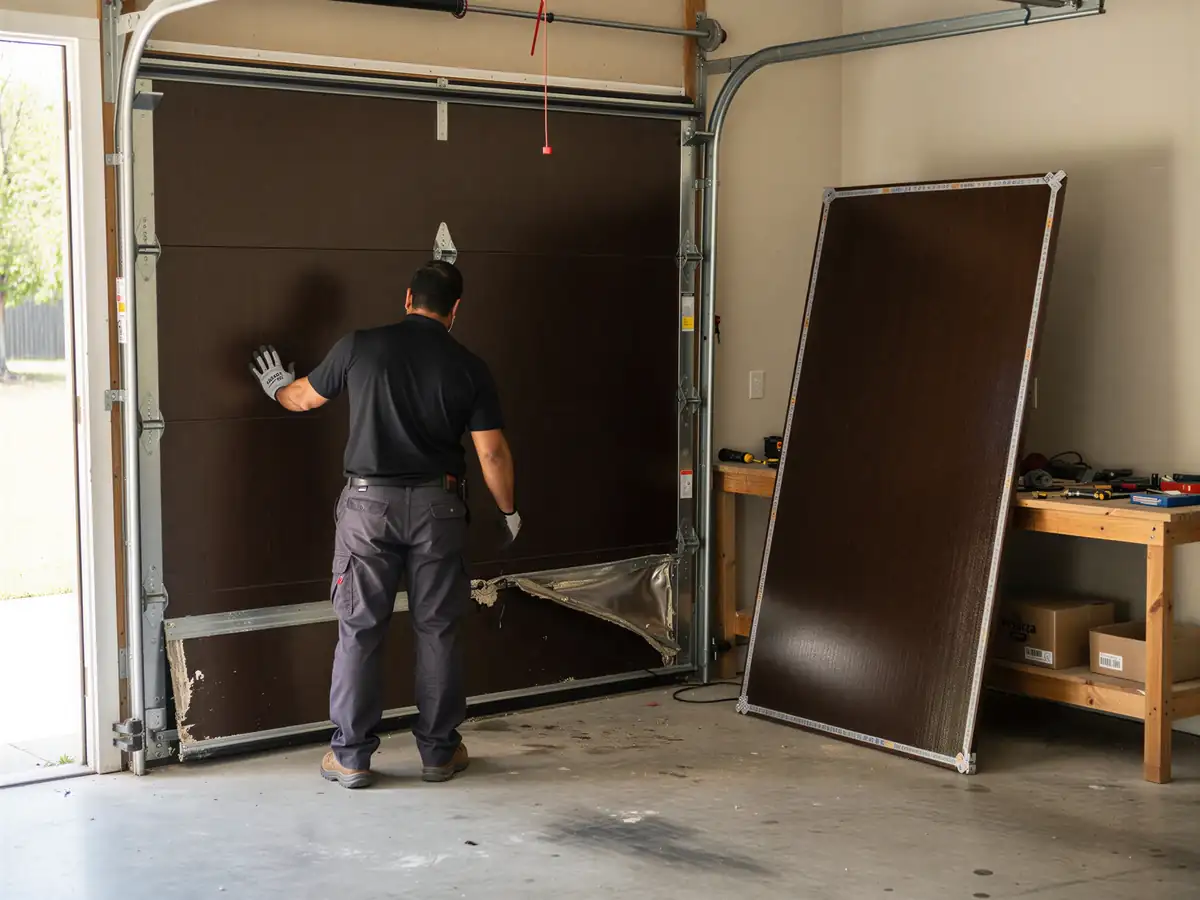
This area sits in a mild temperate band - no hard freezes to worry about, but also no dry season that lets hardware rest. The humidity here is constant enough that unprotected steel tracks and hinges corrode slowly instead of all at once, which is why doors that look fine from the driveway can have rollers that are seizing up inside the track. A technician checks the roller stems and hinge pins for that fine orange dust before anything else, because it tells you lubrication washed off months ago and nobody noticed. Sun exposure is the other half of it - panels facing west on an unshaded driveway take UV and heat cycling every day of the year, and on the steel doors common in the 1980s-90s builds here, that shows up as bubbling paint and warped weatherstripping well before the mechanics fail. Wood-composite trim pieces, where a house still has them, tend to swell at the bottom corner first. None of this is dramatic weather damage - it's slow, and that's exactly why it gets missed until the door won't seal at the floor anymore.
The Problem
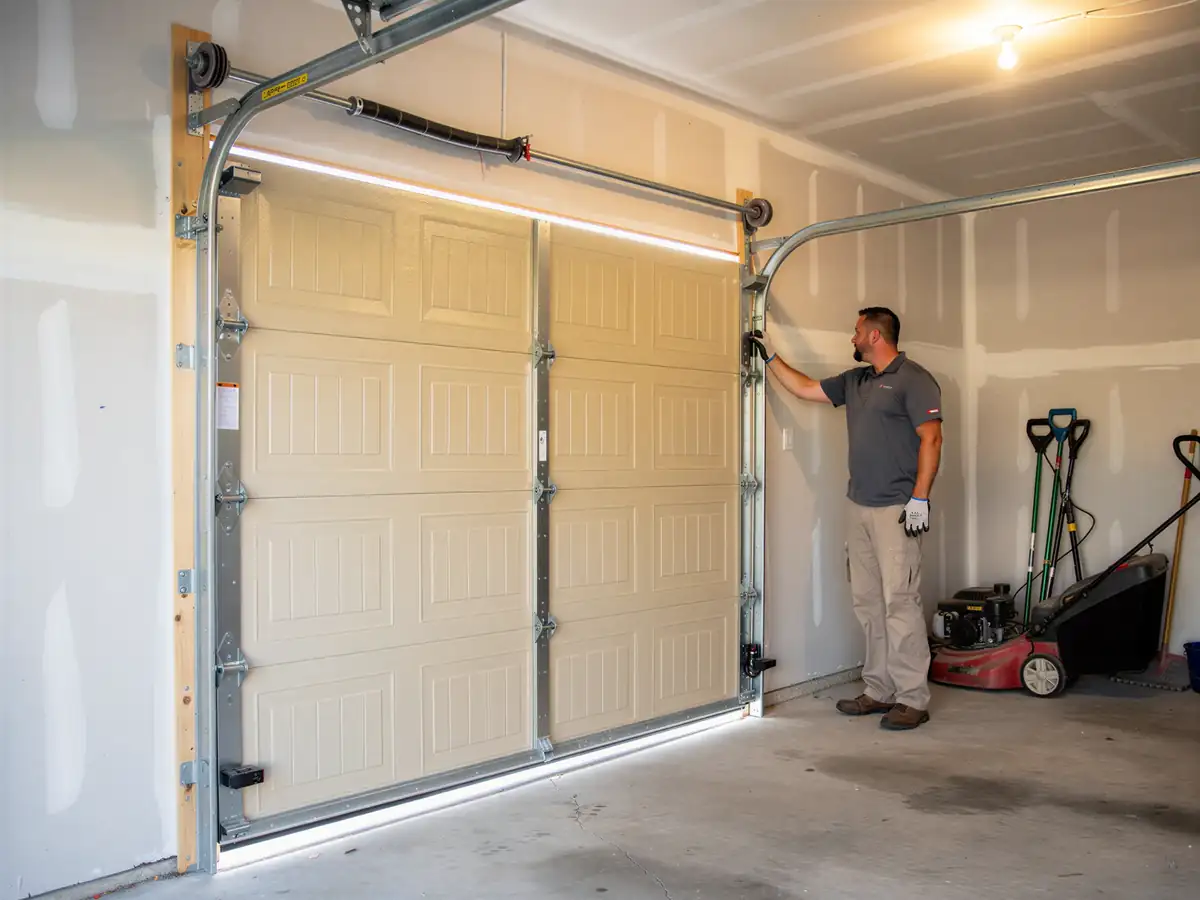
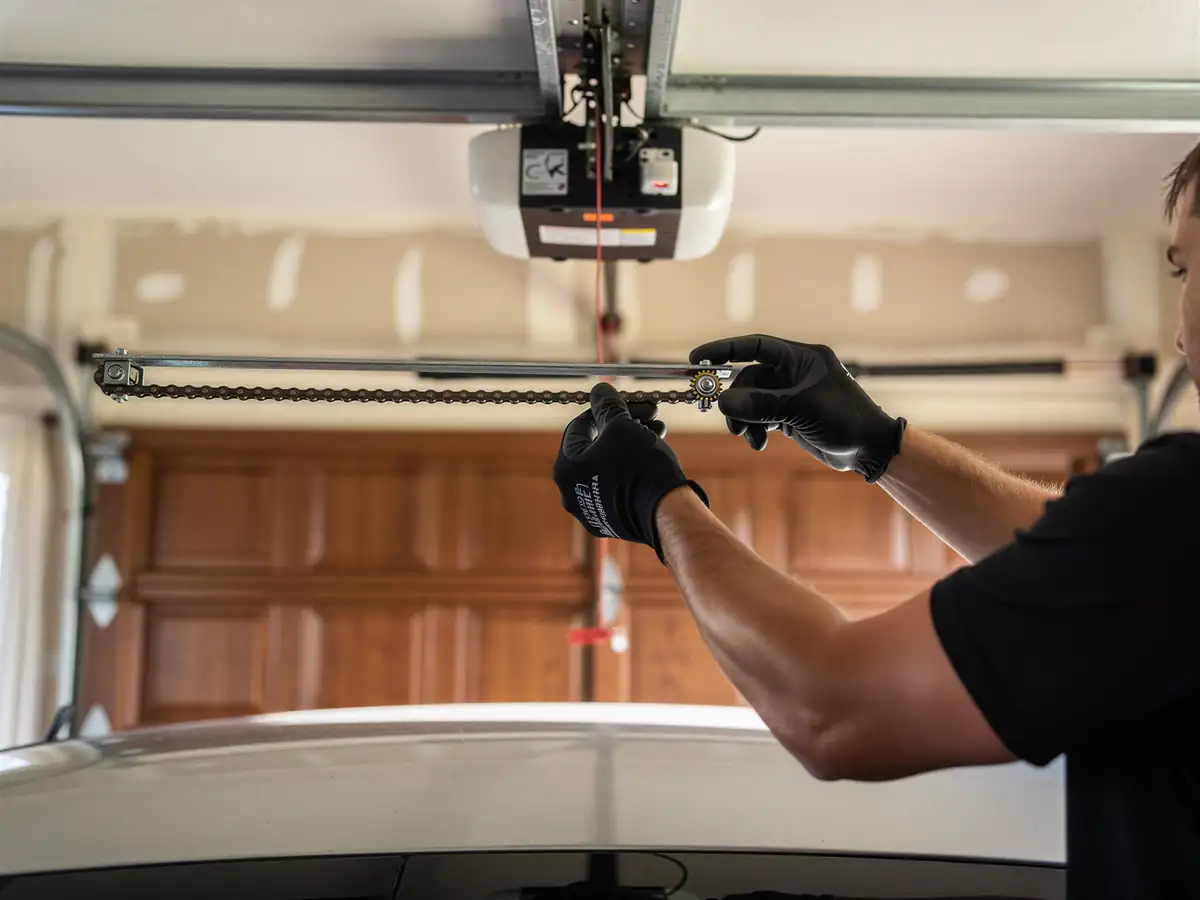
The actual failure pattern around here is predictable once you've seen enough of these houses. A door installed when the home was built in the 70s, 80s, or 90s is now well past the cycle count its torsion spring was rated for, and the openers from that period - chain-drive units with aging capacitors - are the ones that start grinding or reversing mid-close. A tech checks the opener's force settings first, because half the "broken door" calls turn out to be a motor straining against a spring that lost tension years ago, not a dead motor. The honest limitation here: if the spring, the opener, and the track are all original to a house built in the 80s, patching one part usually just moves the failure to whichever part gets checked next. At some point replacing the whole operating system costs less over five years than three separate service calls. That's not an upsell line, it's just what the math looks like on a door that's been cycling for three or four decades in this climate.
The Seasonal Bit
There's no deep winter here to trigger the classic cold-snap spring failures you'd see further north, so the seasonal pattern is different. The stretch of heavier, consistent rainfall is when calls tick up - not because parts break from cold, but because standing humidity gets into openers and sensor wiring that's been degrading quietly for years in houses built before weatherproofing standards tightened. A tech checks the photo-eye sensors and the opener's circuit board connections early in a visit during these wetter months, since a door that reverses right before closing is often a sensor issue, not a spring issue. The other seasonal pattern is simpler: heat. Steel panels expand enough in full summer sun that a door adjusted to seal well in a cooler month can bind slightly at the track come the hottest stretch. It's a small thing, but on an older track that's already a little bent from decades of use, it's often the difference between a door that closes quietly and one that doesn't close at all.
How it works
From “it’s stuck” to “it’s fixed”
01
Tell us what’s wrong
Describe the symptom - won’t open, loud bang, opener runs but the door won’t move.
02
On-site diagnosis
A technician tests the door under power and by hand and finds what actually failed.
03
Clear, up-front plan
You get the fix that’s needed and what drives the cost - before any work starts.
04
Repaired & tested
The repair is done, the door is set true and tested, and the work area left clean.
Not sure which repair your door needs in Casselberry, FL? Describe what it’s doing - every job starts with a diagnosis.
Straight answers about garage door repair in Casselberry. Still unsure? Ask us directly.
My house was built in the 80s - should I expect the original spring to still be good?
Not really. A torsion spring has a rated cycle count, and a door that's been opening and closing daily since the 1980s has likely used up that rating years ago. A tech can check the spring's gauge and winding against the door's weight to tell you how close it is to failing rather than guessing from age alone.
Does the humidity here really affect my garage door that much?
Yes, more than people expect. Unlike a dry climate, constant humidity slowly corrodes unprotected steel hardware - rollers, hinges, cable ends - even without a single hard freeze. That's why hinges on an older door can seize up well before anything visibly breaks.
Is it worth repairing an opener from a house built in the 90s, or should I replace it?
Depends what's failing. If it's just the sensors or a logic board, repair often makes sense. If the opener is original to a house from that era and the motor itself is straining, replacing it usually costs less over time than repeated service calls on an aging unit.
Why does my door bind in the middle of summer but not other times?
Steel panels expand with heat, and on a track that's already slightly bent from years of use, that extra expansion is enough to cause binding during the hottest stretch of the year. It usually isn't a new problem - it's an old one becoming visible under heat.