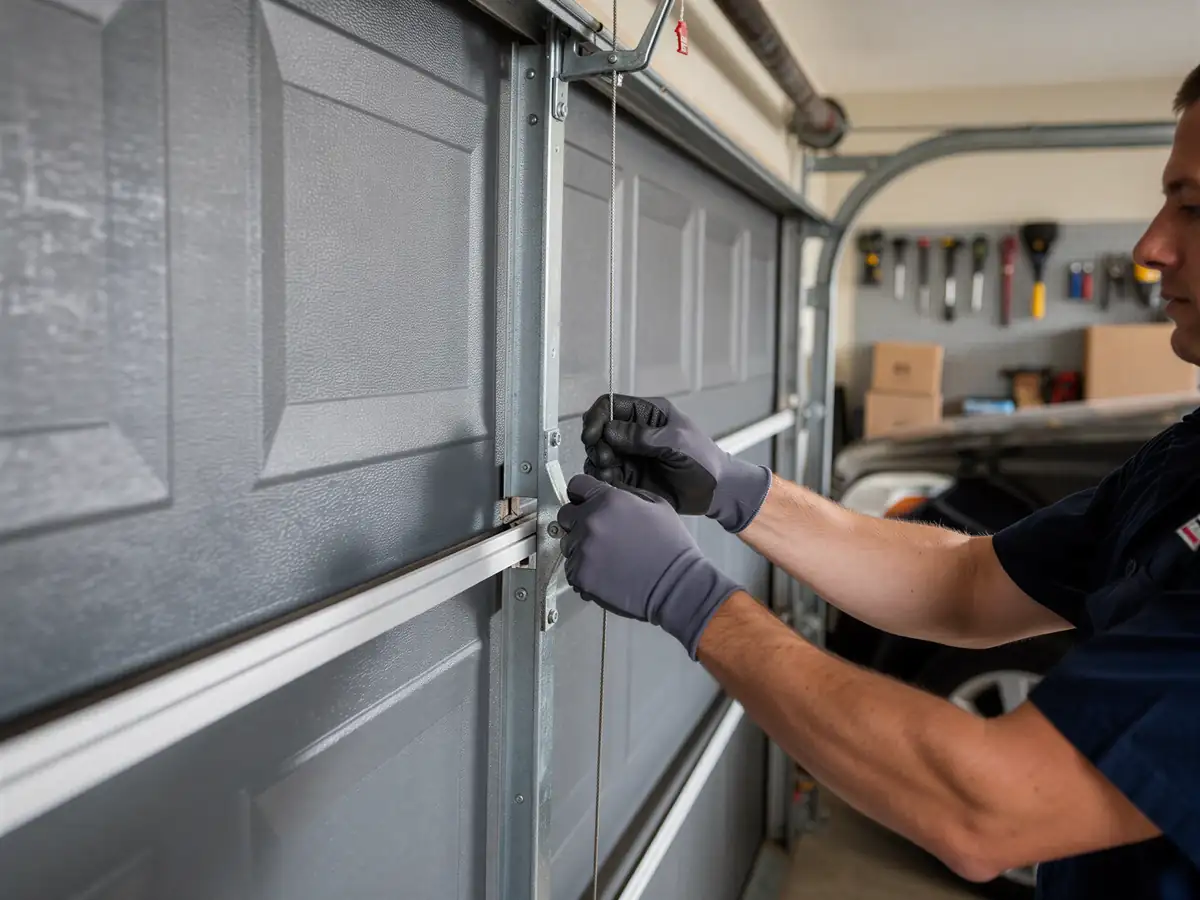
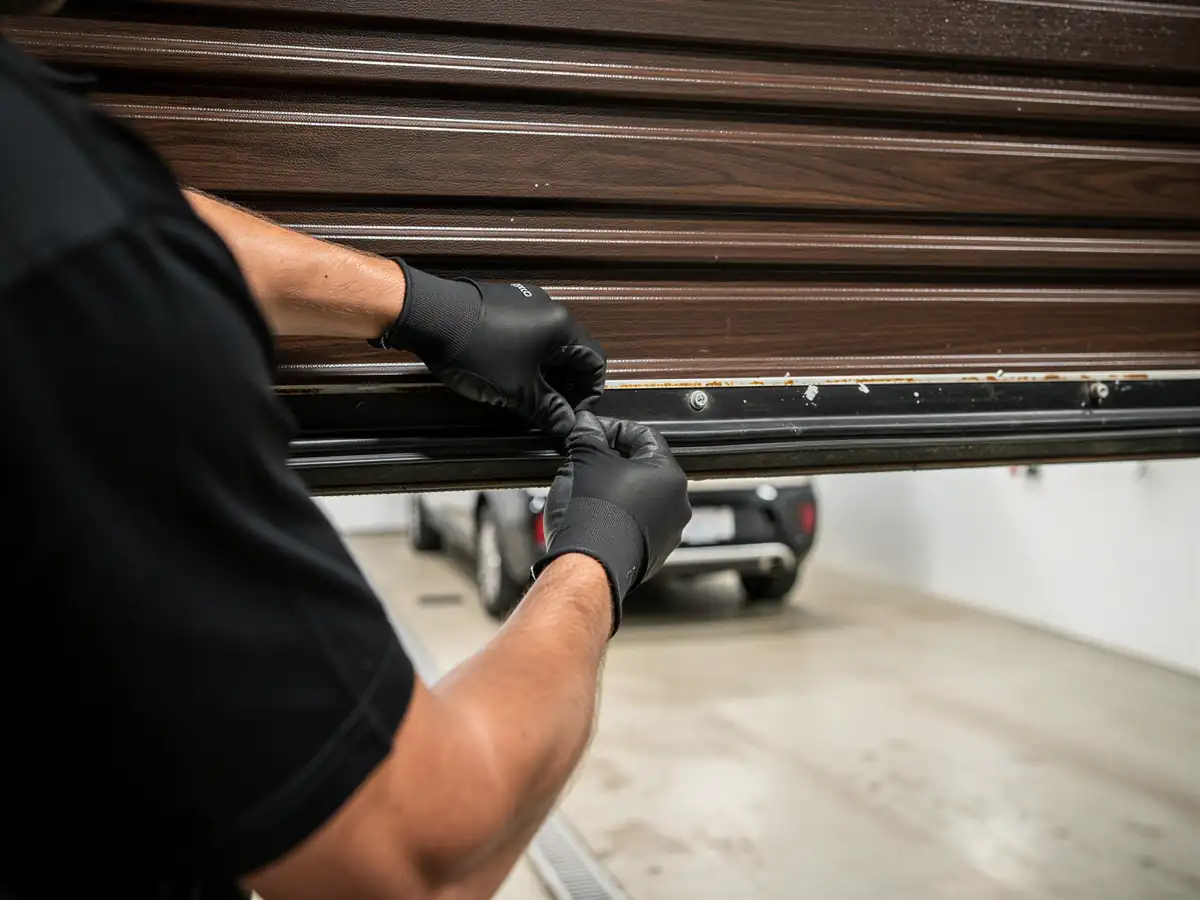
Panel Replacement for Goldenrod's 1970s-Era Garage Doors
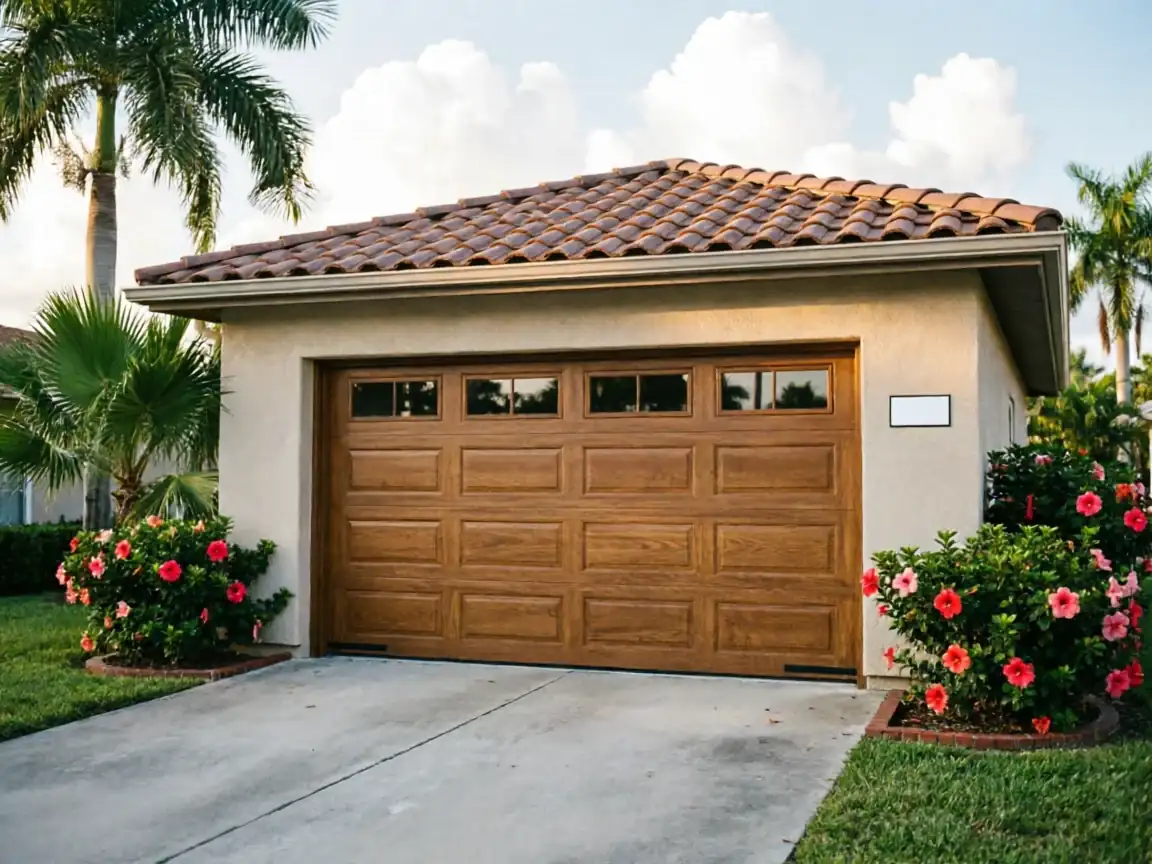
Goldenrod has about 5,400 households and a median year-built of 1979. We match panels to that era's hardware, traveling the 4 miles from Casselberry to do it.
Goldenrod is a smaller pocket of the service area - about 5,399 households, nowhere near the size of the bigger named areas we cover. That matters for parts planning: a town this size doesn't generate enough call volume on its own to justify guessing at inventory, so we build our stock around what actually shows up on the job, not what's common everywhere.
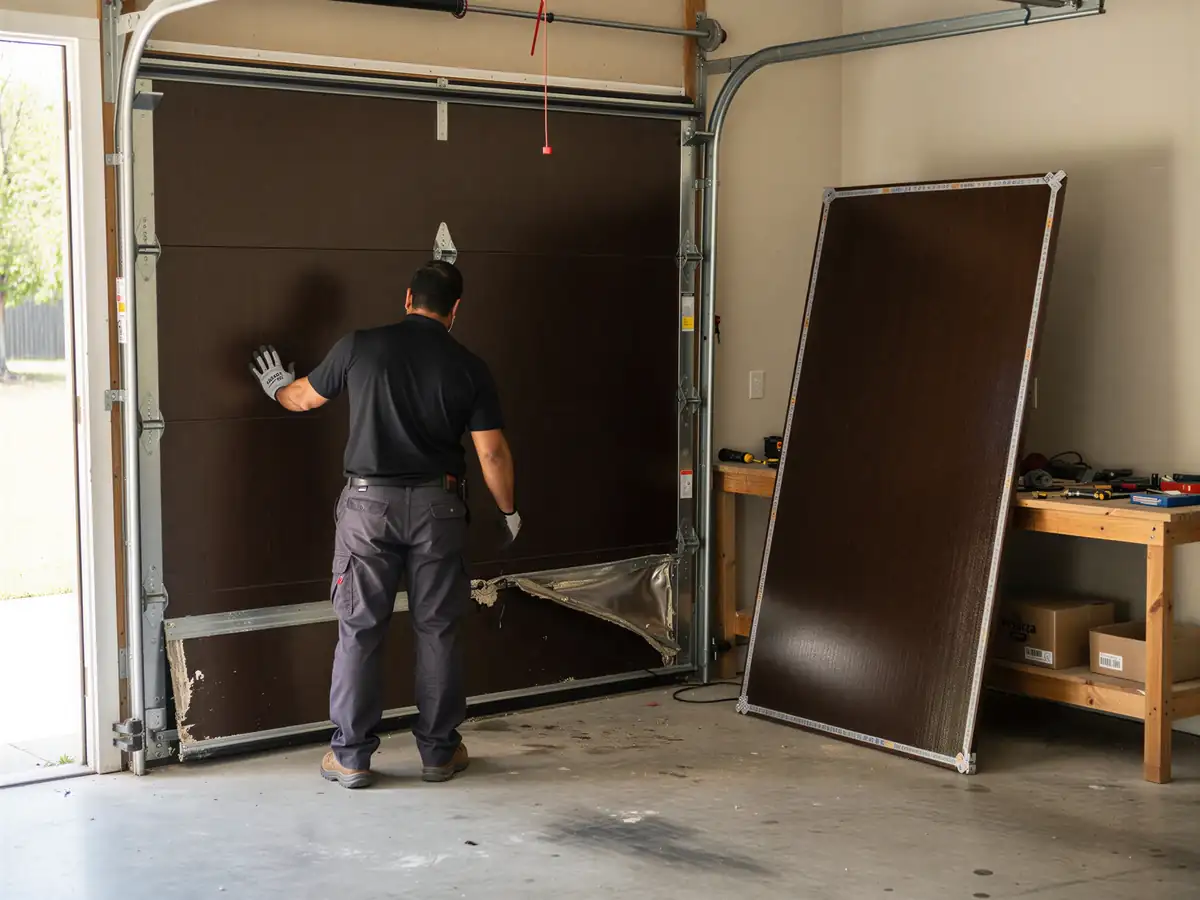
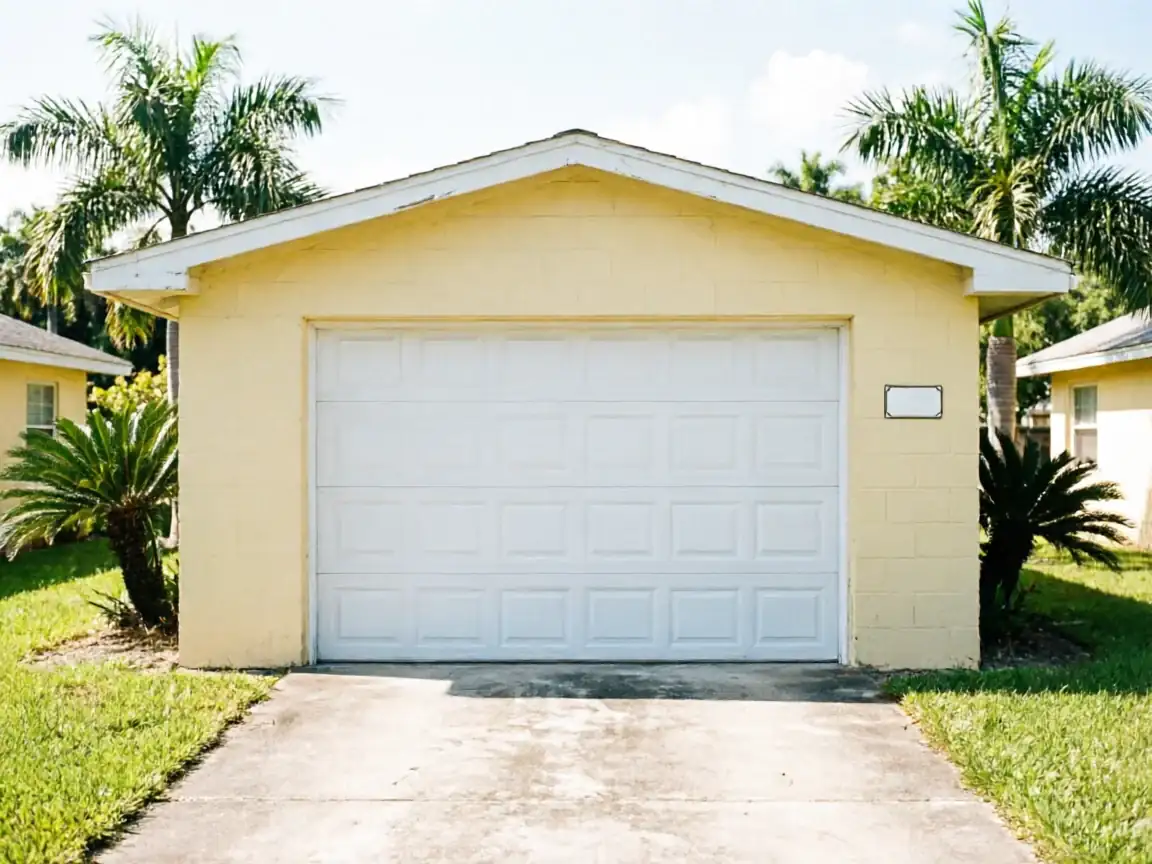
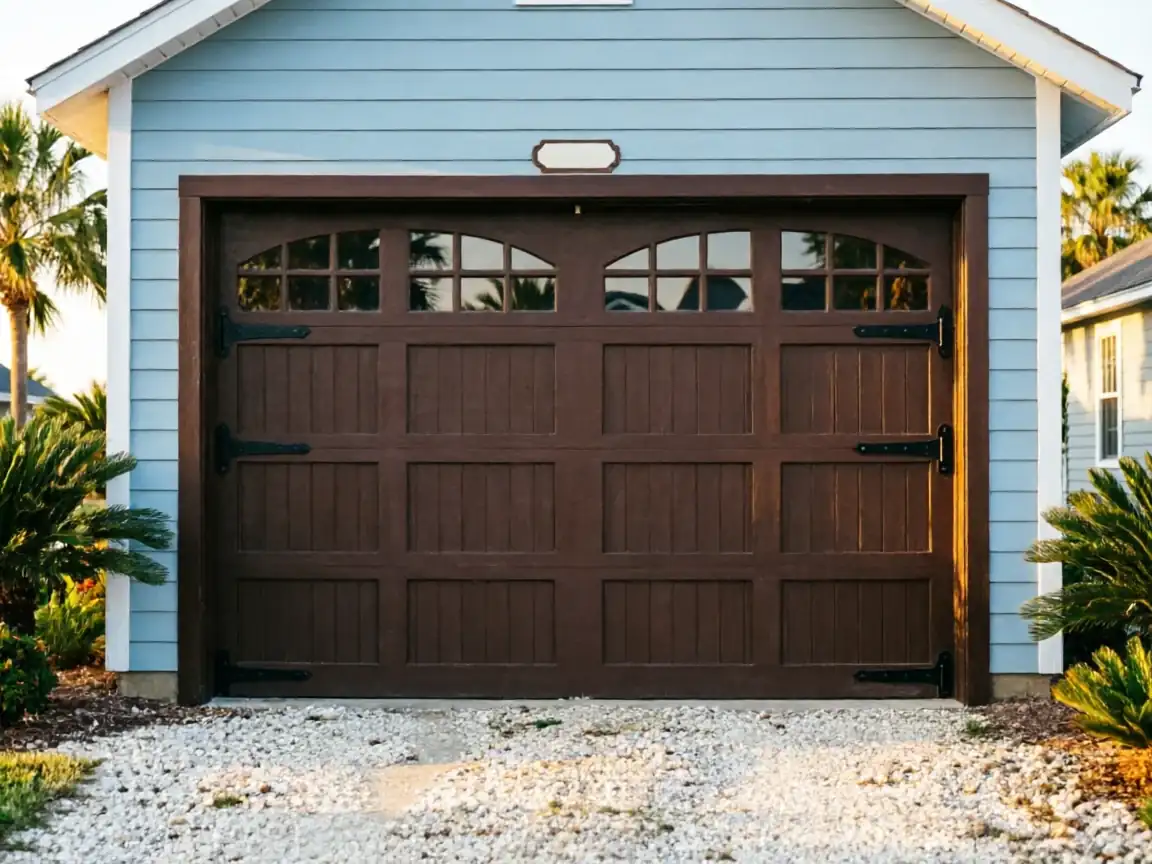
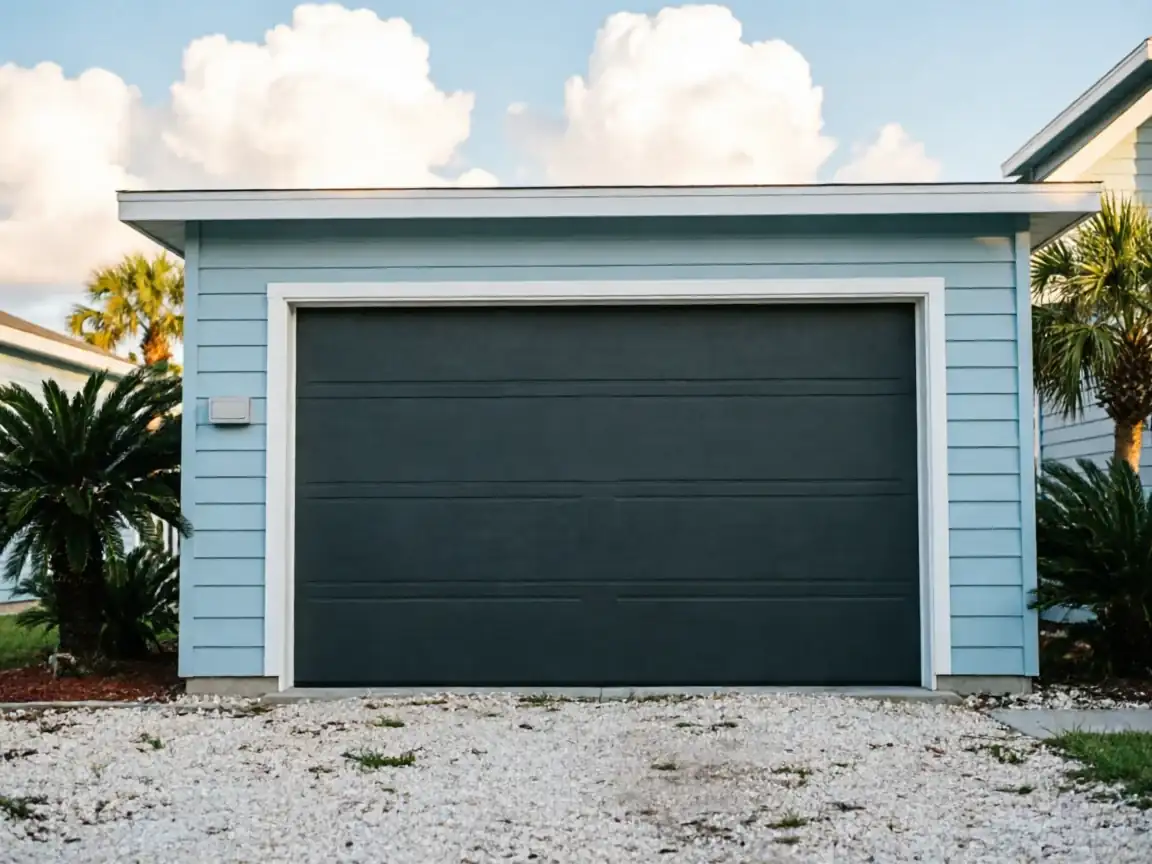
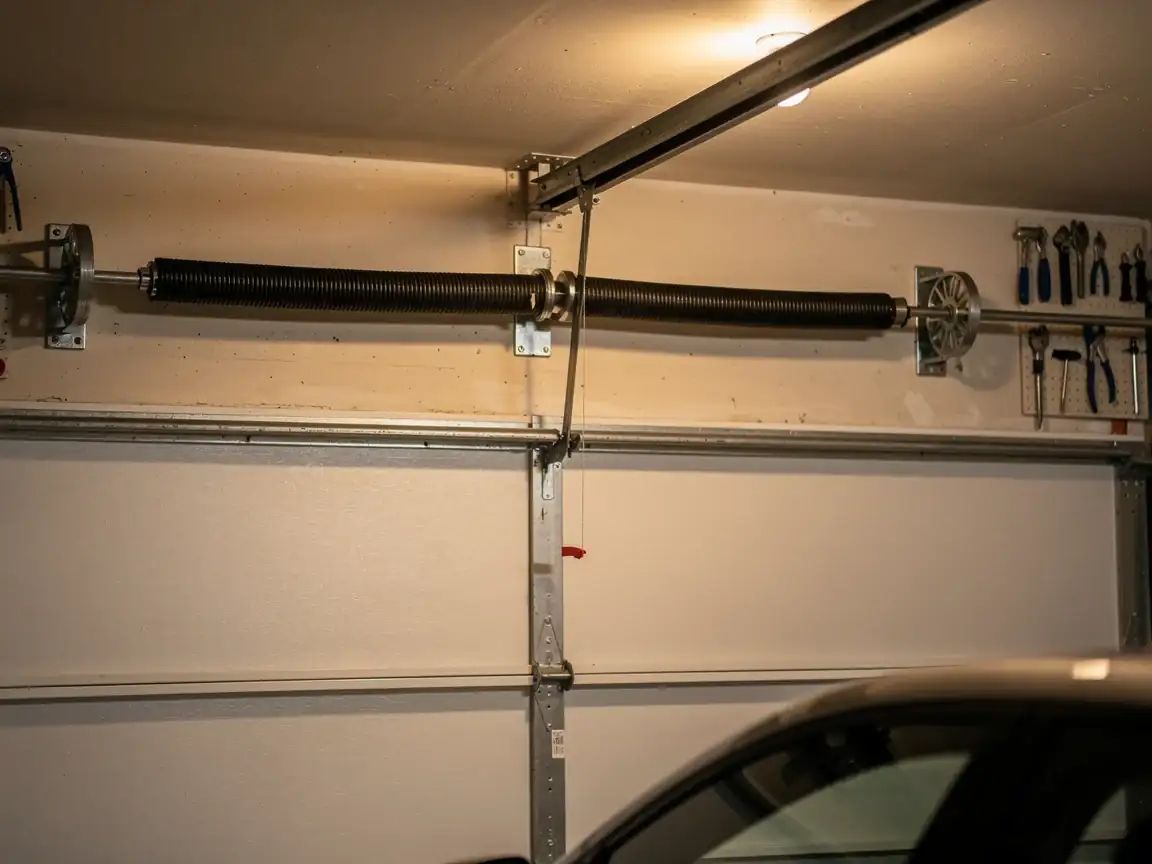
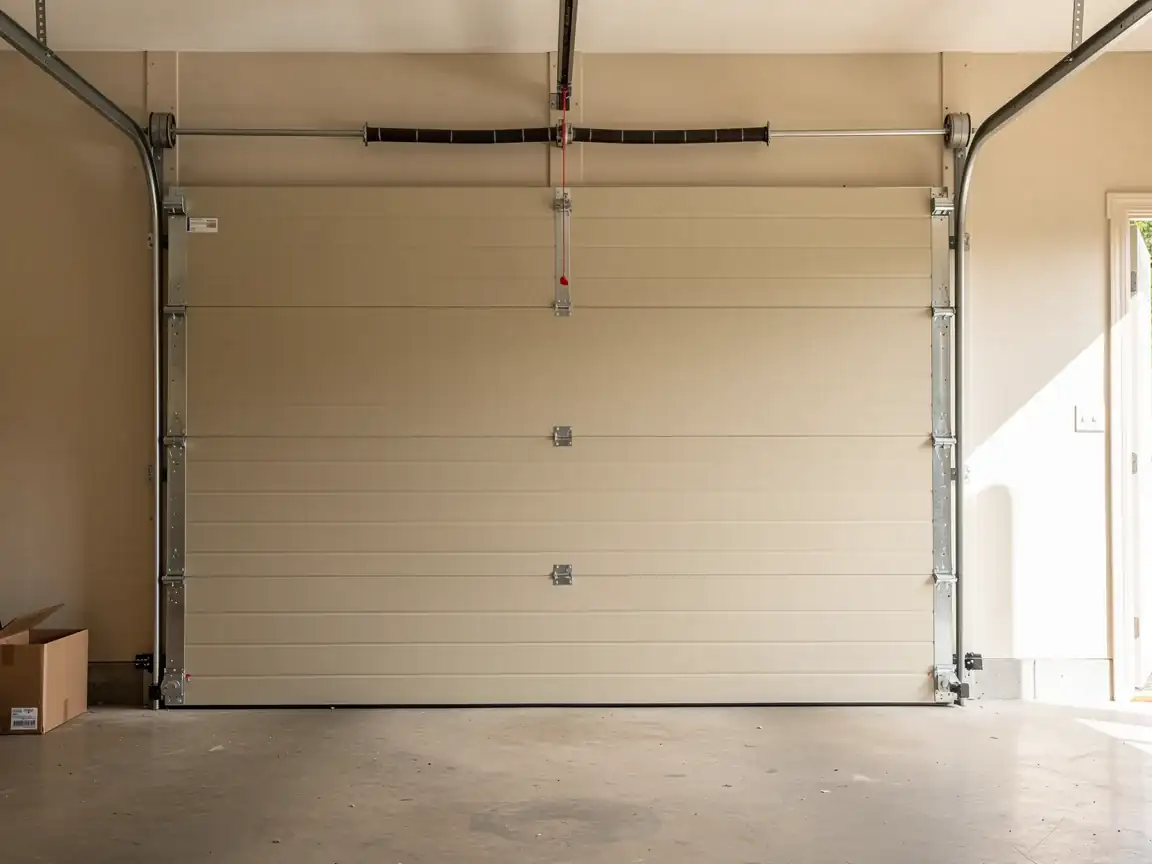
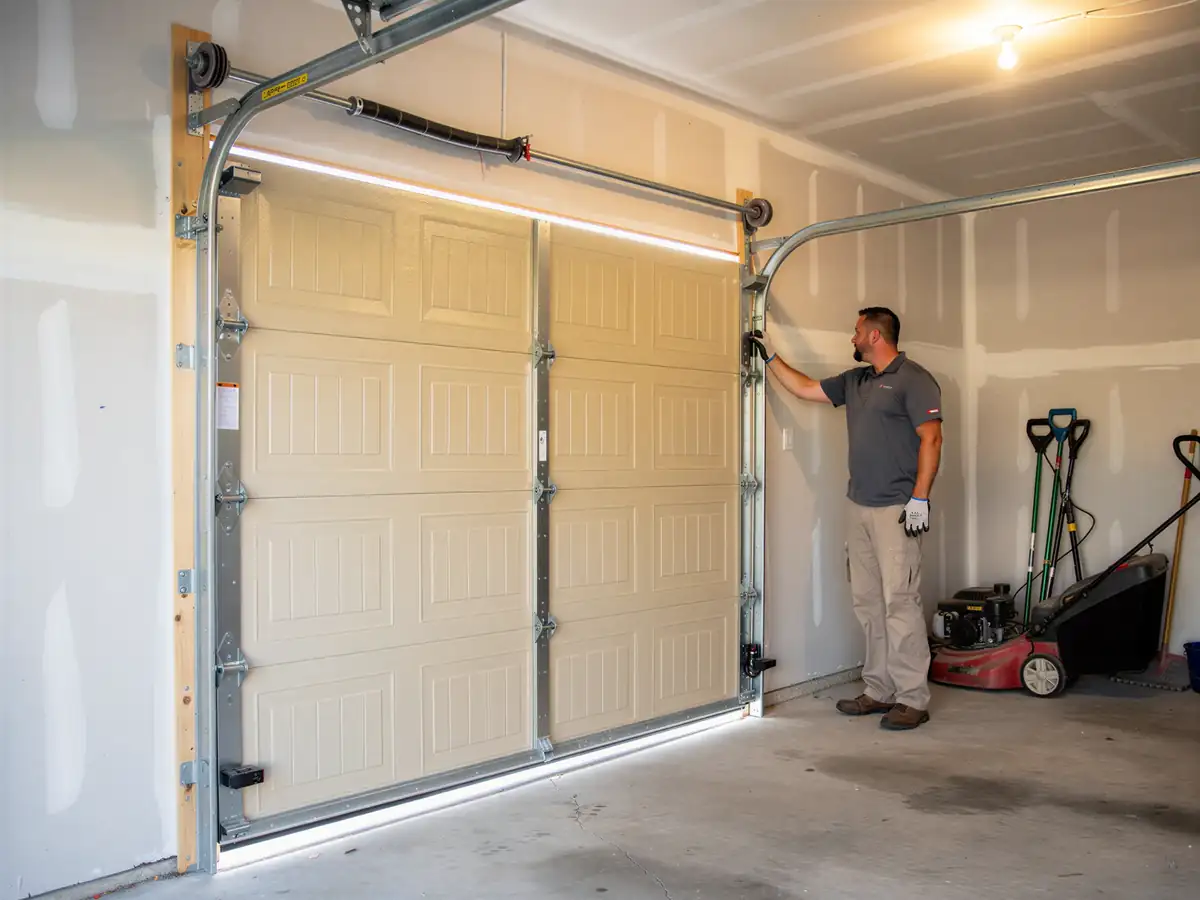
With a median year-built of 1979, a good share of Goldenrod's doors predate the 1964-2004 range that defines most of the wider service area, and sit near the early edge of it. That means steel raised-panel sections in narrower widths than what's sold today, sometimes paired with hardware that newer stock panels don't bolt to without an adapter. We carry the common steel panel sizes for that era on the truck out of Casselberry, four miles off, along with the brackets and hinges that bridge older framing to current panel stock.
What we don't carry is every discontinued embossing pattern. If your door has a specific wood-grain stamp from a builder run in the late 1970s, we tell you that up front rather than promising a seamless match we can't deliver.
The Complications
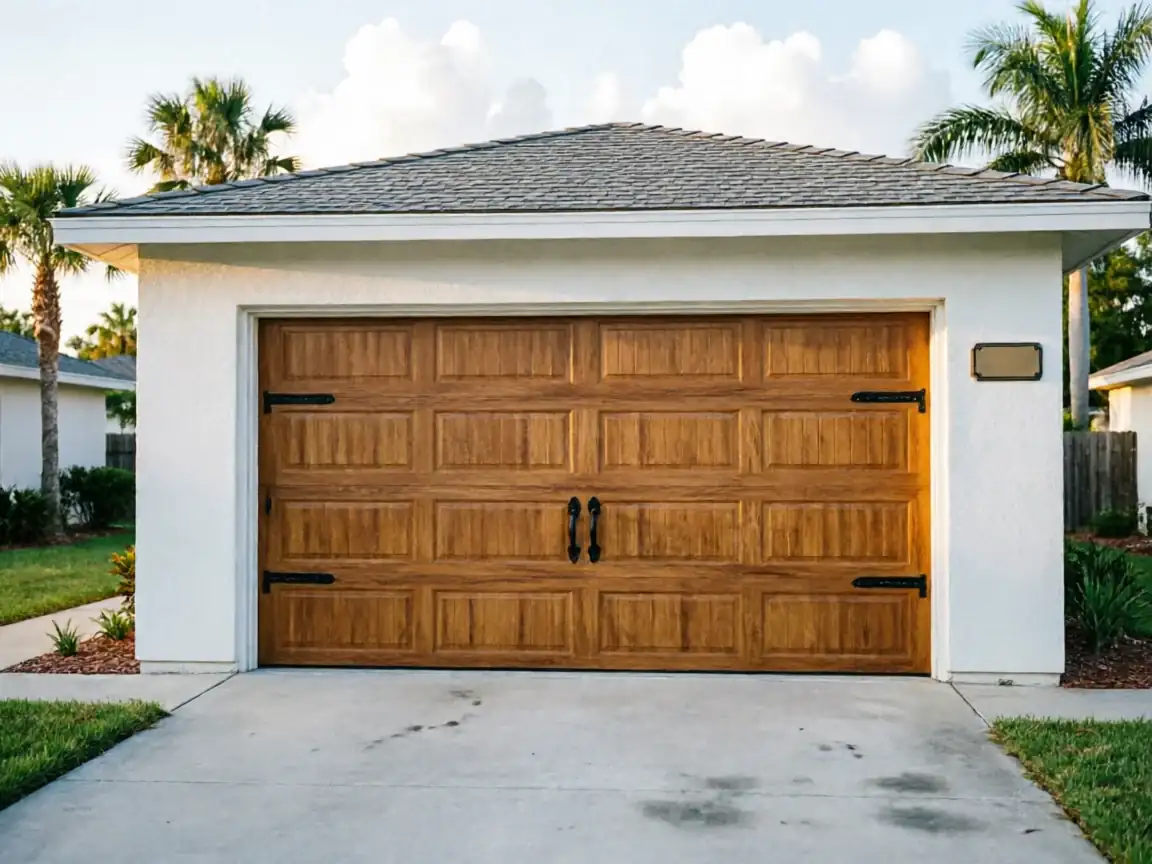
A door built around 1979 has usually been painted at least once, sometimes twice, by the time a panel needs swapping. Paint hides a lot, but it doesn't hide a color match problem - the new panel comes in clean and the rest of the door has thirty-plus years of fade on it, mild Florida sun included. Repaint the whole door or accept a visible seam; those are the two honest options.
The other complication is panel width. Doors from this period often use a slightly different rib spacing than what's manufactured now, which means a straight panel swap isn't always a drop-in. We check the full section, not just the damaged panel, before quoting the job, because ordering the wrong width wastes a trip.
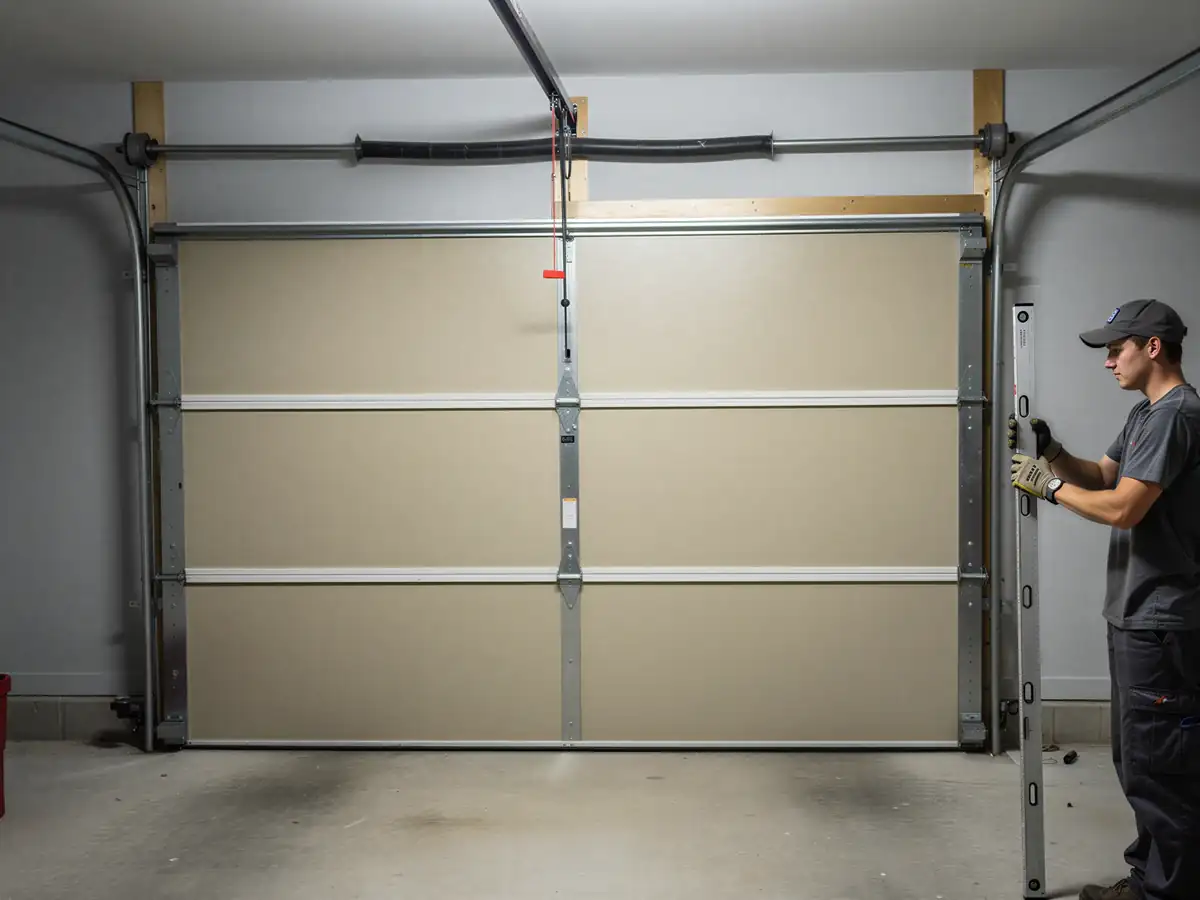
Track alignment is the third issue. On a door this old, one bent or swapped panel can throw off a track that was already settled into its own slight wear pattern. Swapping the panel sometimes means shimming the track too, and we won't know that until the old panel is off.
Why This Fails Locally
01
Goldenrod's median household income sits at $62,410
Noticeably below the $82,768 median across the broader service area. That gap shows up directly in how panel jobs get decided here: a full door swap that makes financial sense in a higher-income area often doesn't pencil out the same way in Goldenrod, so more homeowners ask us to source a single matching panel instead of replacing the whole door.
02
The problem is that a 1979-era door is harder to match a single panel to than a door built in the 1990s or 2000s
Which is what most of the stocked replacement panels on the market are sized for. Chasing an exact match on an older, narrower-rib panel can mean a longer wait or a panel that's close but not identical in profile.
03
We'll tell you straight when a one-panel fix isn't worth the hunt and a two-panel or full-door approach saves money over time
We won't push a mismatched panel onto a door just to close the job fast.
The Symptom
The call we get from Goldenrod is usually a bottom panel - dented from a trailer hitch backing in, or rusted through at the bottom edge where water sits after rain. Florida's mild, humid climate doesn't crack panels the way a freeze-thaw cycle would further north, but it does work rust into any spot where the galvanized coating has been scratched or chipped for a few seasons.
Sometimes it's a middle panel, usually from an impact - a ladder, a bike, a car bumper that didn't stop in time. On a door built around 1979, that panel is holding onto hinges and rollers that have had decades to wear into their own groove, so a replacement panel needs to seat into that existing wear pattern, not fight it.
If you're seeing a panel that's bowed rather than dented, that's usually wind or impact pressure over time rather than a single event, and it's worth having us look at the whole section before ordering a replacement.
How it works
From “it’s stuck” to “it’s fixed”
01
Tell us what’s wrong
Describe the symptom - won’t open, loud bang, opener runs but the door won’t move.
02
On-site diagnosis
A technician tests the door under power and by hand and finds what actually failed.
03
Clear, up-front plan
You get the fix that’s needed and what drives the cost - before any work starts.
04
Repaired & tested
The repair is done, the door is set true and tested, and the work area left clean.
Not sure which repair your door needs in Casselberry, FL? Describe what it’s doing - every job starts with a diagnosis.
Straight answers about garage door repair in Casselberry. Still unsure? Ask us directly.
Can you match a panel on a door built in the late 1970s?
Sometimes. Steel panels from that era often use narrower rib spacing than current stock, so an exact match isn't guaranteed. We check panel width and embossing pattern before quoting, and we'll tell you if a full-door approach makes more sense than chasing a near-match.
Why does the new panel look a different color than the rest of my door?
Sun exposure over the years fades painted steel unevenly, and Goldenrod's doors have had decades of it. A fresh panel will always look newer until the whole door is repainted. We'll flag this before the job so it's not a surprise.
Do you have a shop in Goldenrod?
No. We're based in Casselberry, about four miles away, and travel out to Goldenrod for panel jobs. We carry the panel sizes common to this area's housing stock on the truck.
Is it cheaper to replace one panel or the whole door?
Depends on the door's age and how close a matching panel is to find. On older doors with discontinued profiles, a single-panel chase can cost more in search time than just replacing two panels or the full door. We'll walk you through the actual numbers for your door.