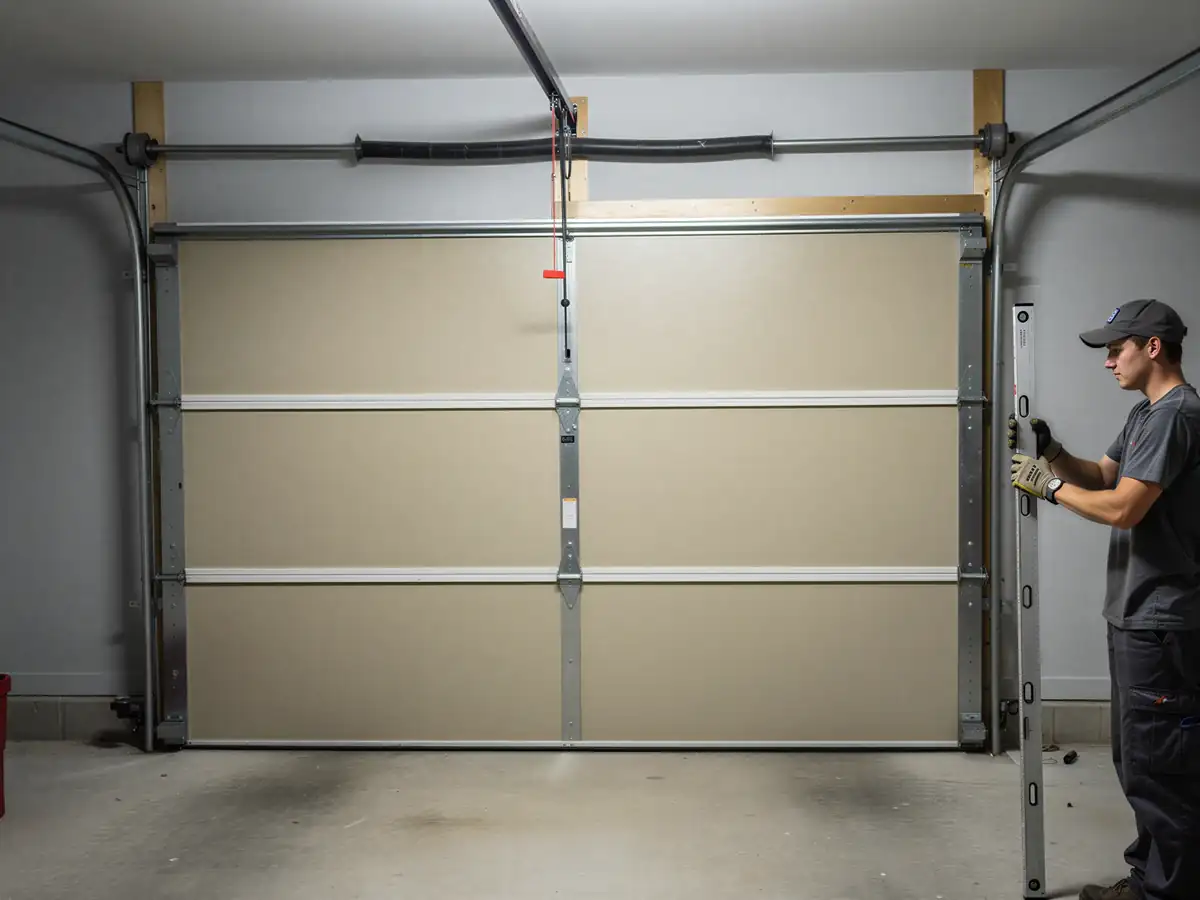
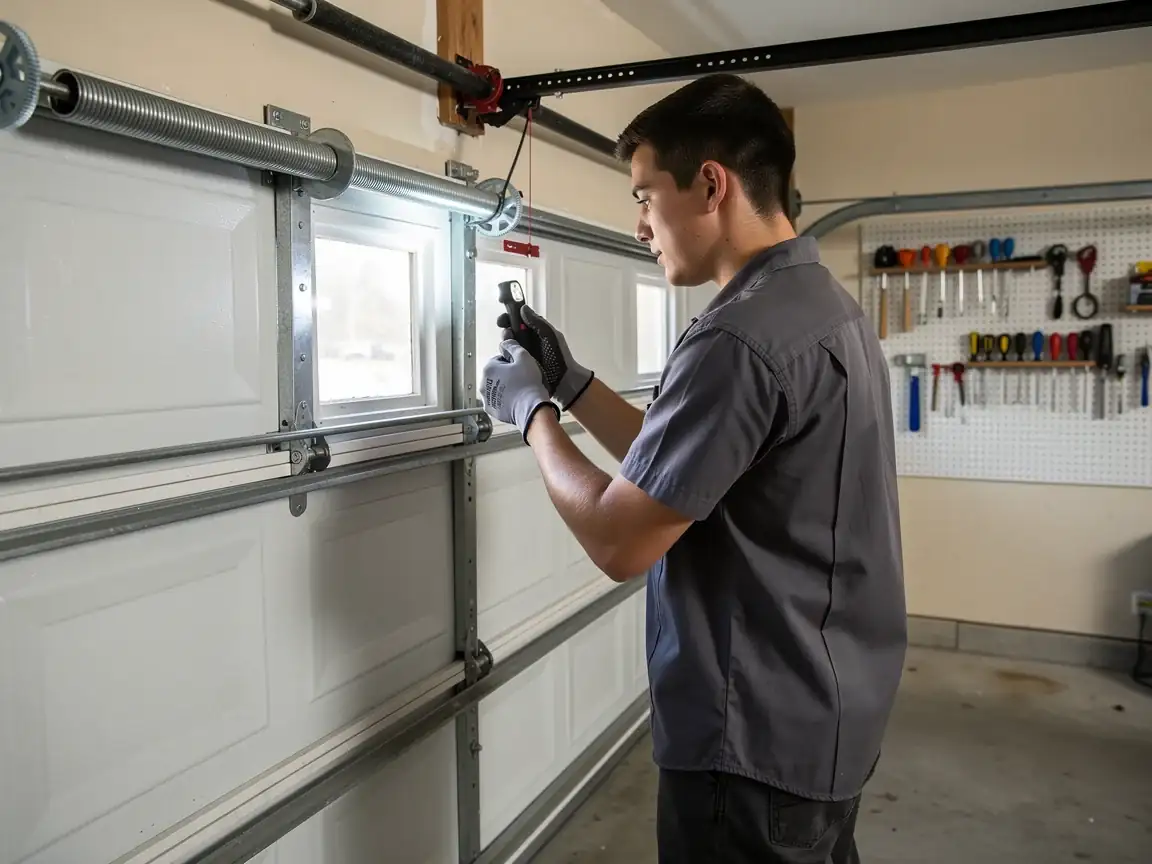
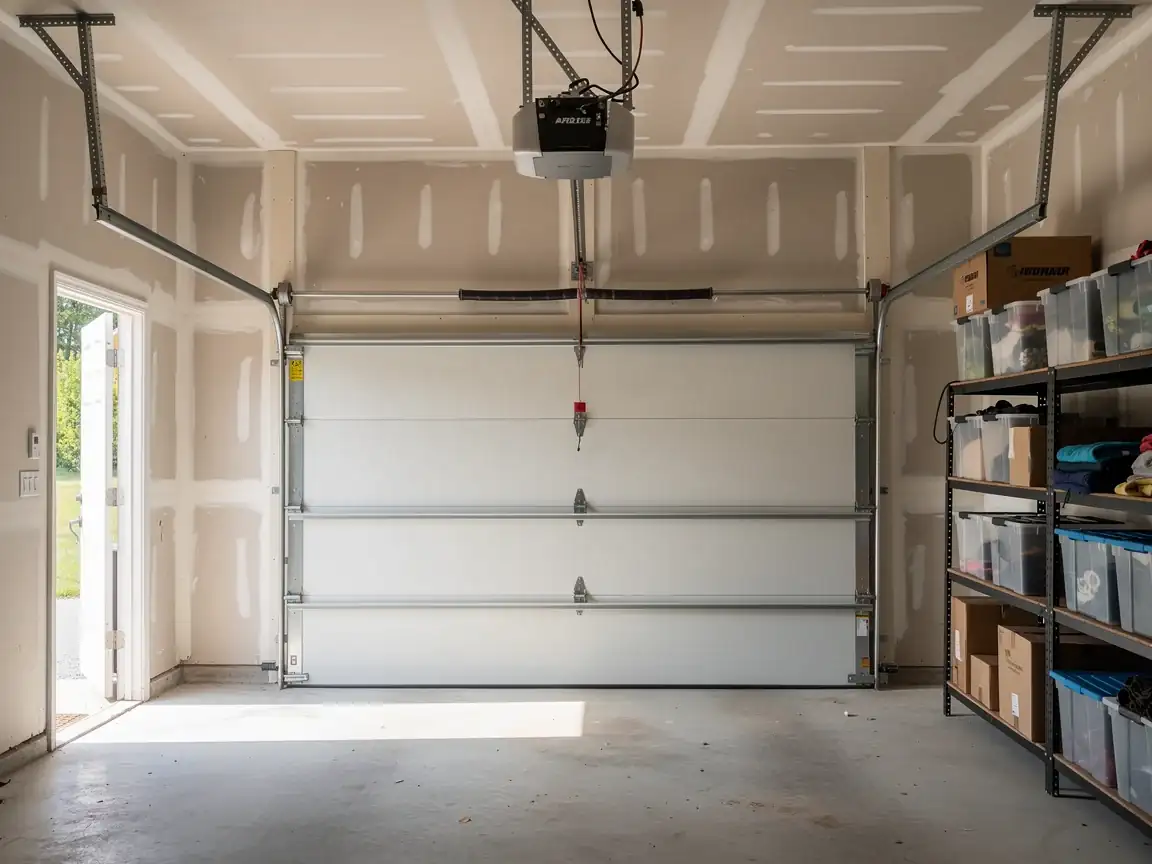
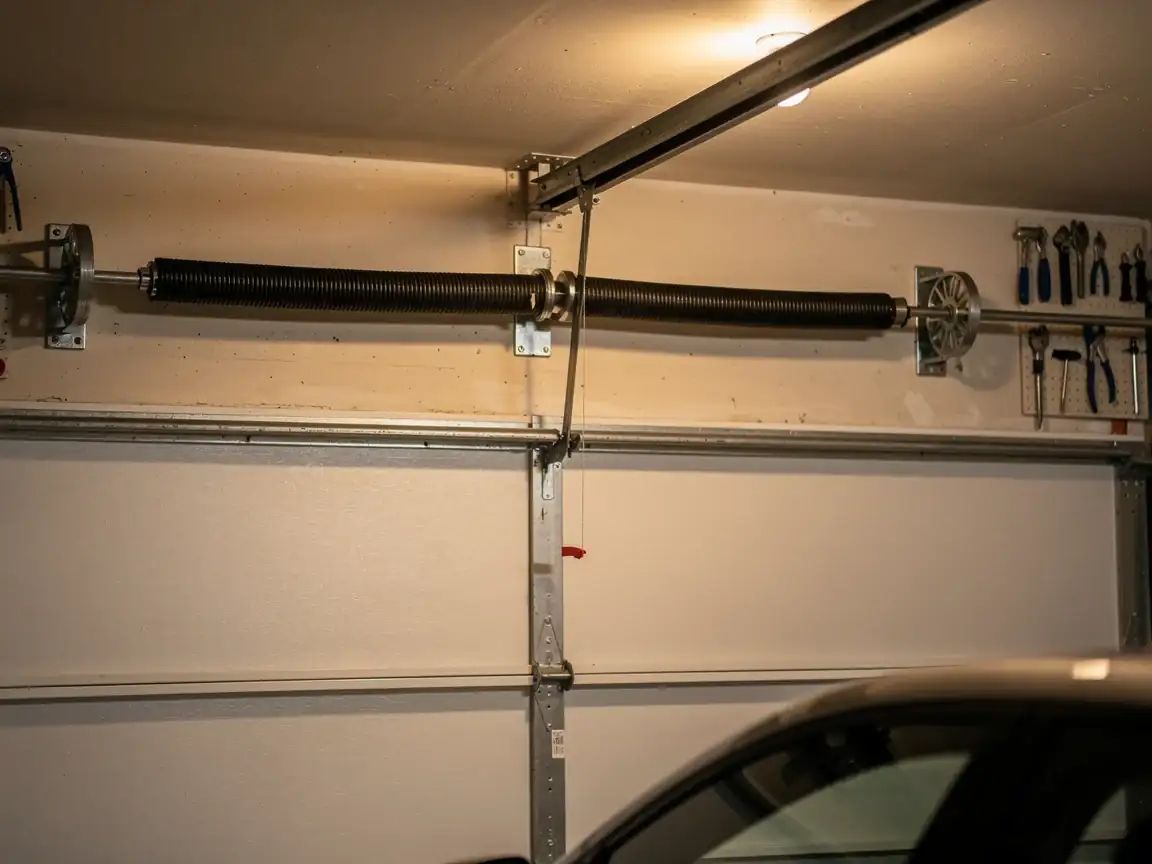
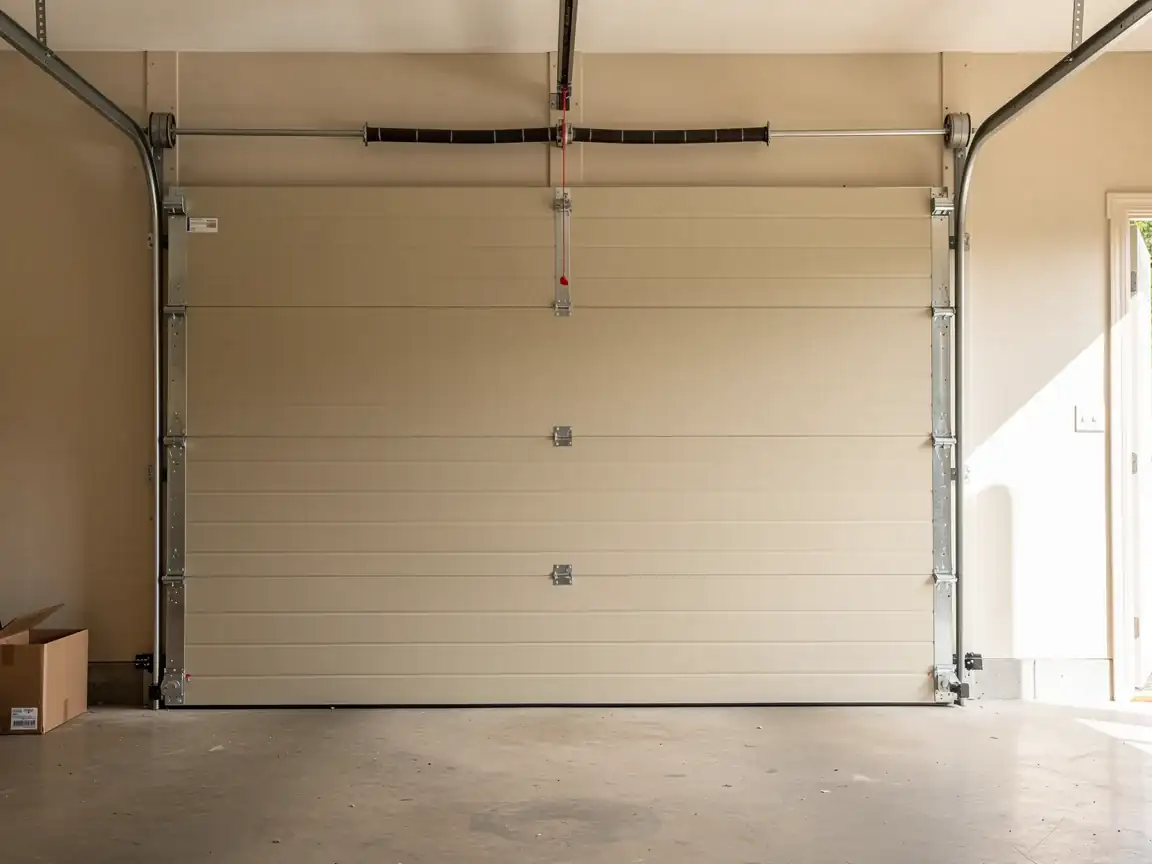
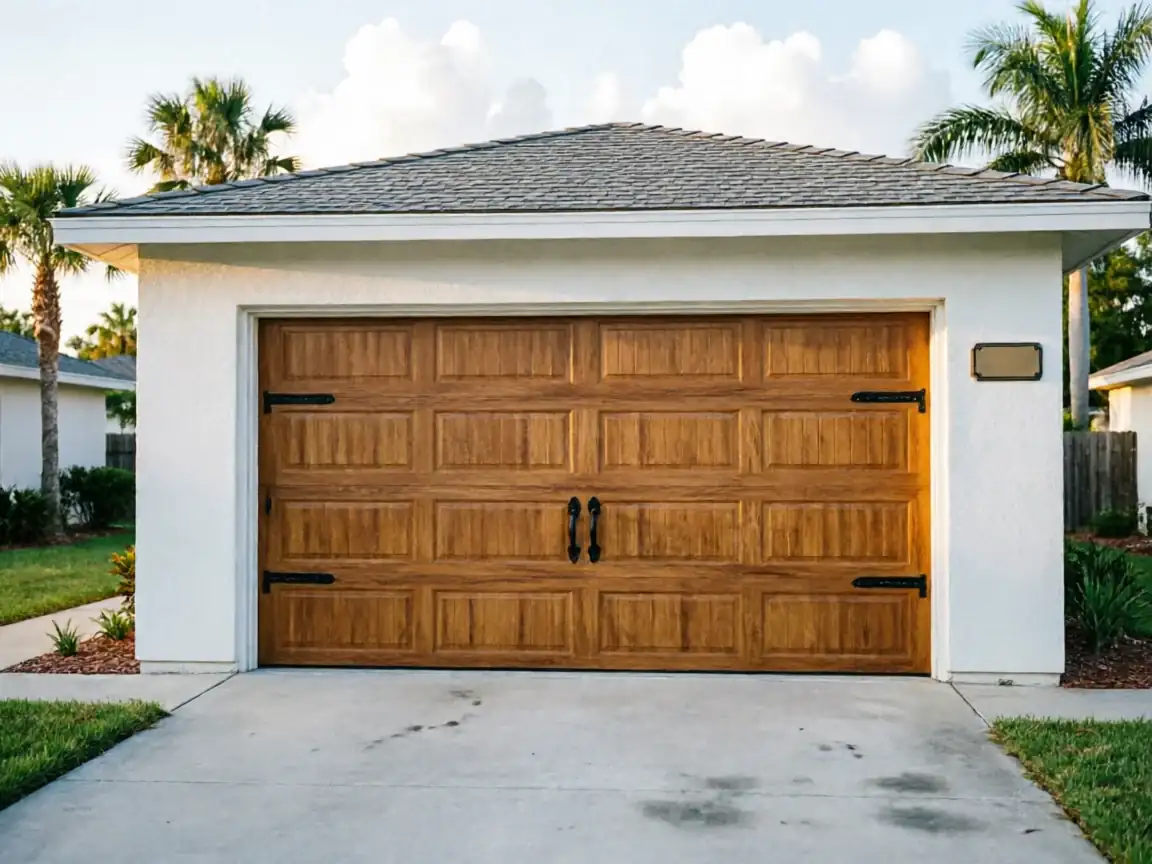
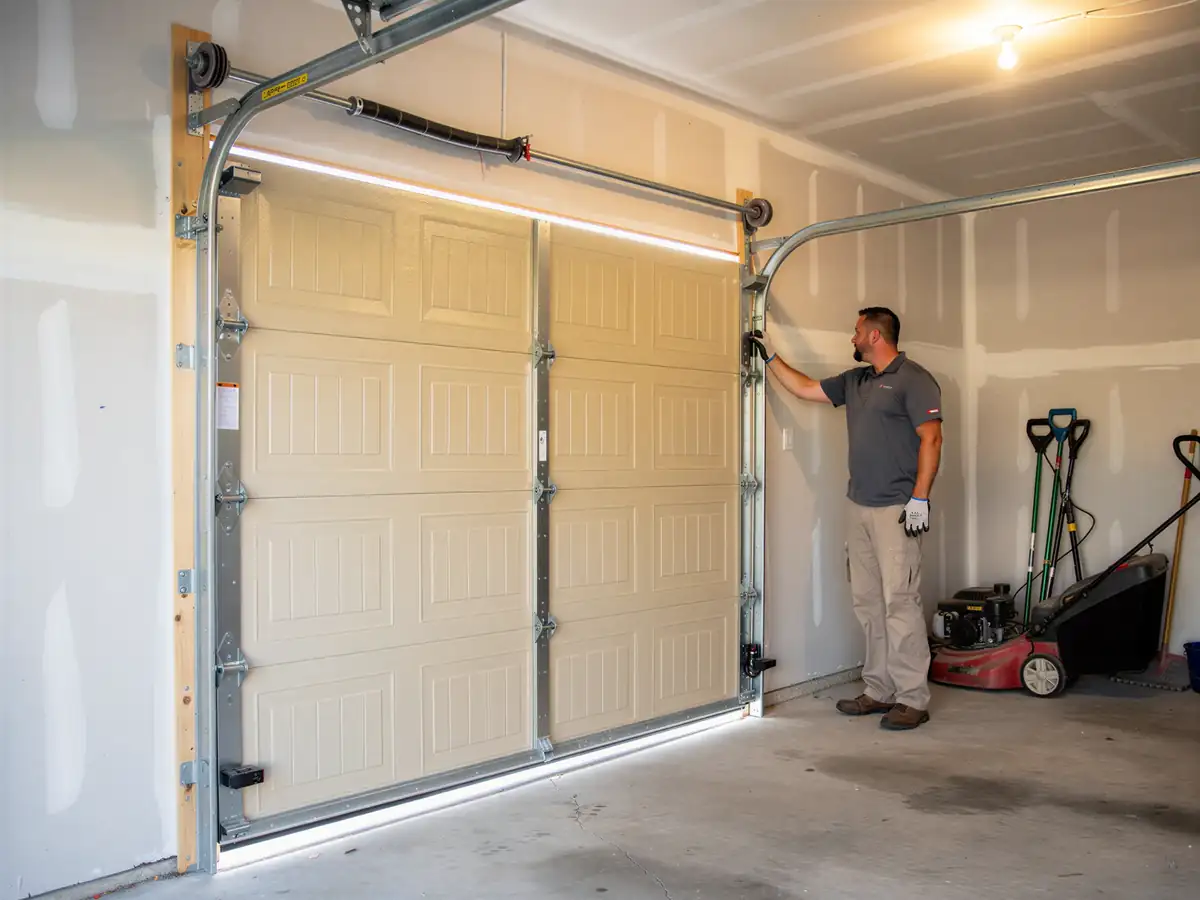
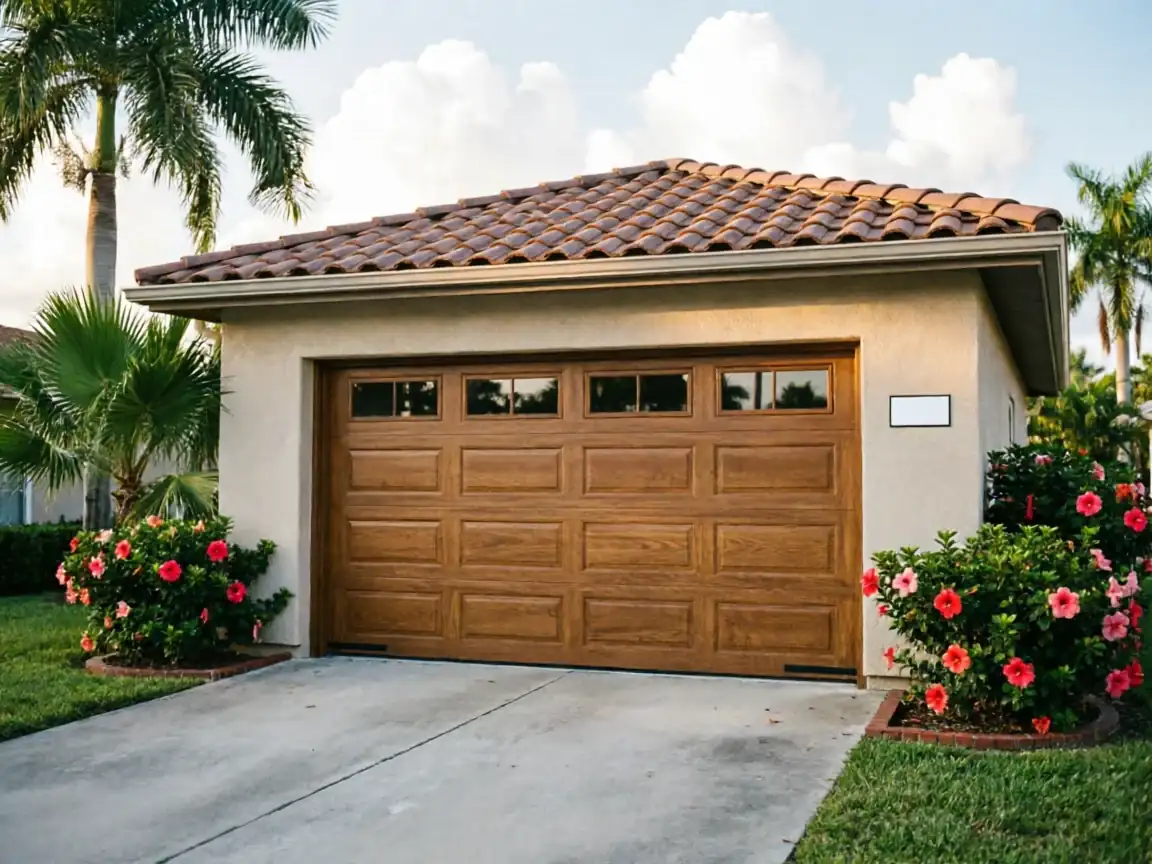
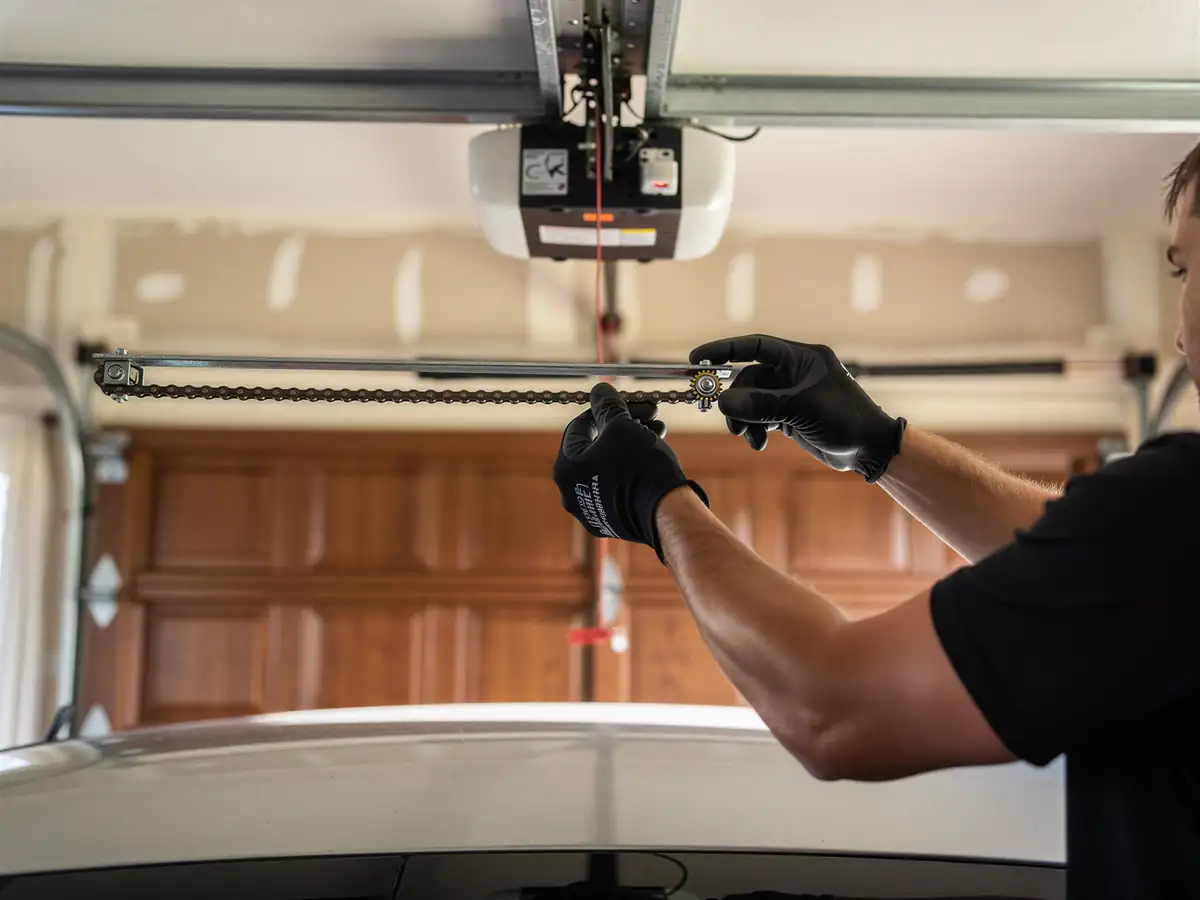
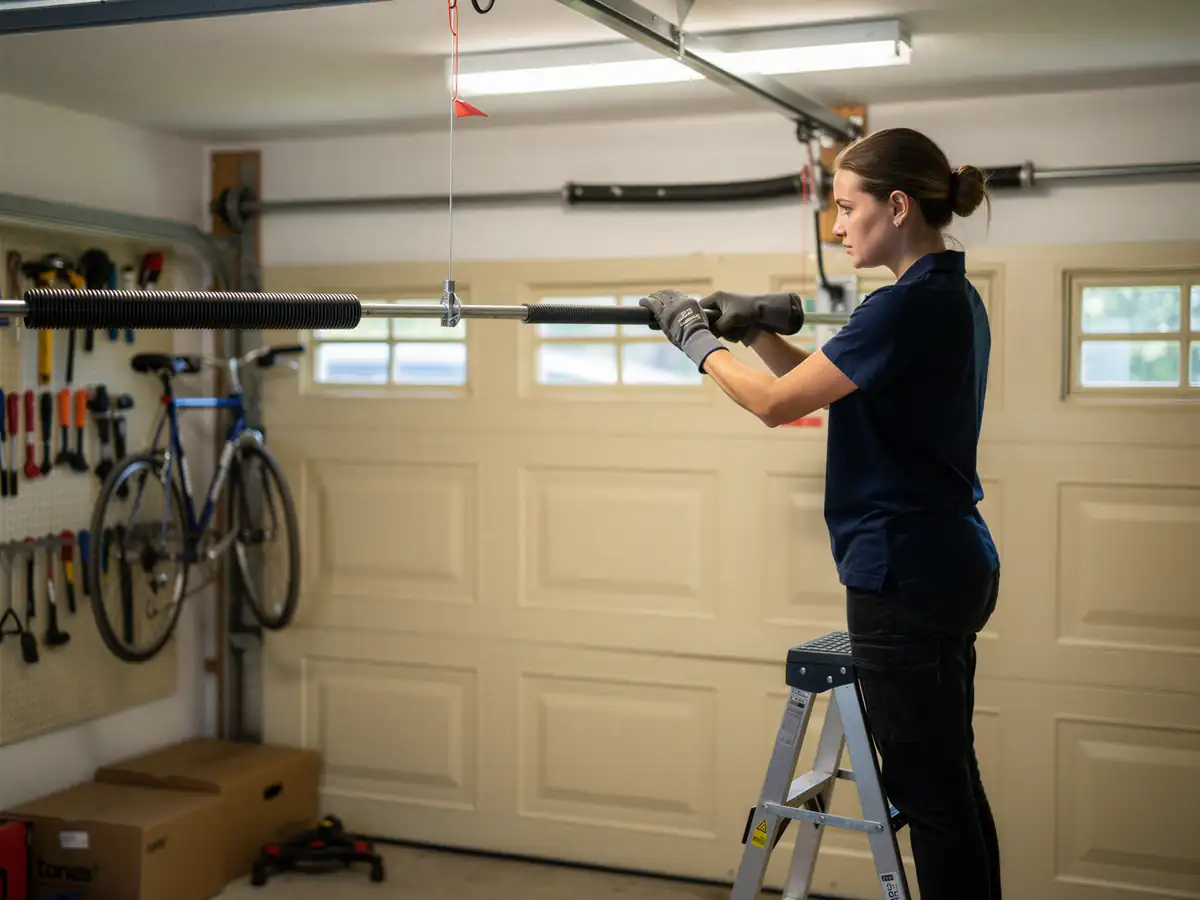
Across the wider service area, the housing stock runs 1964 to 2004 with a median build year of 1984, and most of the forty named areas we cover sit in that 1980s-90s band. Goldenrod sits a bit earlier than that, centered around 1979. Five years doesn't sound like much until you're standing in front of the opener. Doors from that window were often hung with extension springs over the track rather than the torsion bar setups that became standard once the 1980s stock took over. We carry both spring types on the truck, along with the drums, cables, and rollers that go with each, because a Goldenrod call and a call to a newer part of the service area aren't the same job. The mild temperate climate here means we're not fighting freeze-cracked springs or ice-jammed tracks the way a colder region would - the wear we see is steady, from decades of humidity and routine cycling rather than sudden weather damage. That changes what we bring: more penetrating oil and anti-corrosion hardware, less cold-weather lubricant. One limit worth saying plainly - if a part on an older extension-spring setup is obsolete enough that nobody stocks it, we may need to order it rather than finish same visit.
The Complications
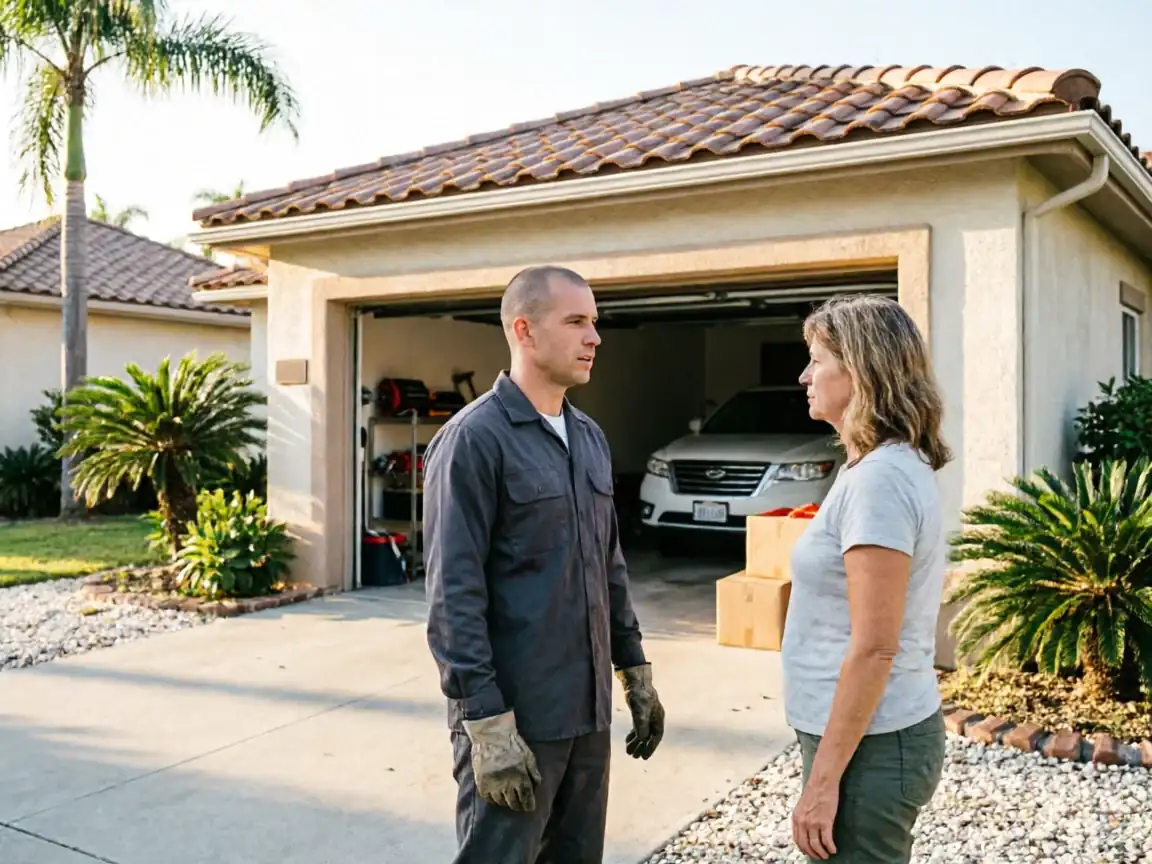
Goldenrod is about 4 miles from our Casselberry base, close enough that travel isn't the complication - the age and spec mismatch is. Median household income here runs $62,410, well under the $82,768 average for the broader service area. That gap shows up in the calls themselves: more homeowners here ask us to repair a door that's showing its age rather than replace it outright, and more often than not, on a door from 1979, repair is the right call anyway. The hardware isn't exotic, it's just older, and older parts can usually be matched or rebuilt rather than torn out. With 5,399 households in Goldenrod against 155,817 across the whole service area, this is a small, dense pocket of similarly-aged homes - which means the faults repeat. We see the same worn roller style, the same stretched extension spring, the same loose track bracket on house after house. The complication isn't finding the fault. It's that a generic parts kit built for a 1990s double-car door doesn't always bolt onto a 1979 single. We measure before we quote, every time, rather than assume the newer hardware fits.
Why This Fails Locally
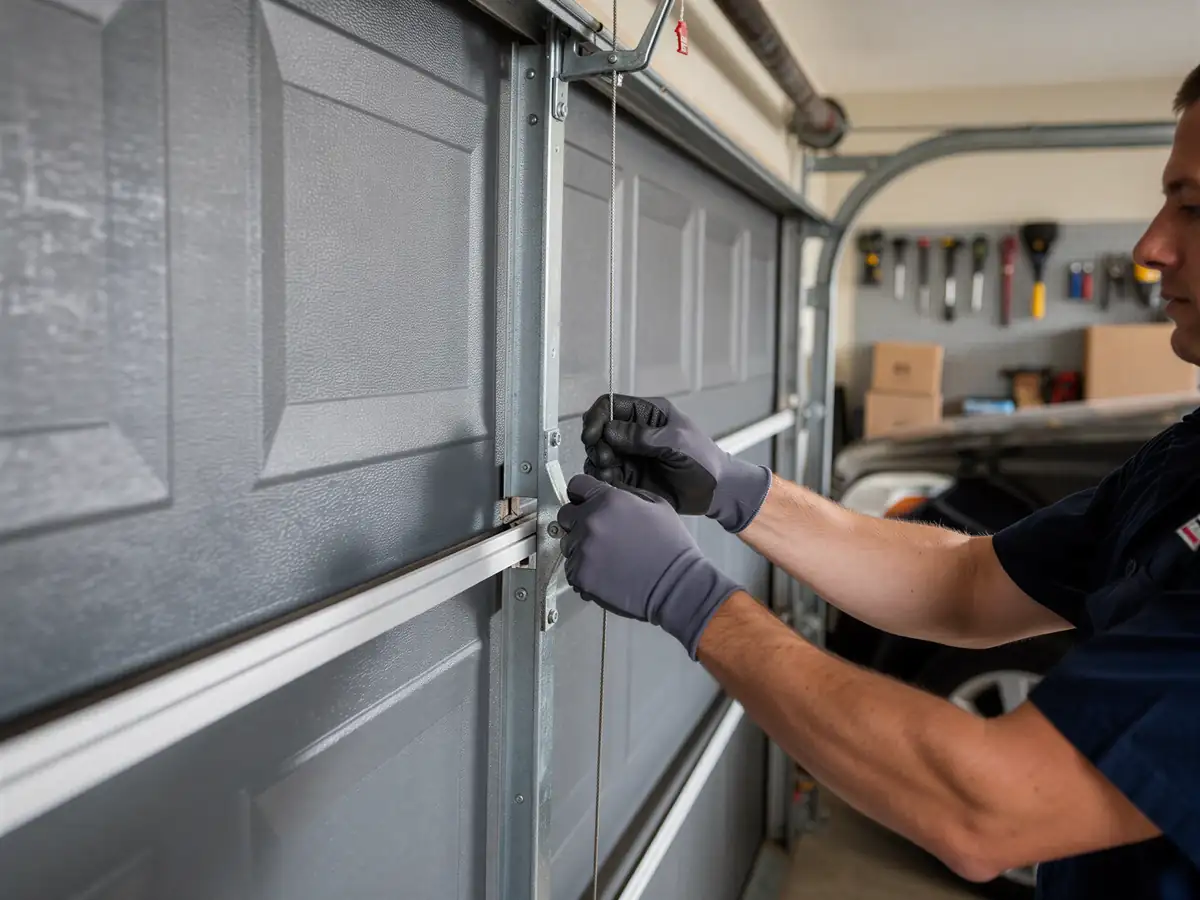
A lot of garage door trouble in Goldenrod traces back to a mismatch between the door and the fix someone already tried. Order a universal torsion spring kit online for a house built in 1979, and there's a real chance the shaft diameter or the drum pitch doesn't match what's actually hanging in the garage - those kits are sized for the 1980s-90s stock that makes up most of the broader service area, not the slightly older run common here. The bracket spacing, the track gauge, even the panel thickness on a late-70s door can be a half-step off from what ships in a generic box. Install the wrong-pitch drum and the door looks fine for a few weeks, then starts tracking unevenly or binding at the top of the run. We've been called out plenty of times to fix a fix. It's not that the original work was lazy - it's that the part was built for a different era of door and nobody checked. On a 1979 door, we measure the shaft, the drum, and the spring wire gauge before ordering anything, because guessing on a mismatched part costs the homeowner twice.
The Symptom
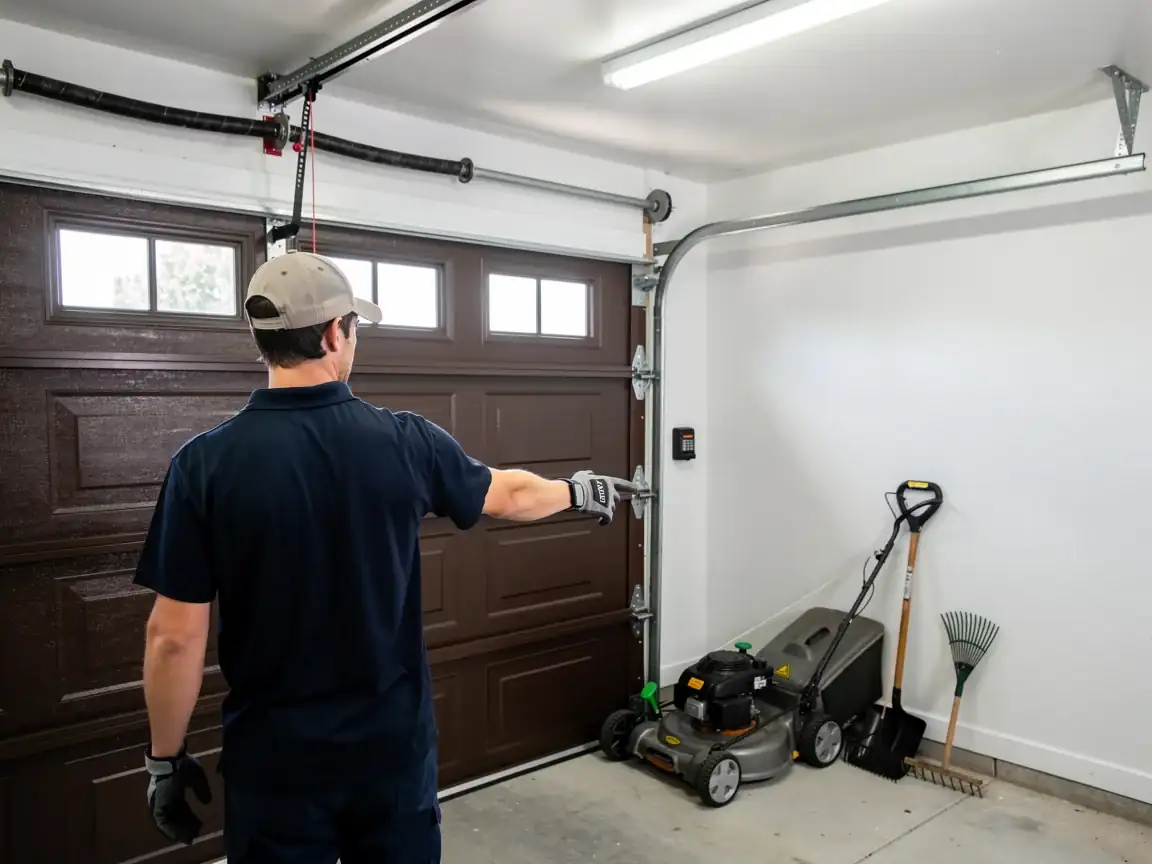
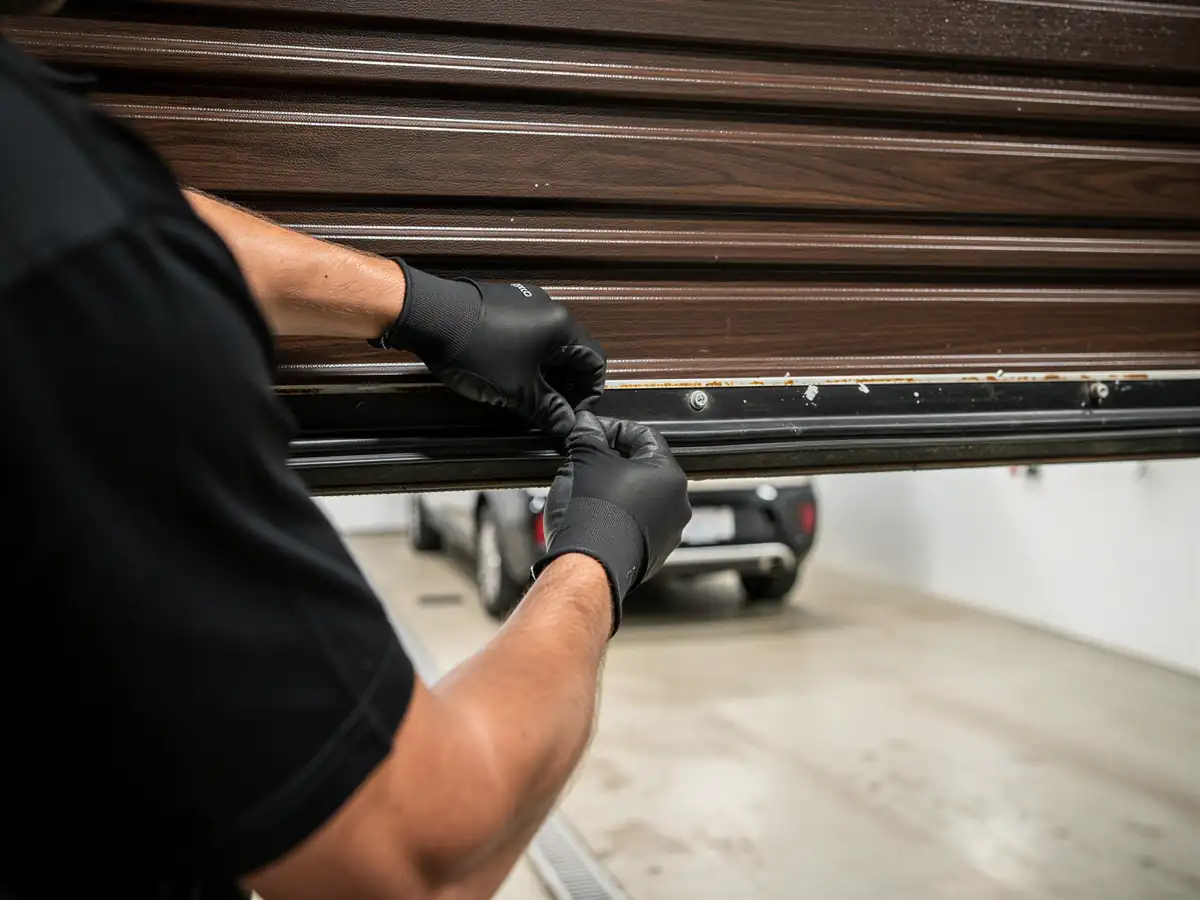
On a door from around Goldenrod's 1979 median build year, the symptom we hear most isn't a dead opener - it's a door that's gotten loud and uneven. One side drags, or the door tilts slightly as it closes, or there's a grinding sound low on the track that wasn't there a year ago. That's usually a stretched extension spring on one side doing more work than the other, or a roller that's worn oval instead of round after decades of cycling. On the newer end of the service area's stock, built in the 80s and 90s, the same complaint often traces back to a failing torsion spring instead - different hardware, different failure. A door that won't budge at all, with the opener straining and clicking, almost always means a spring has let go completely rather than just stretched. We check both springs, the full length of track, and the roller condition on every visit, because a Goldenrod call fixed by eye alone tends to come back in six months. For full-service work and scheduling, Casselberry Garage Door Pros covers Goldenrod from the main service area.
How it works
From “it’s stuck” to “it’s fixed”
01
Tell us what’s wrong
Describe the symptom - won’t open, loud bang, opener runs but the door won’t move.
02
On-site diagnosis
A technician tests the door under power and by hand and finds what actually failed.
03
Clear, up-front plan
You get the fix that’s needed and what drives the cost - before any work starts.
04
Repaired & tested
The repair is done, the door is set true and tested, and the work area left clean.
Not sure which repair your door needs in Casselberry, FL? Describe what it’s doing - every job starts with a diagnosis.
Straight answers about garage door repair in Casselberry. Still unsure? Ask us directly.
Is my garage door too old to repair?
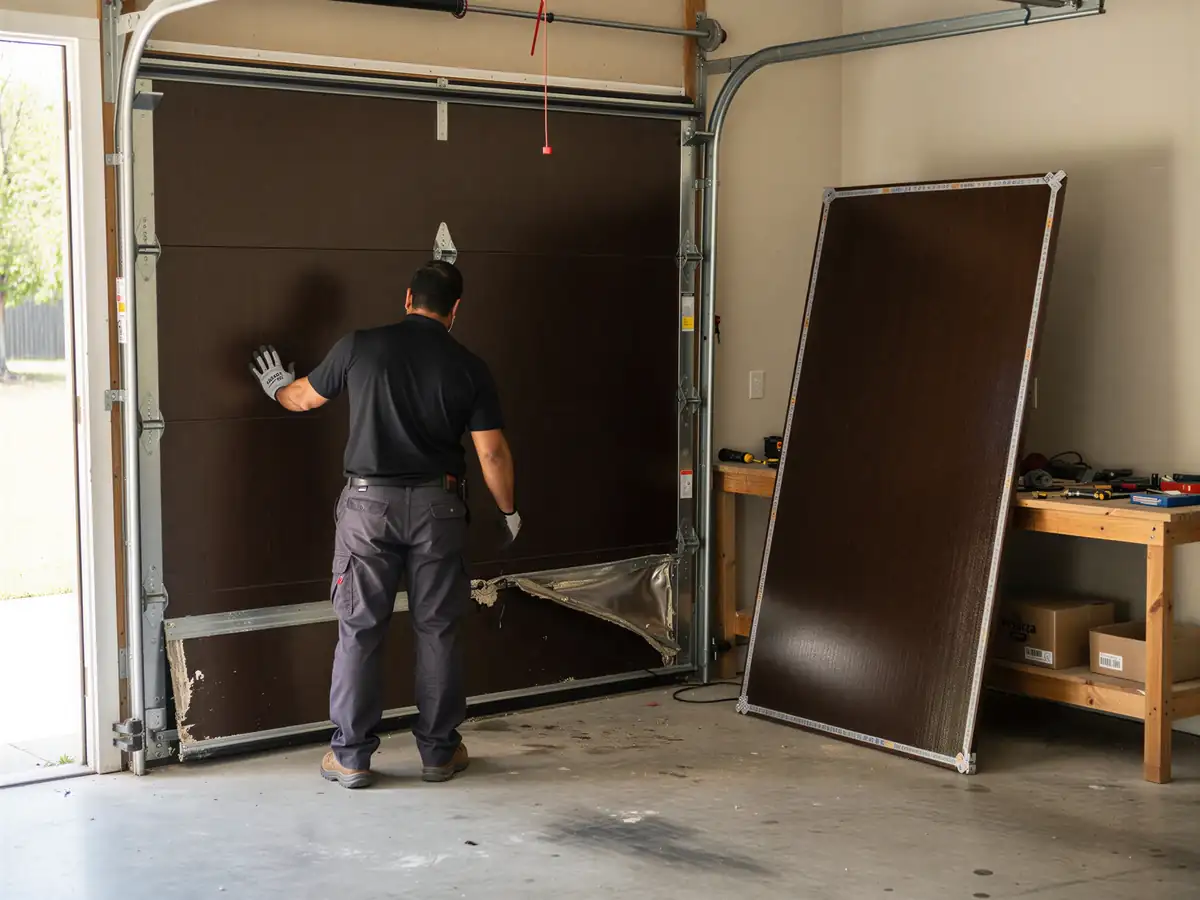
Not usually. A door built around 1979, which is common in Goldenrod, can almost always be repaired - springs, rollers, and cables are the parts that wear out, and they're serviceable on most residential doors regardless of age. Replacement makes more sense when the panels themselves are rusted through or badly dented, not just because the door is older.
Do you carry parts for older extension-spring doors?
We carry common extension spring sizes, drums, and cables on the truck. Some older or less common sizes aren't something every supplier stocks, so occasionally a part has to be ordered rather than installed same visit. We'll tell you up front if that's the case rather than guess.
How far is Goldenrod from your base?
About 4 miles from our Casselberry location. We cover Goldenrod as part of the broader service area rather than running a separate branch here.
Why does my door sound different from my neighbor's newer house?
Hardware era matters. Houses built closer to 1979, common in Goldenrod, often ran extension springs over the track, while homes built in the 1980s and 90s elsewhere in the service area more often used torsion springs. The two systems fail differently and sound different when they do.