Goldenrod's Garage Doors Are Still Running on 1979 Hardware
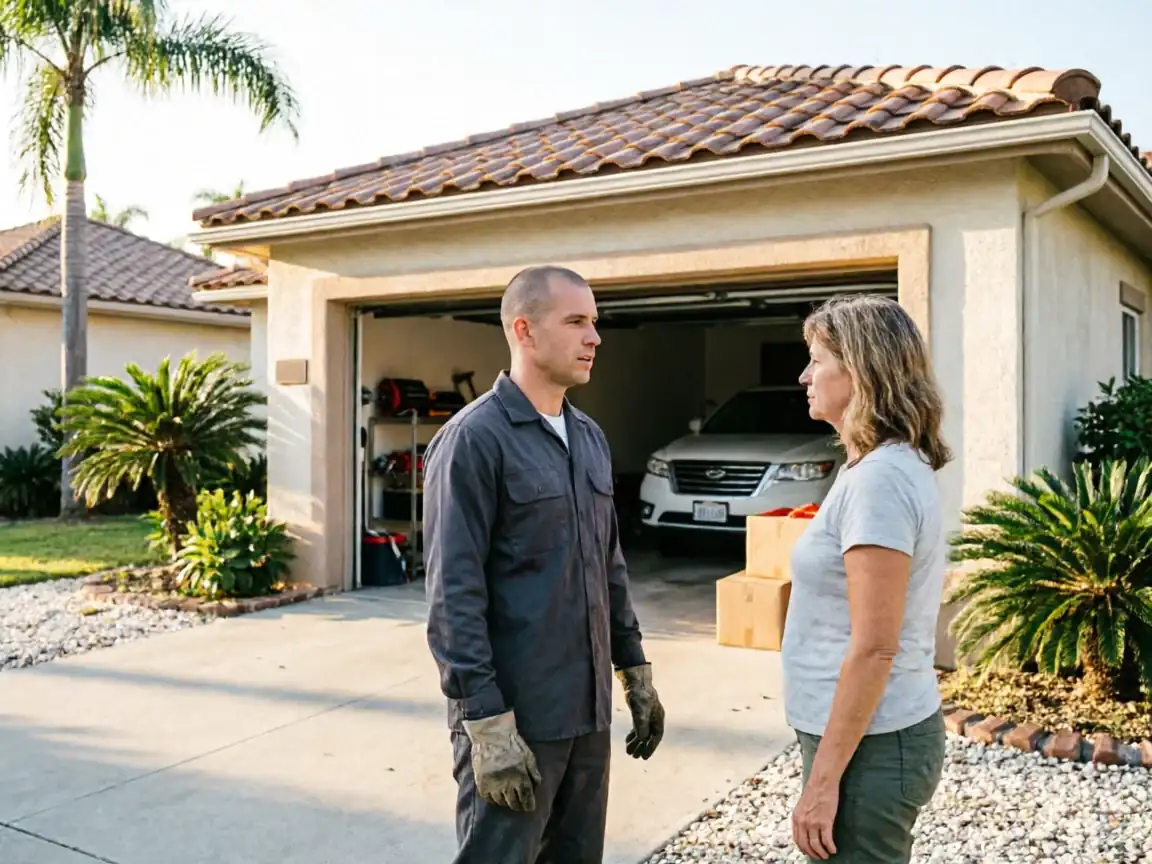
Goldenrod homes average 1979 construction, so original springs and openers are common. We install new doors sized for this stock, 4 miles from Casselberry.
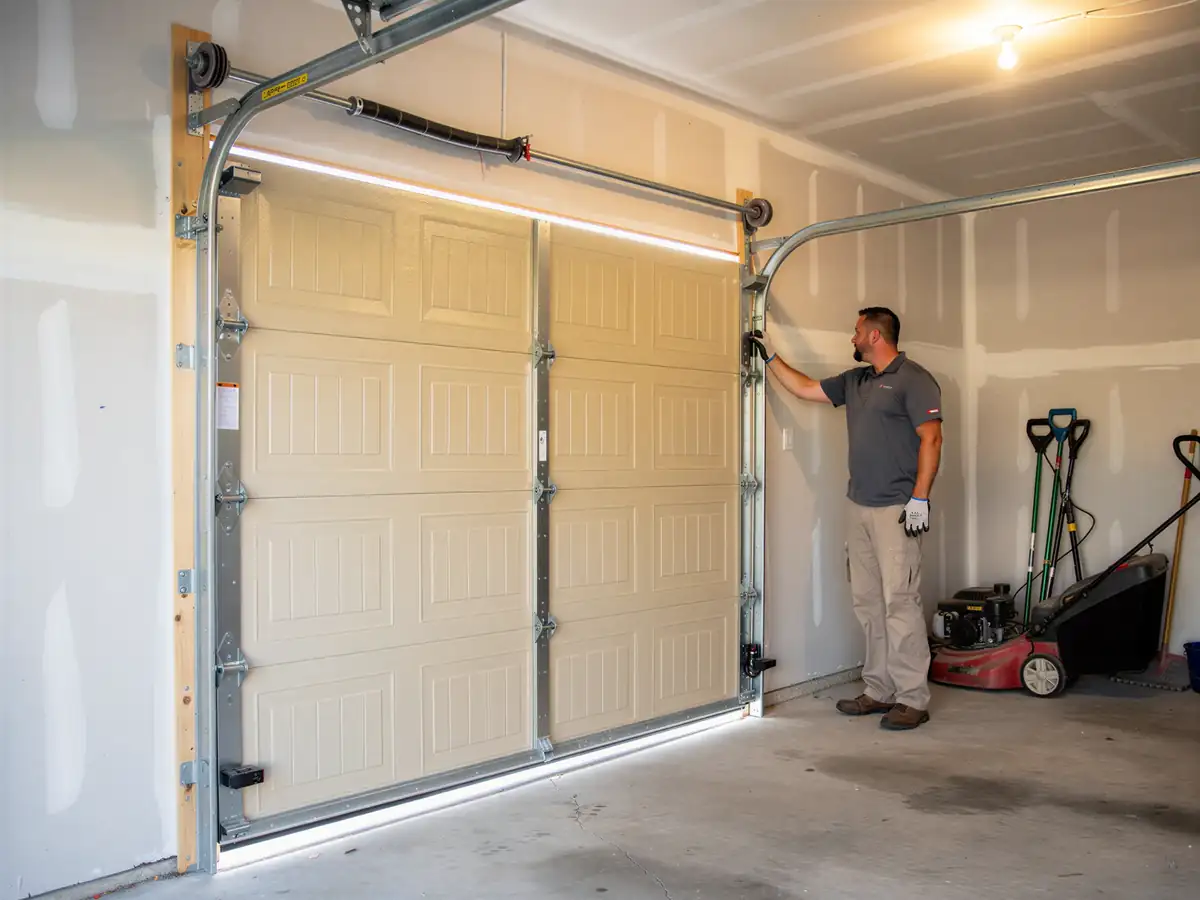
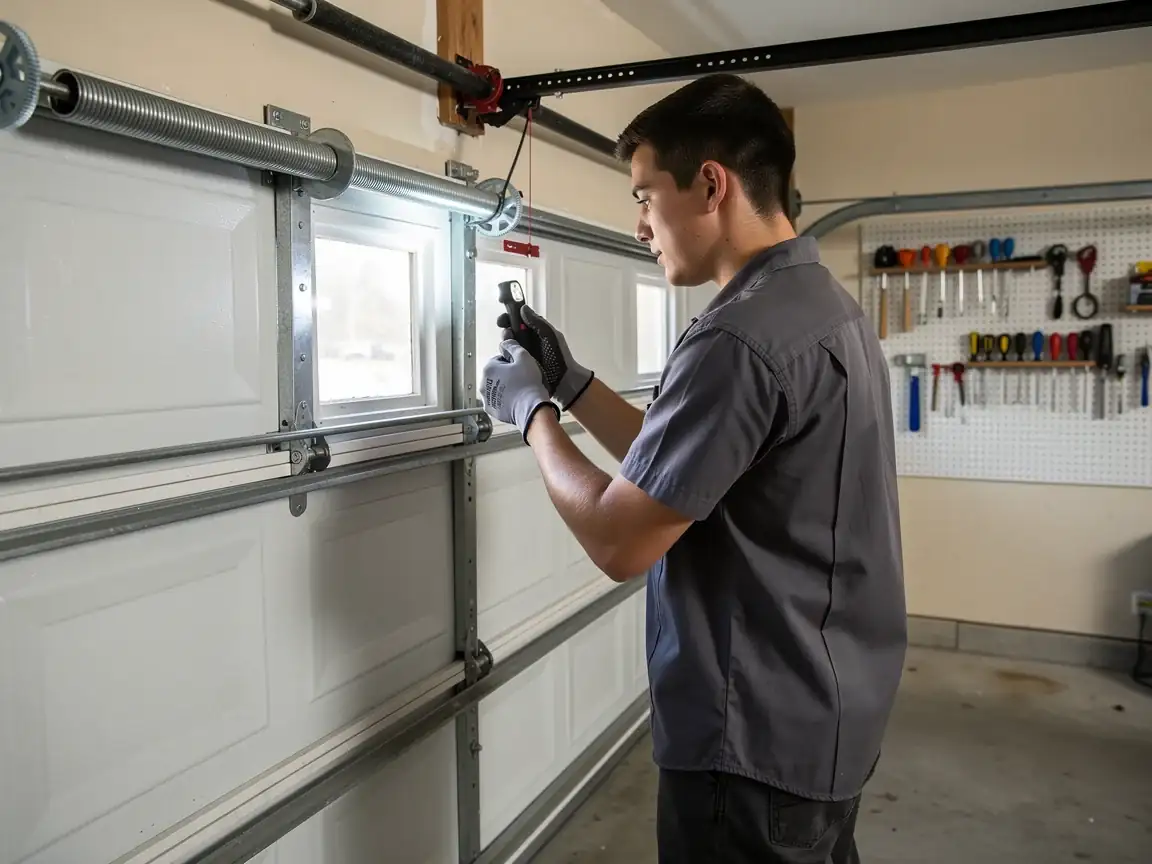
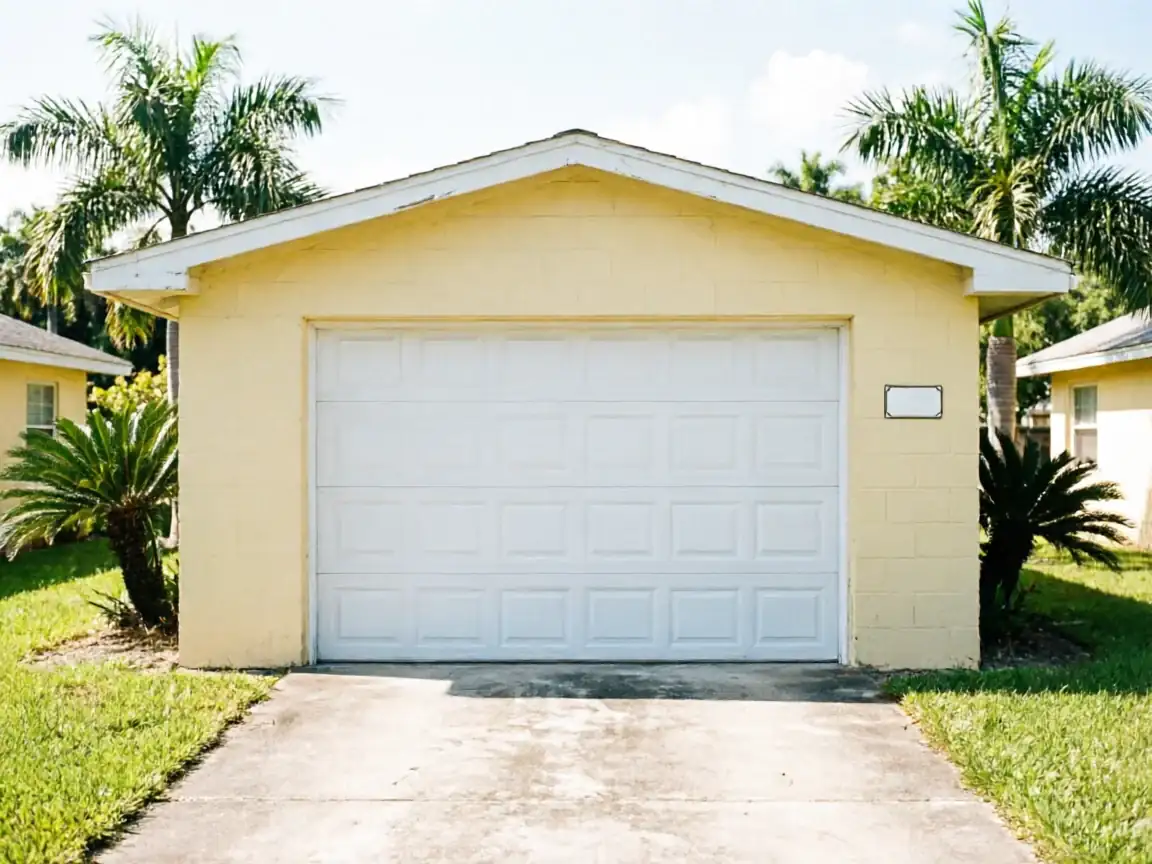
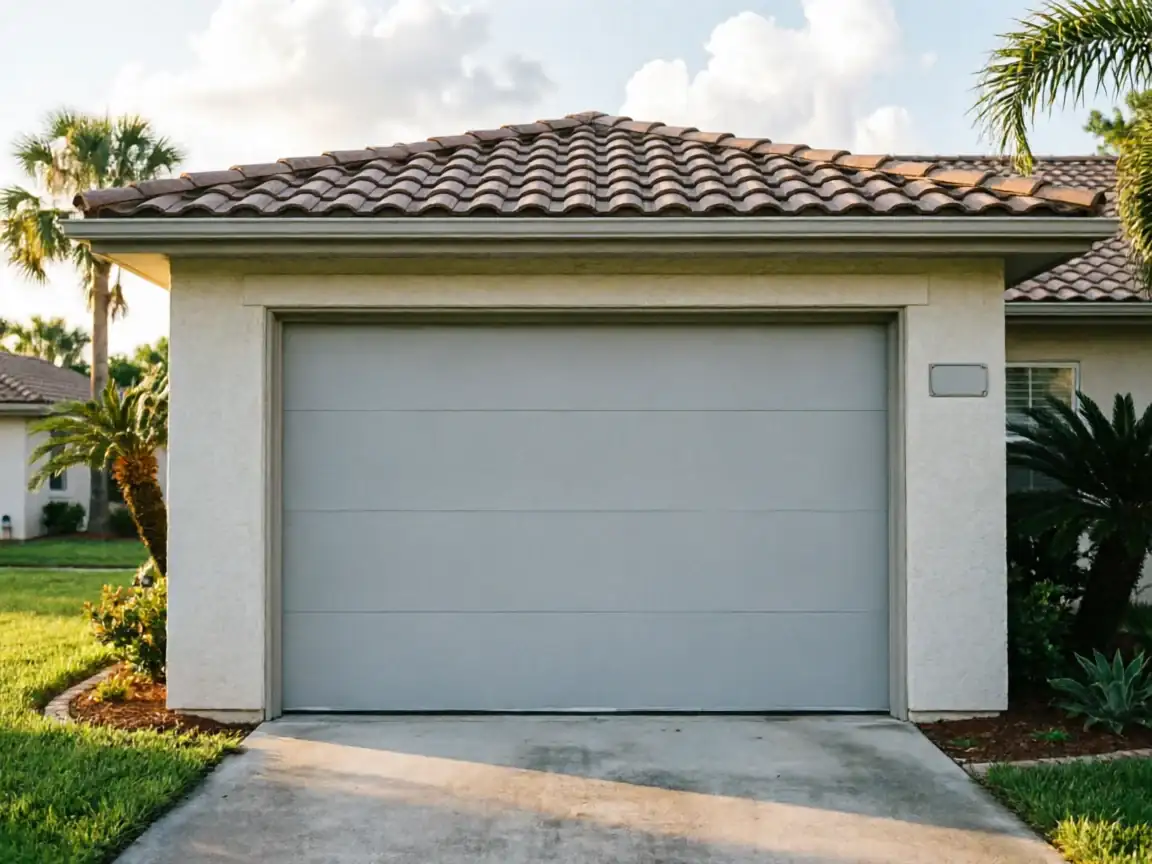
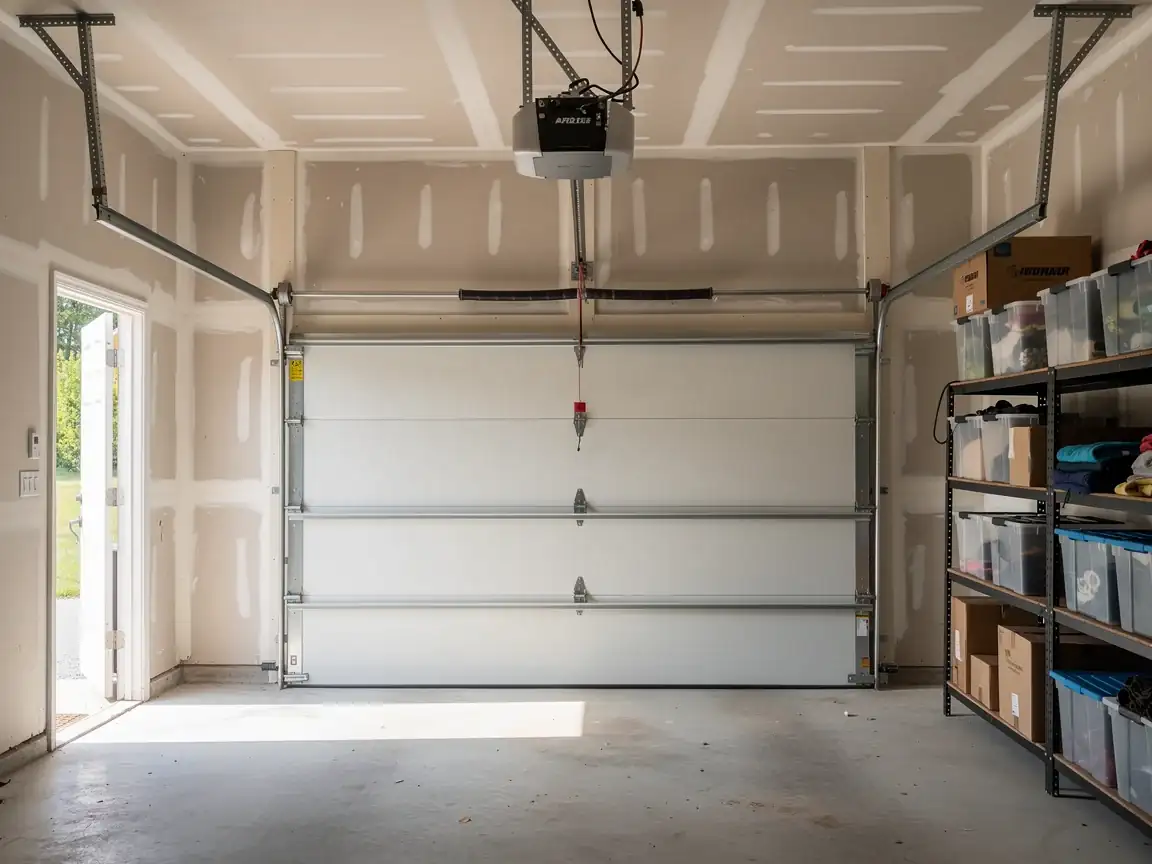
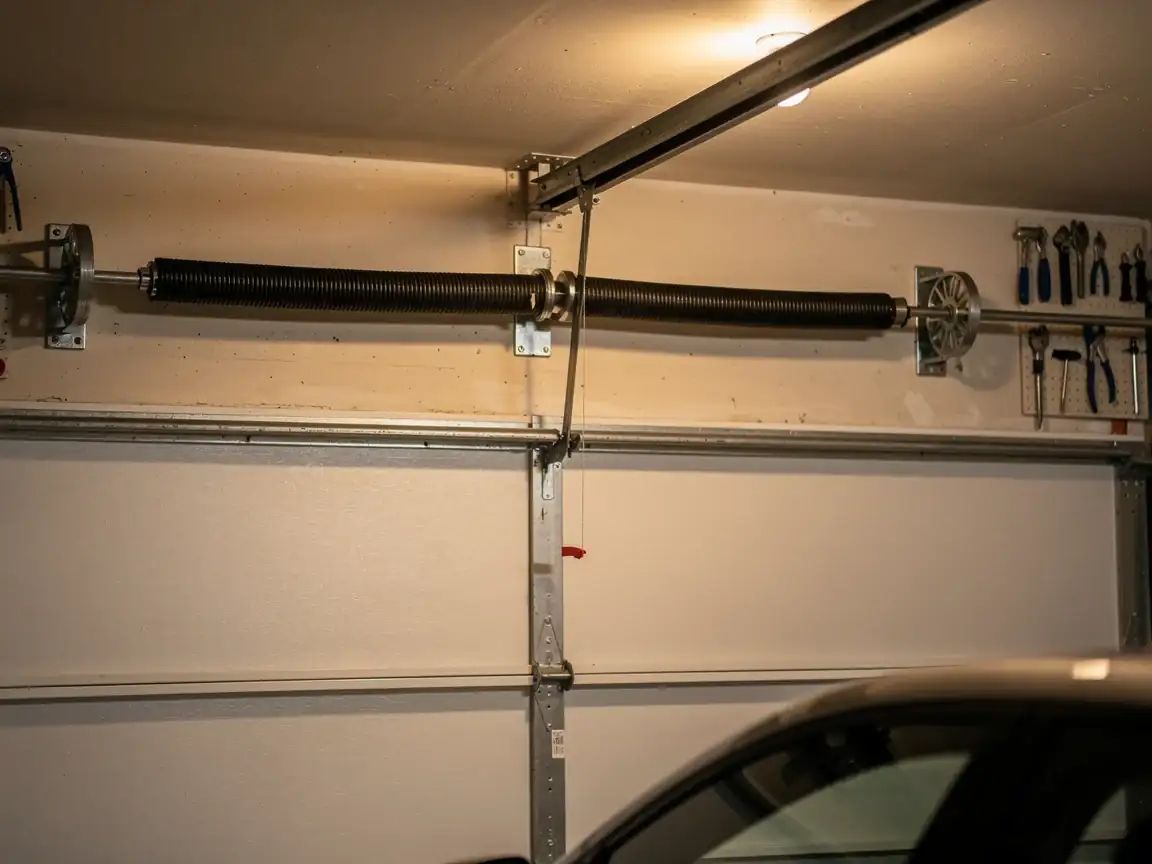
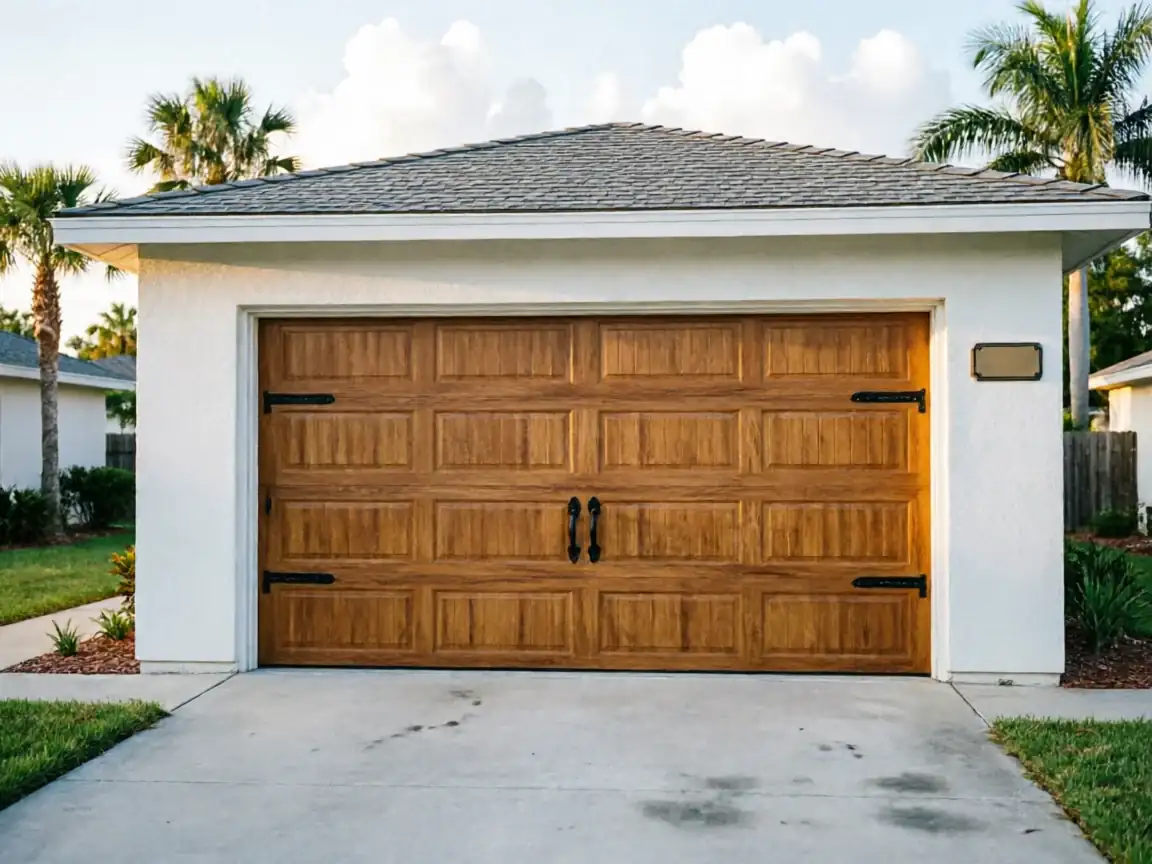
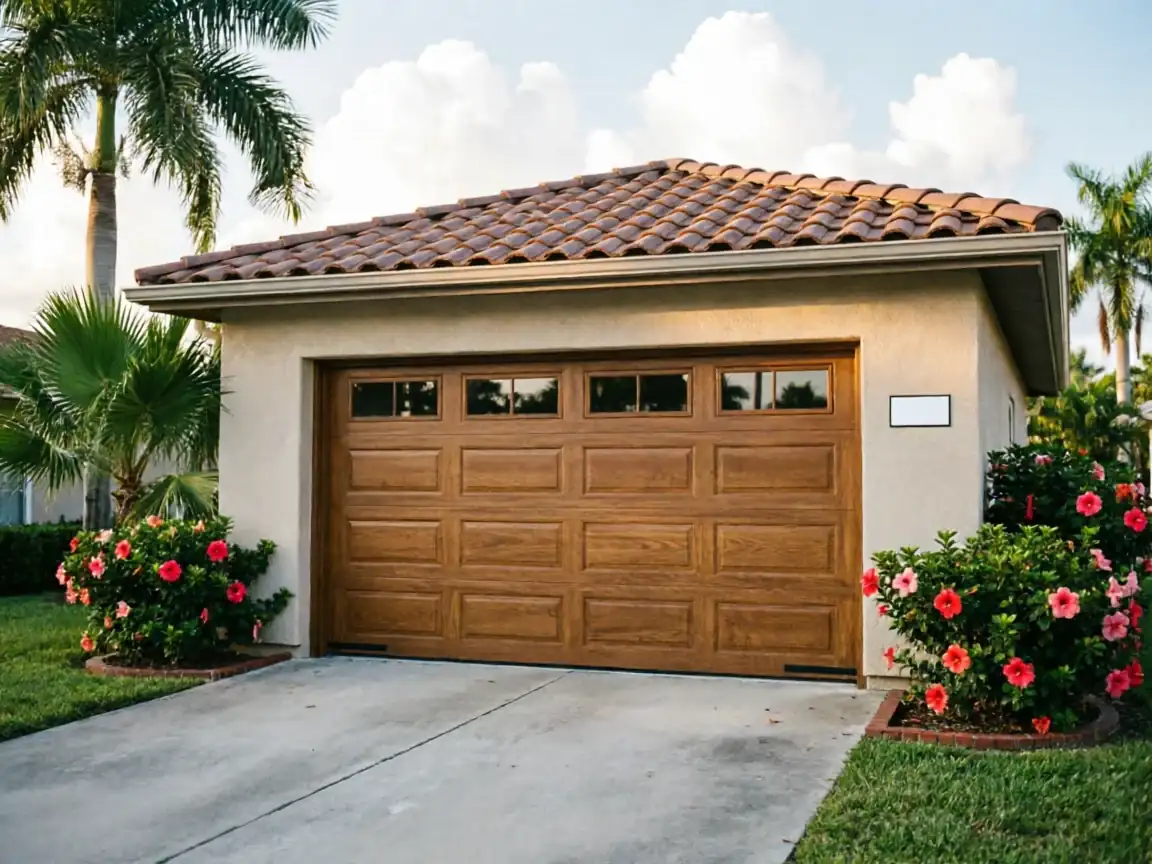
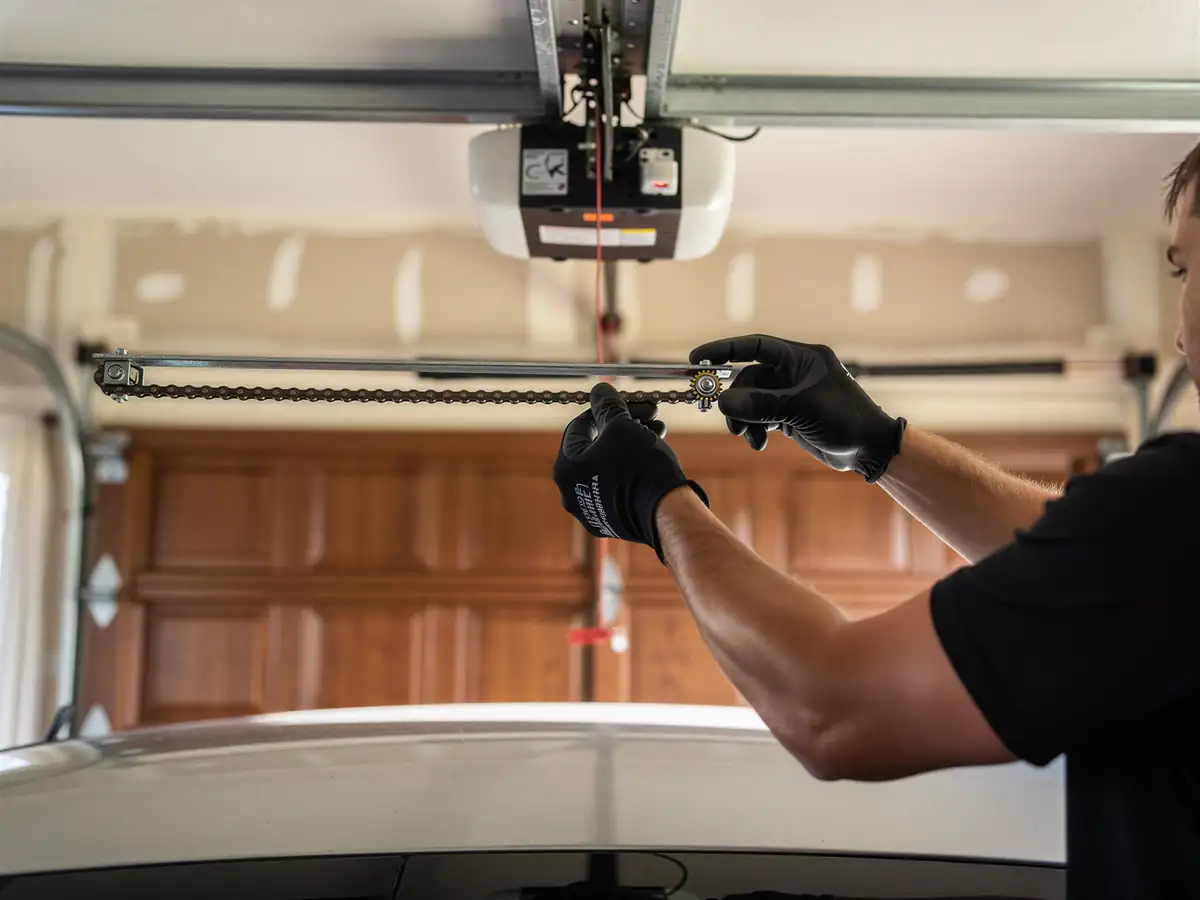
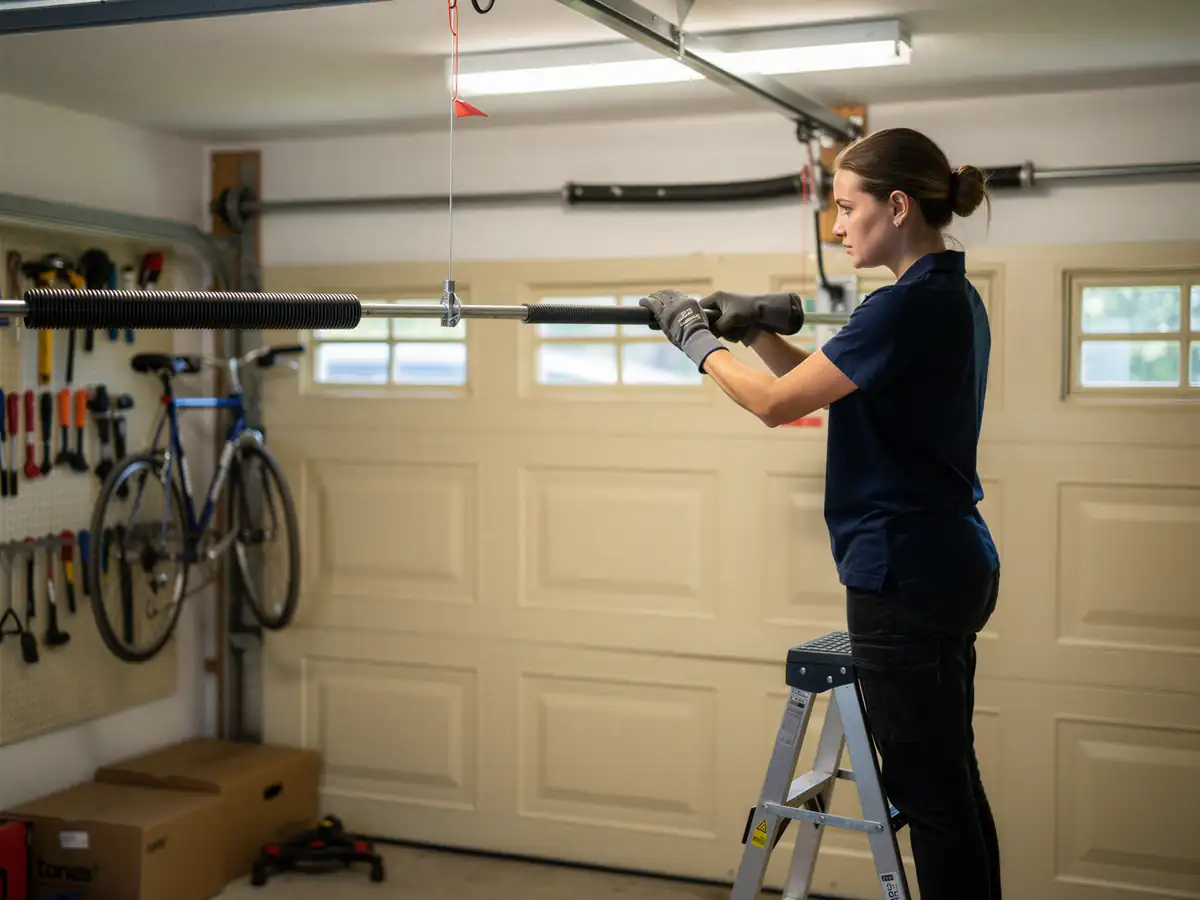
Most houses in Goldenrod went up in 1979, a full five years before the service area's overall median build year of 1984. That gap matters on the truck. A door from that era usually sits on a track width and spring size that newer 2000s construction doesn't use, so we carry torsion springs and roller sets sized for both the older stock here and the newer builds elsewhere on our route. Goldenrod sits 4 miles from our Casselberry shop, the shortest hop on our route sheet among the named suburbs we cover, which means we can bring a second spring size or an extra opener rail without a special trip costing the job a day. We don't stock every legacy track width that ever shipped, though - if a door was a one-off builder model, the matching track can take a few days to order in, and we'll tell you that up front rather than force a mismatched part onto the opening. For the common sizes tied to 1979-1985 construction, we carry what the job needs the same day we're on site.
The Complications
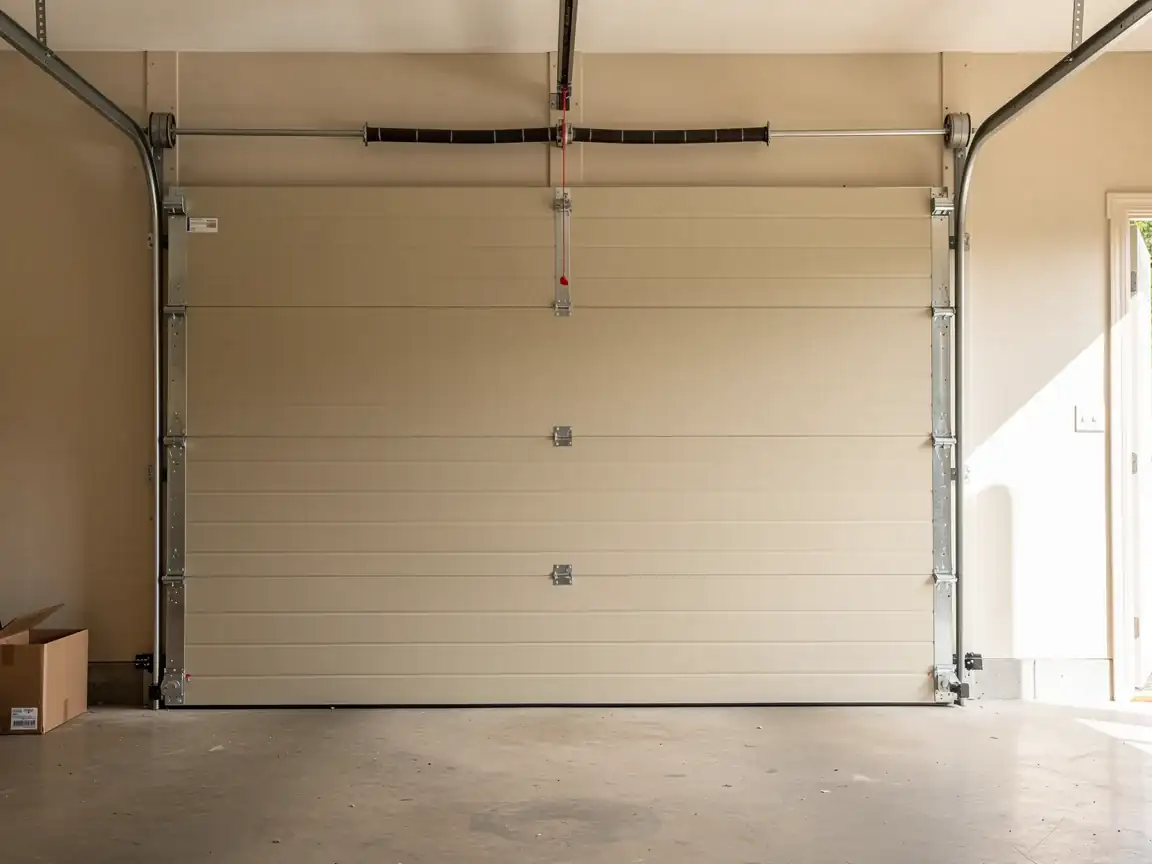
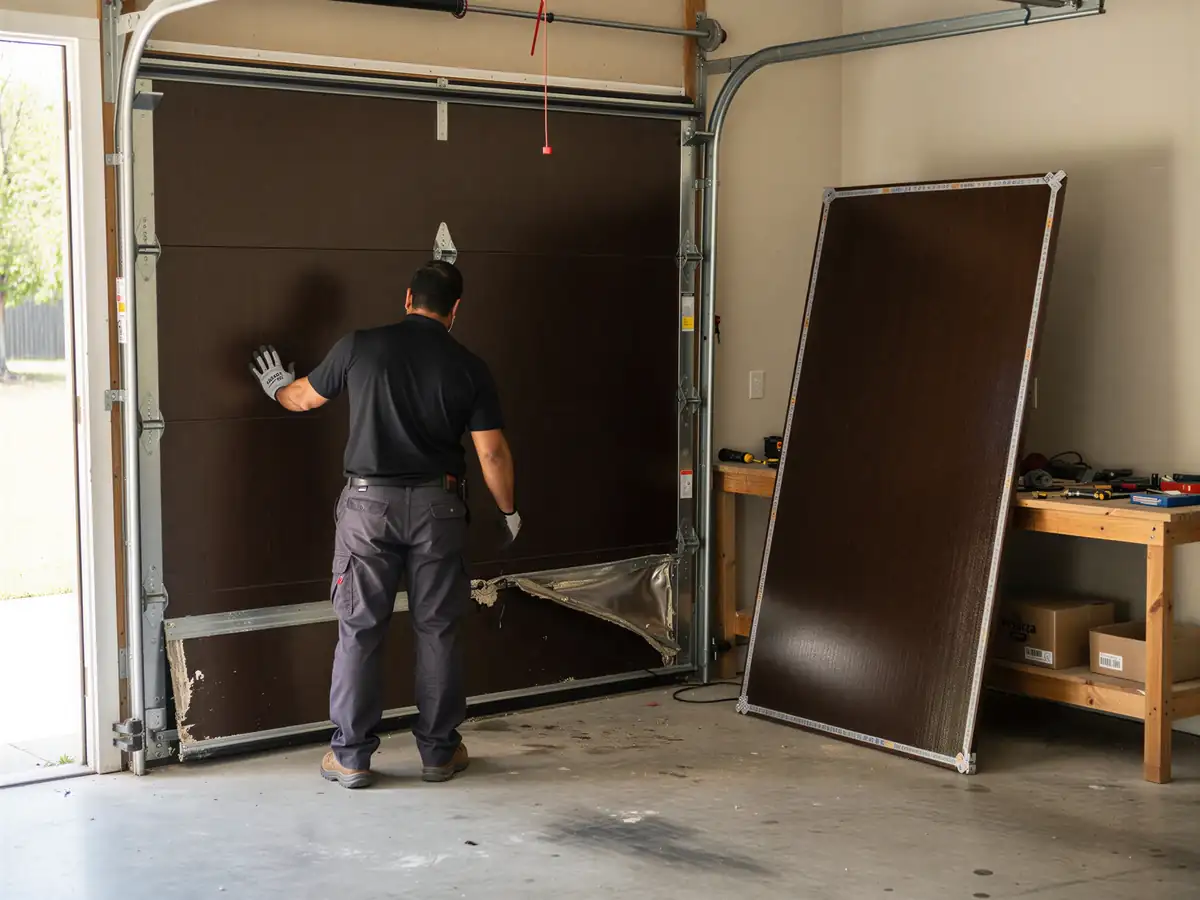
Goldenrod's median household income of $62,410 runs about $20,000 under the area-wide figure of $82,768, which shapes how many homeowners ask for repair over full replacement. We get that, and a door that's sound structurally doesn't need replacing just because it's old. The complication shows up when the original springs or opener motor are still factory parts from 1979 - at that age, a repair often costs most of what a new door costs anyway, since the drum, bearing plate, and track are all wearing out together, not just the one part that broke. With roughly 5,399 households packed into Goldenrod, the original garage hardware from 1979 construction is still the norm on most streets, so this isn't a rare call - it's close to the default. The other complication is sizing: older openings here sometimes run a few inches narrower than current standard doors, which means a stock door off the shelf won't always drop straight in without a frame adjustment. We measure before we quote for exactly that reason.
Why This Fails Locally
A nationwide installation checklist assumes a door built sometime in the last fifteen years, with a modern opener and a track that matches current standard widths. That checklist doesn't hold up against a 1979 build. Casselberry's mild climate band means these original 1979 springs failed from cycle fatigue, not rust - a distinction that changes what we check first on the job. In a harsher climate you'd inspect for corrosion on the hardware; here, the failure point is almost always cycle count on a spring that's done its job for over four decades without ever being rated for it. Install teams that swap in a generic size without checking the opening against the original framing end up forcing a door that binds on the track or won't seal at the bottom - a problem that shows up on the first humid day, not at the walkthrough. Treating Goldenrod like any other stop on the map, instead of a specific build year with a specific set of original parts, is how a brand-new door still ends up sticking six months later.
The Symptom
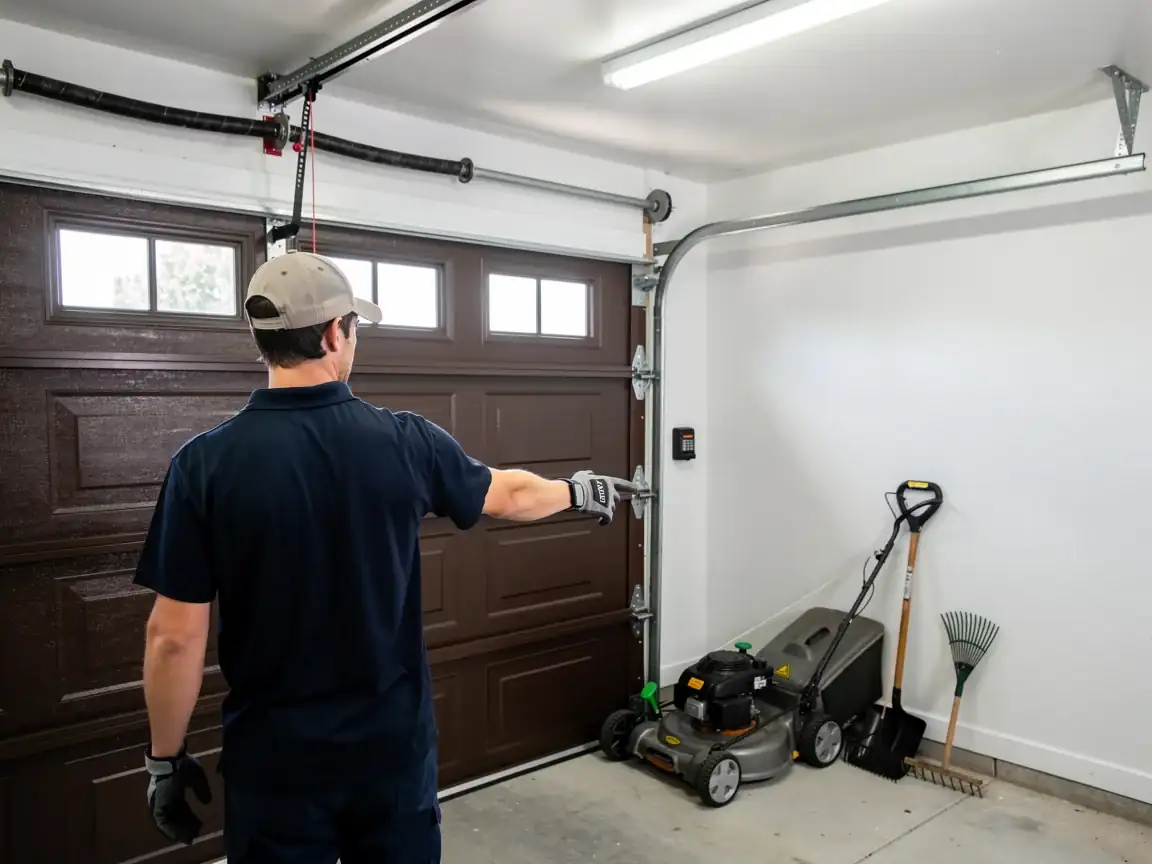
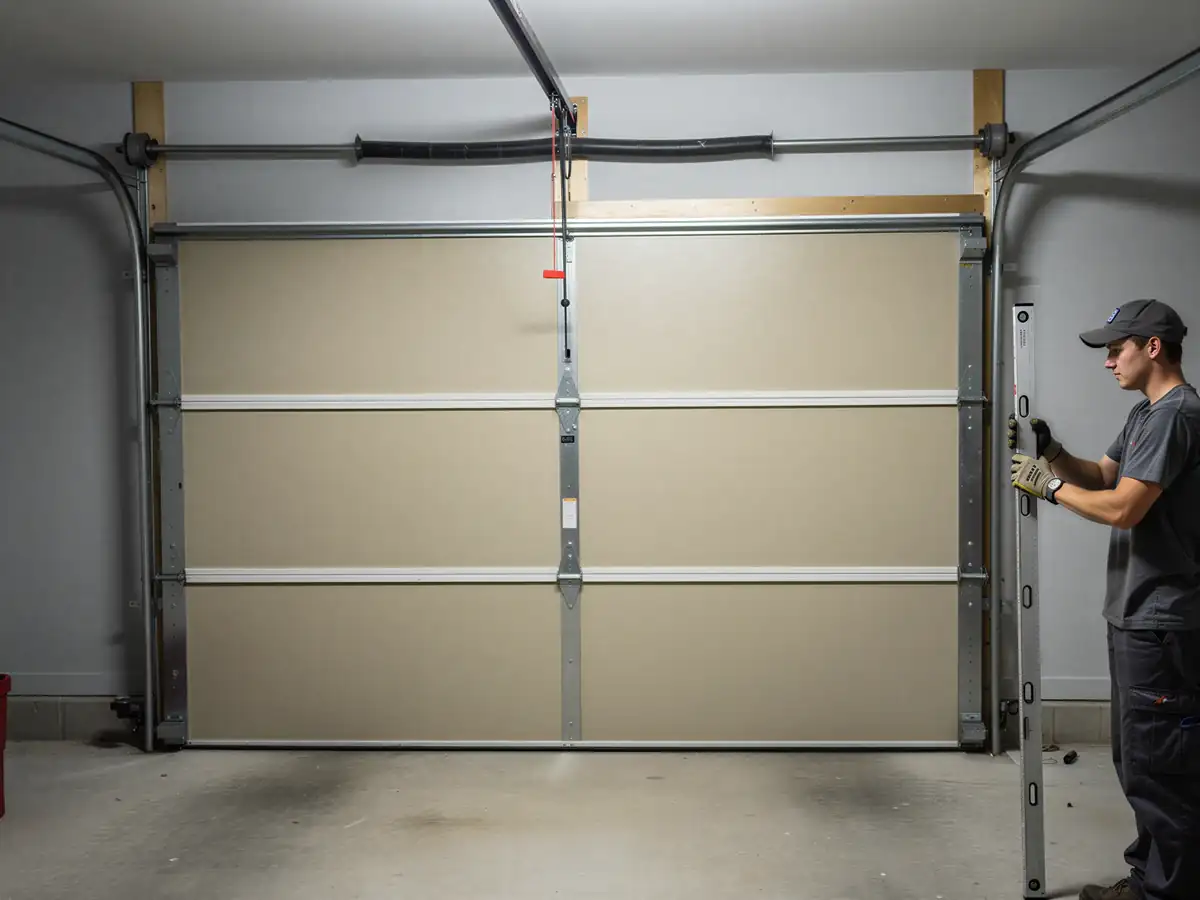
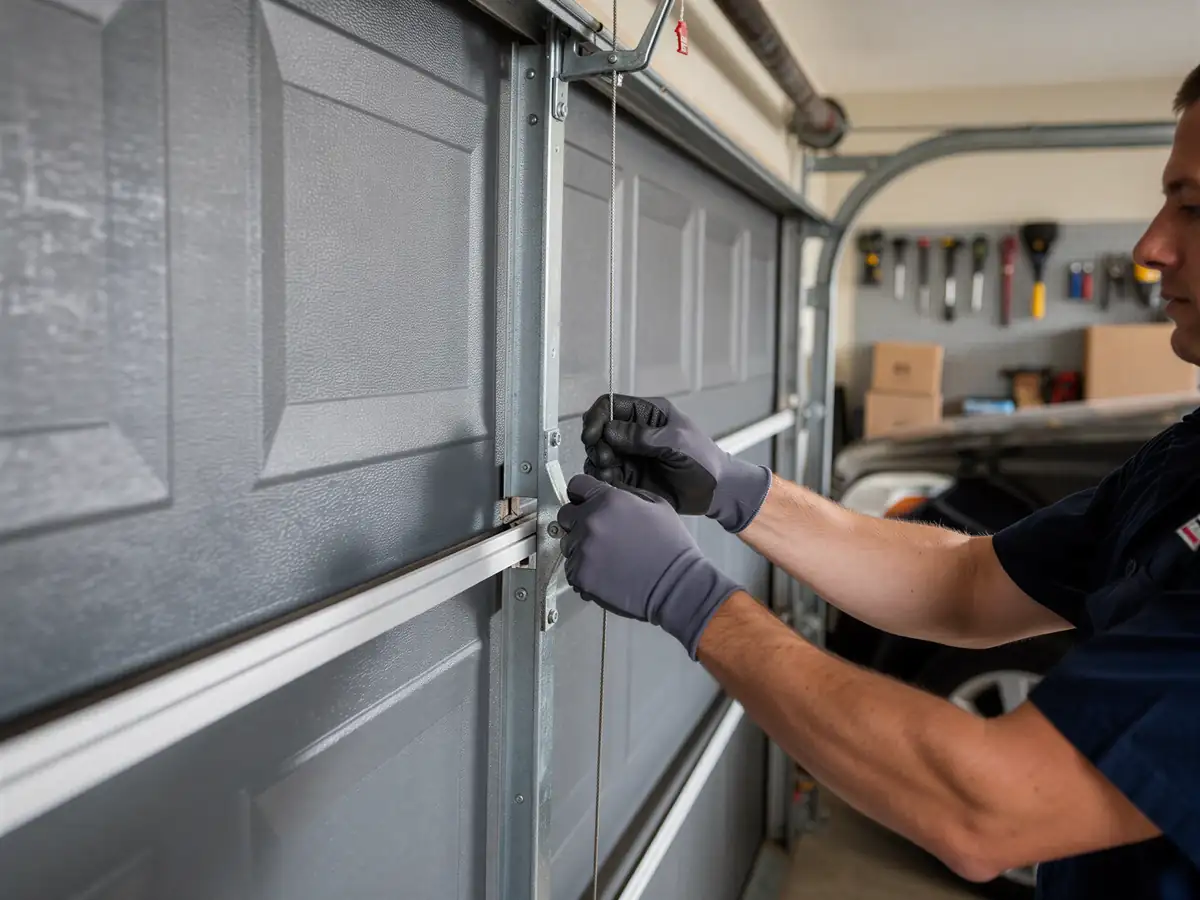
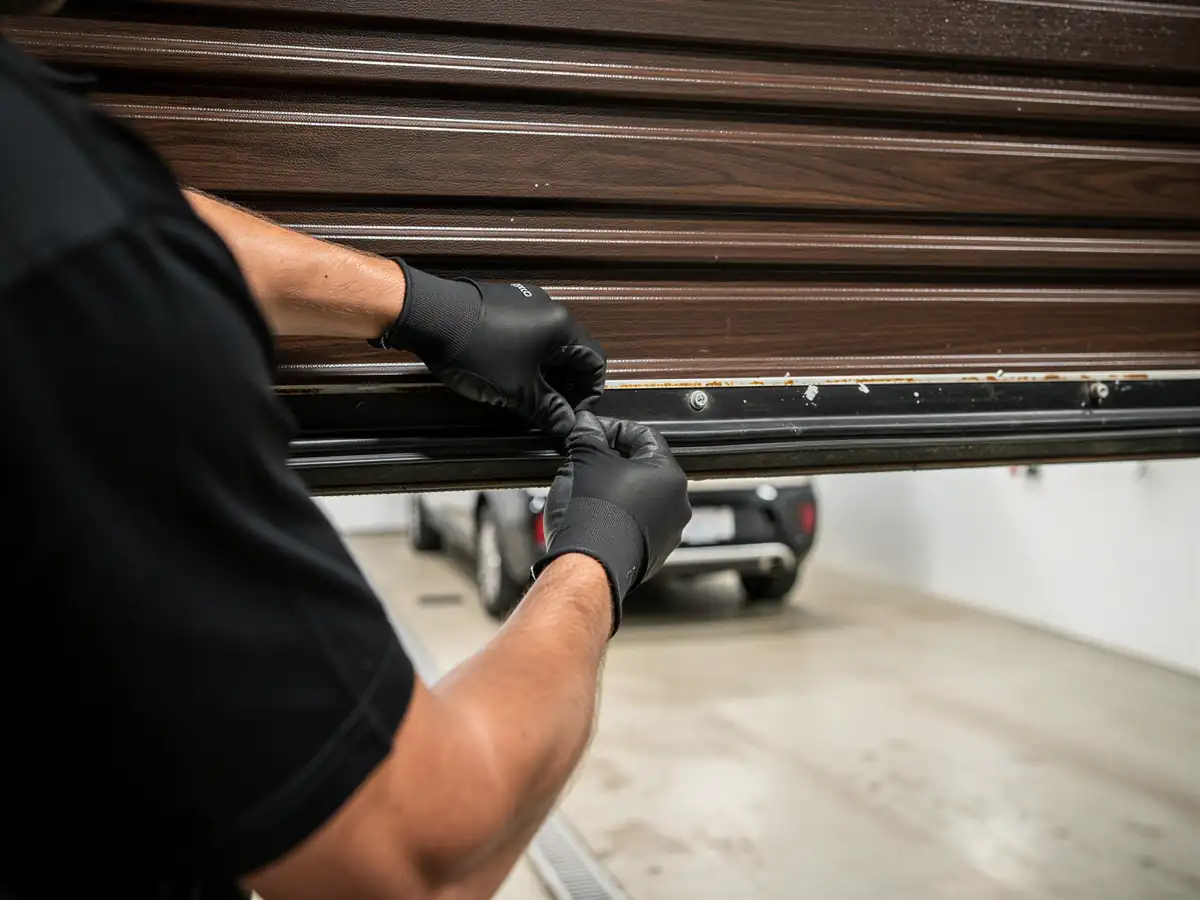
The call usually starts the same way: the door's gotten loud, or it's started hanging a little crooked on one side when it opens. Both point back to hardware that's never been touched since the house was framed in 1979. A spring that's lost tension doesn't always snap outright - sometimes it just stretches enough that the opener has to work harder, and you hear that as a grind instead of a smooth pull. A track that's shifted slightly over 45 years of seasonal wood movement will show up as a door that catches at the same spot every time, not randomly. Neither symptom means the door is unsafe today, but both mean the parts are at the end of what they were built to do, and a new installation - sized correctly for the opening rather than forced to match old hardware - is usually the straightforward fix once we're actually looking at the opening in person.
How it works
From “it’s stuck” to “it’s fixed”
01
Tell us what’s wrong
Describe the symptom - won’t open, loud bang, opener runs but the door won’t move.
02
On-site diagnosis
A technician tests the door under power and by hand and finds what actually failed.
03
Clear, up-front plan
You get the fix that’s needed and what drives the cost - before any work starts.
04
Repaired & tested
The repair is done, the door is set true and tested, and the work area left clean.
Not sure which repair your door needs in Casselberry, FL? Describe what it’s doing - every job starts with a diagnosis.
Straight answers about garage door repair in Casselberry. Still unsure? Ask us directly.
How old are most garage doors in Goldenrod likely to be?
Housing here dates to around 1979 on average, so a lot of doors and their openers are original to the house - over four decades old. If yours has never been replaced, the springs are well past the cycle count they were rated for, even if they haven't failed yet.
Do you have a shop in Goldenrod?
No. We run out of Casselberry, about 4 miles away, and cover Goldenrod from there. There's no local branch or drop-in counter here - we come to the job on the scheduled visit.
Will a new standard door fit my older opening?
Usually, but not always. Some 1979-era openings run narrower than today's standard sizes, so we measure the frame before quoting rather than assuming a stock door drops in without adjustment.
Is repair or replacement the better call for an older door?
If the original springs, drum, and track are all wearing out together, which is common at this age, repair often costs close to what replacement does. We'll tell you honestly which side of that line your door falls on after we look at it.