Panel Replacement for DeBary's 1990s-Era Garage Doors
DeBary homes mostly date to the mid-1990s, so panel sizes and hardware are standard. Casselberry Garage Door Pros brings matched sections out from 15 miles away.
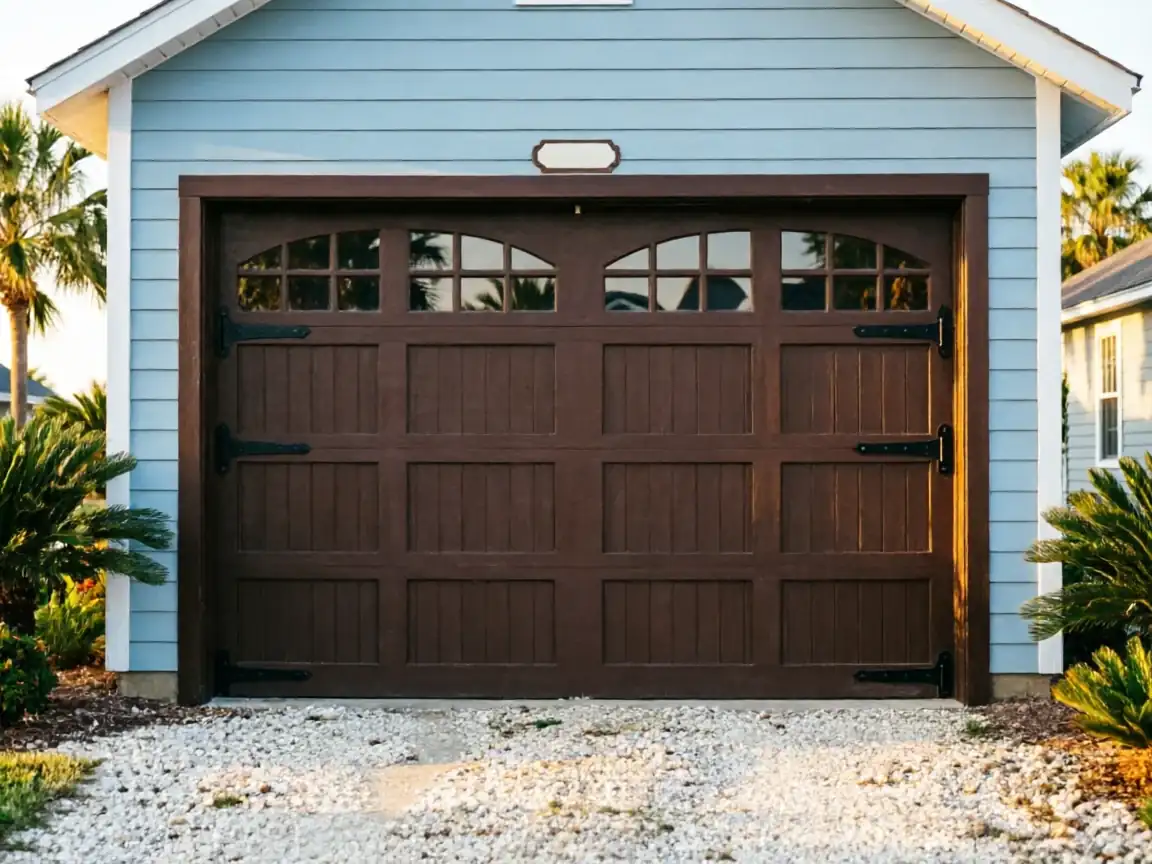
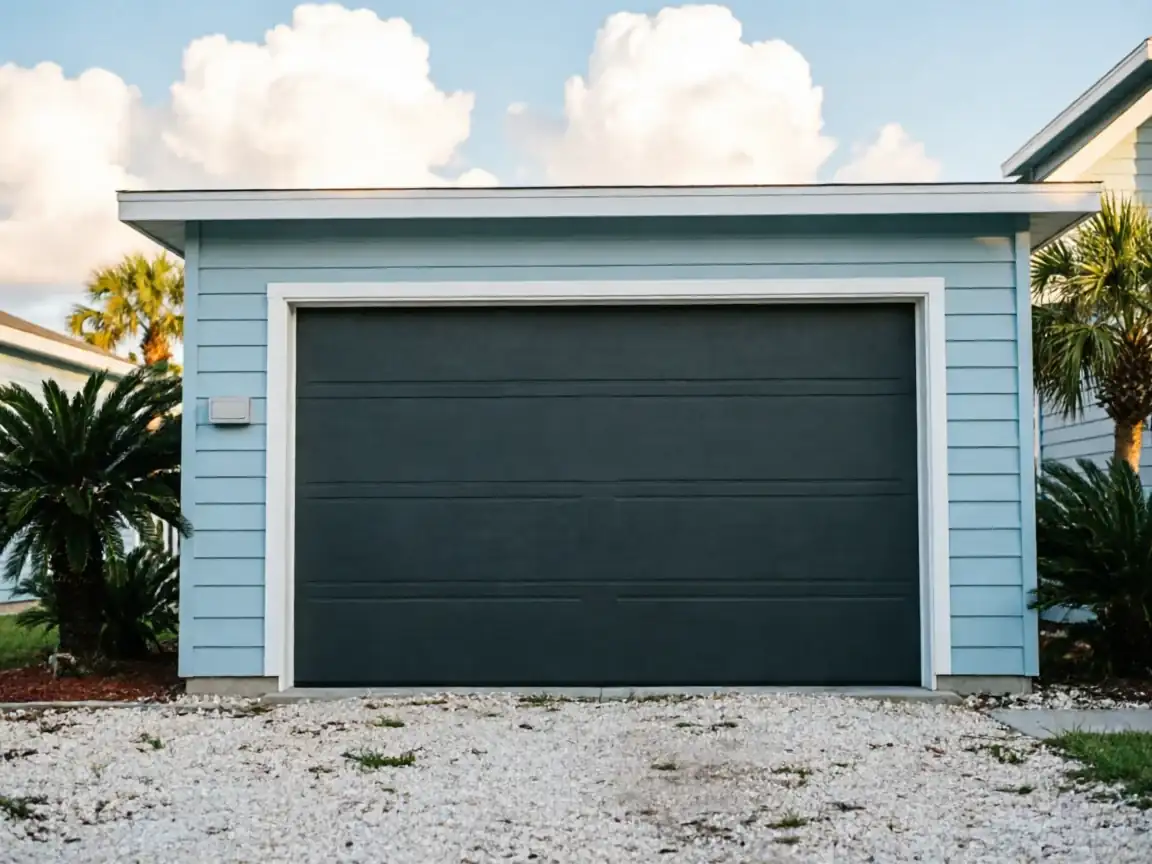
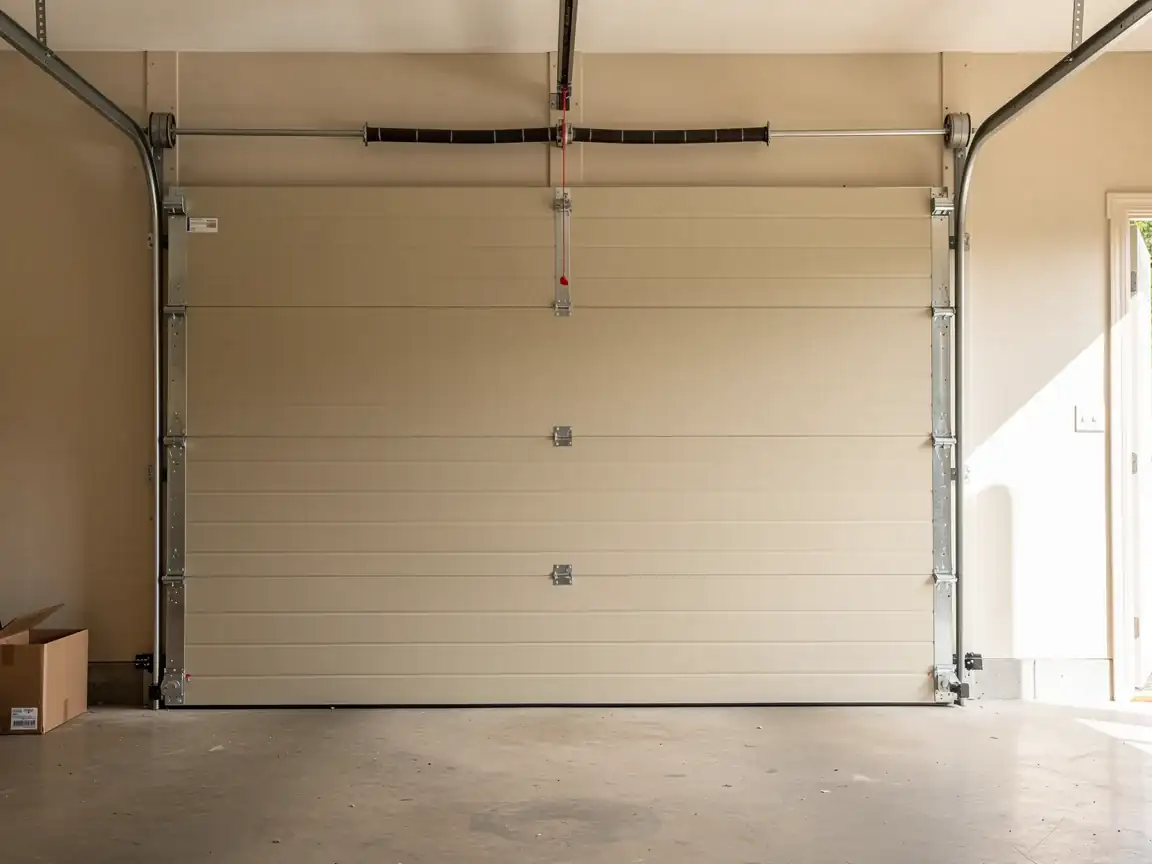
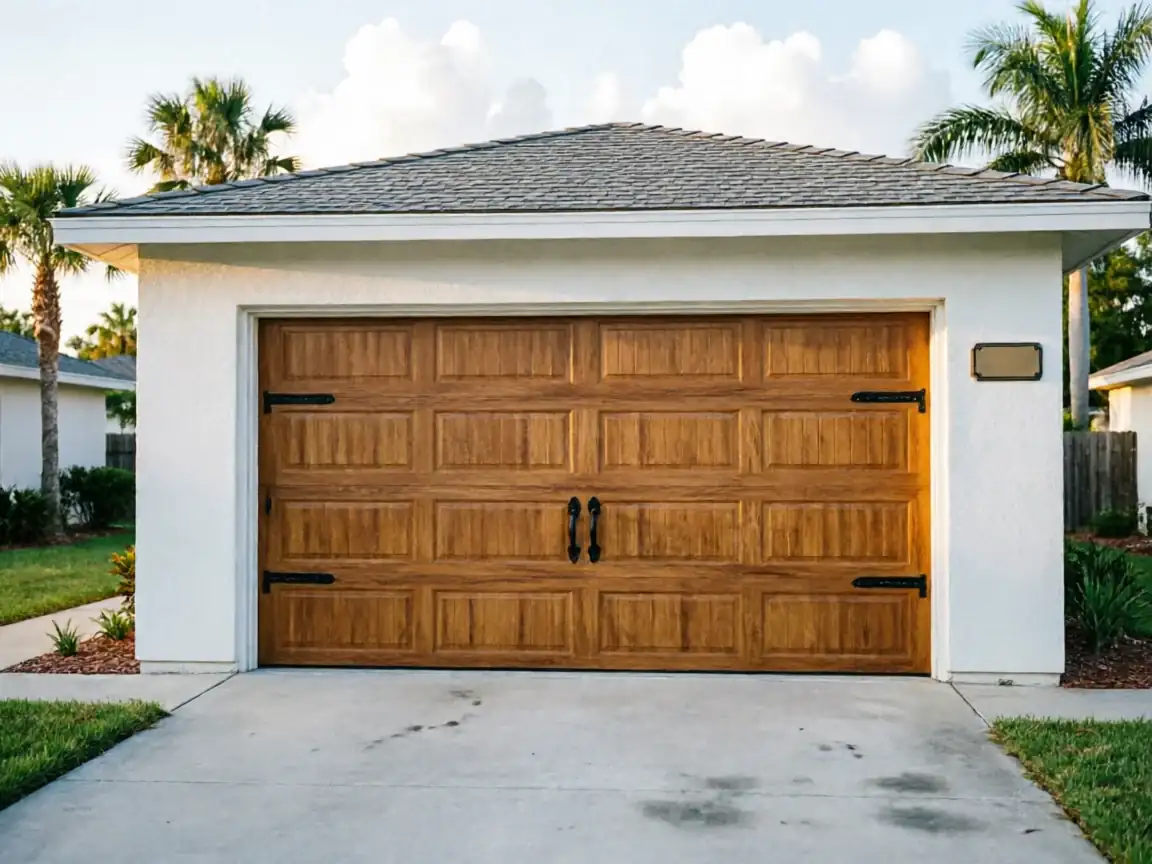
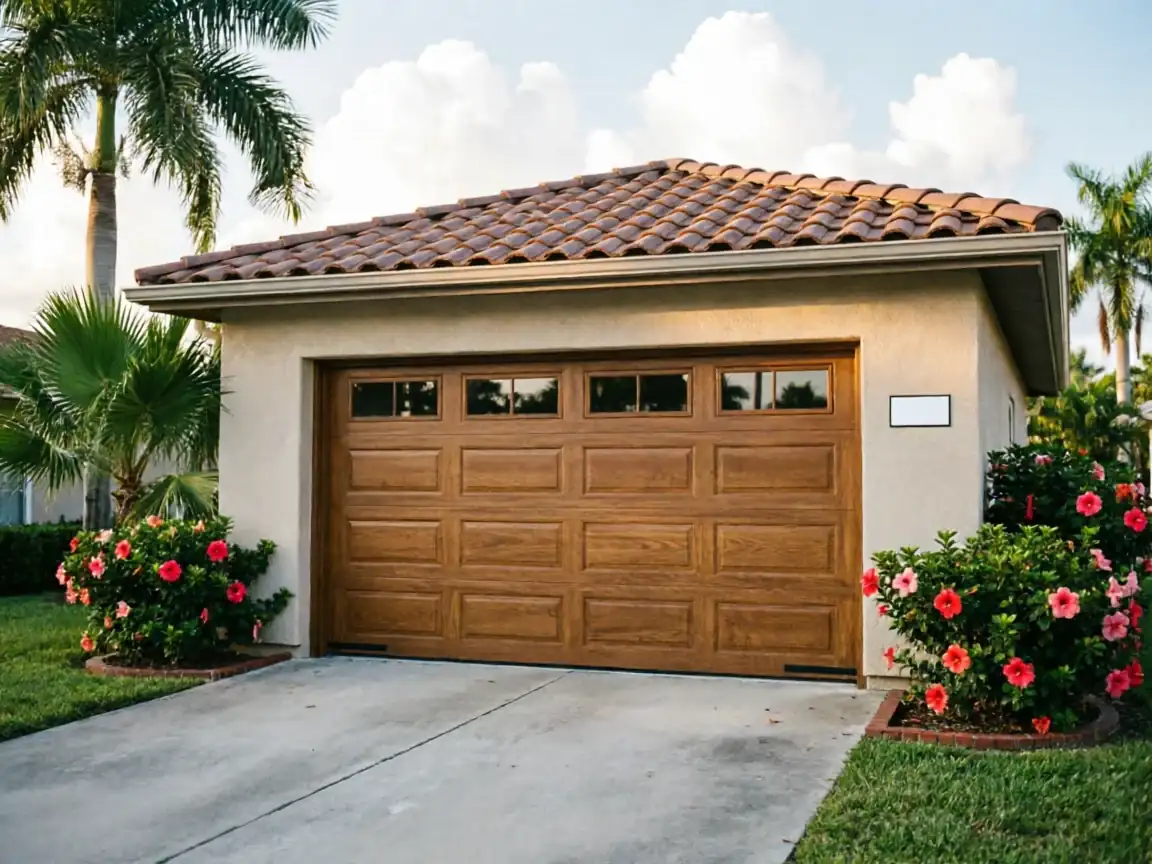
DeBary's housing stock mostly went up around 1994, which puts most doors here squarely in the era of steel raised-panel sections on standardized track widths. That's good news for a panel swap: the sizing is common enough that a matched replacement section is something we can usually bring with us rather than special-order. Doors from this build period typically use factory panel heights that haven't changed much since, so a single damaged section - the kind you get from a trailer hitch backing in wrong, or a ladder tipped against the bottom panel - can often be swapped without replacing the whole door. We're coming from Casselberry, about 15 miles out, so when a job calls for a panel we don't carry on the truck that day, we confirm the match before we make the drive back. That's the one limitation worth saying plainly: we don't stock every color and texture combination for every door line, and a discontinued panel from a line that's aged out can mean a short wait. For the common steel and insulated-steel runs typical of DeBary's 1990s construction, that wait is rare.
What we won't do is sell you a full door replacement when one section is the actual problem. If the rest of the panels, the track, and the spring are sound, a matched section is the cheaper, faster, correct fix.
Can You Do This Yourself
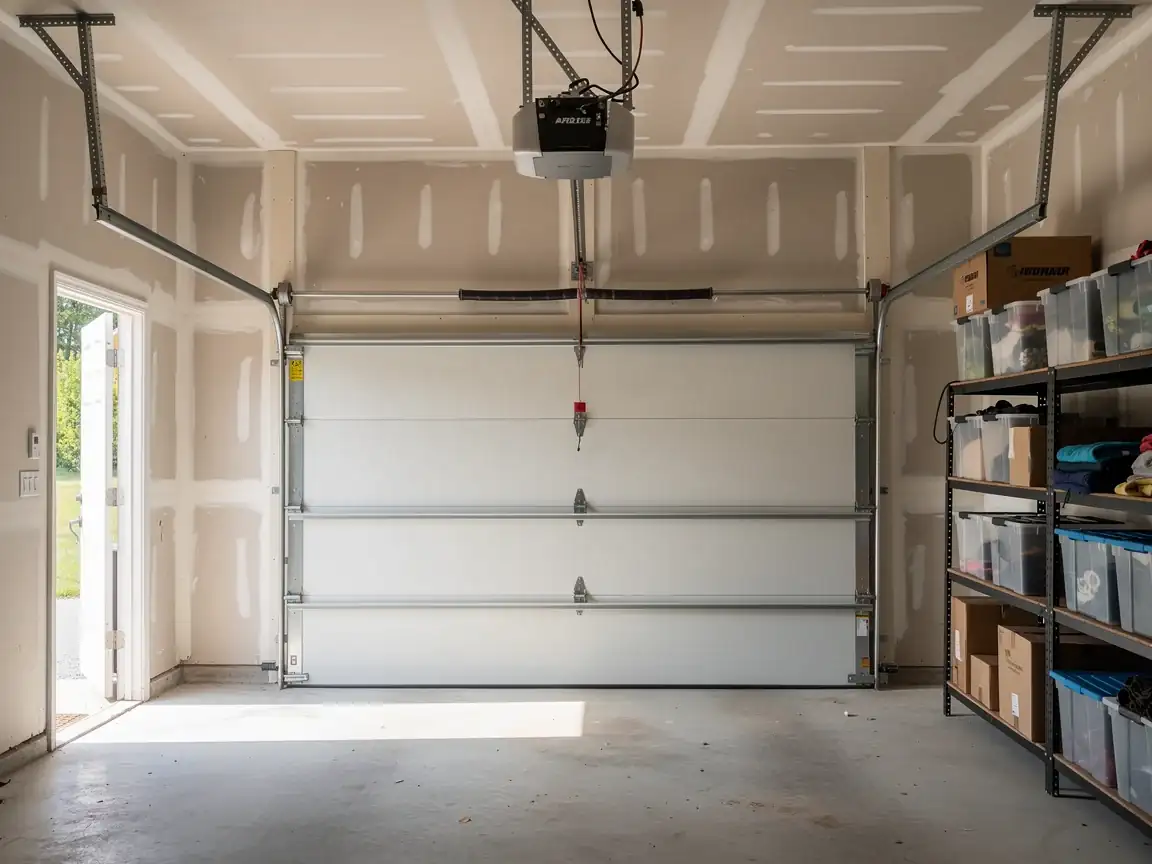
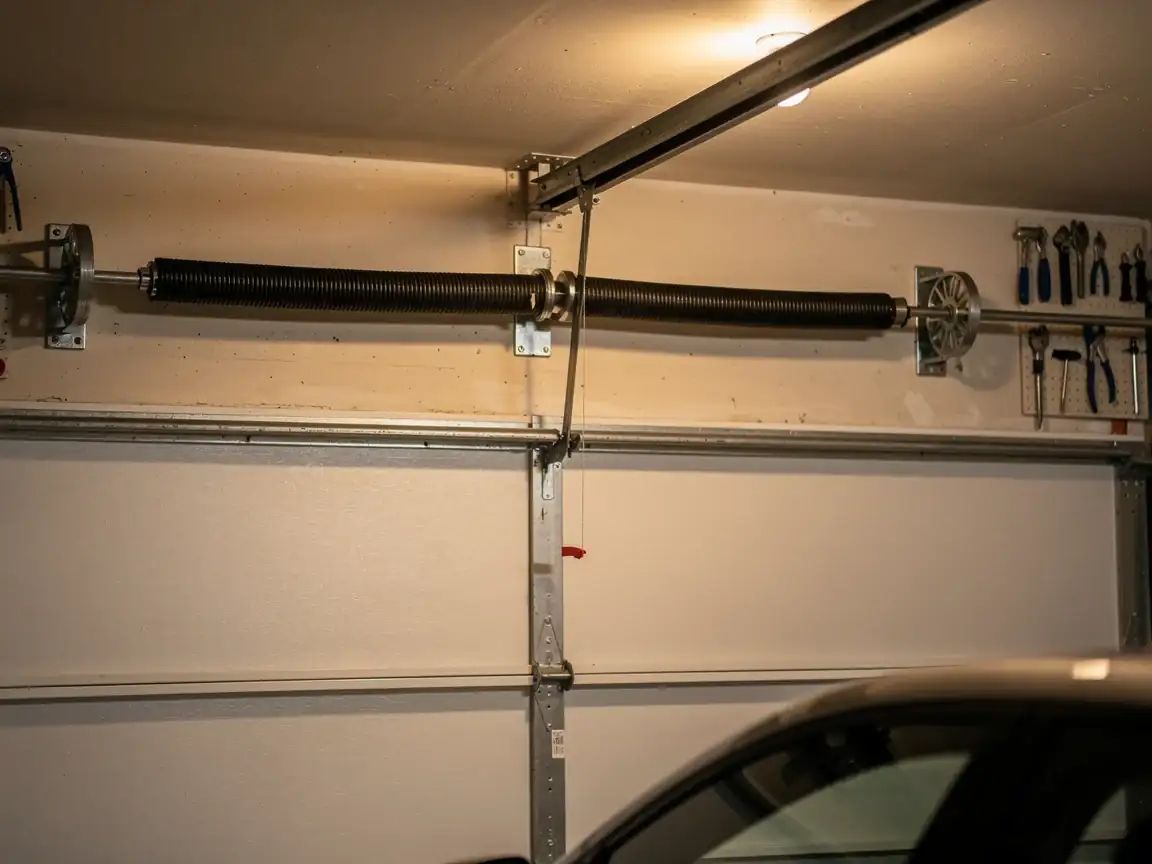
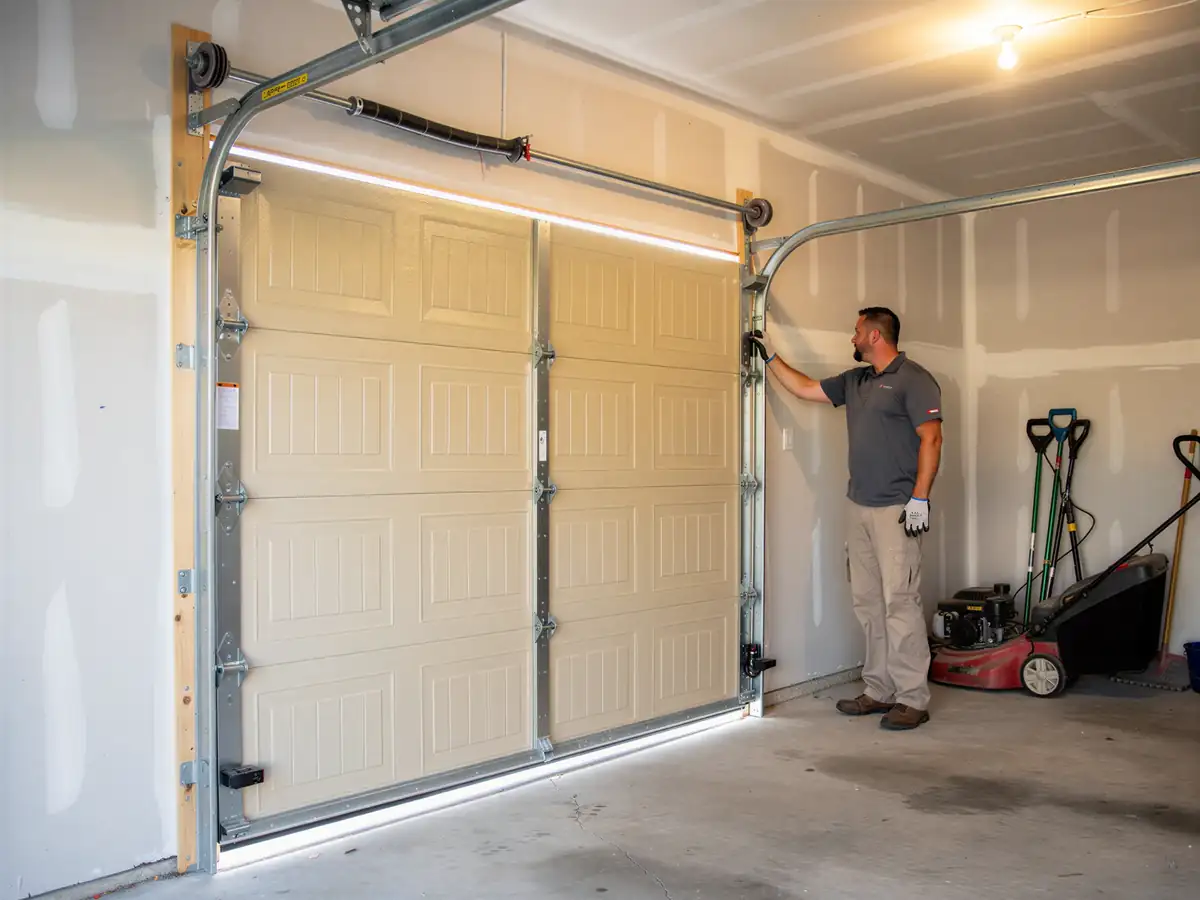
A single panel swap looks simple from a video - unbolt the hinges, slide the section out, slide the new one in. On a door still under spring tension, that's where it goes wrong. The hinges and end stiles on a 1990s-era steel door are holding the panel in line with the rest of the door's weight distribution, and pulling the wrong bolts first can let an upper section drop or rack sideways in the track.
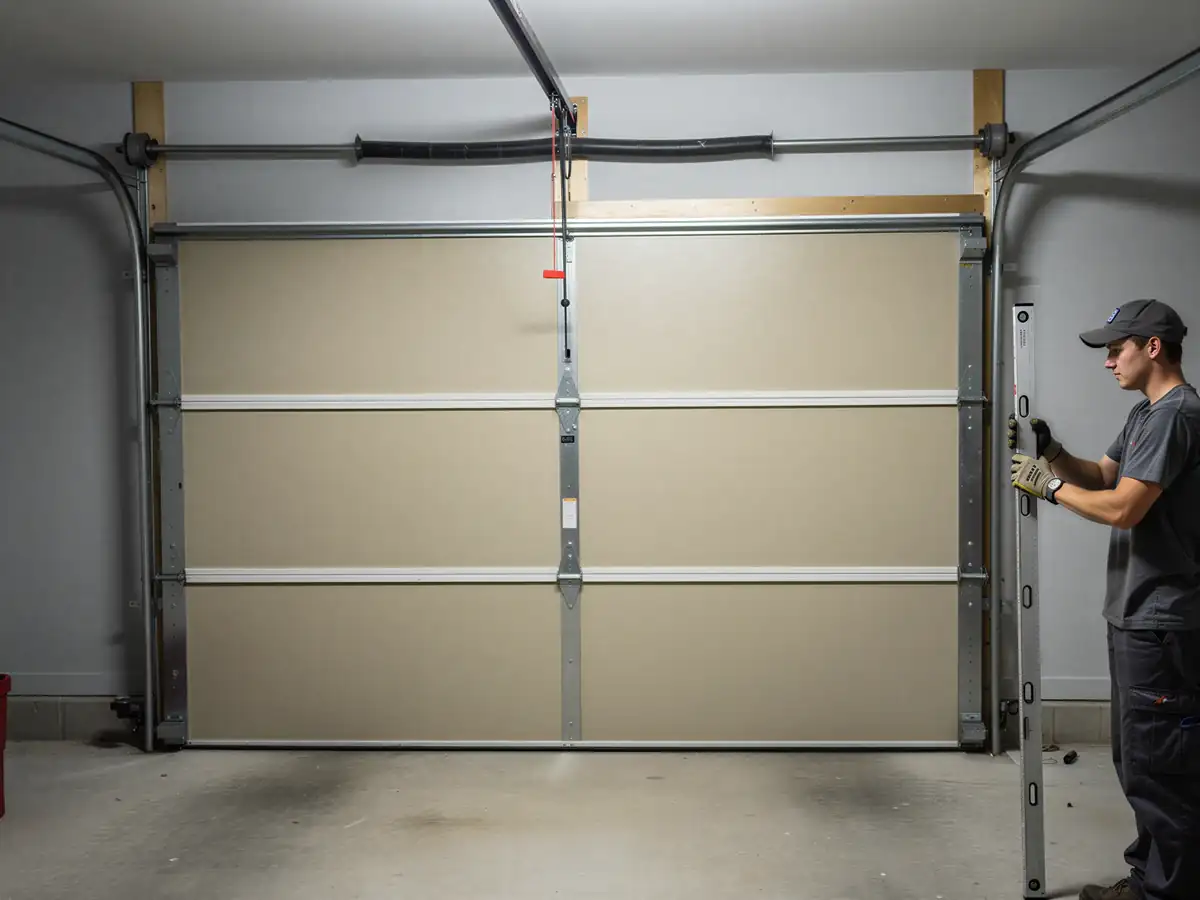
If the damage is limited to a bottom panel with no spring or cable involvement, and you're comfortable with a ratchet and a torpedo level, it's not out of reach for a confident DIYer. Where it stops being a weekend project is anything above the bottom row - those panels sit under load from the ones above them, and getting one out means supporting the door section by section. We'd rather tell you that upfront than have you call us after a panel's dropped askew in the track. If you're unsure which category your damage falls into, a photo of the dent or crack and which row it's in tells us a lot before anyone drives out.
How Long You Are Without the Door
01
A straight panel swap, once the matched section is in hand, is a same-visit job
The door comes back into service the same day we're on site. Where the timeline stretches is sourcing: if the replacement panel isn't one we're carrying when we quote the job, there's a gap between the quote and the install while the part comes in. That gap is shorter for the common steel sections that match DeBary's 1994-median housing stock than it is for an older or discontinued door line.
02
We don't give a blanket turnaround time here because it depends entirely on whether the match is in stock the day we see the door
What we can tell you is that the install itself, once the part's on the truck, doesn't take long - it's the waiting-on-parts piece, not the labor, that adds days.
What the Fix Involves
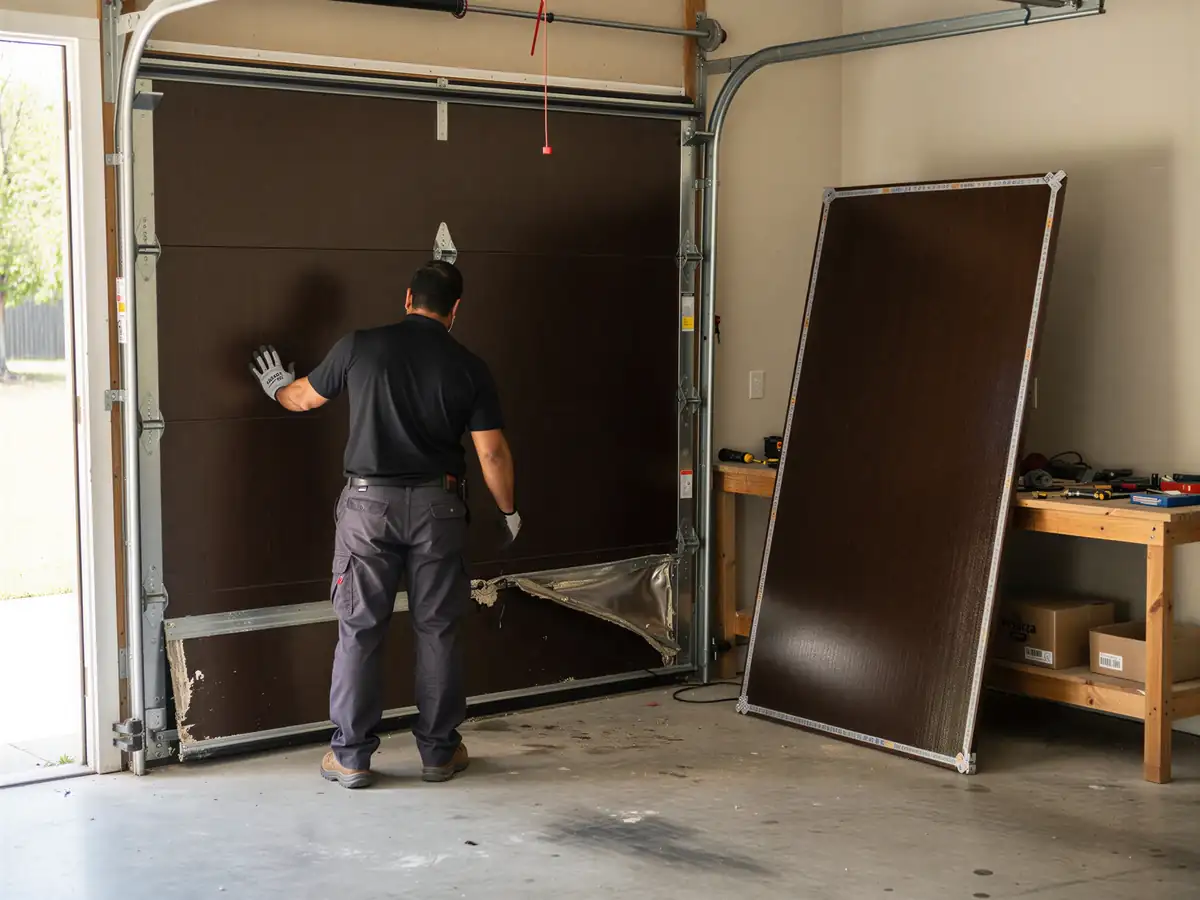
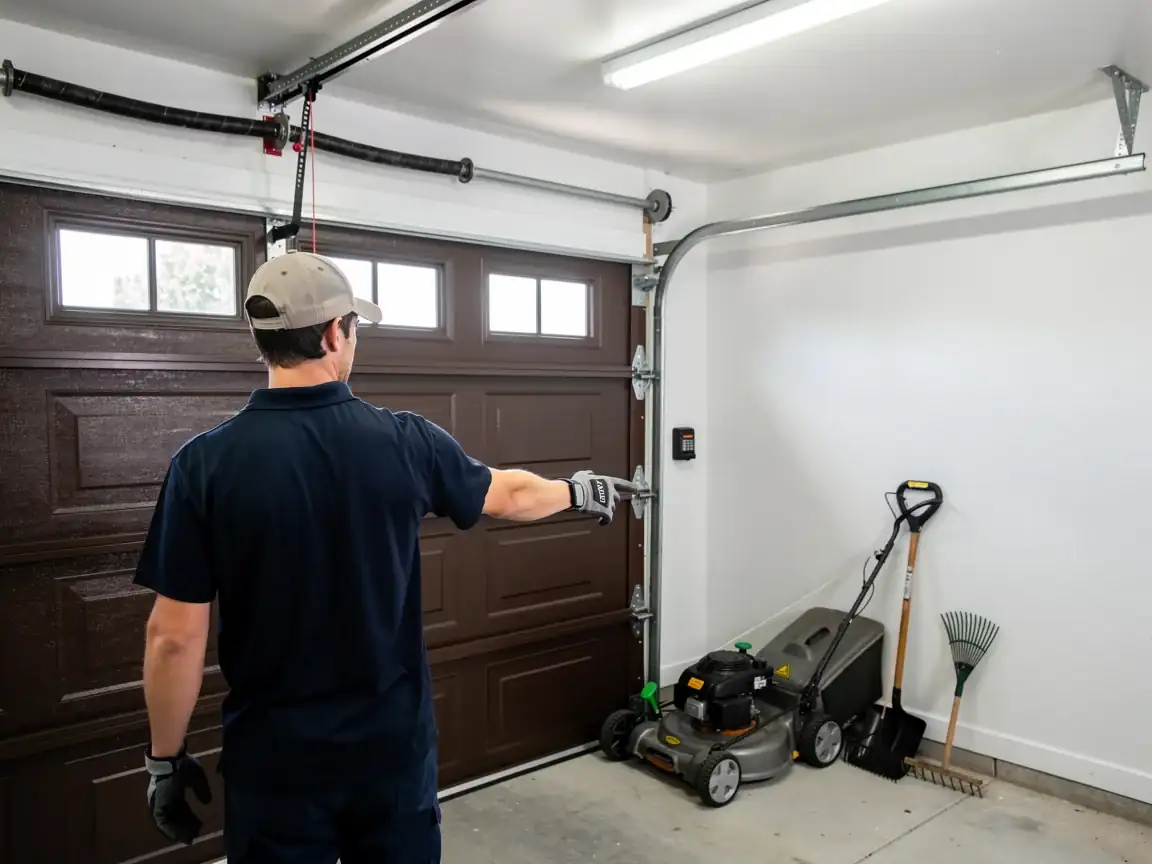
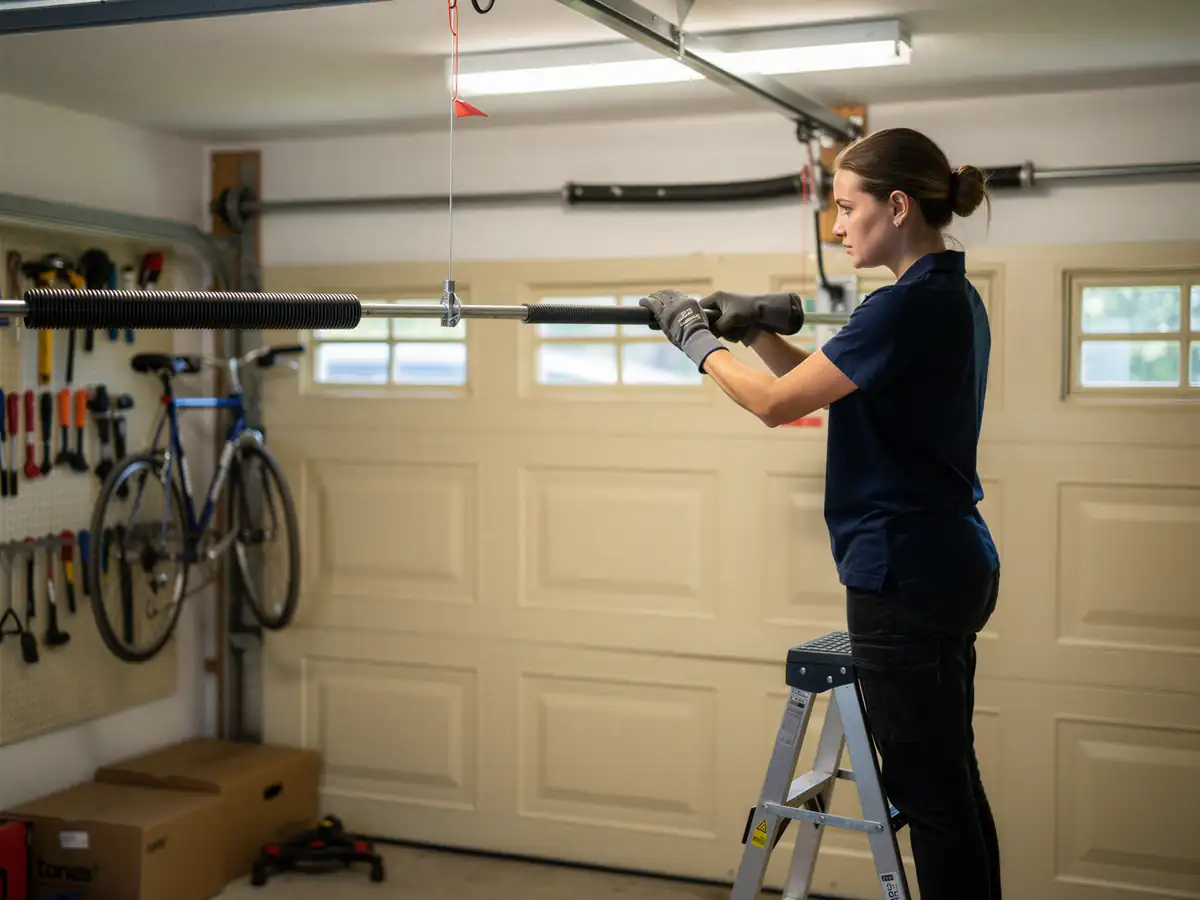
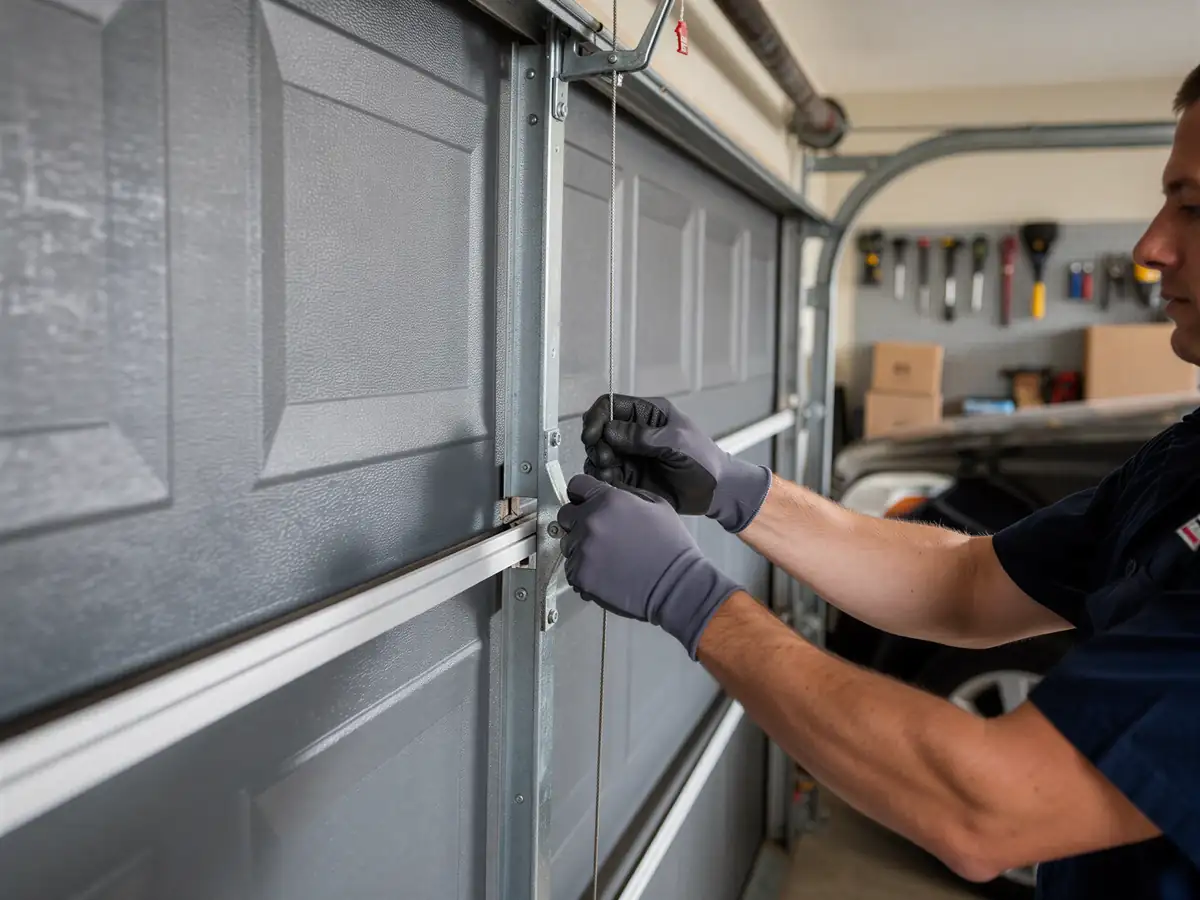
The job starts with matching the panel - color, texture, and the exact section height, since a door built in the 1990s commonly ran narrower reveals than newer lines. Once we've confirmed the match, we release spring tension, support the door at the damaged row, and pull the end hinges and roller brackets off the old section without disturbing the panels above or below it.
The new section goes in, hinges and rollers get reattached, and we check the whole door runs true in the track before we put tension back on the springs. If the door's wood trim or stile has warped slightly with age - not uncommon on a 30-year-old door even in this area's mild climate - we square that up as part of the swap rather than forcing a straight panel into a track that's shifted. For DeBary's 9,420 households, most of this housing stock is young enough that we're rarely dealing with custom-cut panels or obsolete hardware, which keeps the job to a single visit in most cases.
How it works
From “it’s stuck” to “it’s fixed”
01
Tell us what’s wrong
Describe the symptom - won’t open, loud bang, opener runs but the door won’t move.
02
On-site diagnosis
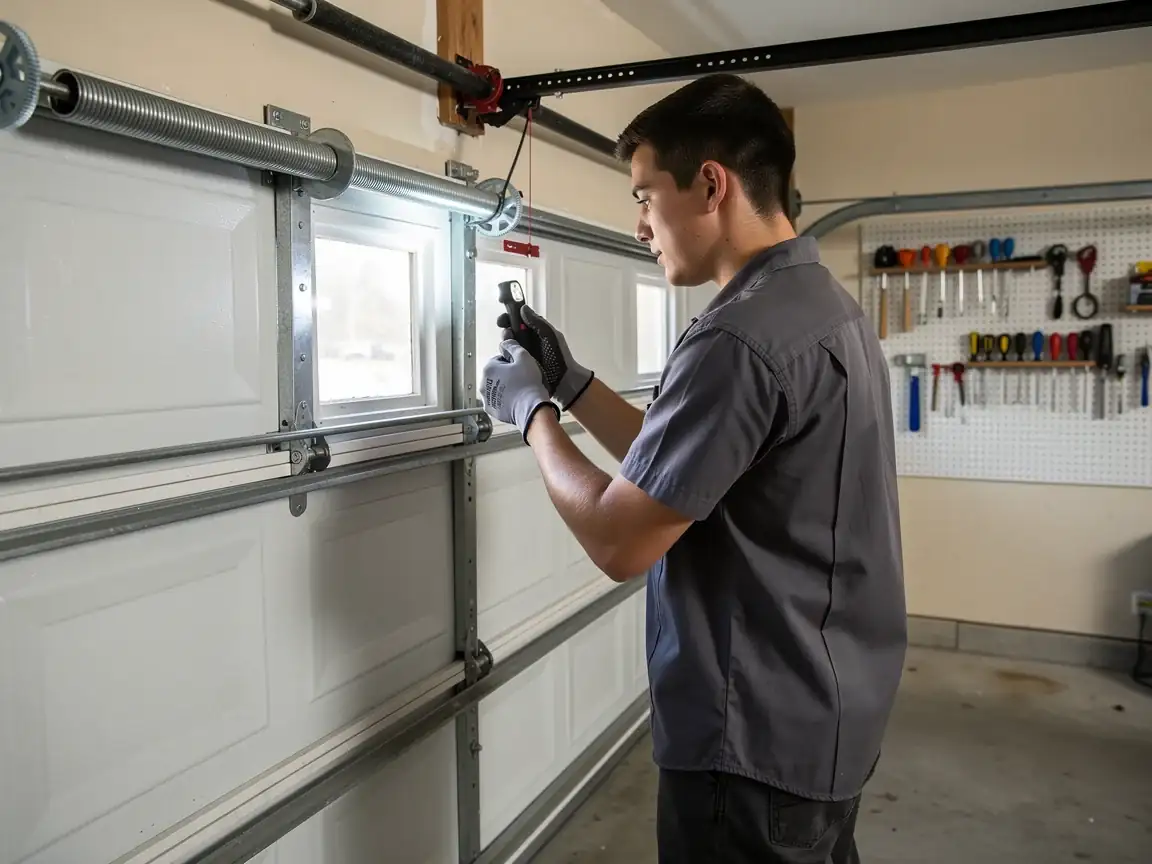
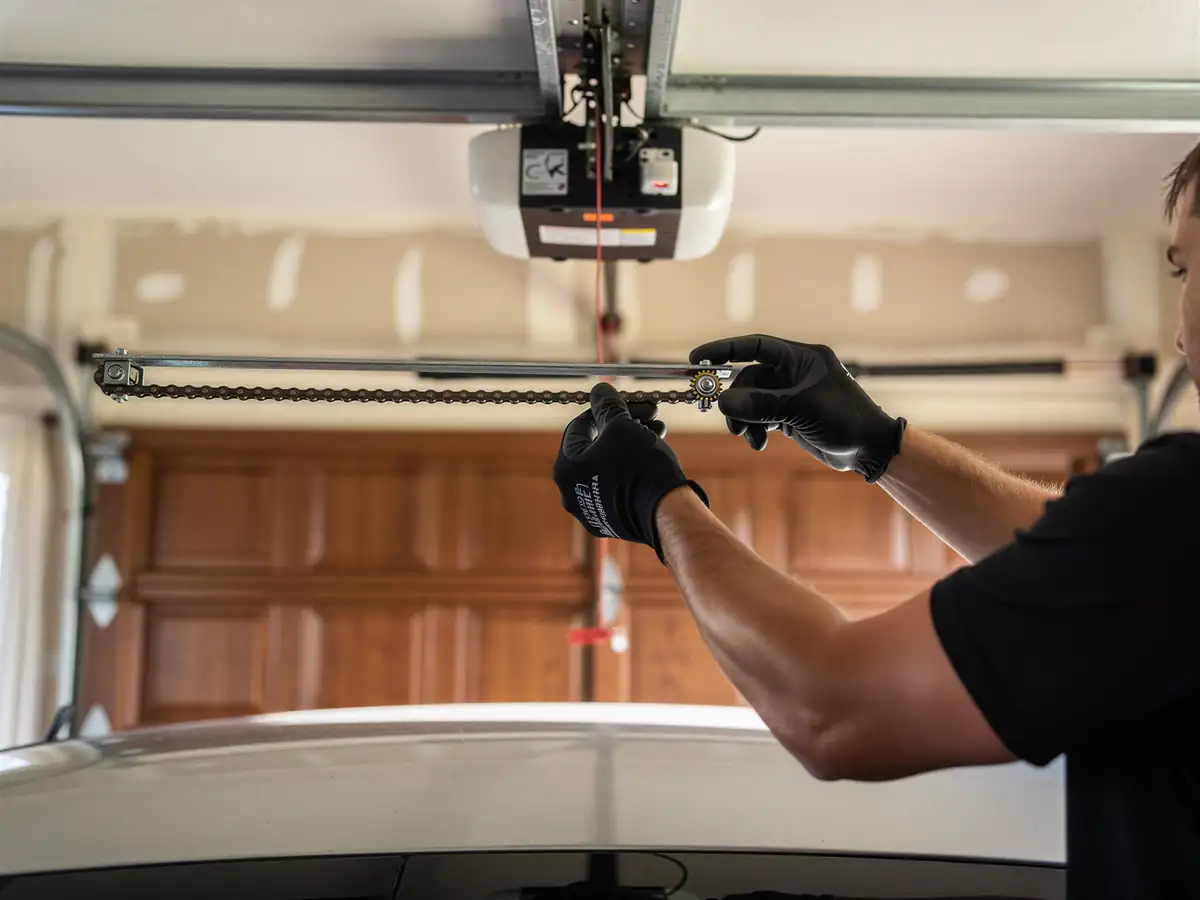
A technician tests the door under power and by hand and finds what actually failed.
03
Clear, up-front plan
You get the fix that’s needed and what drives the cost - before any work starts.
04
Repaired & tested
The repair is done, the door is set true and tested, and the work area left clean.
Not sure which repair your door needs in Casselberry, FL? Describe what it’s doing - every job starts with a diagnosis.
Straight answers about garage door repair in Casselberry. Still unsure? Ask us directly.
Will the new panel match the rest of my door exactly?
For doors from DeBary's common 1990s building stock, yes, in most cases - the panel sizing and common finishes are standardized enough that we can match color and texture closely. If your door is an older or less common line, a slight texture variance is possible and we'll tell you before we order.
Do you carry panels on the truck for a same-day job?
We carry the common steel and insulated panel sizes that match most of DeBary's housing stock. If your door needs a less common section, we confirm the match and schedule the install once it's in, since we're coming in from Casselberry and don't want a wasted trip.
Is panel replacement cheaper than a full door?
When the damage is limited to one or two sections and the rest of the door, track, and spring are sound, yes - replacing just the panel is the lower-cost fix. We won't push a full door swap when a section repair solves the actual problem.