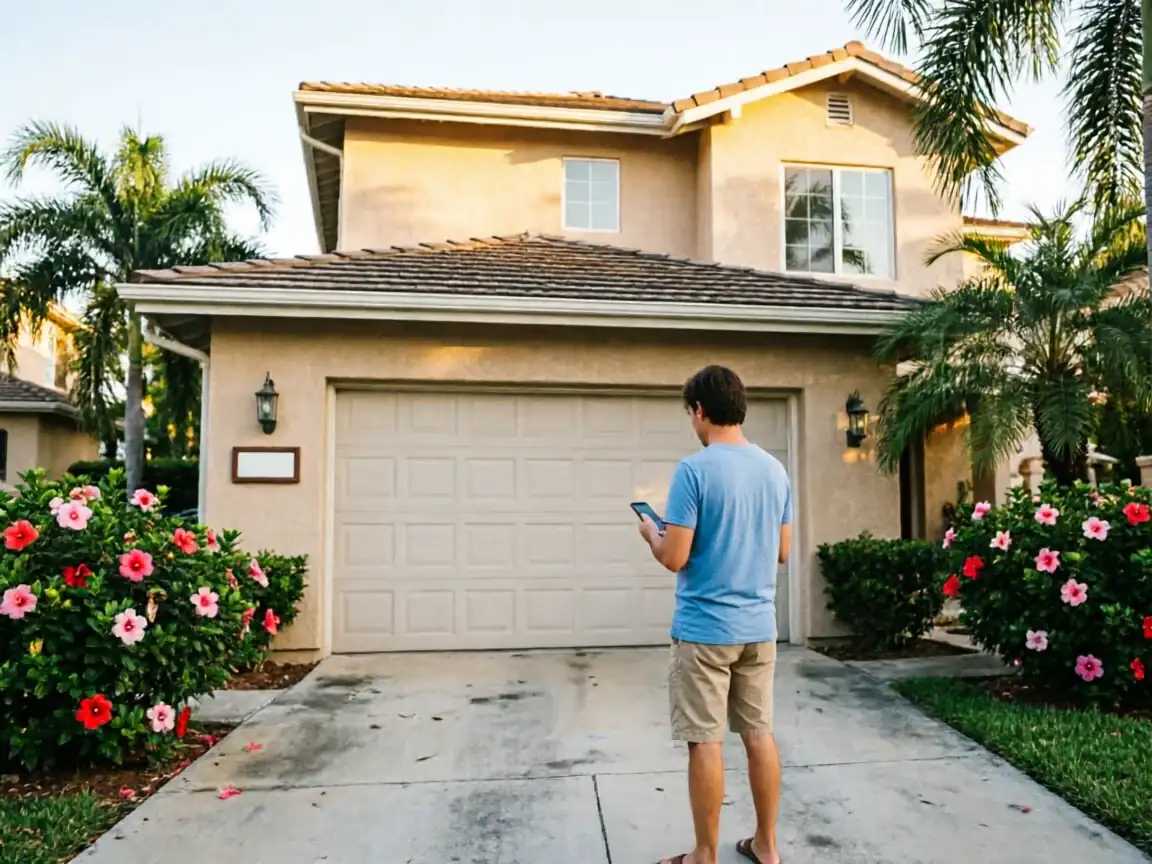
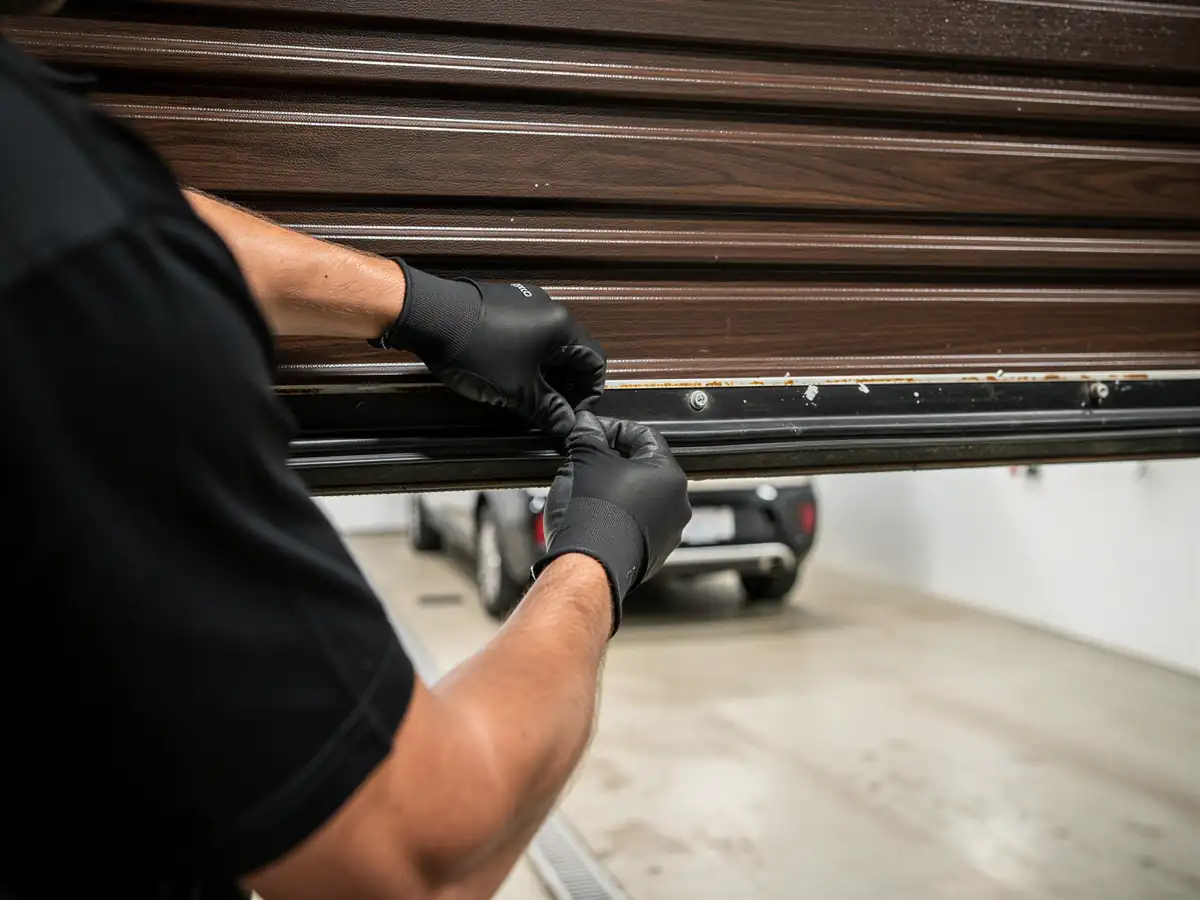
Snapped or frayed garage door cable in DeBary? We service the 1994-era torsion setups common here, traveling the 15 miles out from Casselberry to get your door moving again.
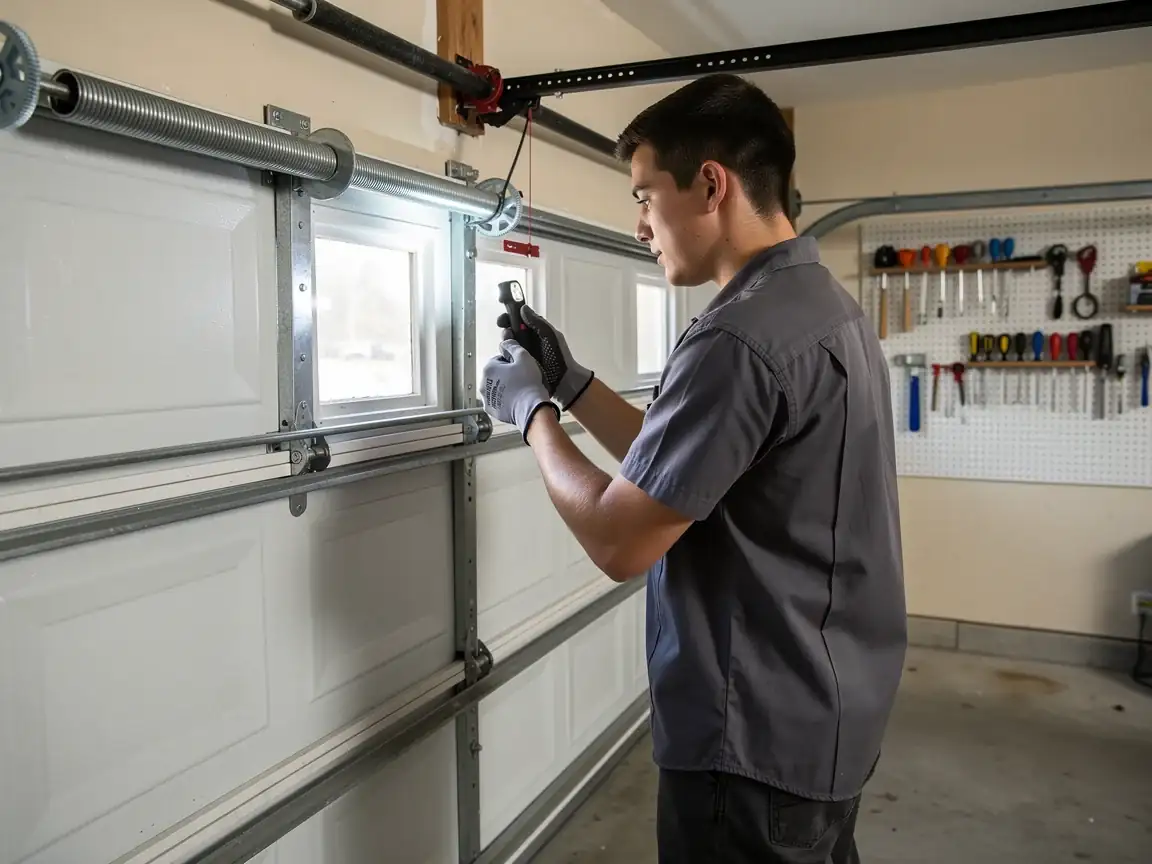
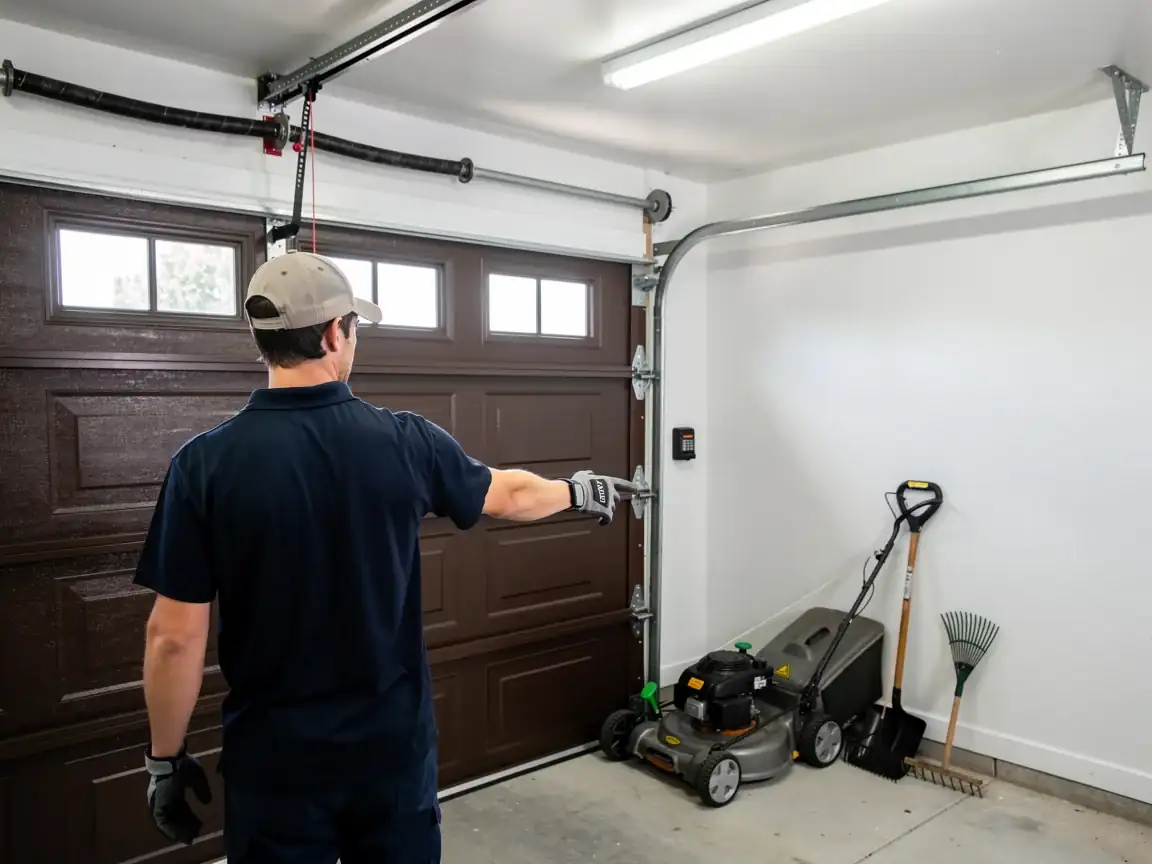
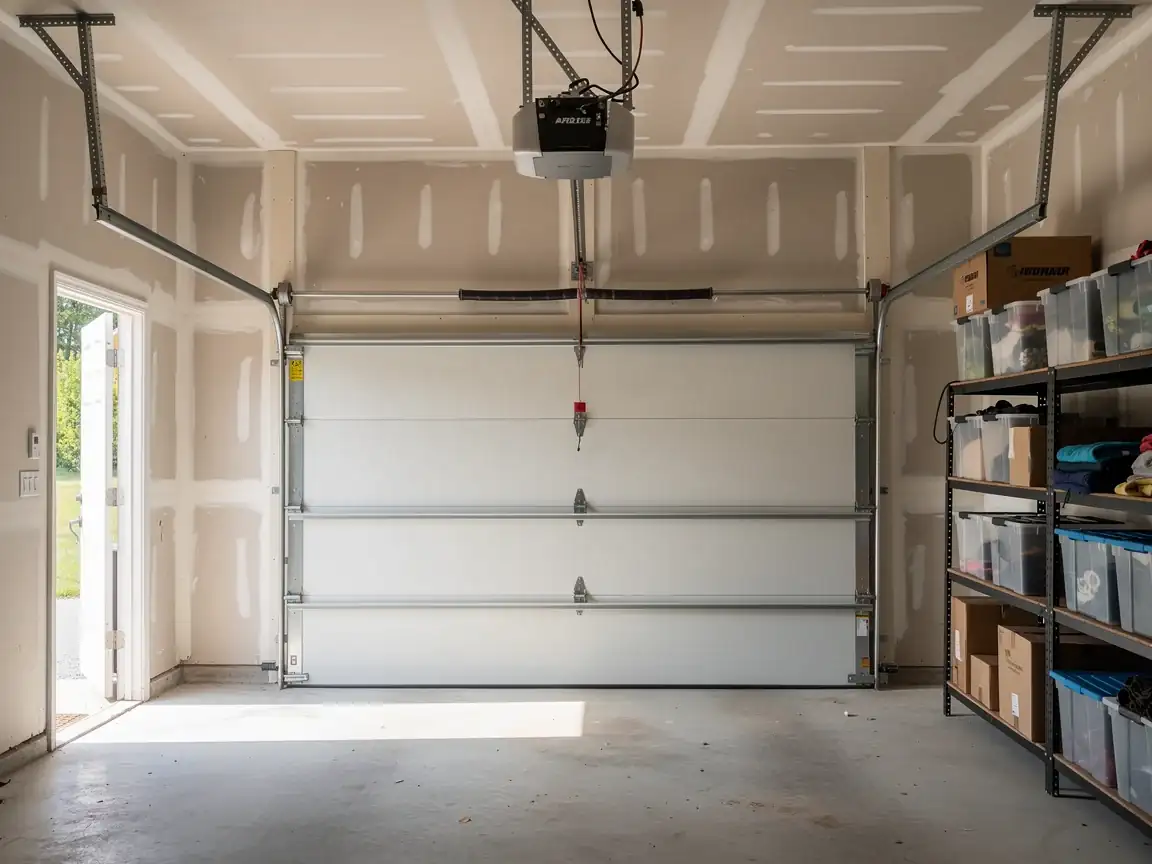
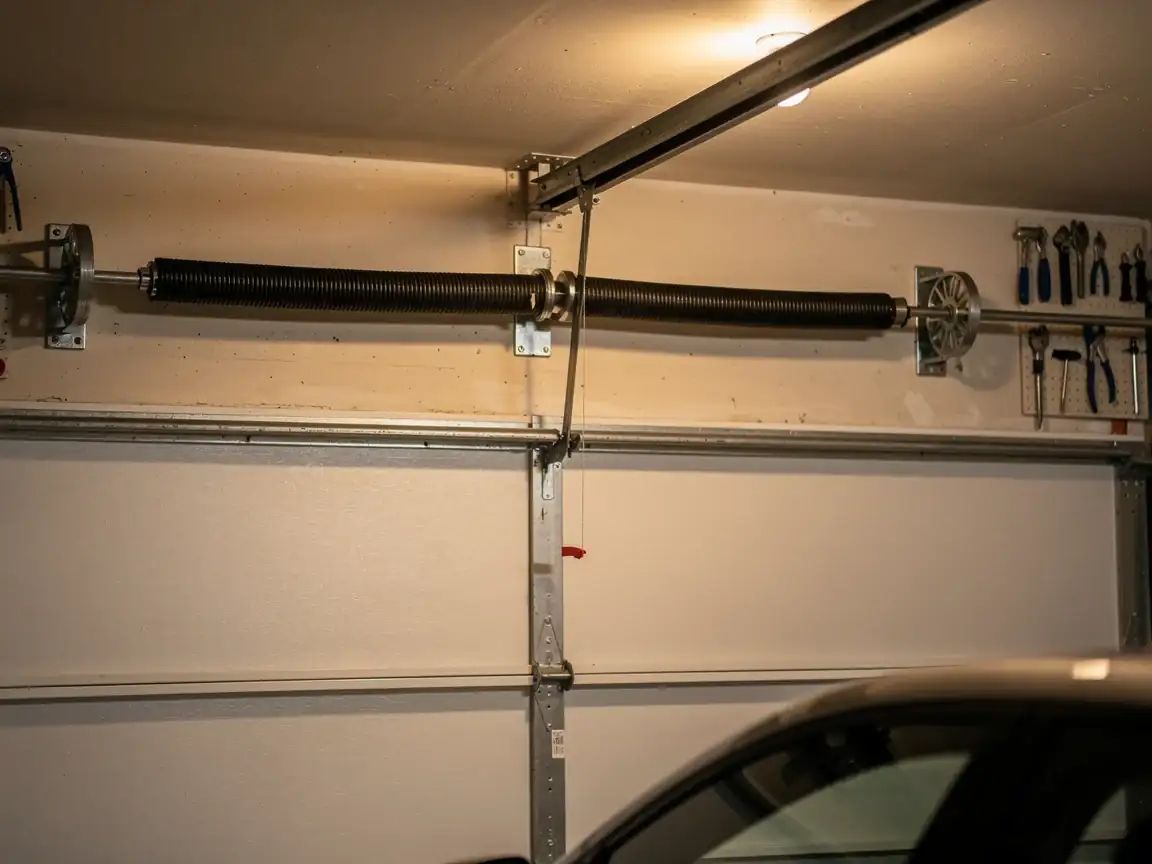
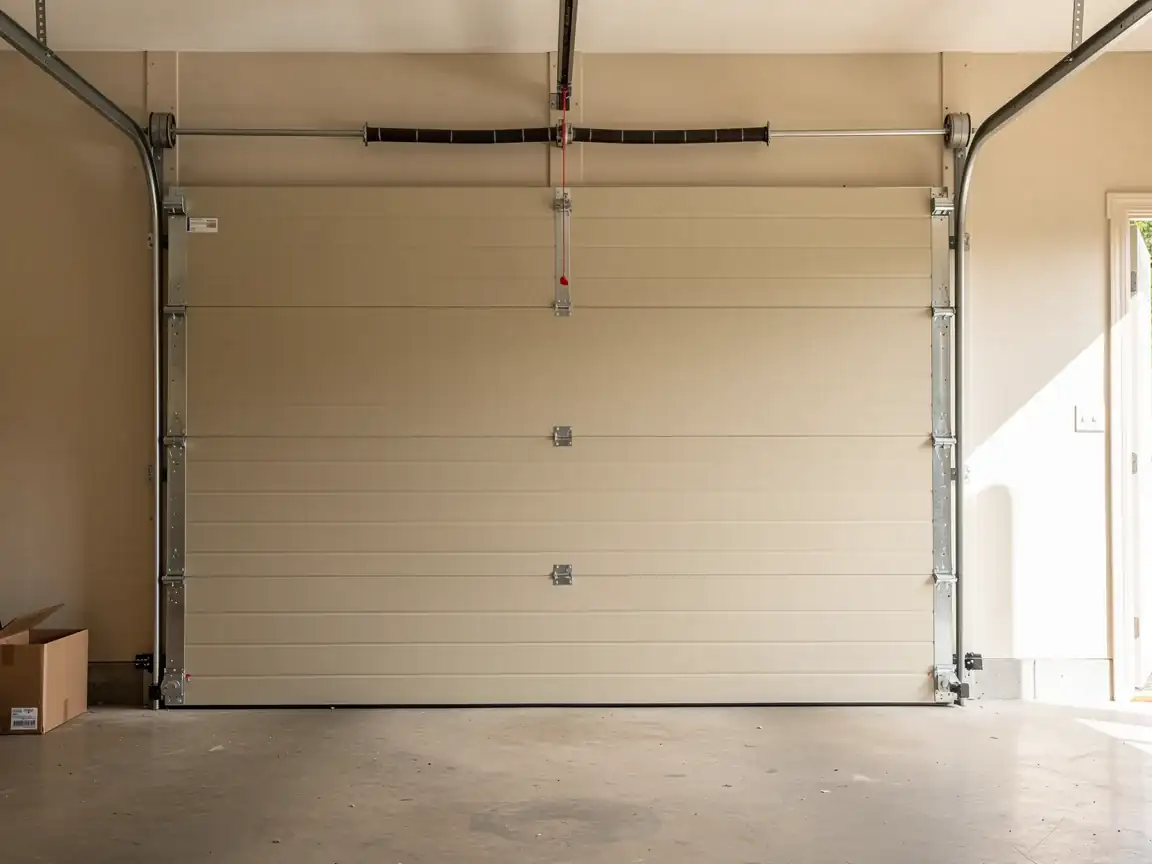
Most garages in DeBary went up around 1994, which means the door hardware behind the wall is almost always a torsion-spring setup with galvanized aircraft cable running down to a bottom bracket, not the older extension-spring style you'd find in a much older neighborhood. That's the cable size and drum type the truck carries most, because it's what fits the housing stock this far out.
Where it gets slower is the odd ball: a door that's been swapped out for a wider two-car model, or hardware that's been modified over the years by a prior repair. If your cable size doesn't match what's on hand, we may need to order the exact gauge rather than force a close-enough substitute onto a loaded spring system. That's not a DeBary-specific problem, but it's worth saying plainly instead of promising a part is always in stock when it might not be.
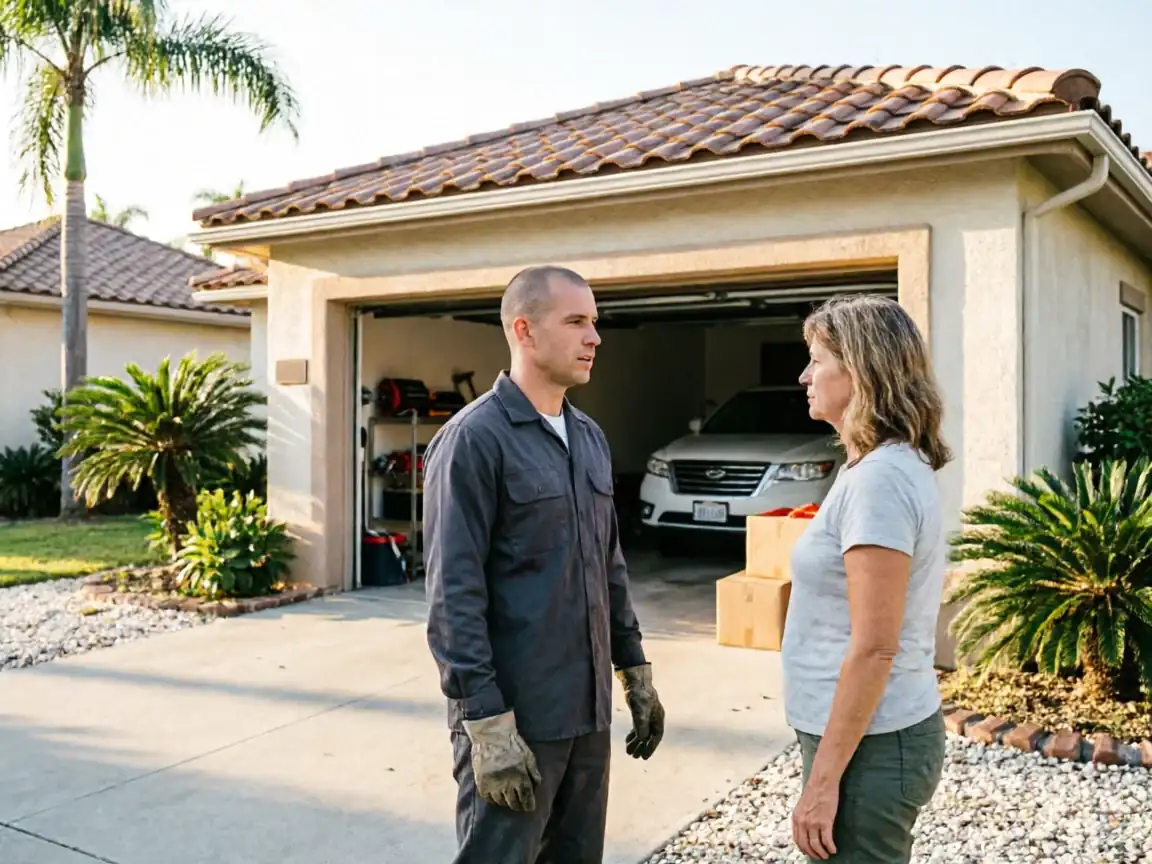
We travel from Casselberry to reach DeBary, about 15 miles out, so the parts that go on the truck are picked for what actually shows up on calls out this way, not a generic assortment.
Can You Do This Yourself
A broken or frayed cable on a torsion-spring door means the spring above it is still fully wound and holding a few hundred pounds of tension against a drum it's no longer safely anchored to. That's true whether the door is a single or a double, and it's true in any house built on this hardware, which in DeBary means most of them given the 1994 median build year.
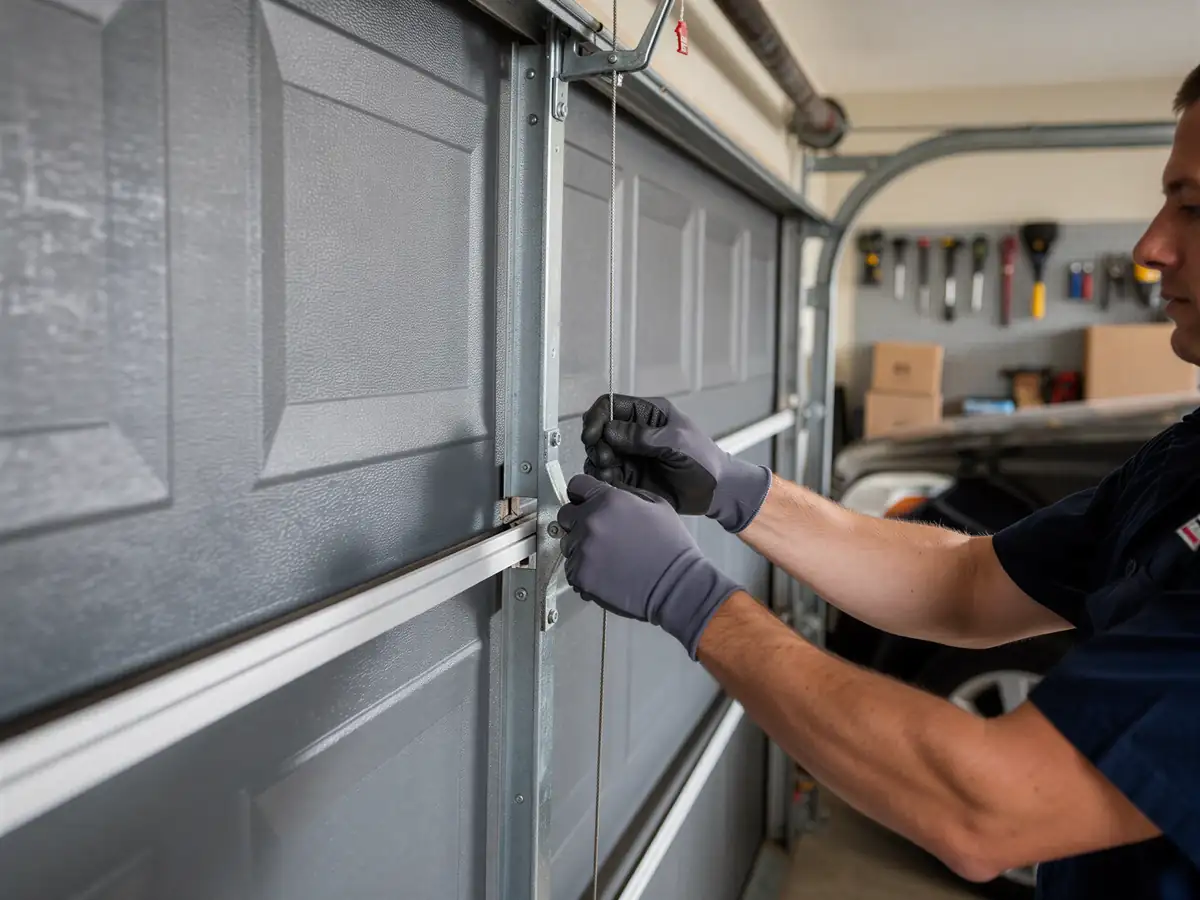
Unwinding that spring without the right bars, or trying to re-thread a cable while the drum is still under load, is how people lose fingers or get hit by a bar that slips. This isn't a tutorial-video job. If you can see the frayed strands at the bottom fixture or the cable has already come off the drum, the safest move is to leave the door down, block it from being opened, and call someone who does this for a living.
The honest limitation here: we can't give you a DIY shortcut for this one. Cable work on a loaded torsion spring is one of the few garage door repairs where there isn't a safe halfway measure for an owner to attempt.
How Long You Are Without the Door
01
Once we're on site in DeBary, a straightforward cable replacement on a standard torsion setup doesn't take long
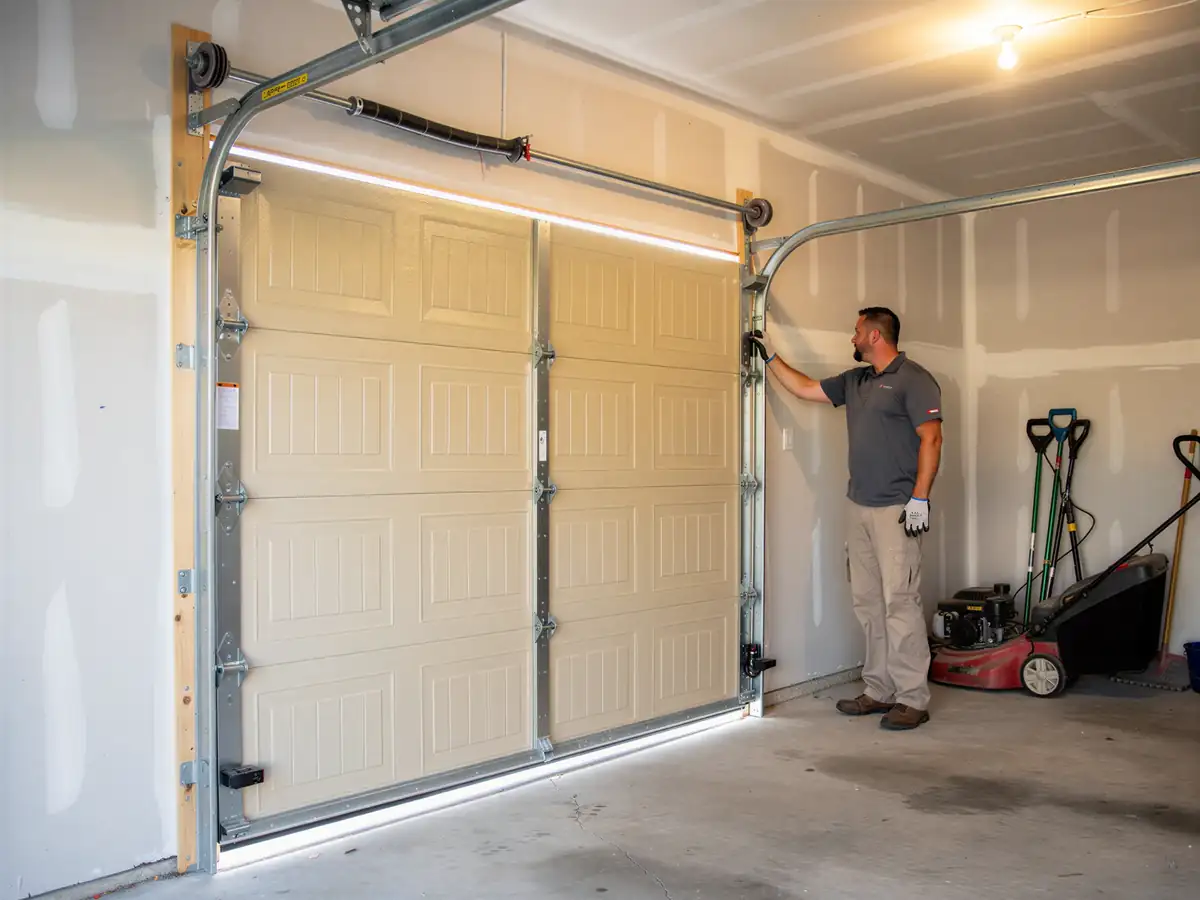
Most of the job is releasing the spring tension safely, pulling the old cable, and running the new one through the drum and bottom bracket before re-tensioning and balancing the door. We're not going to promise a drive-time or arrival window here, since every call out this far from Casselberry gets scheduled as a trip rather than a walk-up, but the repair itself is usually a same-visit fix once we're there with the right cable.
02
What stretches the timeline isn't the cable, it's the door around it
A door with a bent track, a warped panel, or a motor that's been straining against the broken cable for days adds diagnosis time and sometimes a second part. If your garage has been getting by on a 30-year-old opener fighting a slack cable, say so when you call - it changes what we bring.
What the Fix Involves
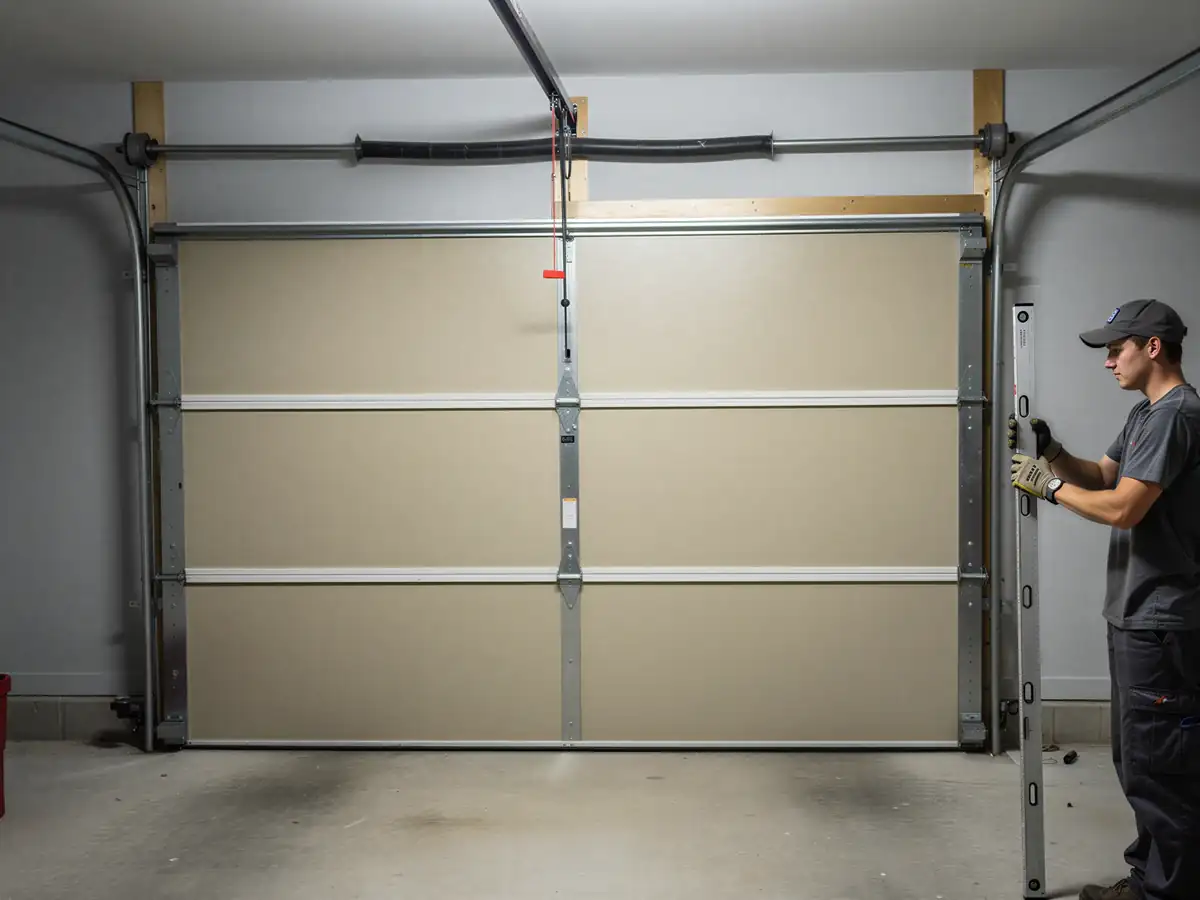
The job starts with locking the door in place and clamping the torsion spring so it can't unwind while we work - this is the step that makes the rest of it safe. From there we disconnect the old cable at the bottom bracket and the drum, feed the new cable through in the same path, and seat it correctly on the drum groove so it winds evenly.
After the new cable is on, we release the spring clamp slowly and watch how the door tracks. A door with a mid-90s steel panel and original hardware, which describes a lot of what's out there in DeBary, often needs a small tension adjustment at this point even if the spring itself wasn't the problem - thirty years of use shifts things slightly. We test the door through a full open-close cycle, check the balance by hand with the opener disconnected, and reconnect the opener last. If the drum or bottom bracket shows wear beyond the cable itself, we'll tell you before replacing anything extra, not after. Full details on our broader DeBary coverage are on the DeBary service page, and the Casselberry-based cable repair page has more on how we handle this closer to home: cable repair in Casselberry.
How it works
From “it’s stuck” to “it’s fixed”
01
Tell us what’s wrong
Describe the symptom - won’t open, loud bang, opener runs but the door won’t move.
02
On-site diagnosis
A technician tests the door under power and by hand and finds what actually failed.
03
Clear, up-front plan
You get the fix that’s needed and what drives the cost - before any work starts.
04
Repaired & tested
The repair is done, the door is set true and tested, and the work area left clean.
Not sure which repair your door needs in Casselberry, FL? Describe what it’s doing - every job starts with a diagnosis.
Straight answers about garage door repair in Casselberry. Still unsure? Ask us directly.
Why did my garage door cable snap without warning?
Cables fray gradually at the bottom bracket or where they wrap the drum, and the last few strands can go all at once under normal use. In a house built around DeBary's 1994 median, three decades of winding and unwinding on the original hardware is enough for that wear to catch up, even without any single dramatic event.
Is cable repair cheaper than replacing the whole door?
Usually, yes - a cable is a small part compared to the door itself, and in most cases the panel and track are still fine. We'd only talk about full replacement if the cable failure caused damage elsewhere, like a bent track or a cracked bottom panel from the door dropping unevenly.
Do you keep a truck stocked near DeBary?
We run out of Casselberry, about 15 miles from DeBary, and stock the truck for the torsion-cable hardware common to homes built in the 1980s-90s range across the area. We don't keep a separate depot in DeBary.
Can I open the door manually after a cable breaks?
No. With the cable off the drum, the spring is still under tension and the door can drop suddenly or swing unevenly if forced. Leave it closed, keep people and vehicles clear, and treat it as a call, not a manual-release situation.