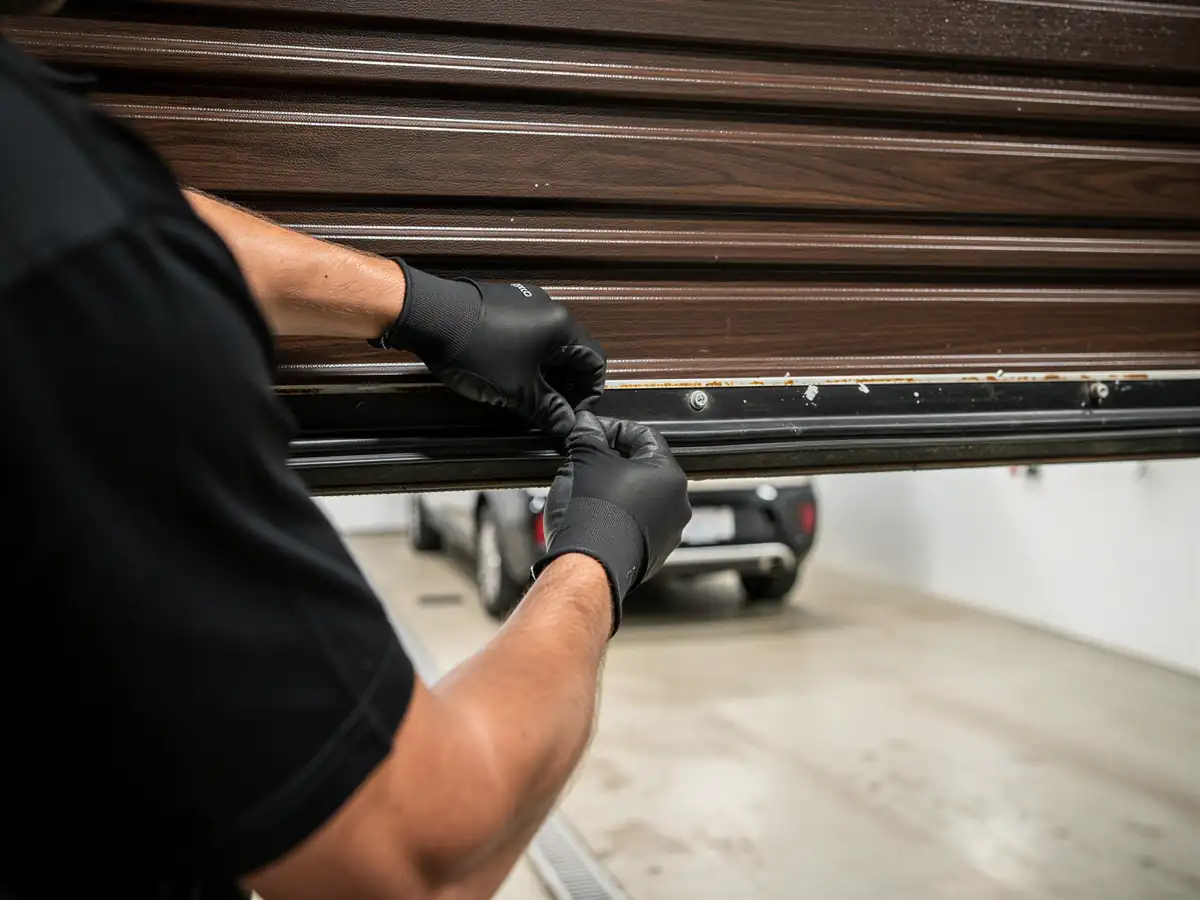
Garage Door Repair for DeBary Homes, Covered From Casselberry
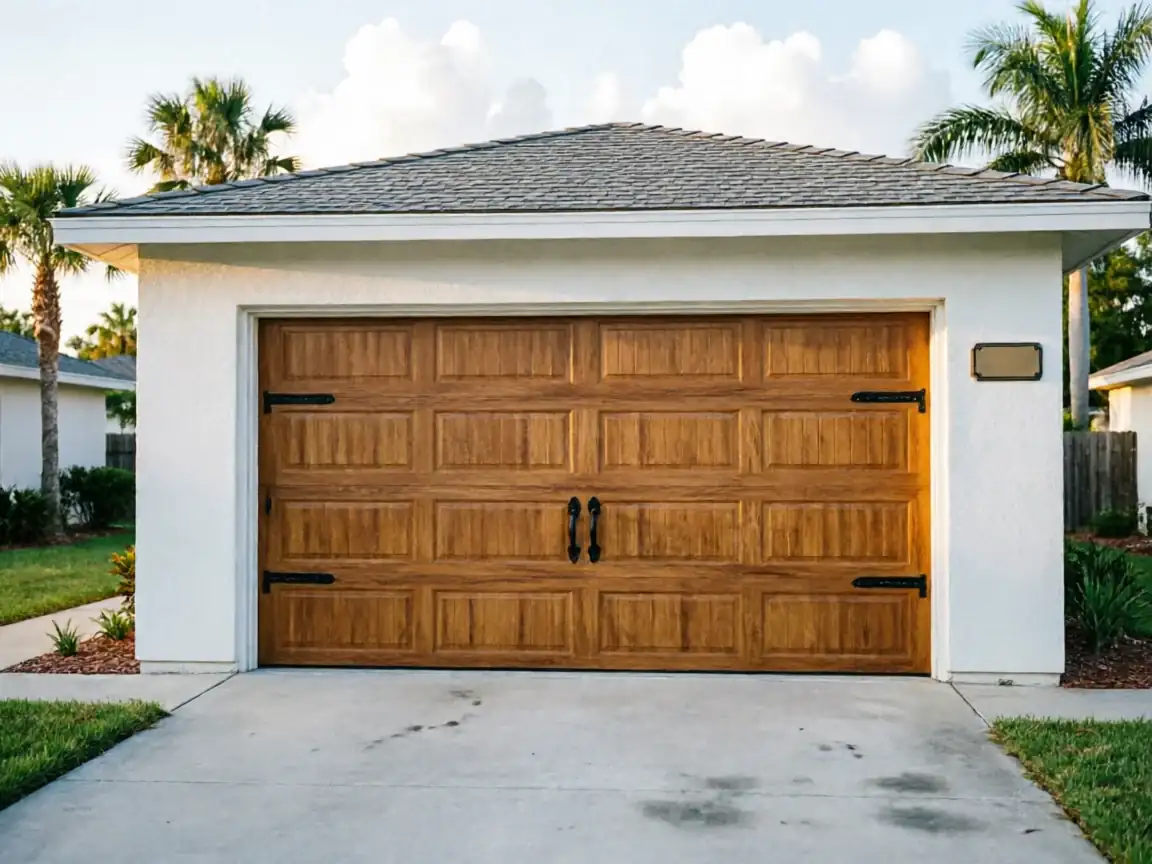
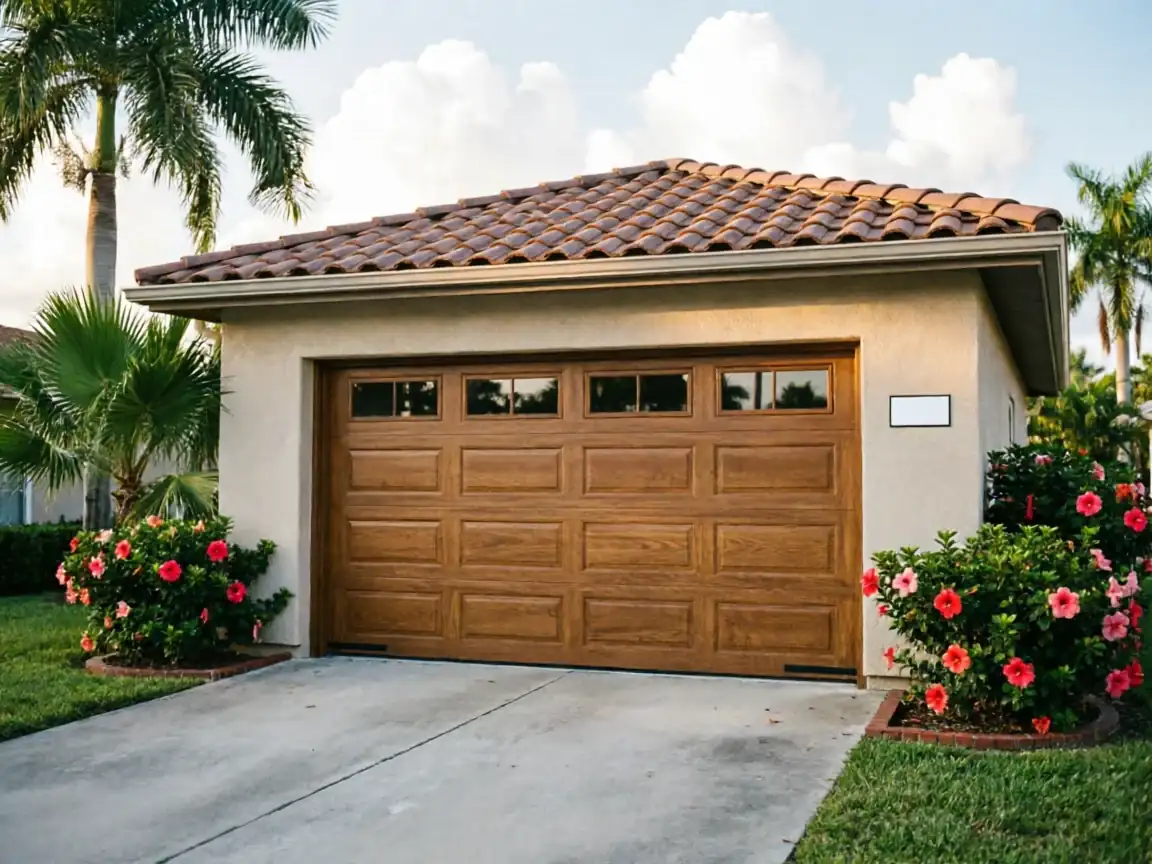
Casselberry Garage Door Pros drives 15 miles to DeBary, FL for spring, opener, track, and panel repair on this mild-climate area's mostly 1990s-built homes.
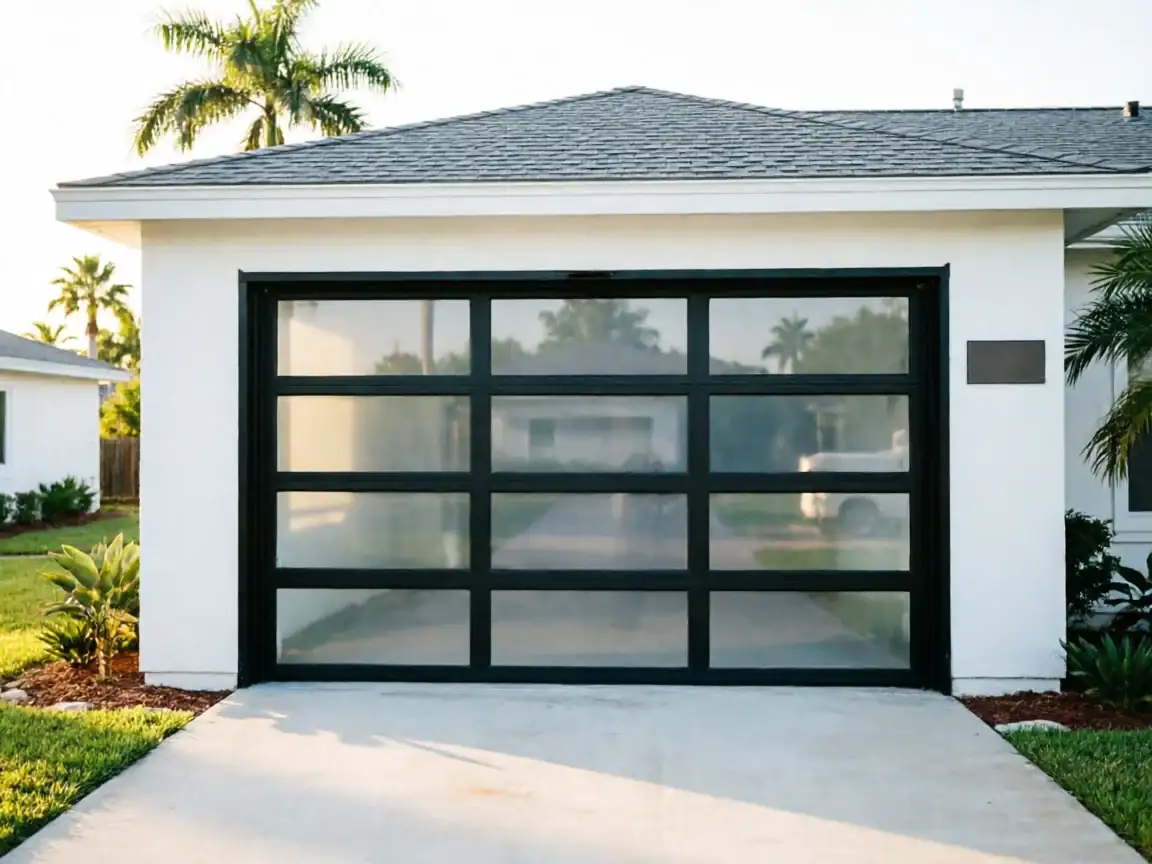
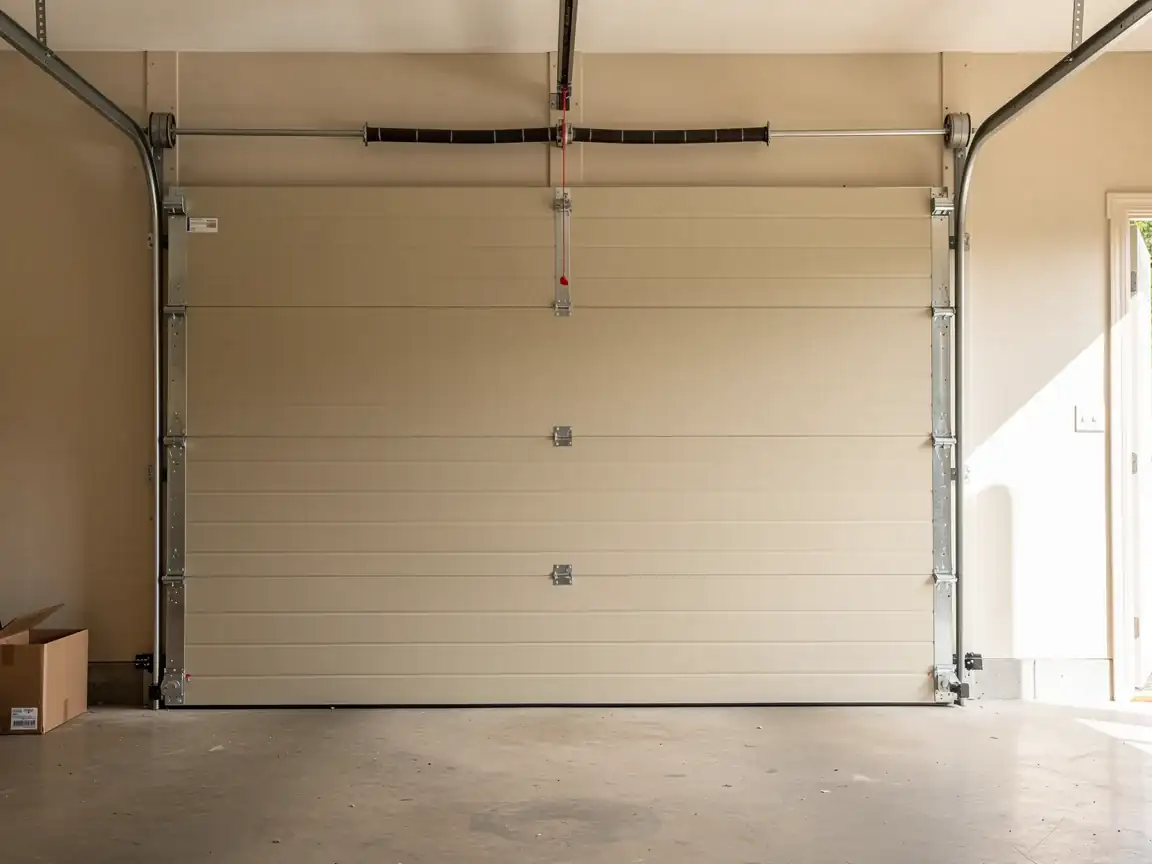
DeBary is a smaller piece of our coverage area - about 9,420 households, compared to the 155,817 across the whole territory we run from Casselberry. That size matters for what we carry on the truck. Fewer houses means fewer oddball setups and more of the same hardware repeated block after block, because most of DeBary went up around a single stretch of time - the median build year here lands near 1994, noticeably newer than the 1964-2004 spread (median 1984) across the rest of our coverage. Newer construction here usually means lighter 26-gauge steel sectional doors on torsion springs sized for that door weight, not the heavier wood or early steel doors with extension springs you find on older housing stock elsewhere in our area. Openers from this era are post-1993 federal standard units with safety photo-eyes built in, so a dead sensor wire or a photo-eye knocked out of alignment is a common call here, not a mystery part. We carry torsion springs in the common sizes for that mid-90s door weight, standard roller and cable sets, and photo-eye kits that match that opener generation. What we don't stock is anything for a pre-1980 door - if your house predates that run, tell us on the phone so we bring the right spring.
Can You Do This Yourself
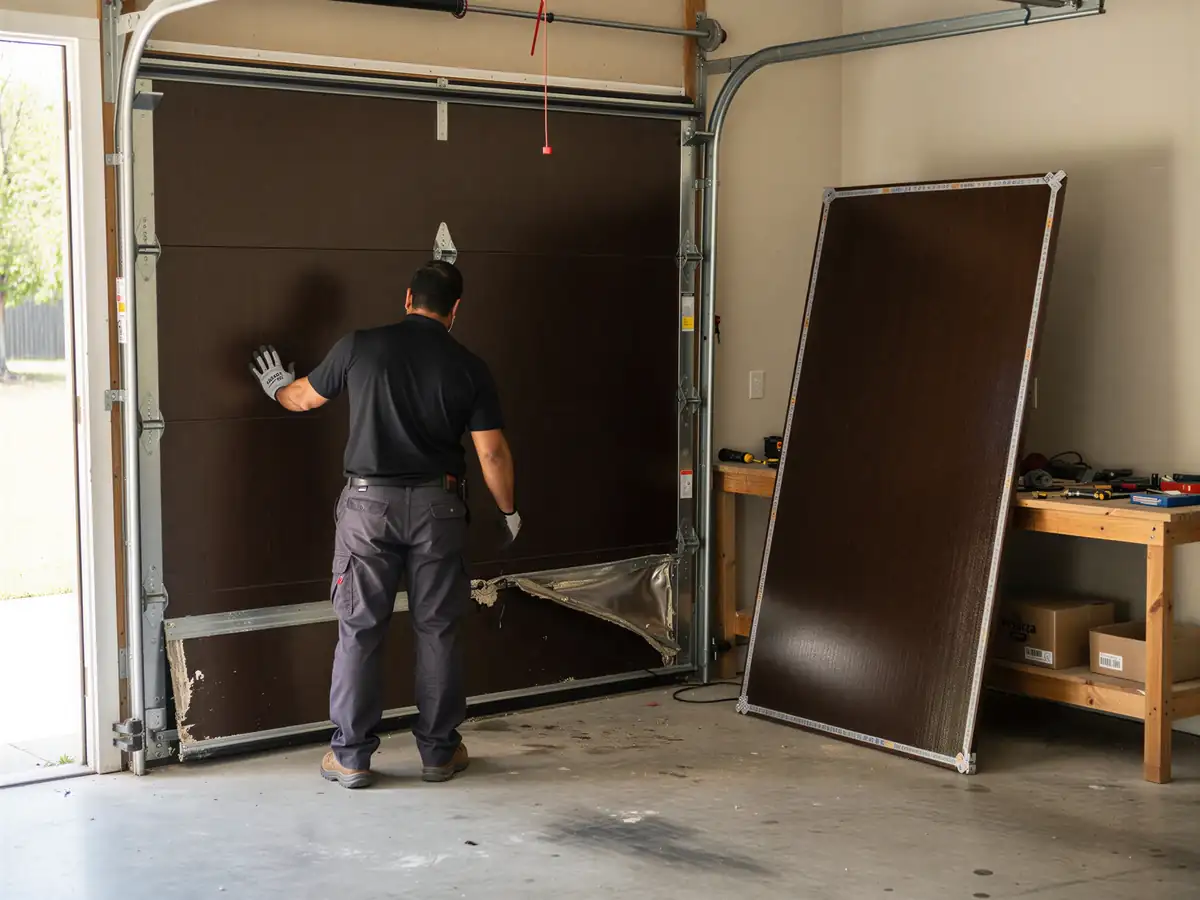
Some of it, yes. Tightening loose roller brackets, lubricating hinges and tracks, or replacing a worn weatherstrip along the bottom panel - any homeowner with basic tools can do that safely. Realigning a photo-eye sensor that's knocked a few degrees off is also a reasonable DIY fix, since it's low-tension work with no stored energy involved.
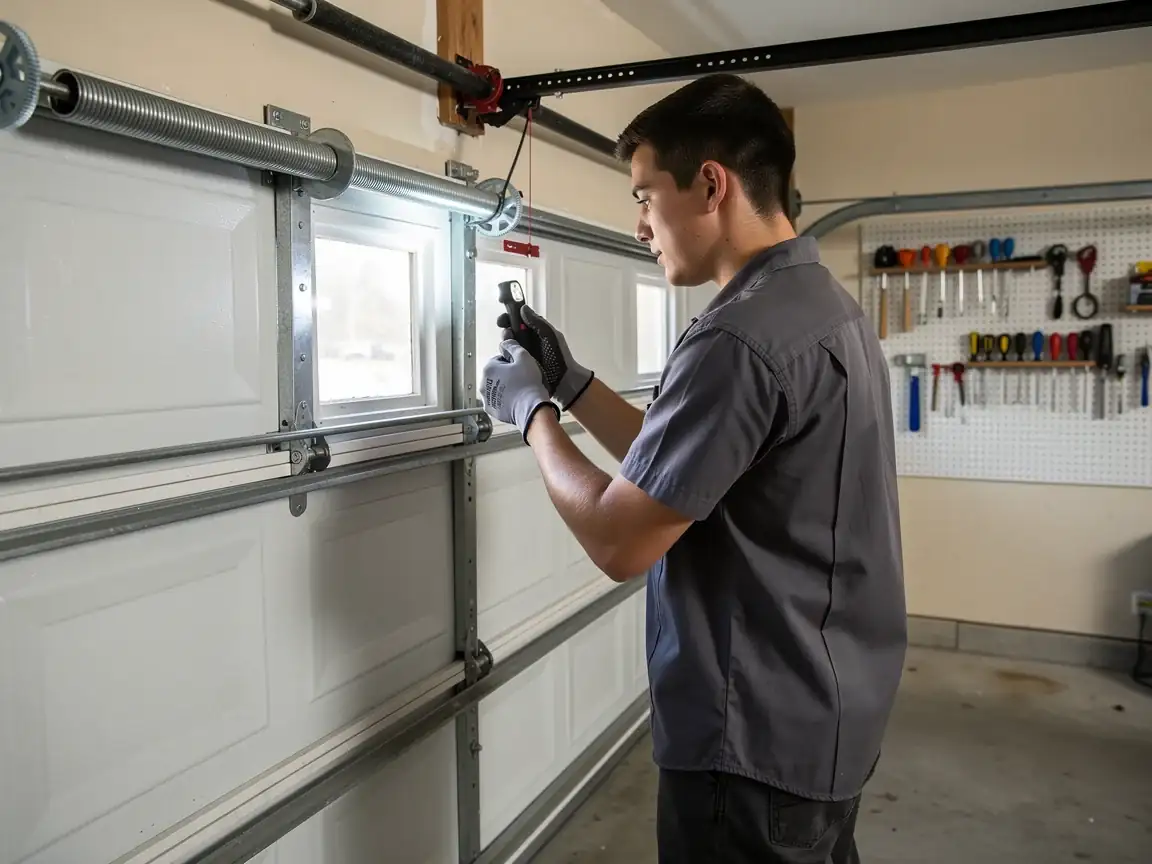
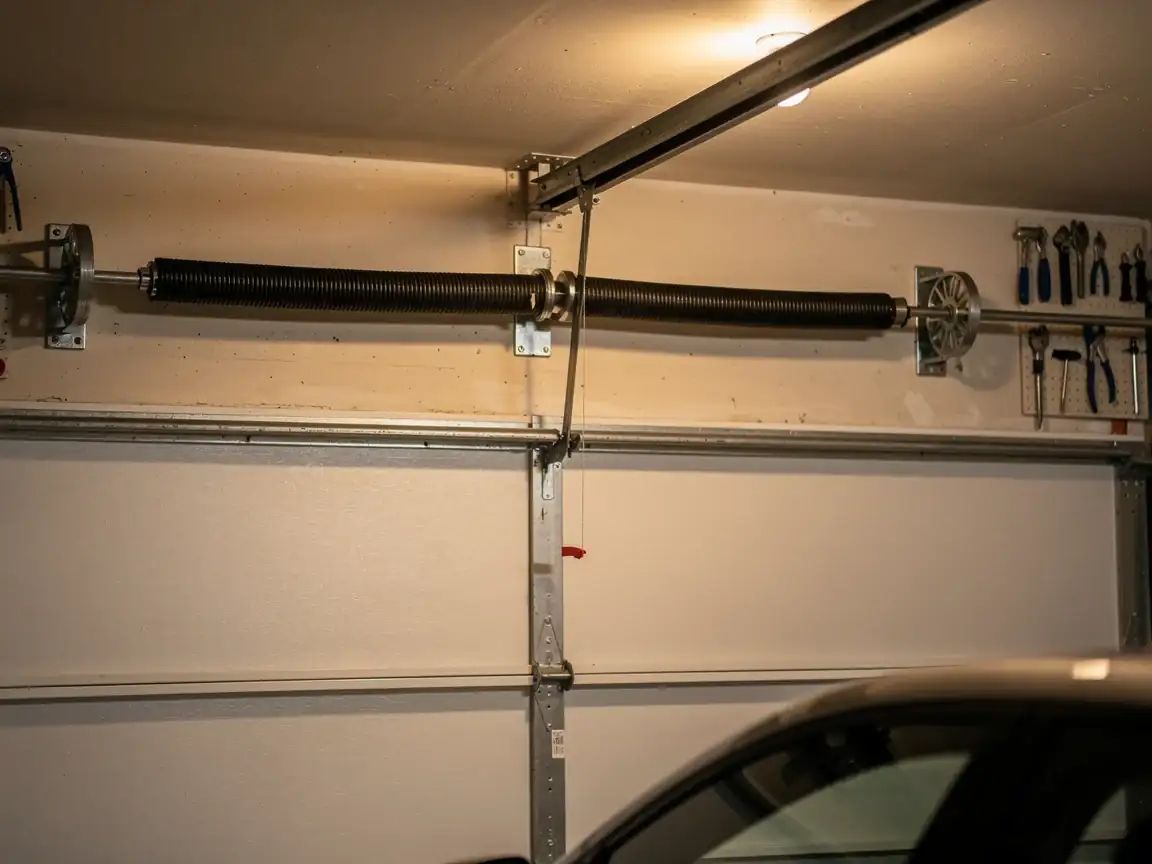
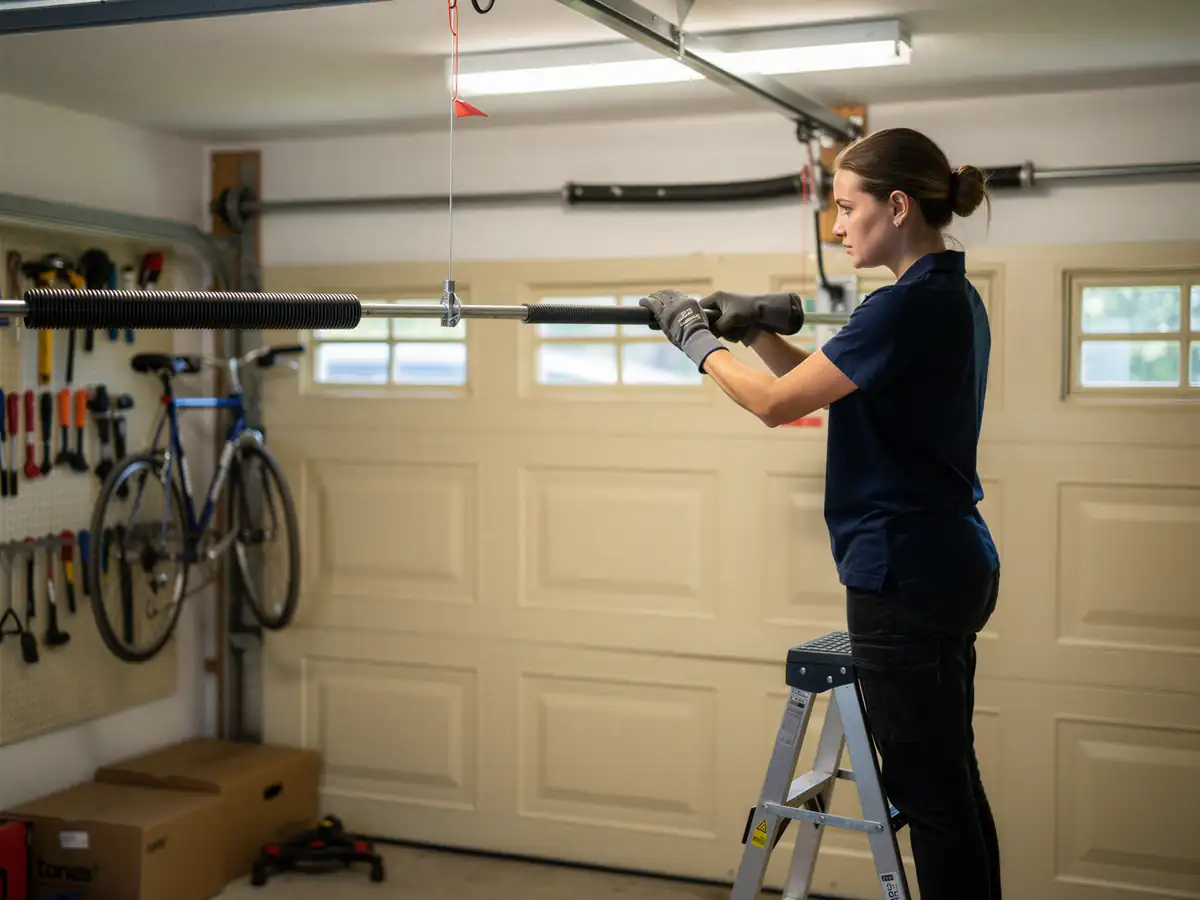
What we don't recommend you touch is the torsion spring itself. A spring sized for a sectional door at this weight class is wound under enough tension to break bones or worse if the winding bars slip, and the tools for it aren't something most garages have lying around. Cable replacement carries the same risk, since the cable and spring work as a system under load. If the opener's logic board has failed rather than just the sensor wiring, diagnosing that without the right meter usually means more time lost than it saves - most people end up calling a tech anyway after a wasted afternoon. Our honest limit: we don't do cosmetic touch-ups like repainting dented panels, and if a 30-year-old door's track is bent beyond pulling straight, we'll tell you replacement is the better money than another repair visit.
How Long You Are Without the Door
01
We don't run a depot in DeBary
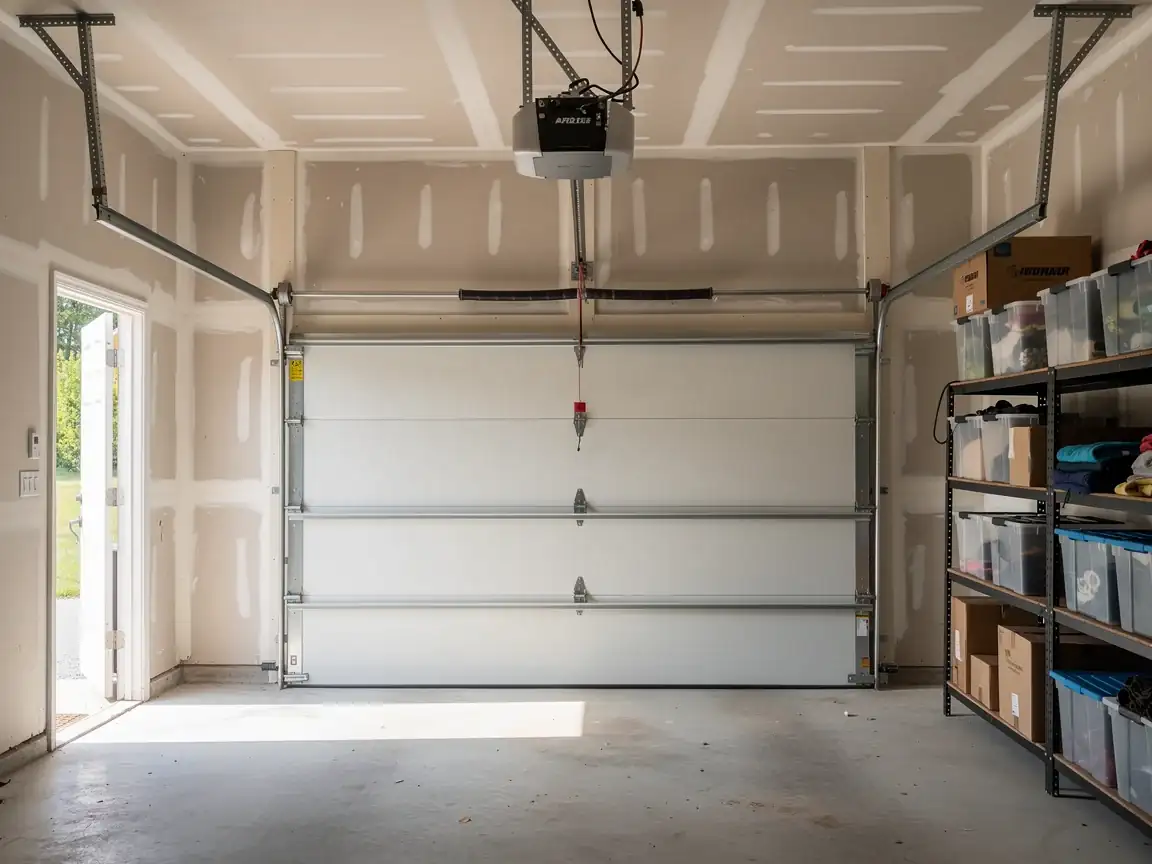
We travel the 15 miles out from Casselberry for every call here, so scheduling in this area often works best when we can line a DeBary job up with another stop nearby rather than sending a truck out solo. Once we're on site, most of the repairs that come up on this 1990s-built housing stock - a snapped torsion spring, a failed photo-eye, a stripped drive gear in the opener - are done in that same visit, because the parts for that door generation are exactly what's on the truck.
15 miles
02
What stretches a job past one visit is anything that needs a part we don't carry standard
Which is rare here given how uniform the housing age is, but it does happen with imported or discontinued opener models. If that's the case, we'll tell you on site rather than leave the door half-fixed and hope. The mild temperate climate here doesn't add the freeze-swelling or extreme heat warping that complicates some repairs elsewhere, so once we're working, the door itself usually isn't fighting us.
What the Fix Involves
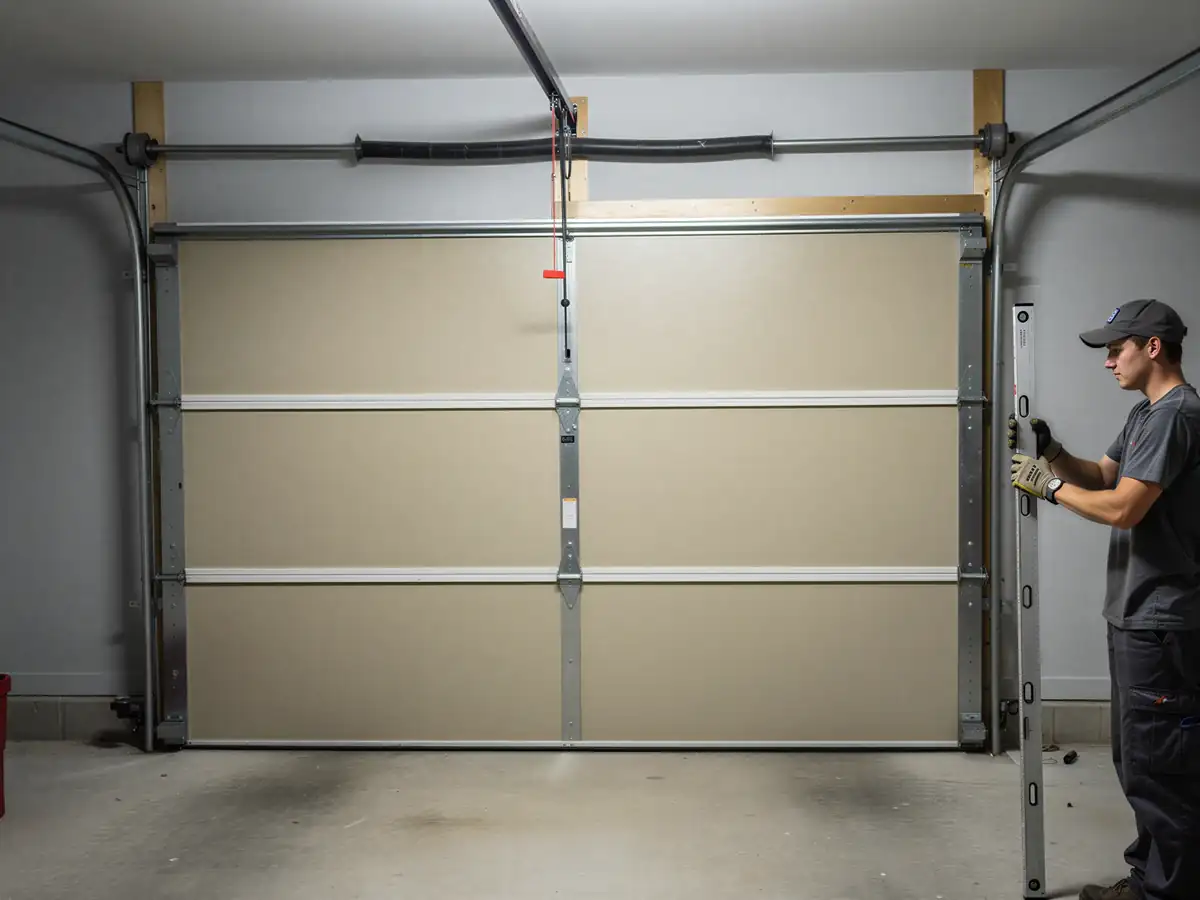
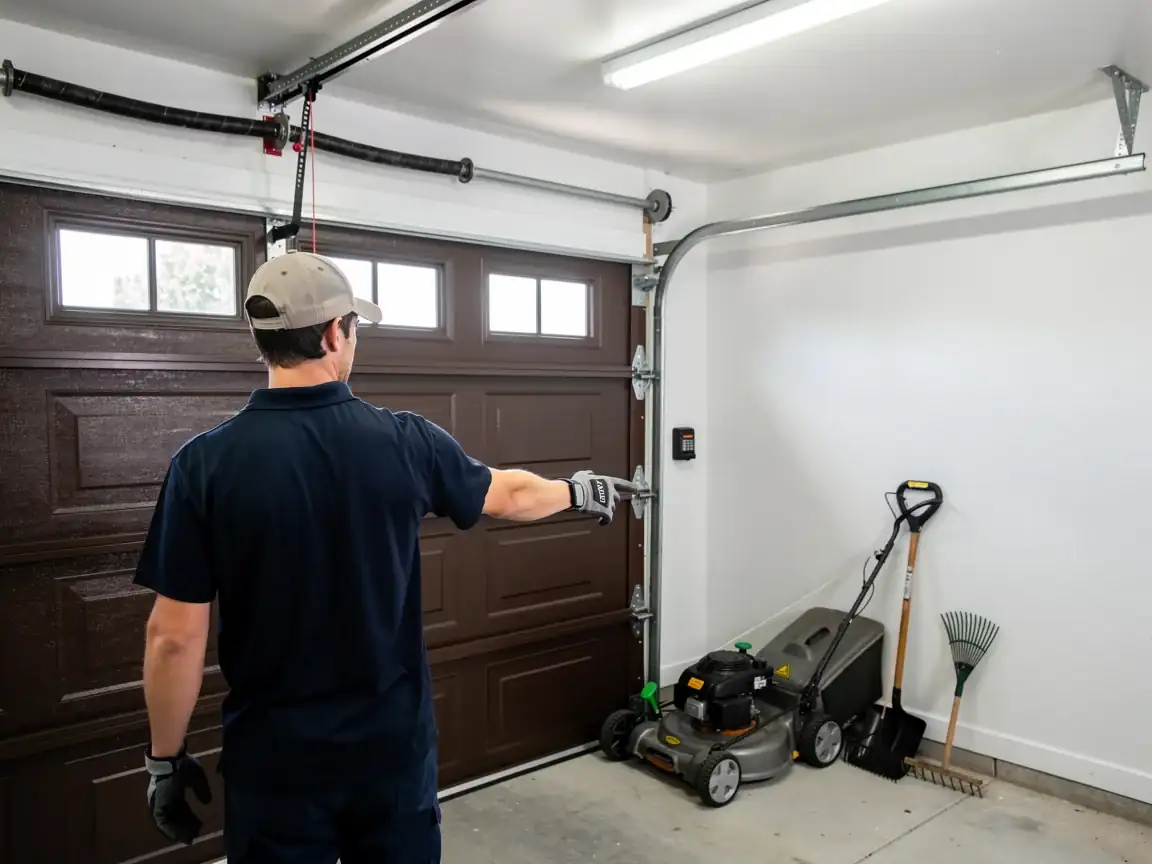
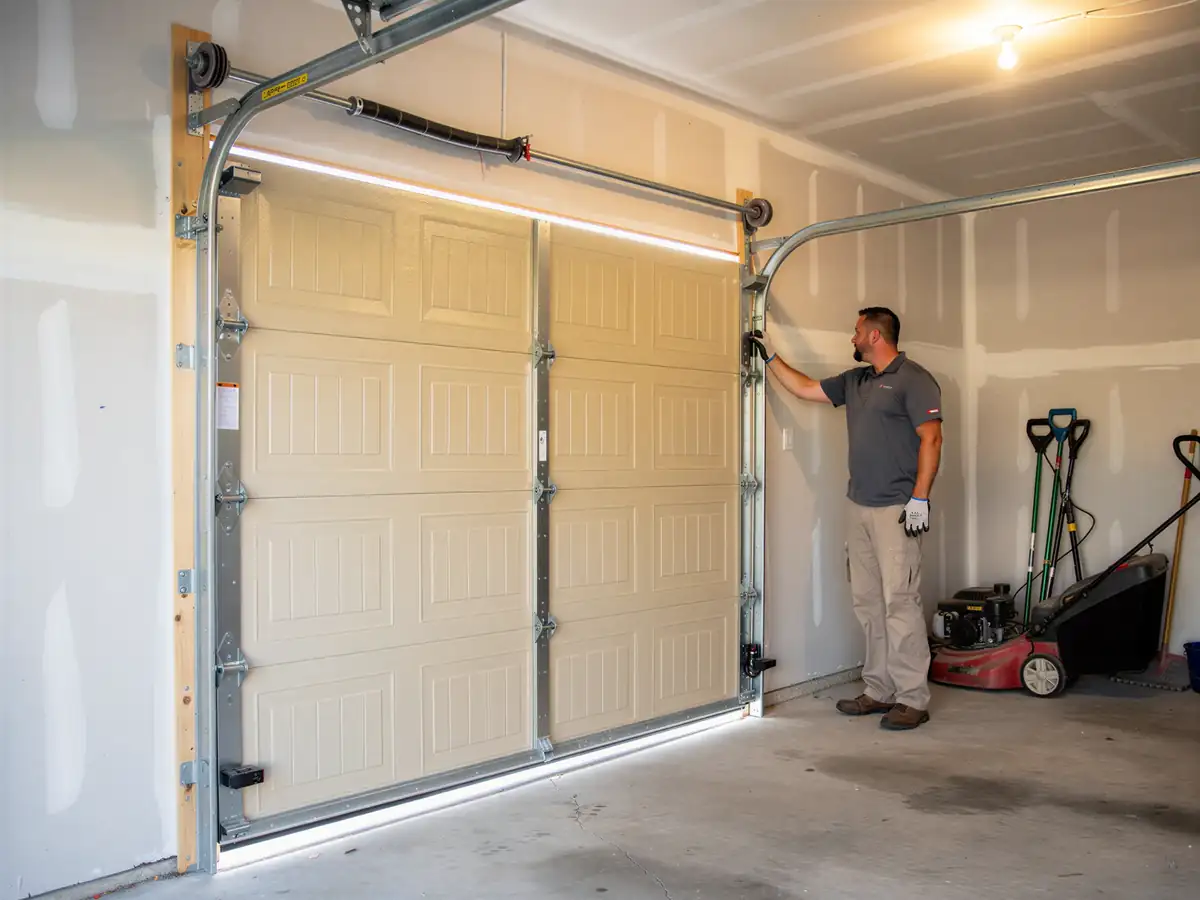
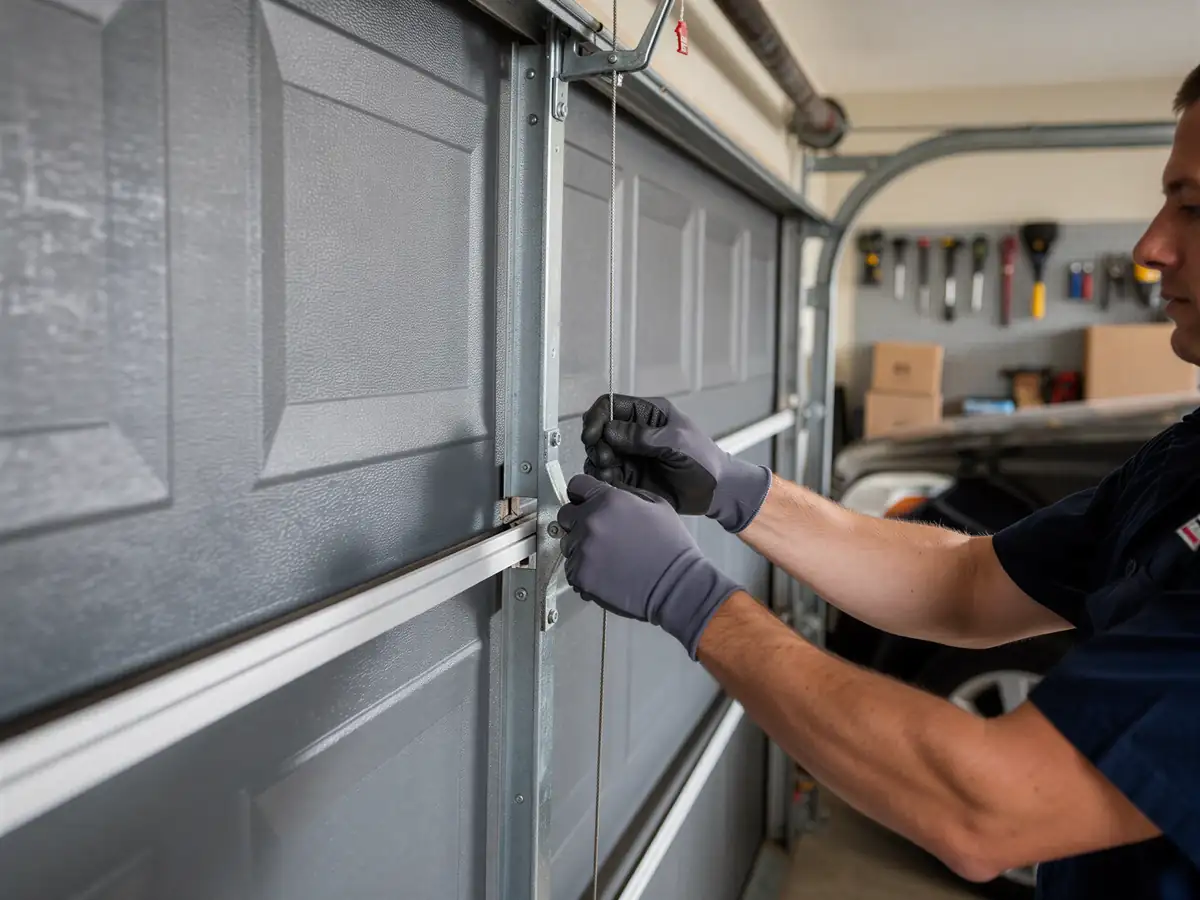
Walk through a typical DeBary call and it starts with the door, not the opener - we check spring tension first, because a door that won't lift smoothly on a mid-90s torsion setup is almost always a spring that's lost its wind, not a motor problem. We pull the panel back manually to test balance, then inspect the cables and the drums they wrap around for fraying, since cable wear shows up early on doors this age.
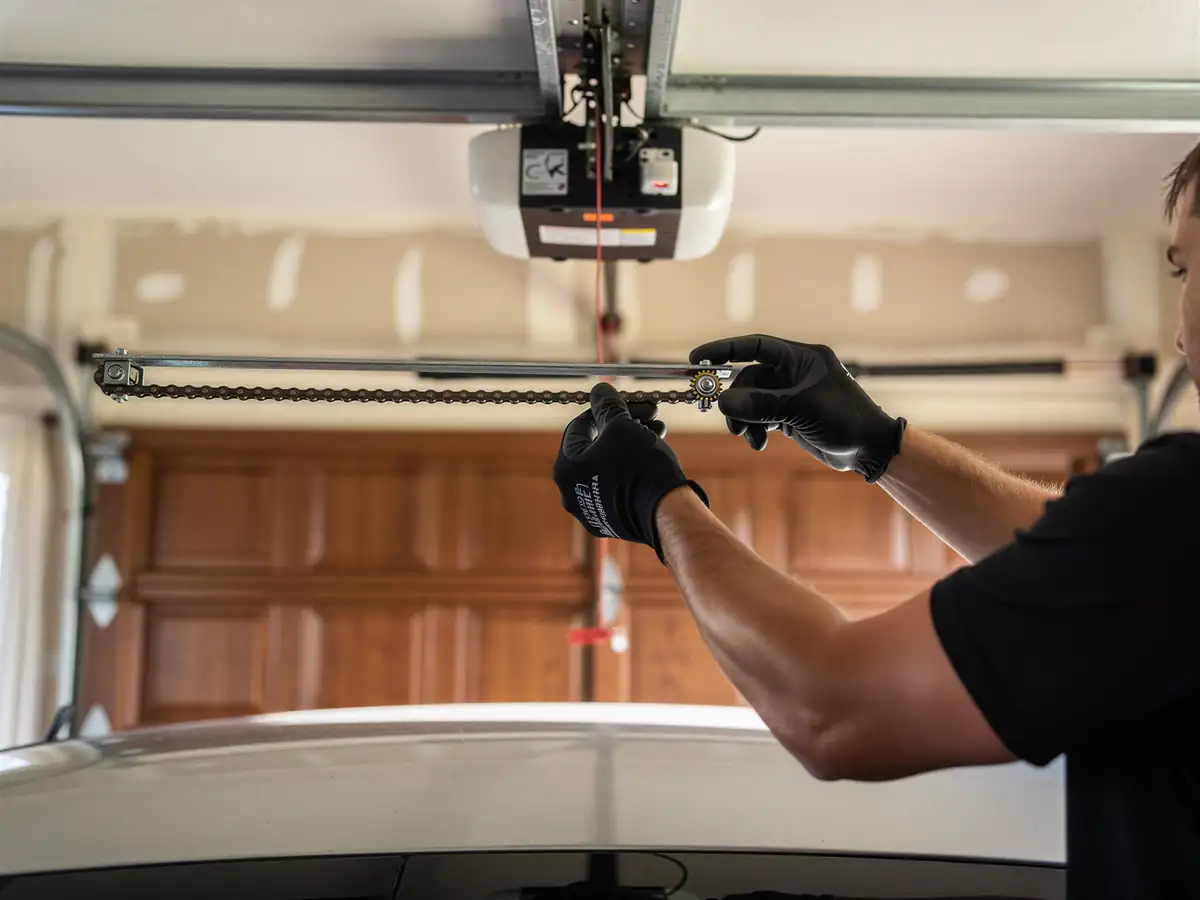
If the spring's intact, we move to the opener - checking the photo-eye alignment first since it's the single most common failure point on these mid-90s units, then the drive gear and the circuit board if the eyes test clean. Track alignment gets checked last, because bent track on a house built around 1994 is usually from an impact, not age, and that changes whether we're bending it back or swapping the section outright.
Median household income here runs higher than the wider Casselberry-area figure, and we see that reflected in the calls - more owners replacing a worn opener outright rather than nursing a tenth repair out of it, which is often the better math anyway once a unit is past 15 years old.
How it works
From “it’s stuck” to “it’s fixed”
01
Tell us what’s wrong
Describe the symptom - won’t open, loud bang, opener runs but the door won’t move.
02
On-site diagnosis
A technician tests the door under power and by hand and finds what actually failed.
03
Clear, up-front plan
You get the fix that’s needed and what drives the cost - before any work starts.
04
Repaired & tested
The repair is done, the door is set true and tested, and the work area left clean.
Not sure which repair your door needs in Casselberry, FL? Describe what it’s doing - every job starts with a diagnosis.
Straight answers about garage door repair in Casselberry. Still unsure? Ask us directly.
Do you have a crew based in DeBary?
No. We run out of Casselberry and drive the 15 miles to DeBary for every call. We don't claim a local branch or depot here, and we won't promise a response time we can't back up from that distance - we'll tell you honestly when we can get there when you call.
Why does my 1990s garage door need a different spring than my neighbor's older house?
Spring size is matched to door weight, and door weight changed with construction era. Houses built around 1994, which is common across DeBary, typically carry lighter steel sectional doors than older wood or heavy-gauge steel doors elsewhere in our coverage area, so the torsion spring wound for yours is sized differently.
Is DIY spring replacement ever a good idea on these newer doors?
No. Even a lighter door still uses a spring wound under real tension, and the winding bars needed to safely let that tension off aren't standard household tools. The risk of a slipped bar causing serious injury doesn't go down just because the door itself is lighter.