
Do you have a crew based in Lake Butler?
No. We're based in Casselberry, about 18 miles away, and we drive out for Lake Butler calls. There's no local branch here, so scheduling depends on the day's route rather than a same-day guarantee.
Lake Butler's homes mostly date to around 2004 - newer torsion hardware, different failure points than older Casselberry-area stock. We travel out from Casselberry for the fix.
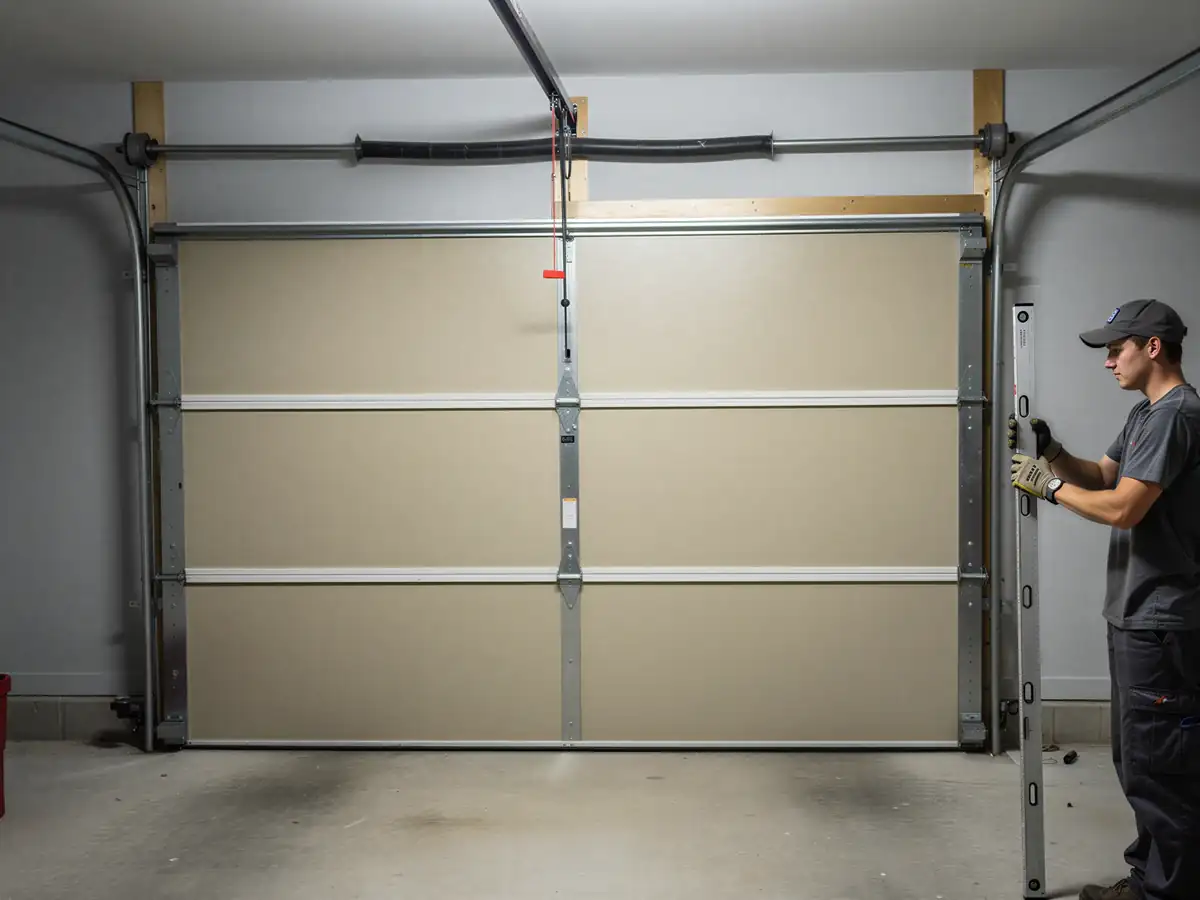
Lake Butler's housing mostly went up around 2004, which is close to two decades newer than the median build year across the rest of the Casselberry service area. That matters for a DIY call. Newer construction here almost always means factory torsion spring systems on steel brackets, not the older extension-spring setups you'll find on houses from the 1960s through 1980s elsewhere in the area. Torsion springs store a lot of force in a small coil, and winding or unwinding one with the wrong bar, or without the bar seated correctly, is how people end up in the ER. Tightening a loose hinge screw, swapping a worn roller, or lubricating a track - fine, do it yourself. Spring tension, cable replacement, or anything involving the winding cones on a torsion system is not a place to learn on the job. If you're not sure which system your door has, that's the first thing to figure out before you touch anything. With a median household income in Lake Butler of roughly $178,750 - well above the $82,768 median across the broader service area - a lot of homeowners here opt to just call it in rather than lose a Saturday and a finger.
On a door from this era, the fix usually starts with the torsion spring assembly rather than the cables or the hinges, since that's the part doing the most work and the part most likely to fatigue first after twenty-ish years of cycles. We pull the old spring, measure the wire gauge and wind length against the door weight, and replace with a matched pair rather than guessing. If the opener is original to the house, we check the photo-eye alignment and the drive gear before assuming the motor itself is bad - gear wear is common on openers this age and it's cheaper to fix than the full unit. Tracks and rollers get inspected for bend or wear, since a bent track will keep eating new rollers if it's not straightened or swapped first. We don't replace parts that don't need it. If a spring job is what the door needs, that's what gets quoted - not a full door replacement sold as a repair.
The most common call out of Lake Butler is a door that won't open past a few inches, or one that slams down fast instead of lowering under control - both classic signs of a broken or badly weakened torsion spring on a factory-installed system. A close second is a door that reverses itself right after the opener starts closing it, which usually points to a photo-eye sensor out of alignment or dirty, not a dying motor. Because the housing stock here is newer than much of the rest of the Casselberry area, we see fewer of the old frayed-cable or rusted-track calls that show up on houses from the 1960s and 70s, and more issues tied to opener electronics and sensor wiring that just wasn't built to last forever.
The mild temperate climate here doesn't put the kind of stress on steel hardware that you'd see somewhere with hard freezes, so rust and cold-snap spring failure aren't the usual culprits in Lake Butler the way they might be read about on a national garage door site. What does complicate a job is a homeowner who's already had a spring replaced once with a mismatched size - it happens, and it shows up as a door that's heavy on one side or an opener straining on every cycle. We also run into double doors sized for two-car garages where only one spring failed; replacing just the bad one unbalances the pair, so we replace both even though it costs more up front. One honest limit: if an opener board is more than a few years discontinued, we may not have the exact replacement part on the truck, and that can mean a short wait while we source it rather than a same-visit fix.
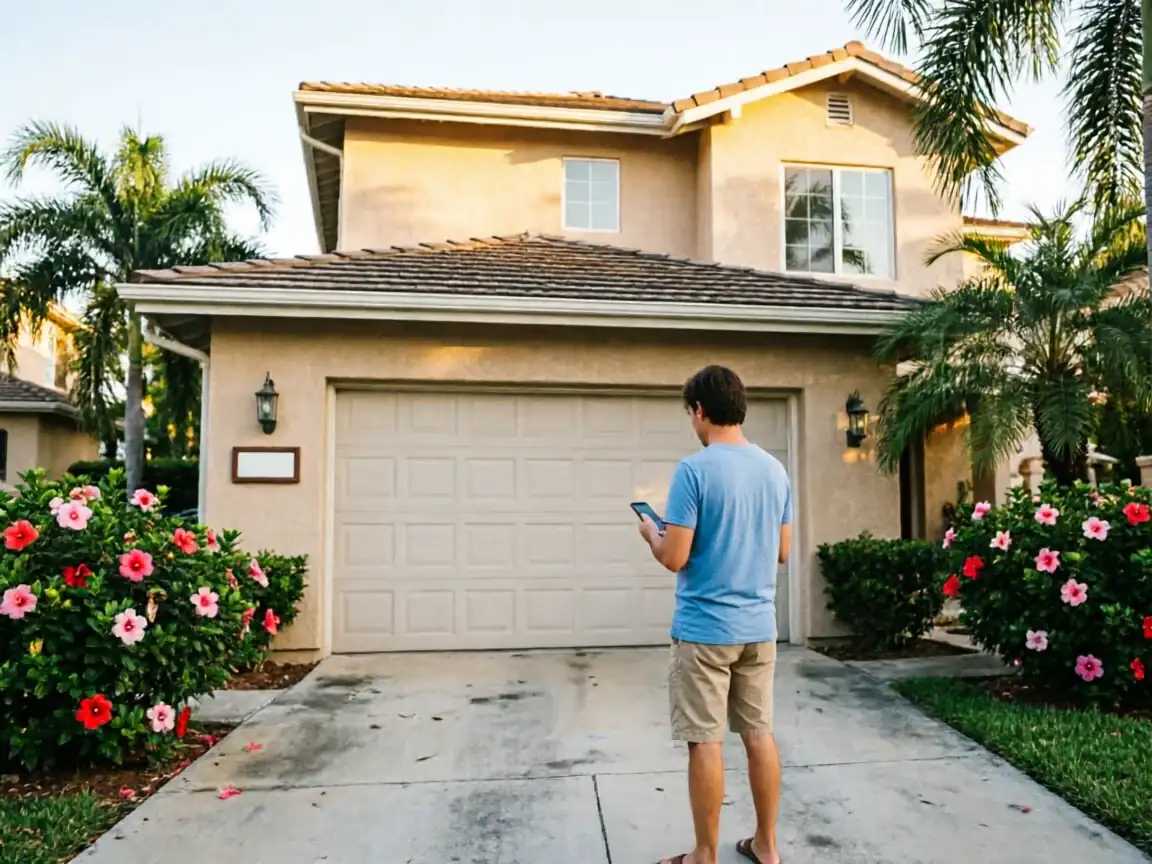
Describe the symptom - won’t open, loud bang, opener runs but the door won’t move.
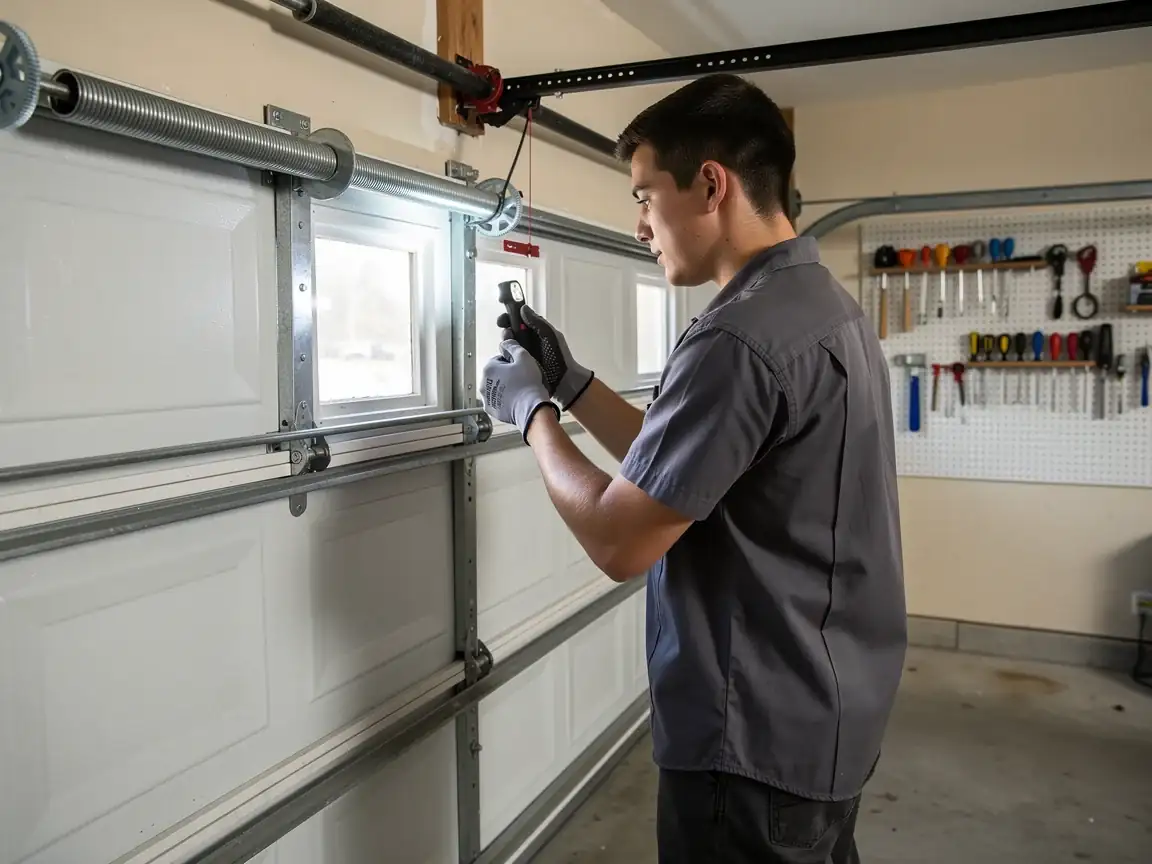
A technician tests the door under power and by hand and finds what actually failed.
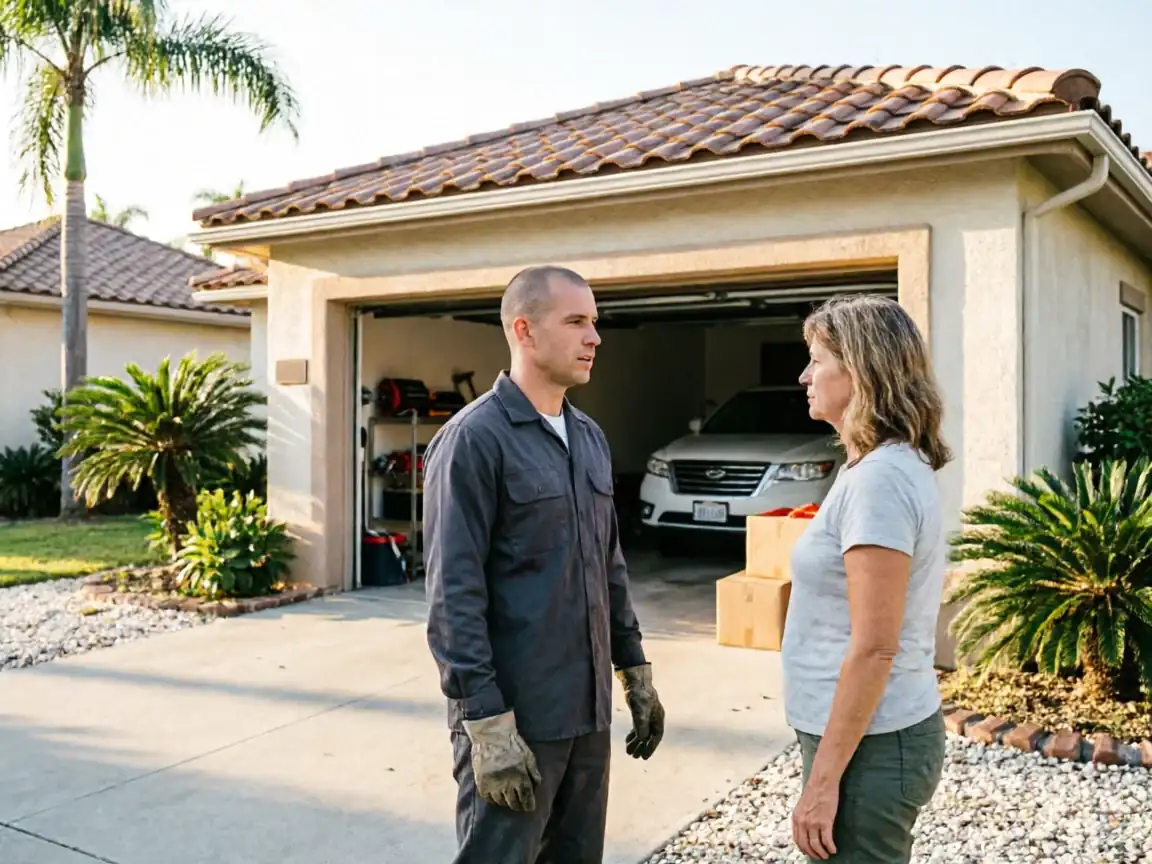
You get the fix that’s needed and what drives the cost - before any work starts.
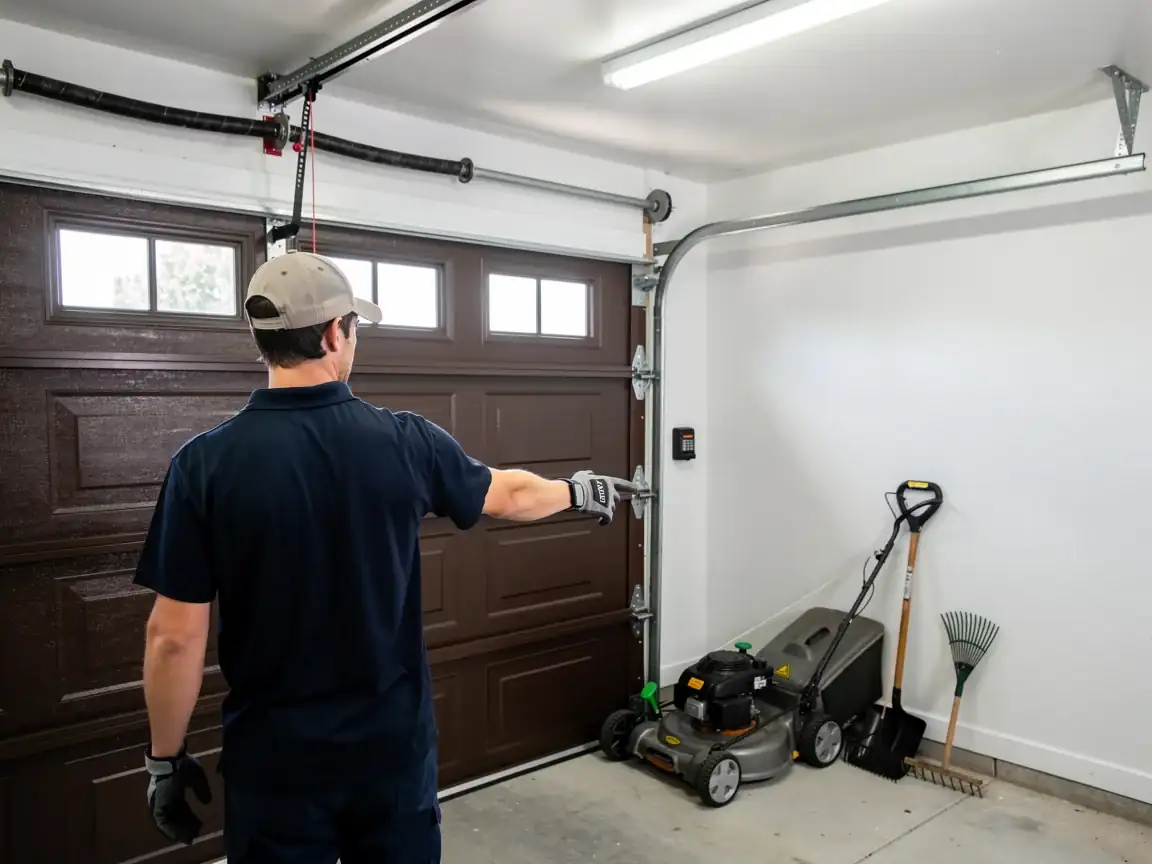
The repair is done, the door is set true and tested, and the work area left clean.
Illustrative styles - sectional, insulated steel, carriage, and commercial doors.
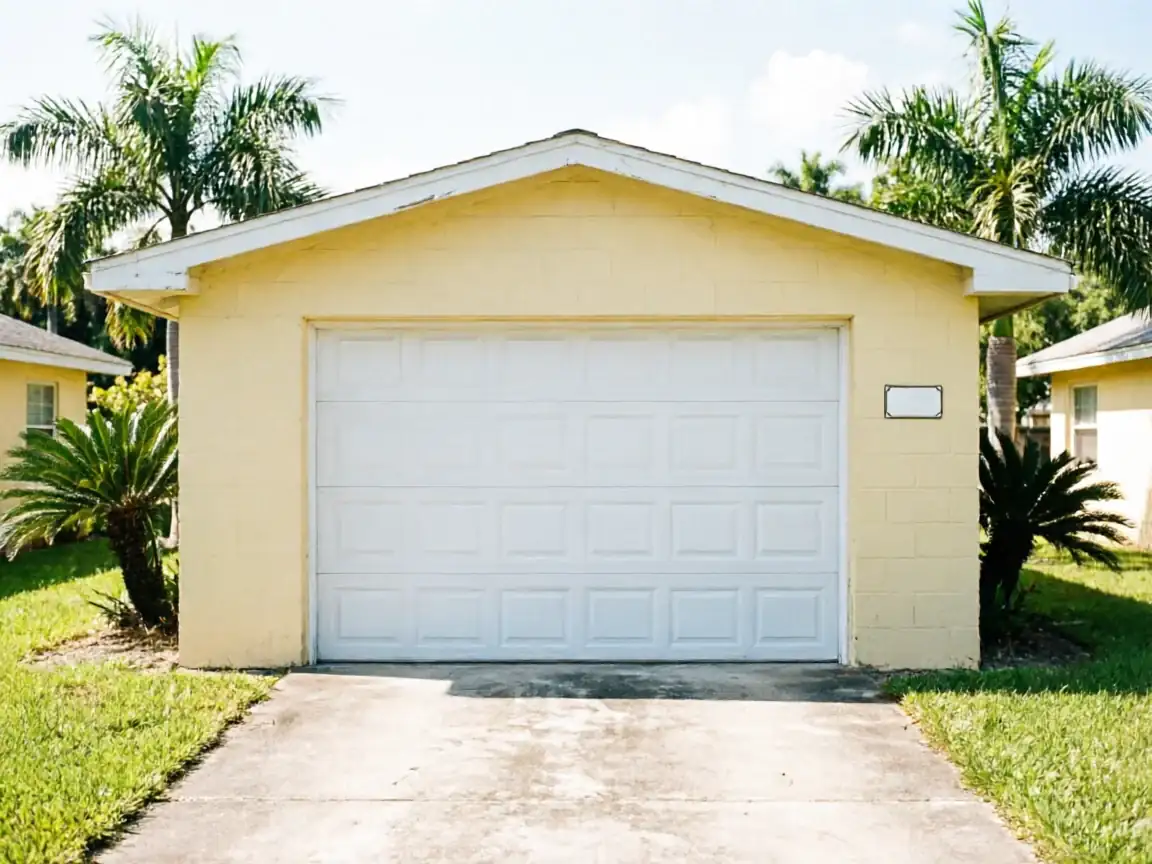
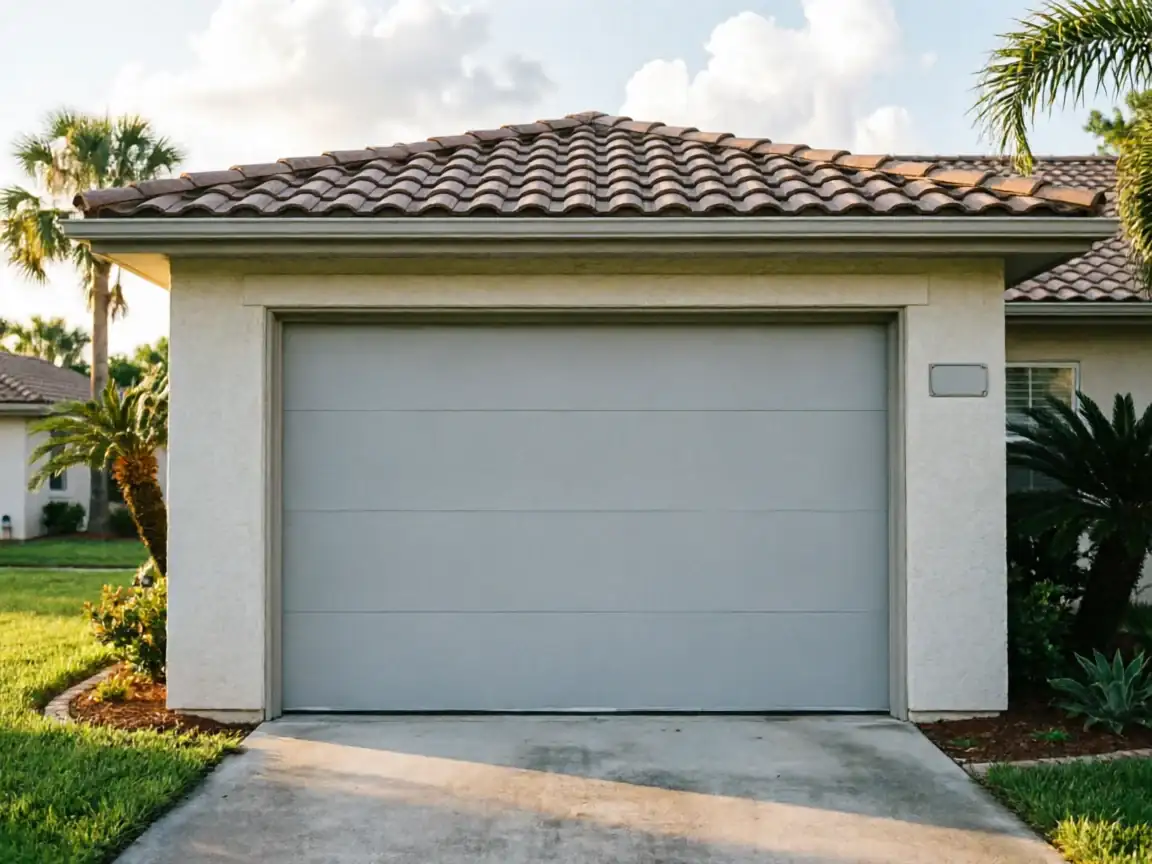
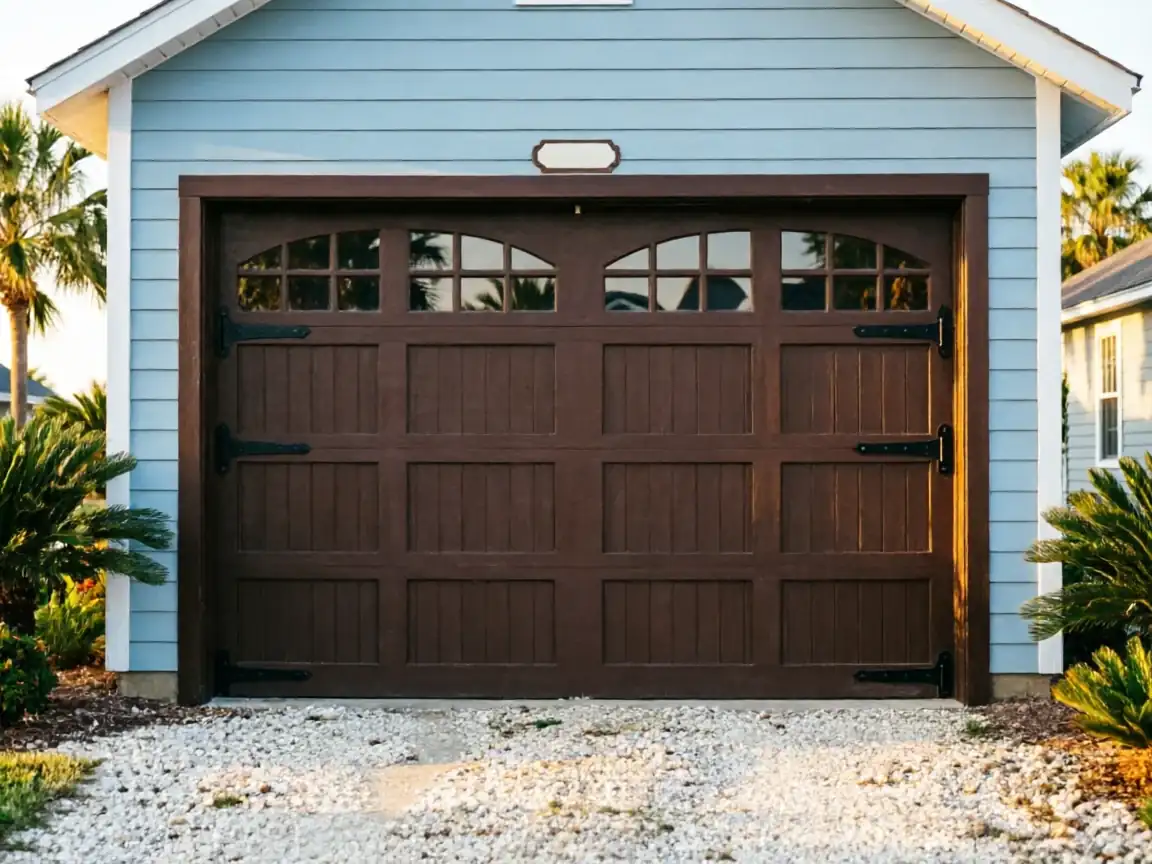
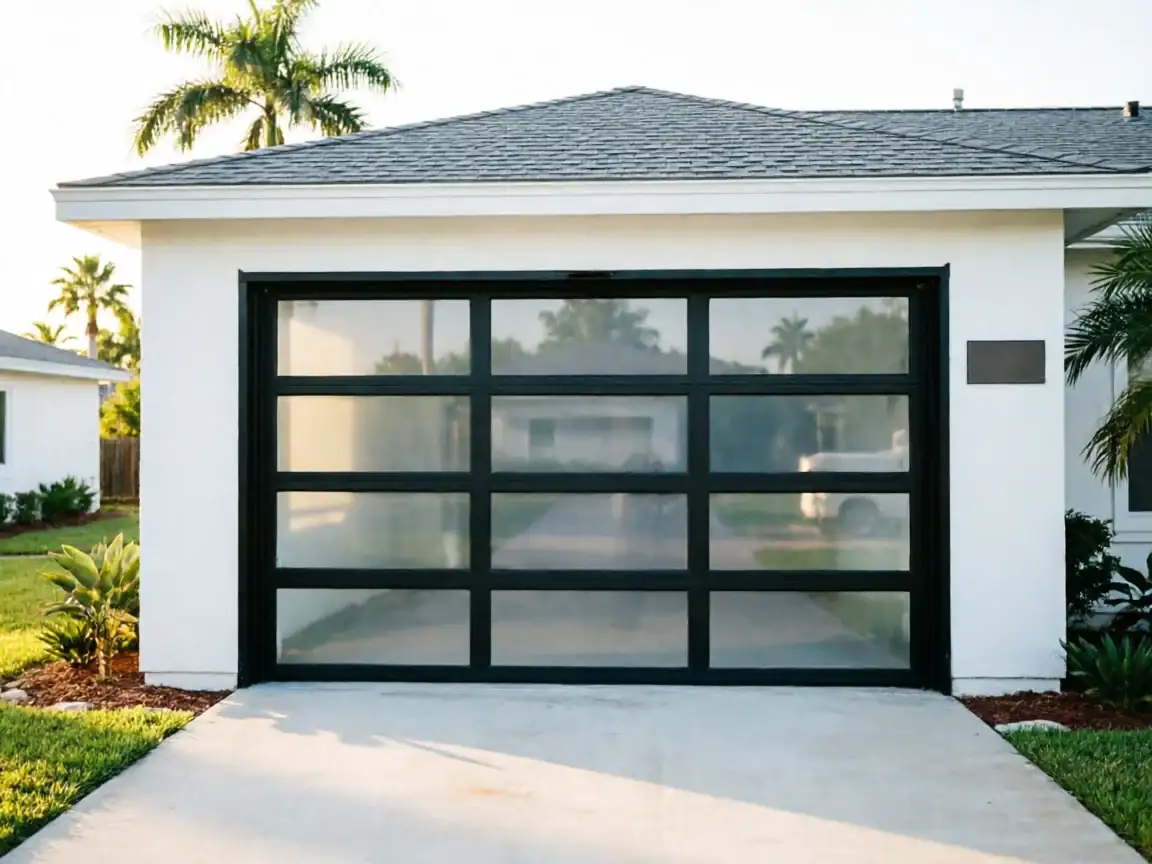
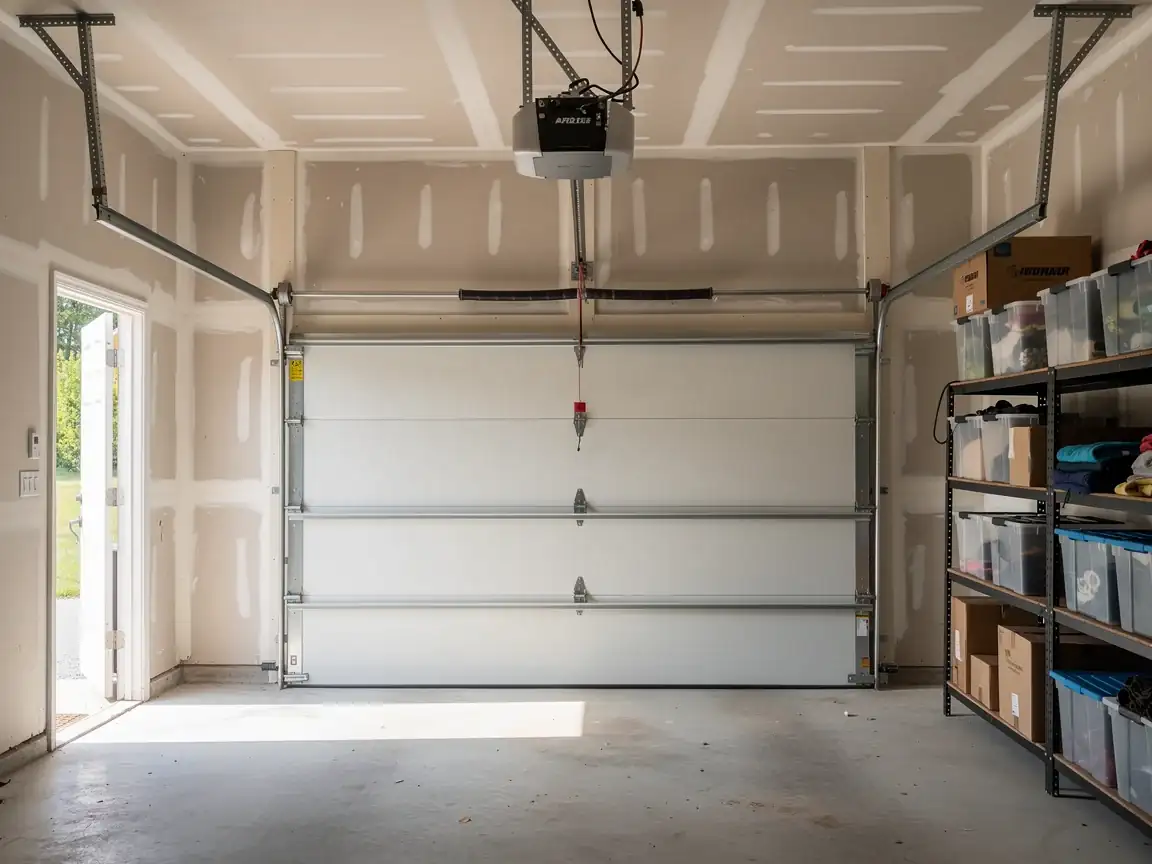
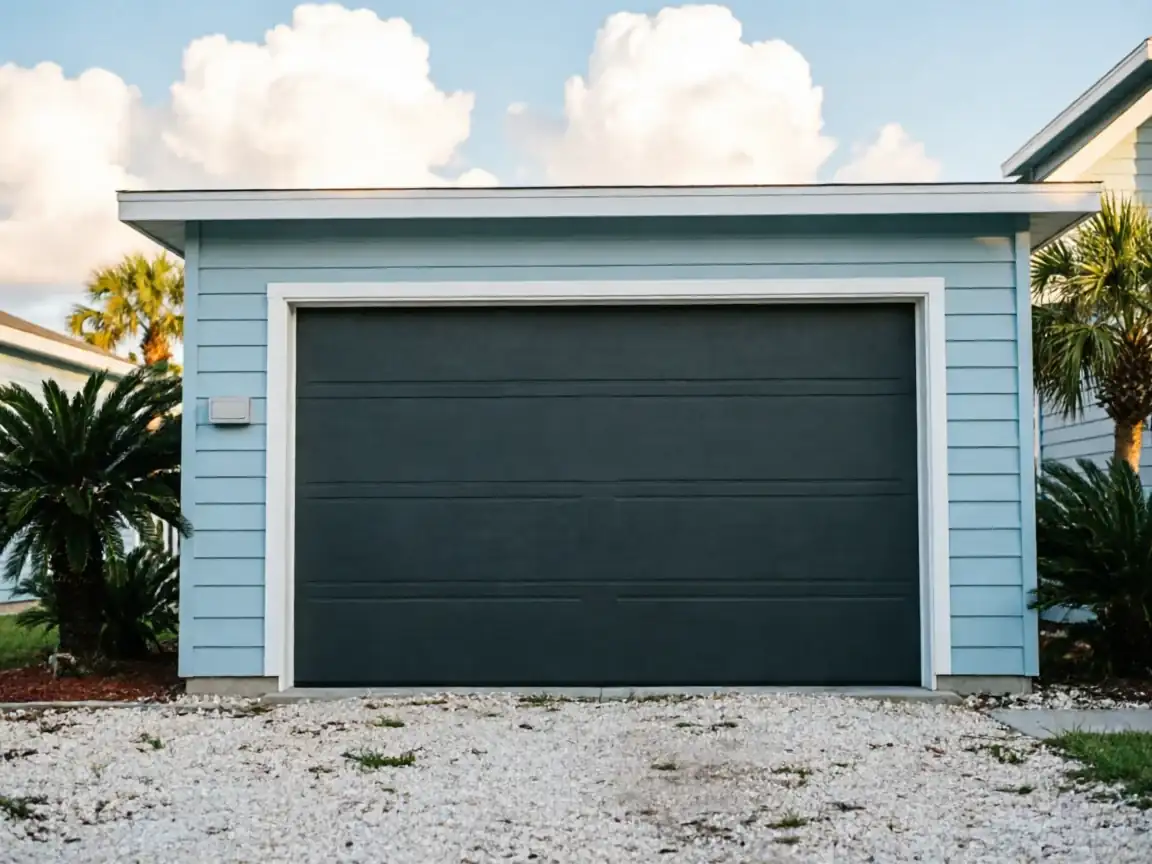
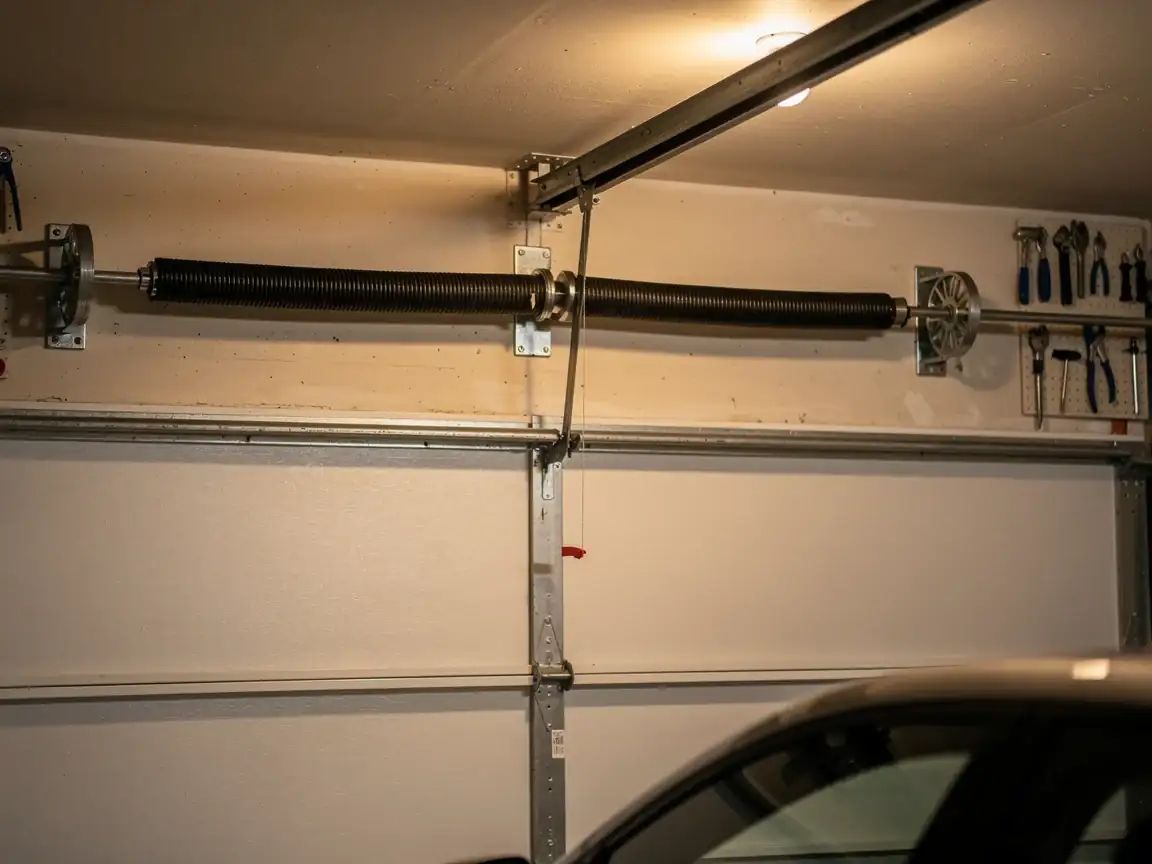
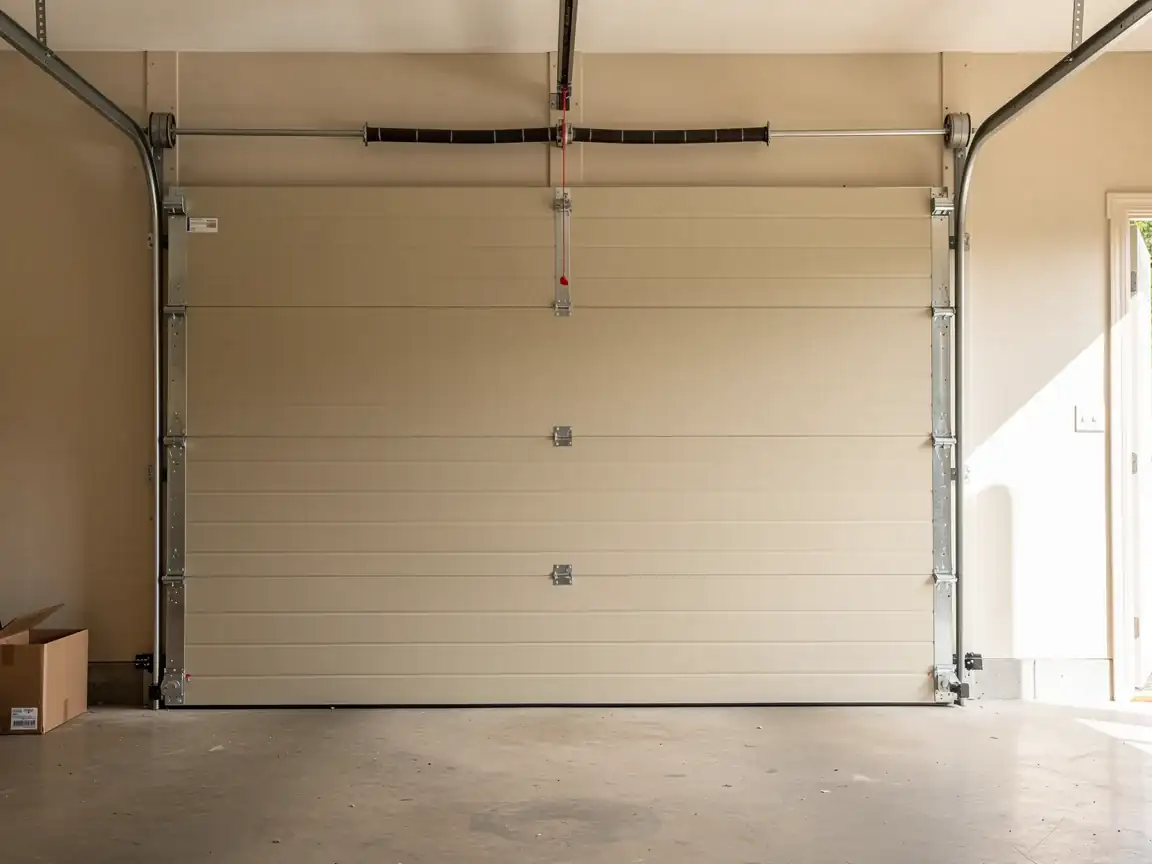
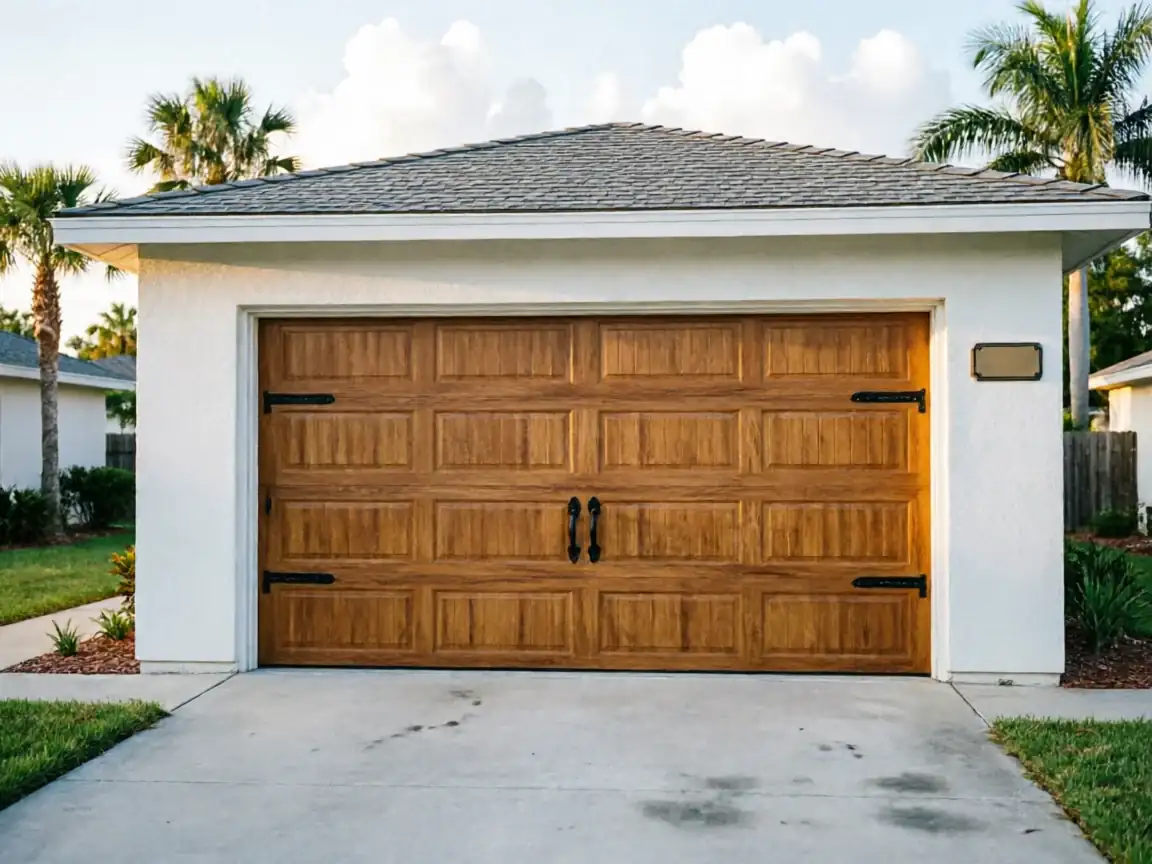
Other work we do for Lake Butler homes - each page covers that job for Lake Butler specifically.
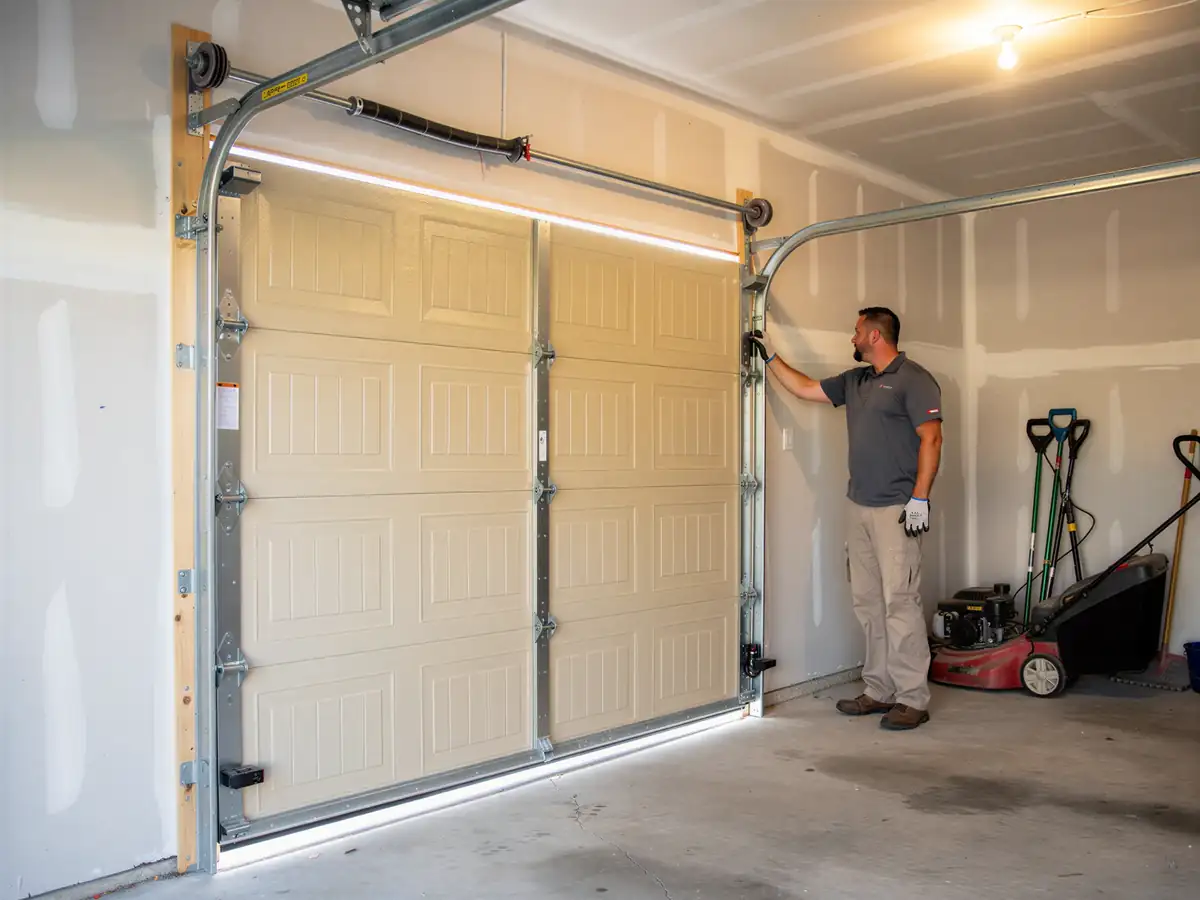
Planning a new garage door install in Lake Butler, FL? See what the newer 2004-era openings, climate, and distance from Casselberry mean for the job here.
Learn more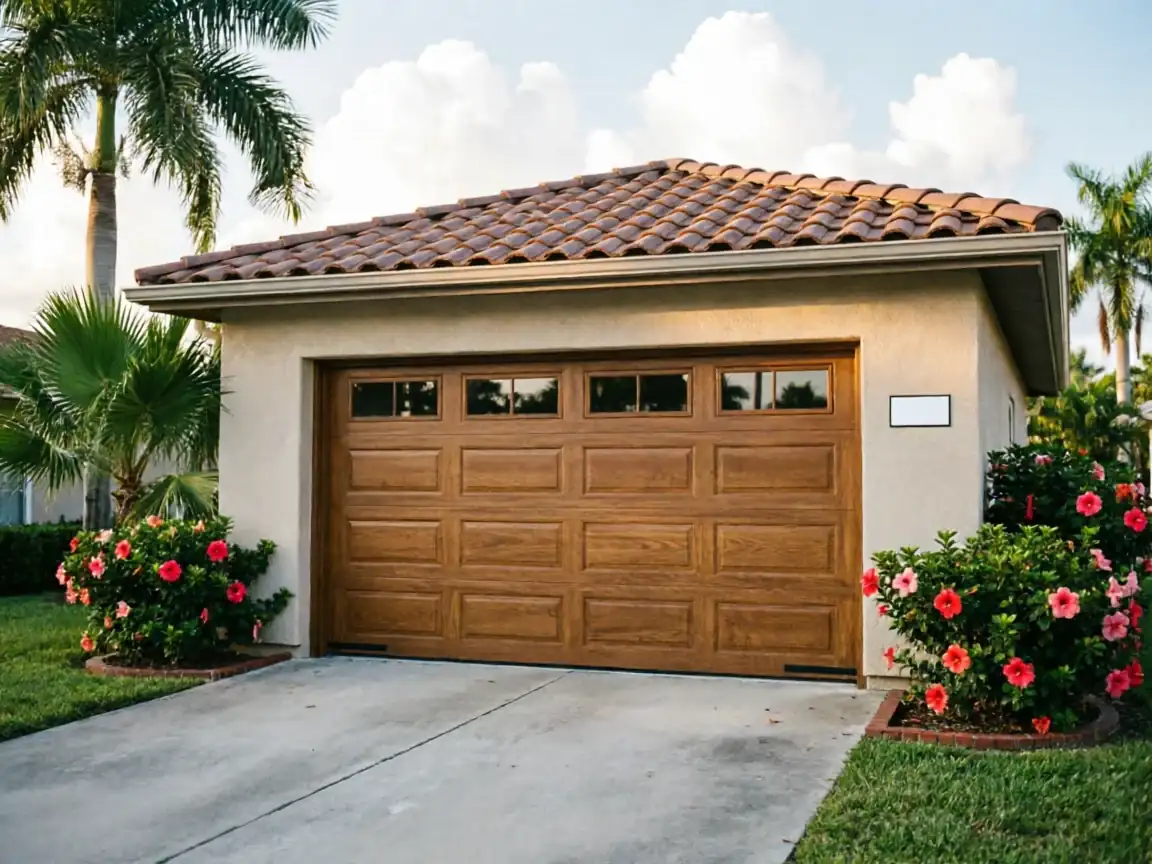
Garage door repair and opener service for Lake Butler, FL homes built mostly after 2000 - Casselberry Garage Door Pros travels the 18 miles to reach you.
Learn more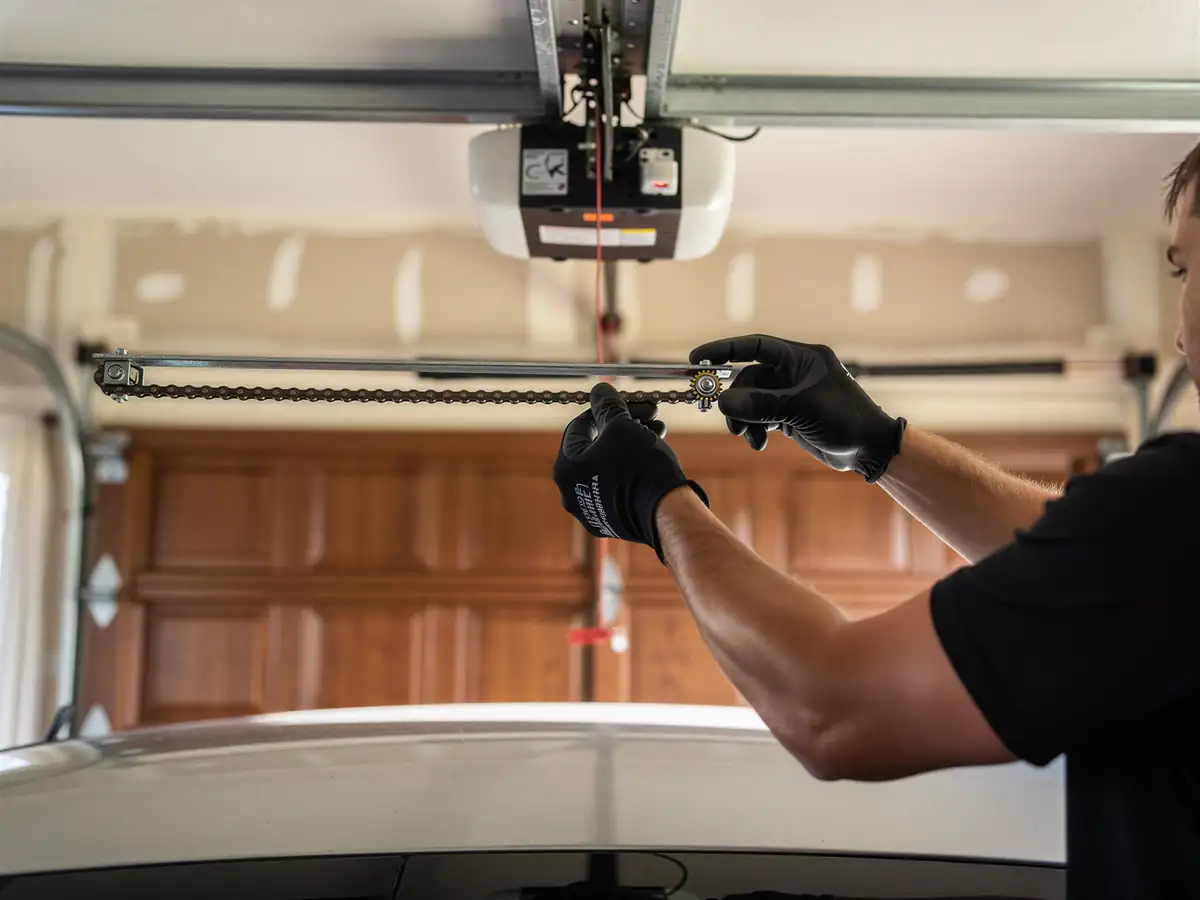
Lake Butler's homes mostly went up around 2004, which means original openers are now hitting the age where logic boards and gear sets start to fail. We drive out from Casselberry with the parts loaded.
Learn more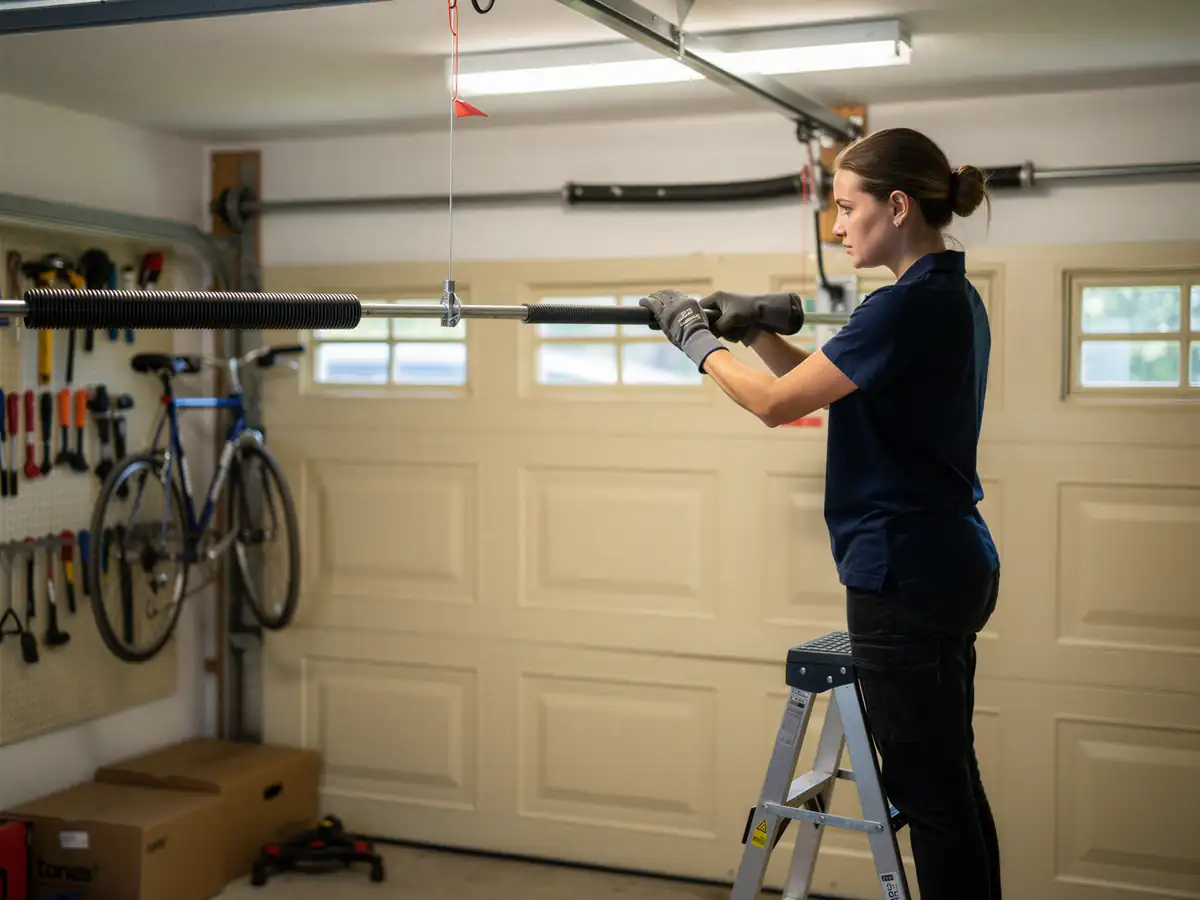
Lake Butler's garages mostly date to 2004 and run wider, two-spring torsion systems. Casselberry Garage Door Pros drives the 18 miles out to fix them right.
Learn more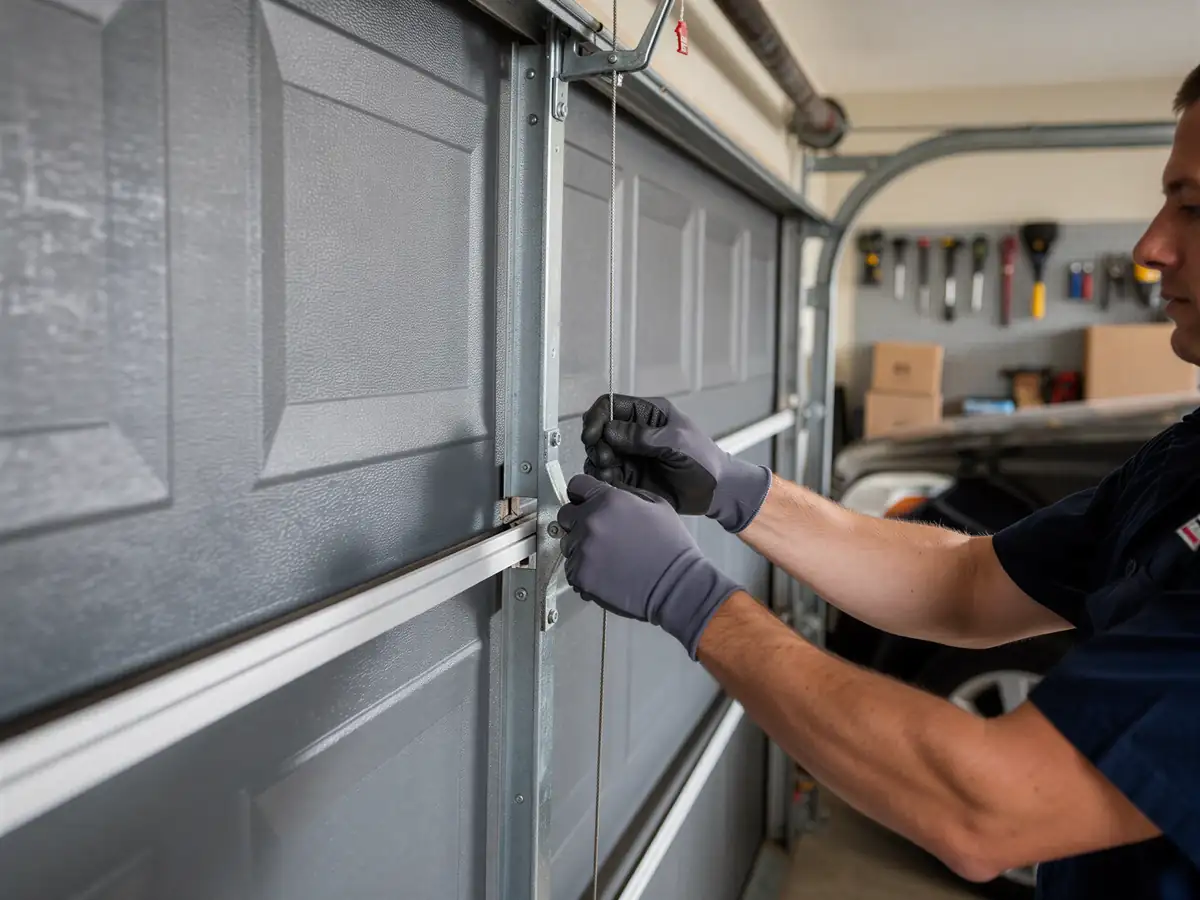
Most Lake Butler homes were built around 2004, newer torsion setups than nearby areas. We travel 18 miles from Casselberry for cable repairs, not replacements.
Learn more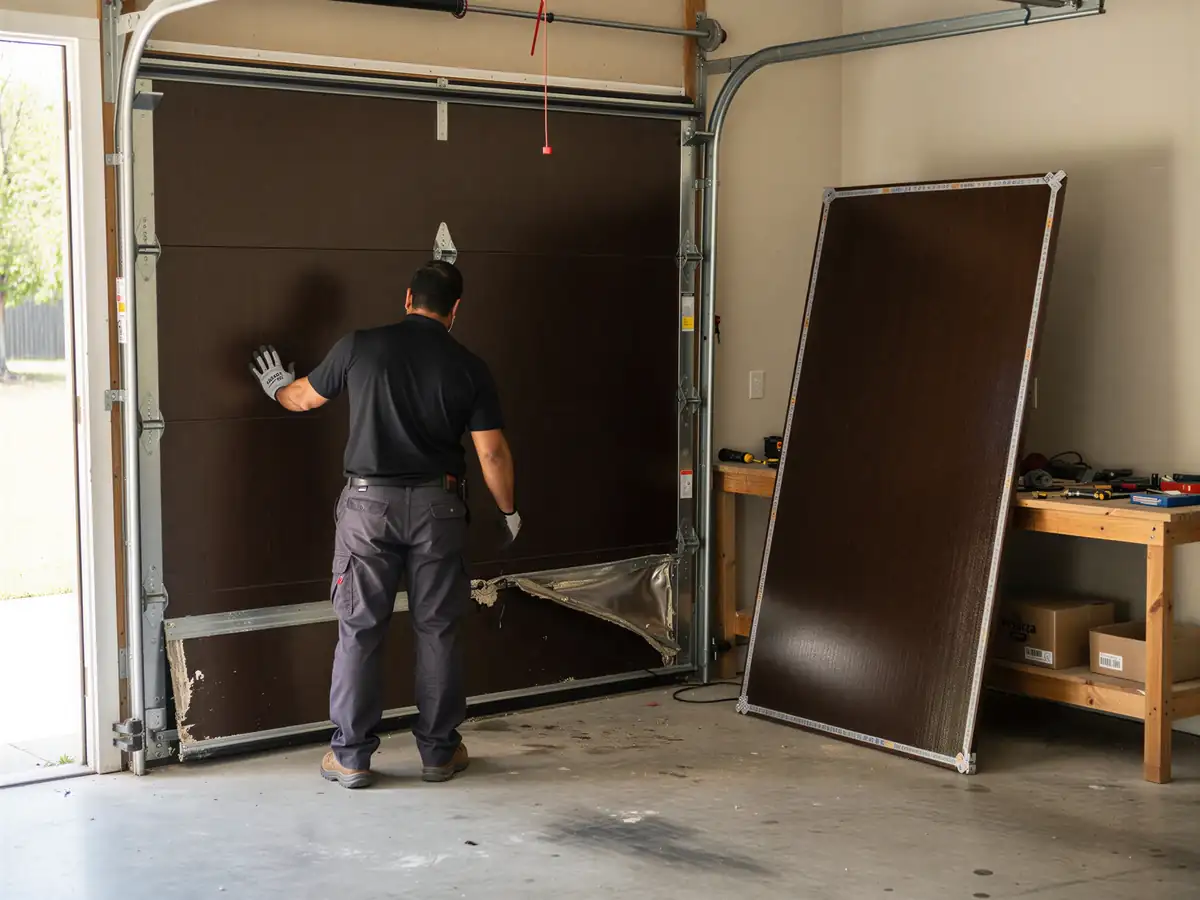
Lake Butler homes mostly went up around 2004, so panels are newer steel on original rollers. We drive 18 miles out from Casselberry to match and replace them.
Learn more
Lake Butler homes run newer than most of the Casselberry service area. Here's what that means for spring wear, opener checks, and the maintenance call itself.
Learn moreStraight answers about garage door repair in Casselberry. Still unsure? Ask us directly.
No. We're based in Casselberry, about 18 miles away, and we drive out for Lake Butler calls. There's no local branch here, so scheduling depends on the day's route rather than a same-day guarantee.
Likely yes. Lake Butler's housing mostly dates to around 2004, newer than much of the broader service area, so factory torsion spring systems on steel brackets are typical here rather than the older extension-spring setups common on 1960s-80s houses elsewhere.
On newer doors this is almost always a photo-eye sensor that's knocked out of alignment or dirty, not a failing motor. We check sensor alignment before touching the opener's gears or board, since it's the cheaper and more common fix.