Spring Repair for Wekiwa Springs' 1980s Housing Stock
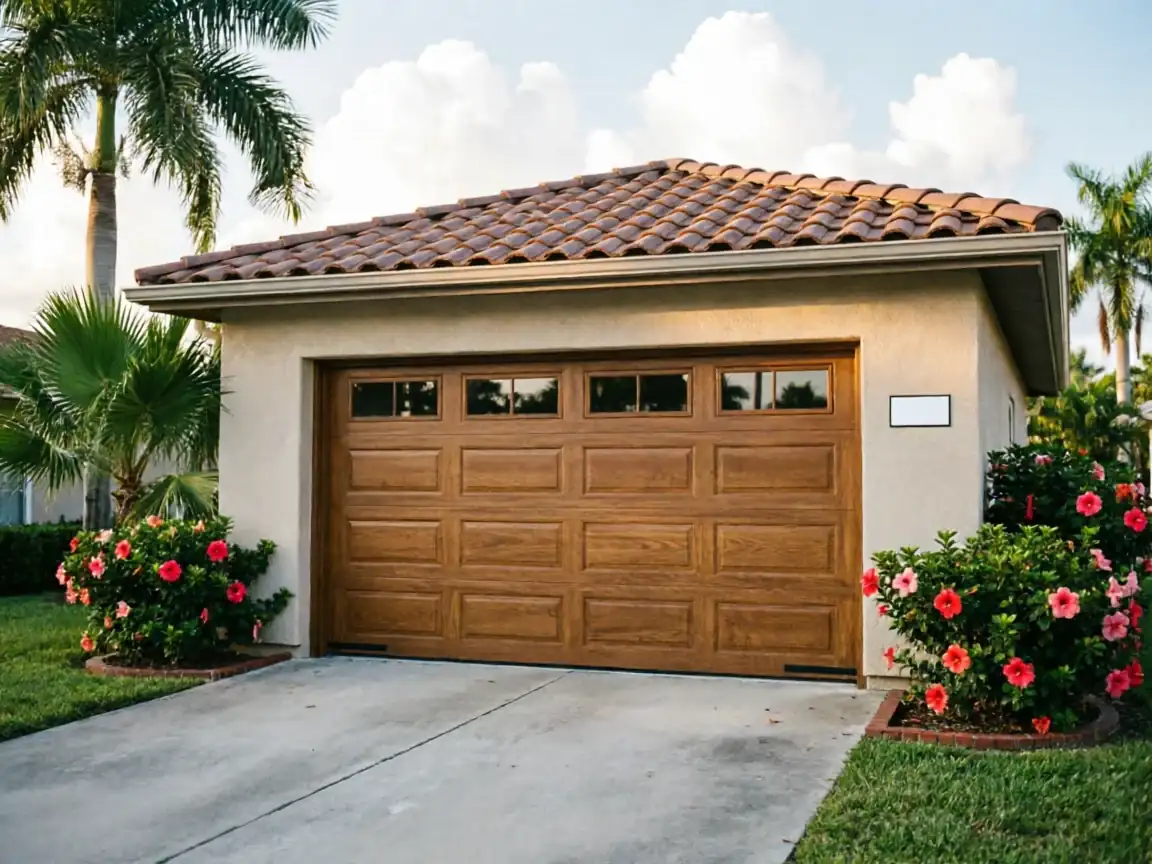
Wekiwa Springs homes date mostly to 1981. Torsion springs from that era are reaching the end of their cycle life. We drive out from Casselberry to fix them.
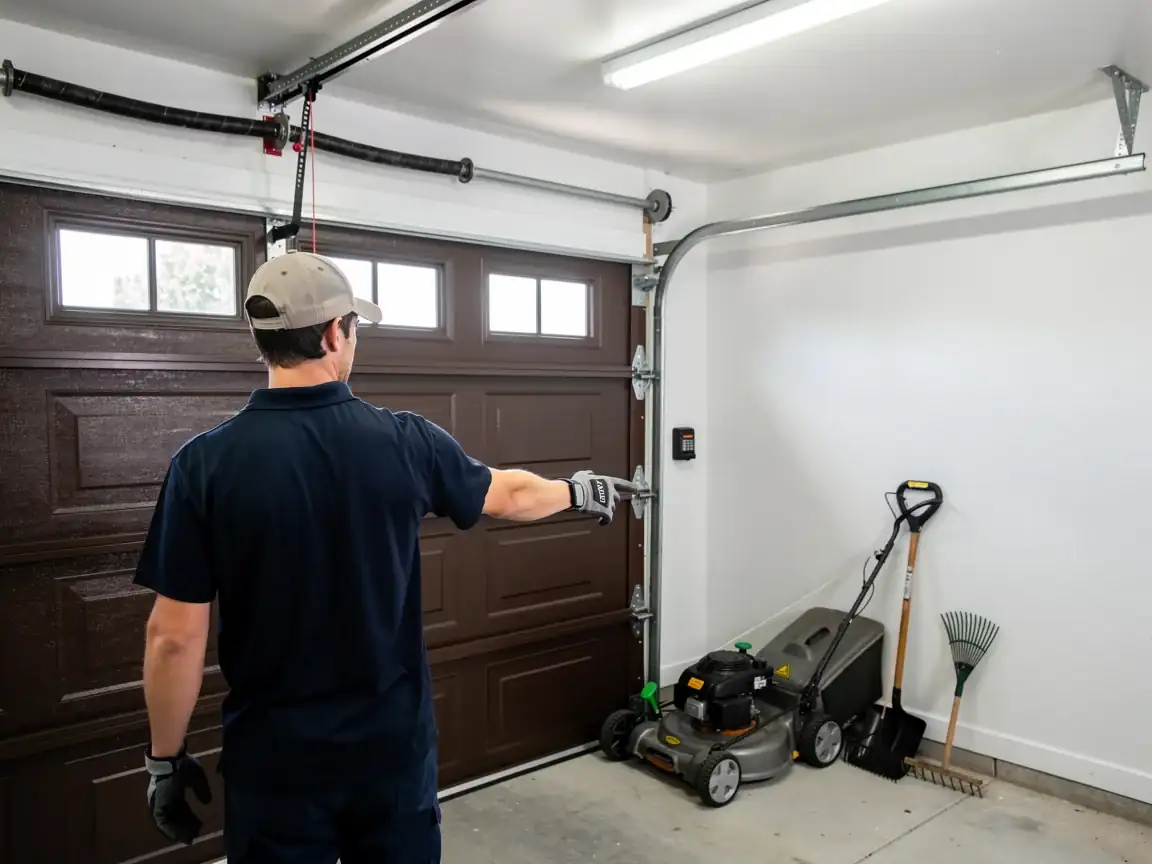
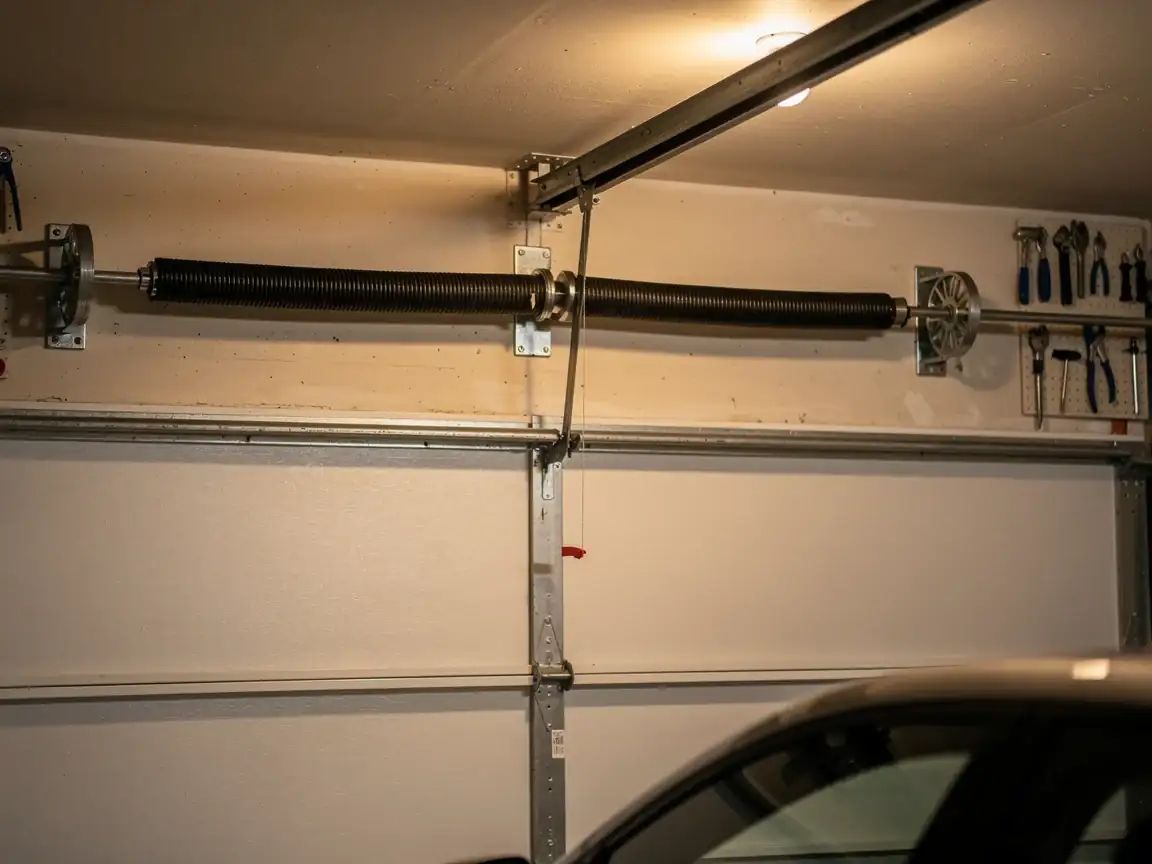
The fault almost always starts the same way: a torsion spring loses its temper and snaps, or one half of a two-spring set lets go while the other holds, leaving the door cocked and heavy on one side. You hear it as a bang from the garage, then the opener strains or won't lift the door past a foot off the floor.
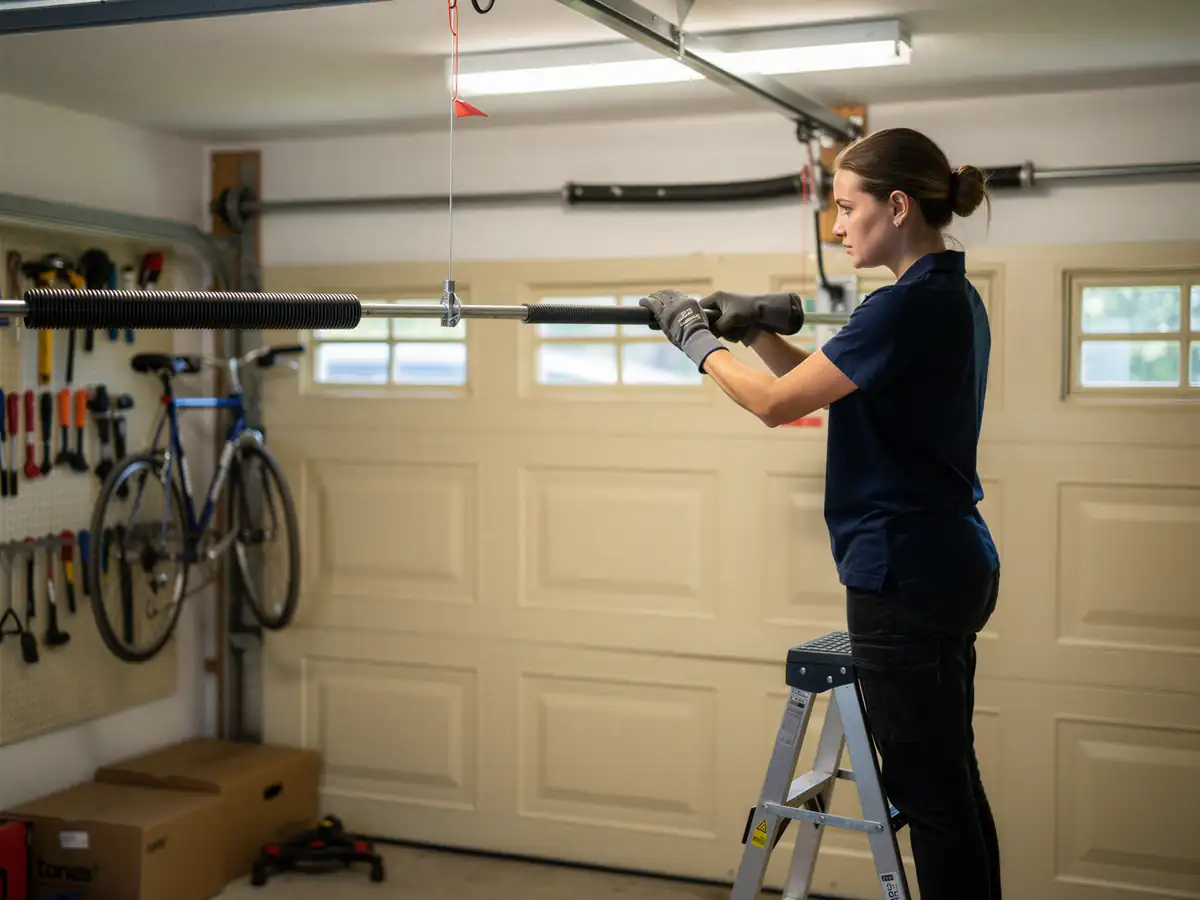
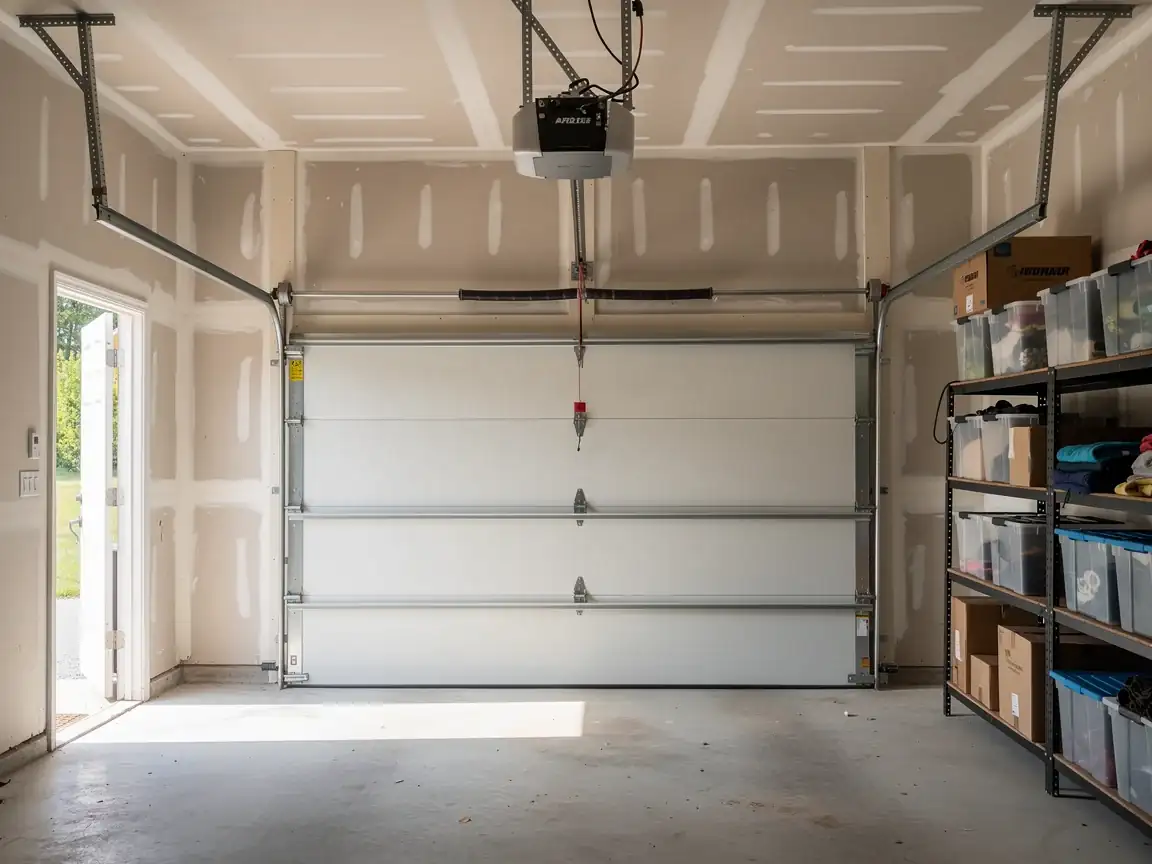
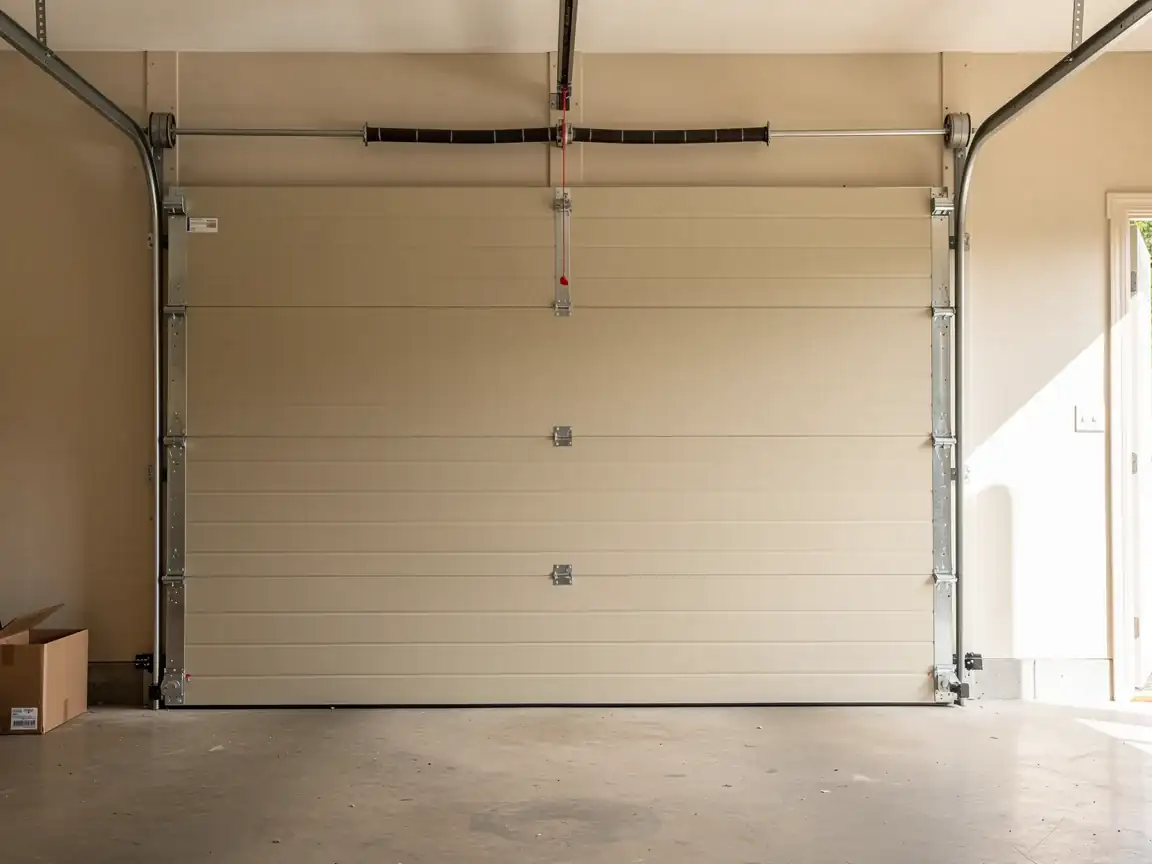
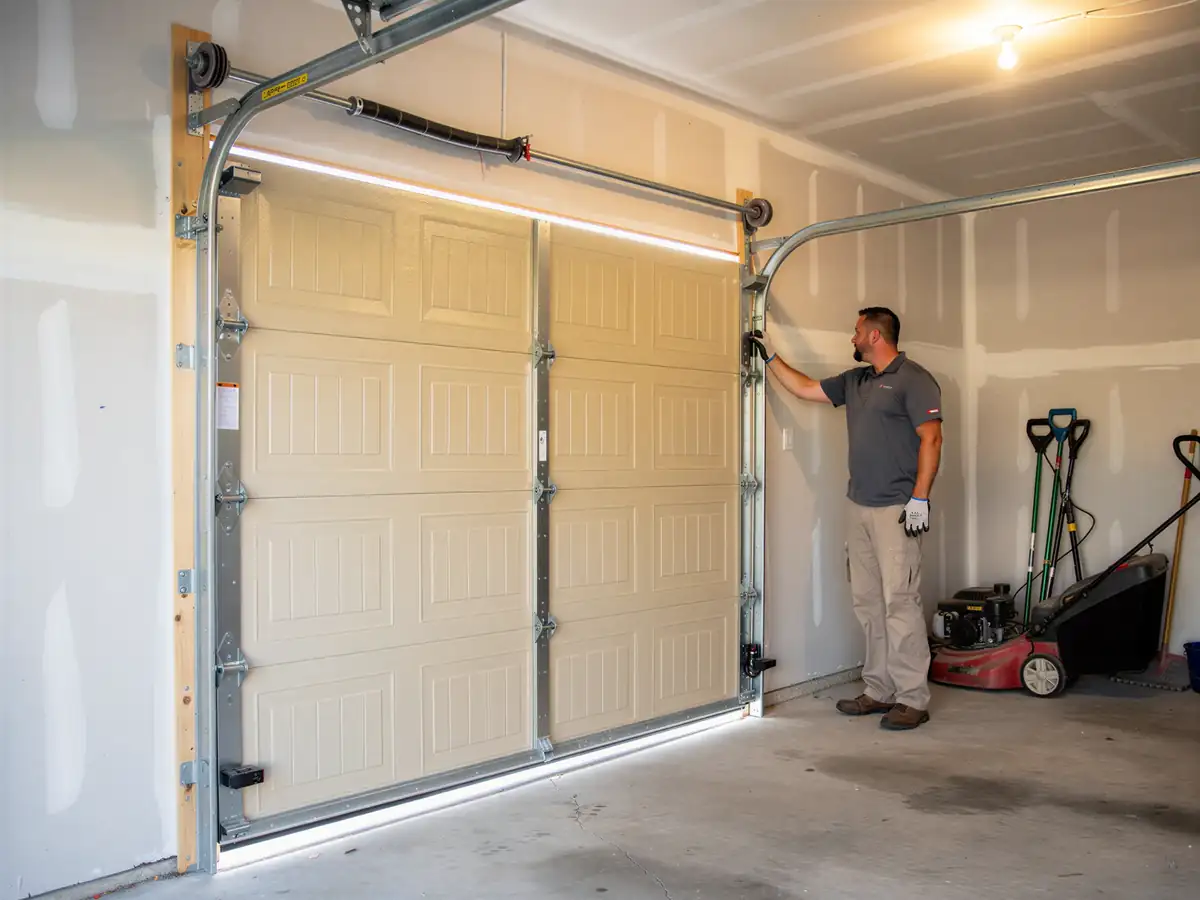
In Wekiwa Springs, the median home was built around 1981, and that number matters more than it sounds like it should. A 1981 door was very likely fitted with its original torsion spring or, at best, one replacement cycle since. Springs are rated for a number of open-close cycles, not years, but a spring installed when Reagan was in office has usually burned through its life whether anyone noticed or not. The fix is a straightforward swap: measure the wire gauge, coil diameter, and wind direction off the dying spring or the drum, then install a matched replacement and set the tension so the door balances at mid-travel without help from the opener. We don't patch a spring or add a second one to compensate for a weak one - it gets replaced.
Why This Fails Locally
Across the wider service area the housing runs from 1964 to 2004, with a lot of it concentrated in the 1980s and 90s. Wekiwa Springs sits right inside that window with a median build year of 1981, which puts a good share of its doors on hardware that's now 40-plus years old if nobody's touched it.
The mild temperate climate here doesn't put the same freeze-thaw stress on springs that colder regions see, so when a spring fails in Wekiwa Springs it's almost never a cold-snap event - it's plain fatigue from cycle count, sometimes helped along by rust on a spring that's never been lubricated. That's a slower, quieter failure than a dramatic cold-weather snap, and it means a lot of homeowners get no warning beyond the door feeling heavier for a few weeks before it finally goes.
Stocked Parts
01
We carry common torsion spring sizes that match the doors built through the 1980s and 90s
Since that's the bulk of what we see on these calls - standard 2-inch torsion springs on side-mounted or center-mounted shafts, matched pairs for double doors, and the stop cones and winding bars that go with them.
02
What we don't stock on the truck is anything custom
Odd-length springs for a door that's been modified, extension-spring conversions, or springs sized for a door heavier than the standard sectional steel or wood panel doors common to this era. If your door turns out to need one of those, we'll tell you straight that it's an order-in part rather than pretend we can finish the job same visit.
The Complications
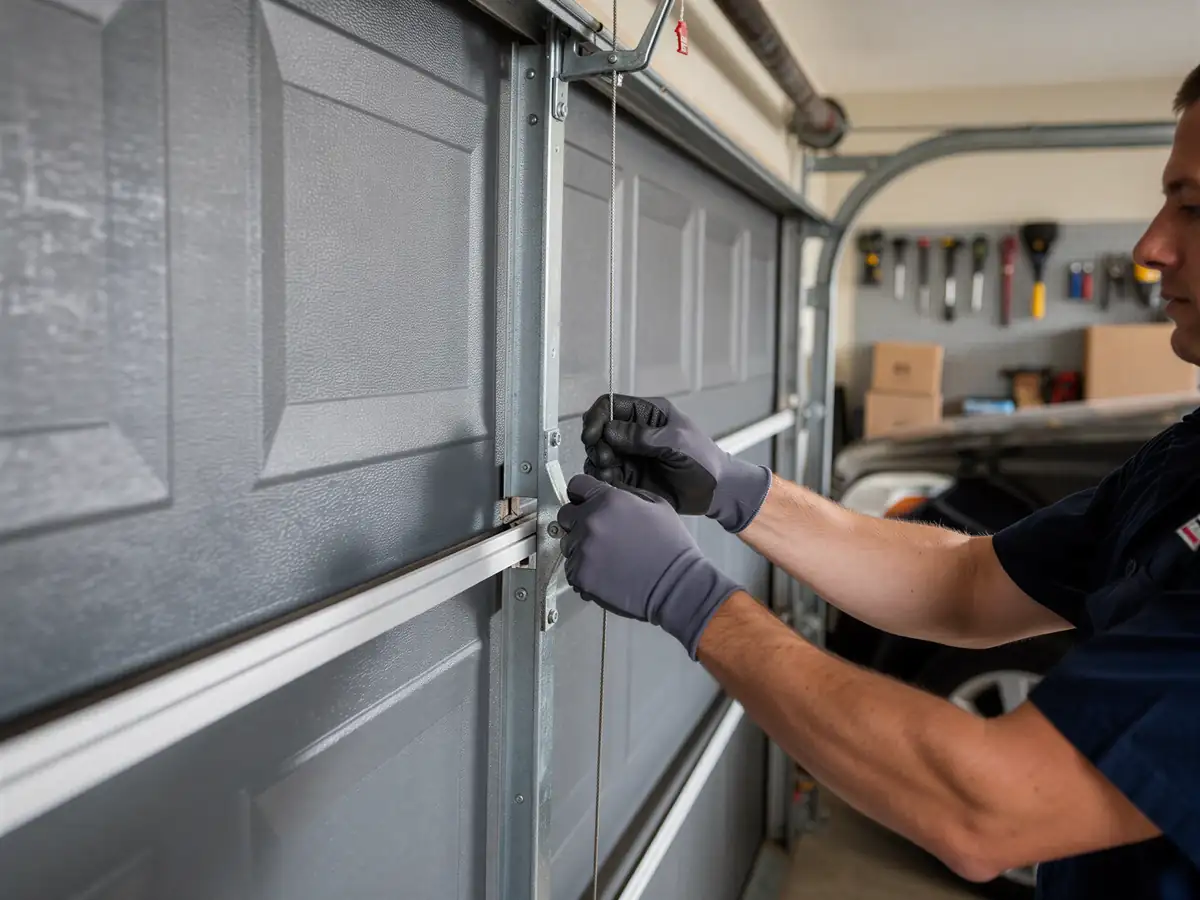
A straight spring swap on a standard door is a predictable job. It stops being predictable when the spring failure has already damaged something else - a bent torsion shaft from the sudden unbalanced load, a cracked bottom bracket, or cables that frayed trying to hold the door on their own after the spring let go.
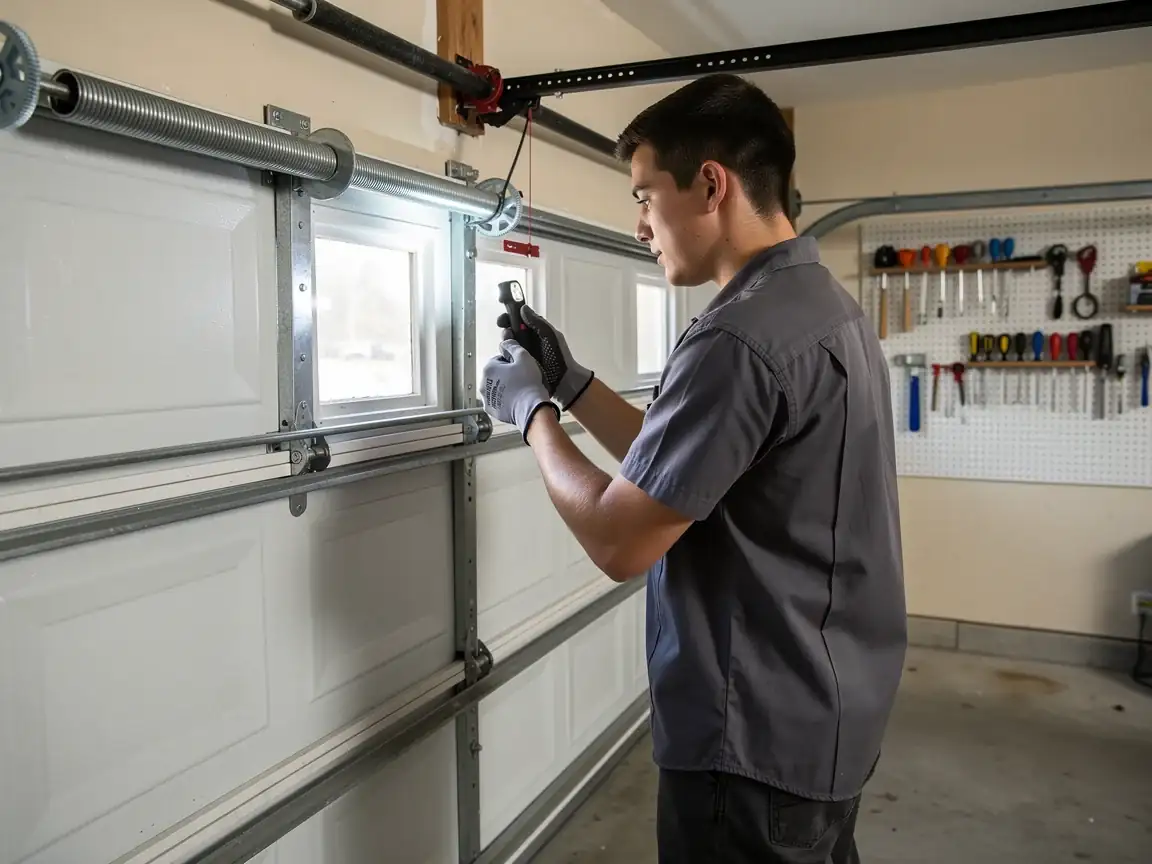
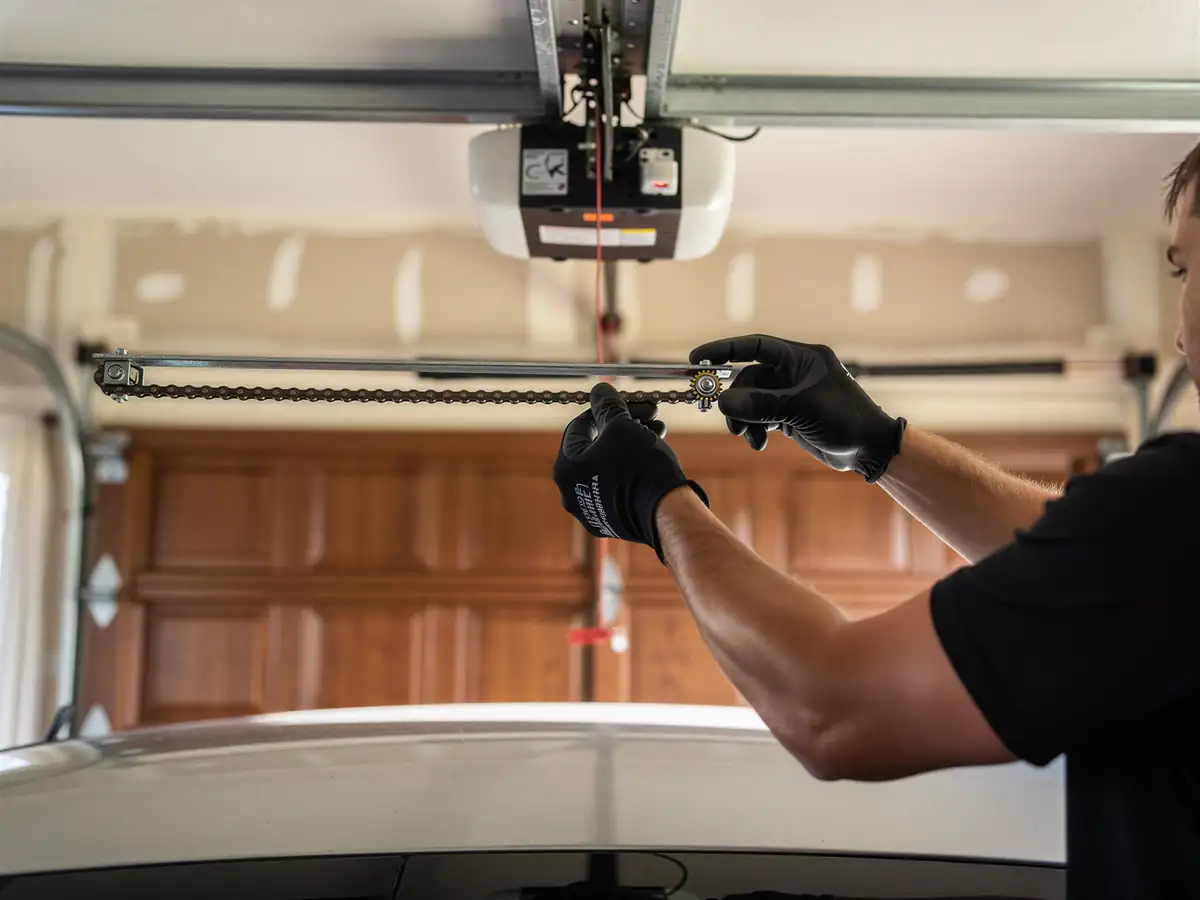
With a 1981-era door, the other common complication is the drum and shaft assembly itself. Original hardware from that build year sometimes uses center bearing plates or drum styles that have since been phased out in favor of simpler designs. We can usually work with the existing shaft and brackets, but if they're worn past spec, replacing just the spring won't fix the underlying problem - the door will keep binding or sagging even with a new spring installed.
How Long You Are Without the Door
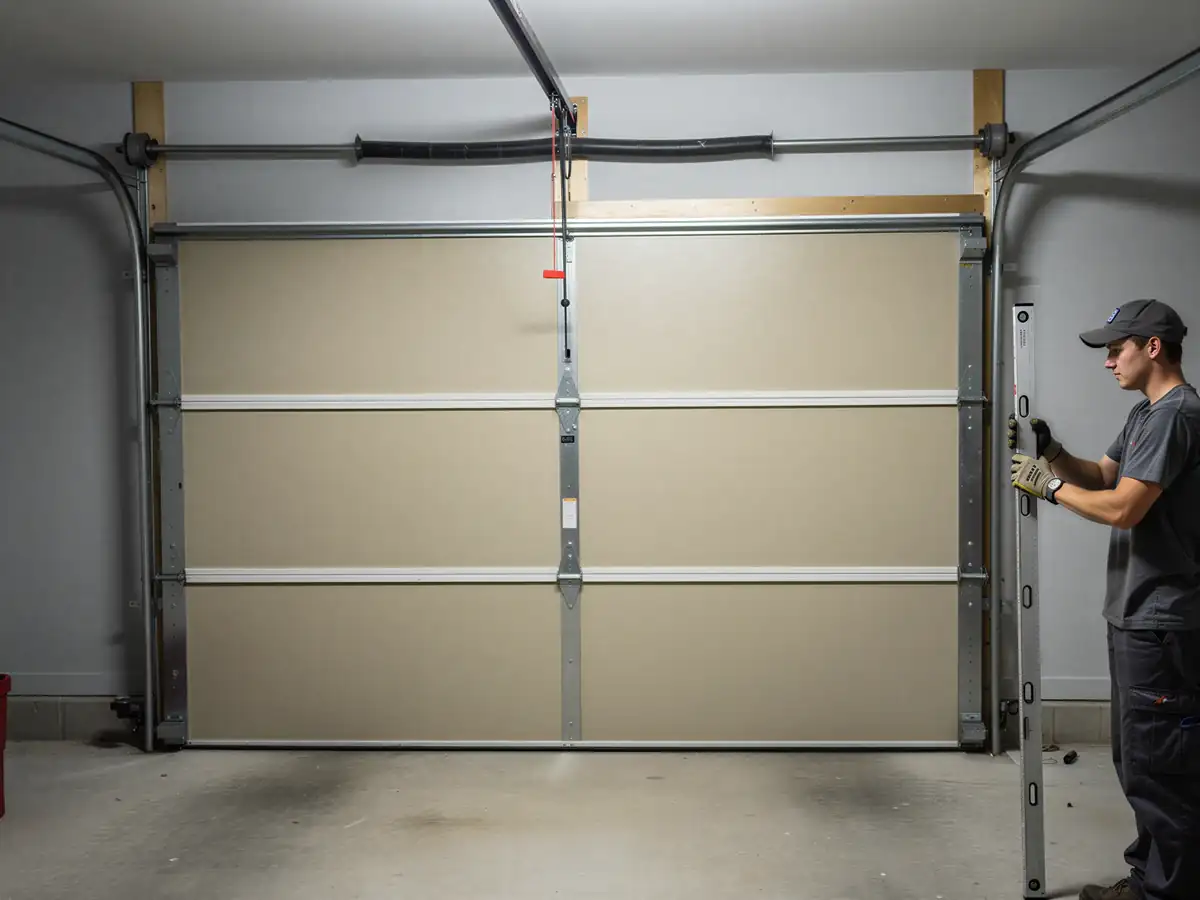
A spring job itself - diagnosis, removing the old spring safely, installing and tensioning the new one, testing the balance - usually runs under two hours once we're on site. The time you actually spend without a working door depends more on what we find once the old spring is off than on the repair itself.
We travel the 7 miles out from Casselberry for these calls, which we account for, but we don't publish a fixed arrival window here since that's a scheduling detail tied to the day's route, not to Wekiwa Springs itself. If the shaft or brackets need attention beyond the spring, that adds time on the same visit rather than requiring a second trip in most cases.
How it works
From “it’s stuck” to “it’s fixed”
01
Tell us what’s wrong
Describe the symptom - won’t open, loud bang, opener runs but the door won’t move.
02
On-site diagnosis
A technician tests the door under power and by hand and finds what actually failed.
03
Clear, up-front plan
You get the fix that’s needed and what drives the cost - before any work starts.
04
Repaired & tested
The repair is done, the door is set true and tested, and the work area left clean.
Not sure which repair your door needs in Casselberry, FL? Describe what it’s doing - every job starts with a diagnosis.
Straight answers about garage door repair in Casselberry. Still unsure? Ask us directly.
Is it worth fixing just one spring if I have a two-spring door?
No. If one spring breaks on a double door, the other is almost always close behind it, especially if both are original to a 1981-era door. We replace both at once so you're not back out here in a few months for the second half of the same failure.
Why did my spring break with no warning?
Torsion springs fail on cycle count and metal fatigue, not a single event. In this climate it's rarely a cold-weather snap - it's slow wear that finally gives out, sometimes after the door's been feeling heavier than usual for weeks without anyone noticing.
Can you match the spring to my original 1980s hardware?
Usually, yes. Standard 2-inch torsion springs on side or center-mounted shafts cover most doors from that build era, and we carry those sizes. If your shaft or brackets are a less common style, we'll tell you before we start rather than force a fit.