Garage Door Service for Forest City's 1980s Housing Stock
Forest City homes built mostly in the 1980s run on steel extension-spring setups that fail differently than newer stock. We drive out from Casselberry with the parts to match.
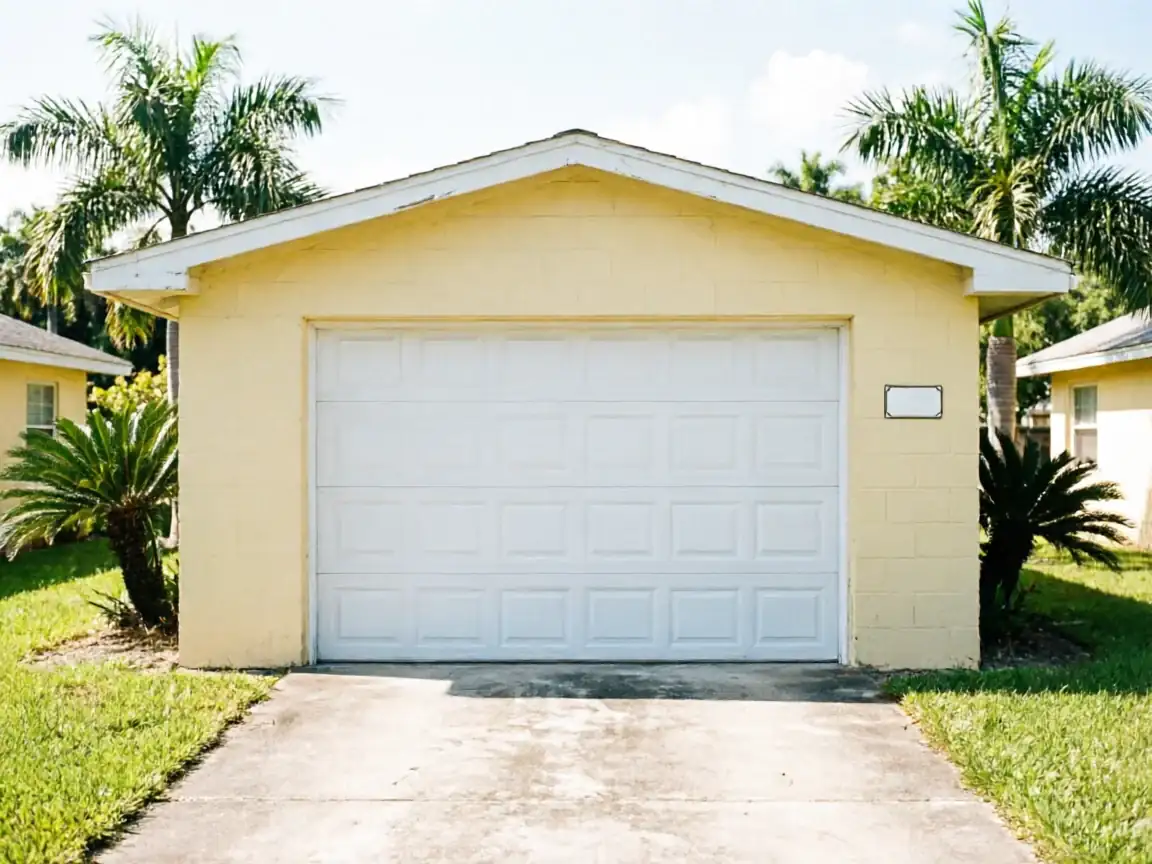
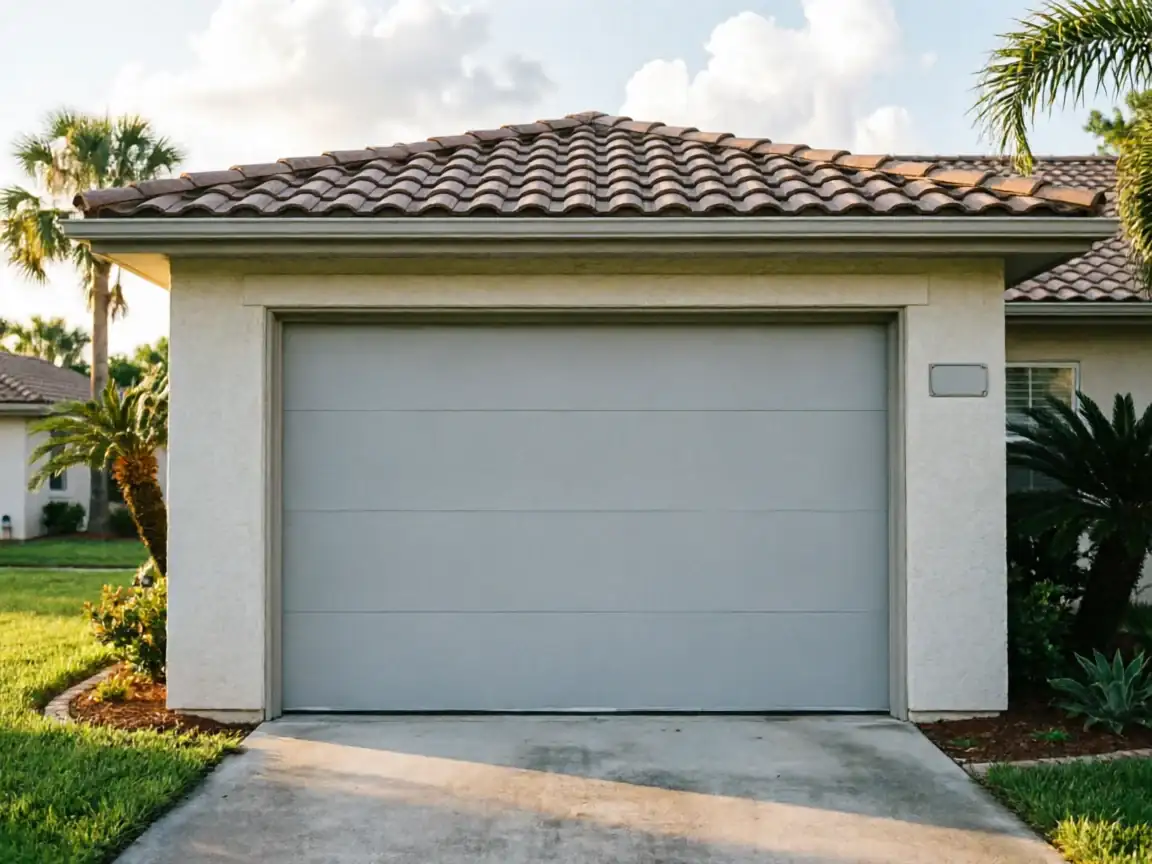
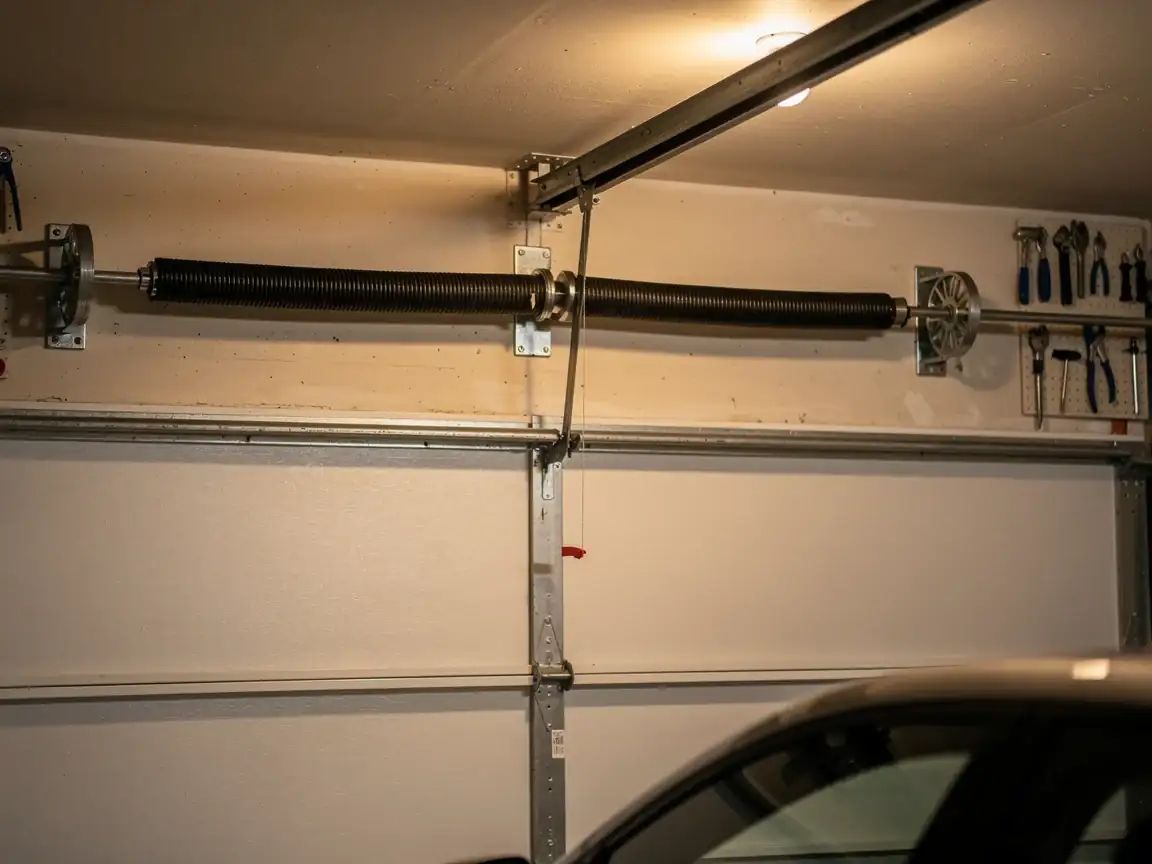
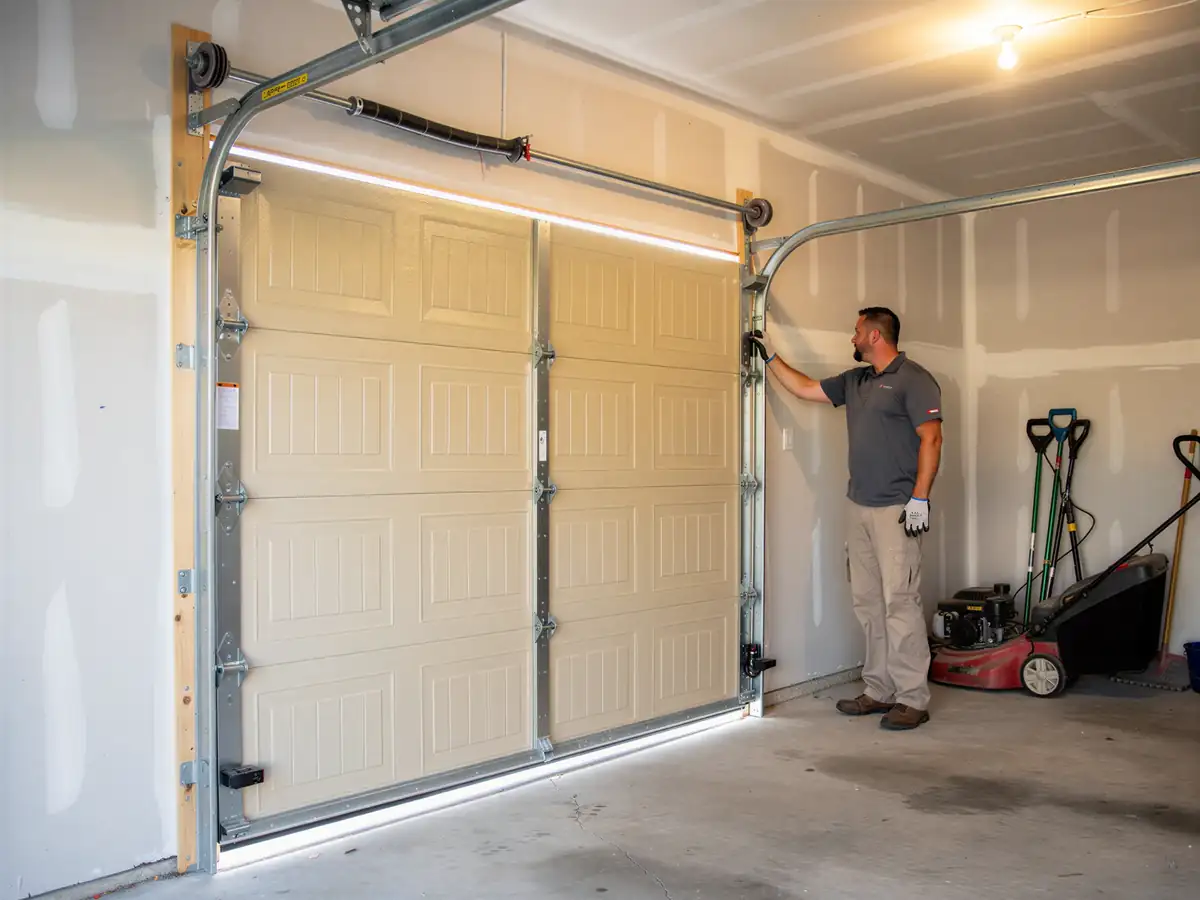
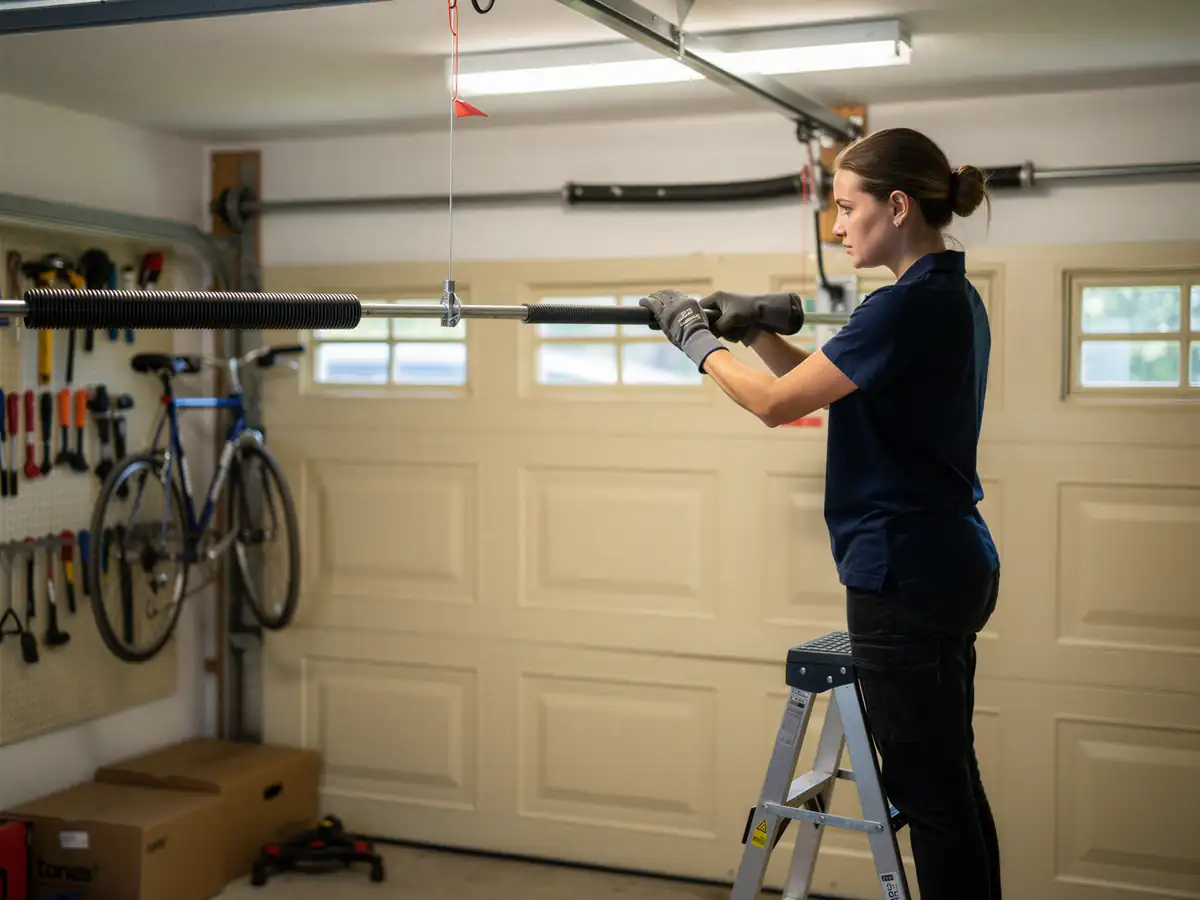
The call we get most from Forest City starts the same way: the door opens fine, closes fine, then one day it just stops halfway and sags to one side. That's usually an extension spring giving out on a door that's been running the same hardware since it went up. Forest City sits about 8 miles from our shop in Casselberry, and the houses out there were mostly built in the 1980s and 90s, consistent with the wider build pattern across this part of the service area (median year built 1984). That matters because extension-spring setups, not torsion bars, were still common builder-grade hardware through that stretch, and those springs have a shorter working life than what goes into newer construction.
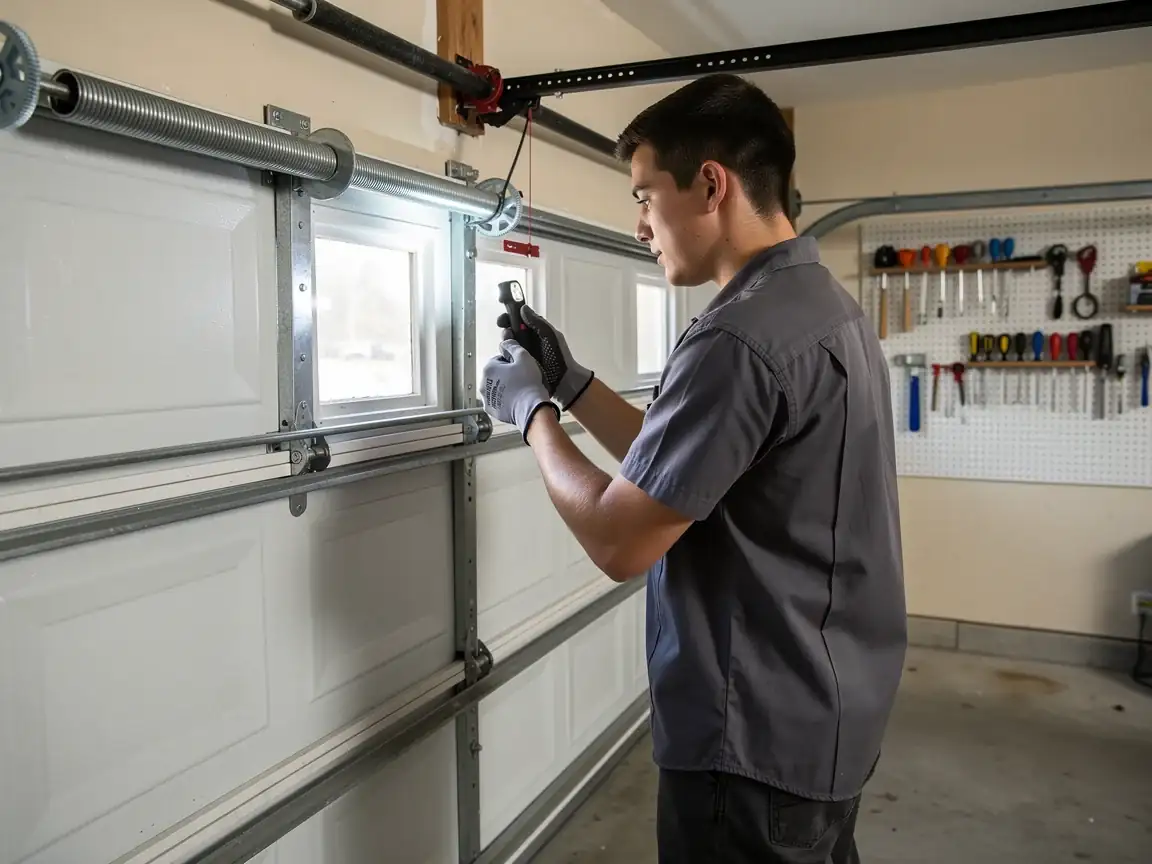
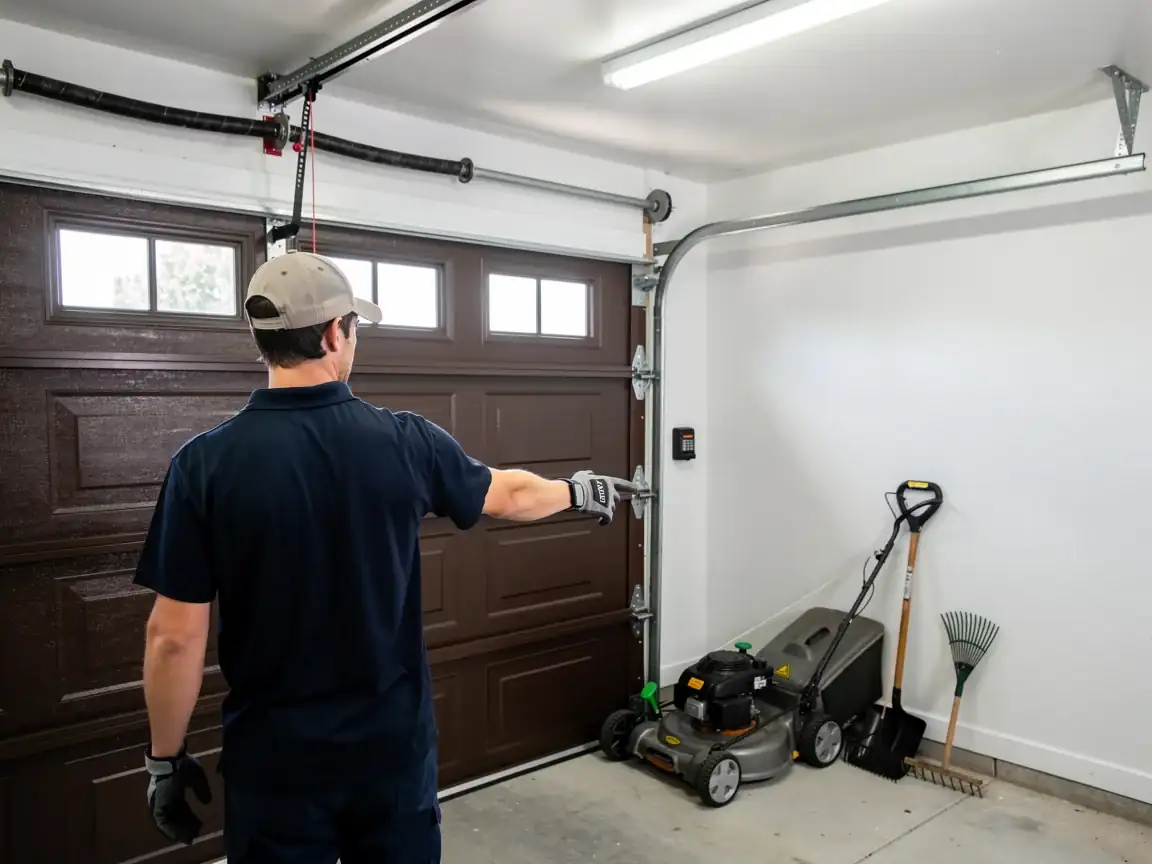
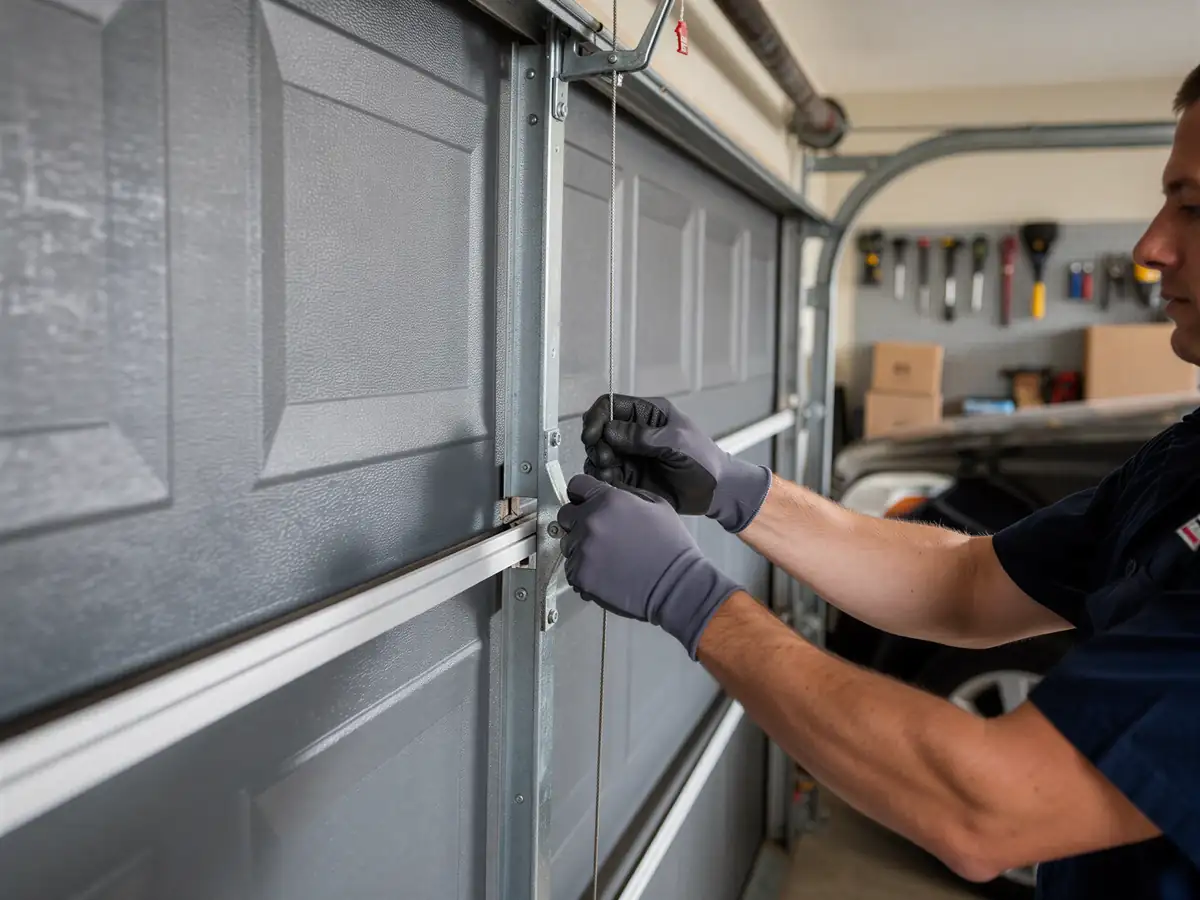
When a door that age fails, it's rarely just the spring. The galvanized cable running alongside it has usually stretched or frayed from the same cycles, and the pulley it rides on wears unevenly long before anyone notices. Fix only the spring and you're back out in six months for the cable. We look at the whole assembly on a house from this era, not just the part that quit.
How to Book
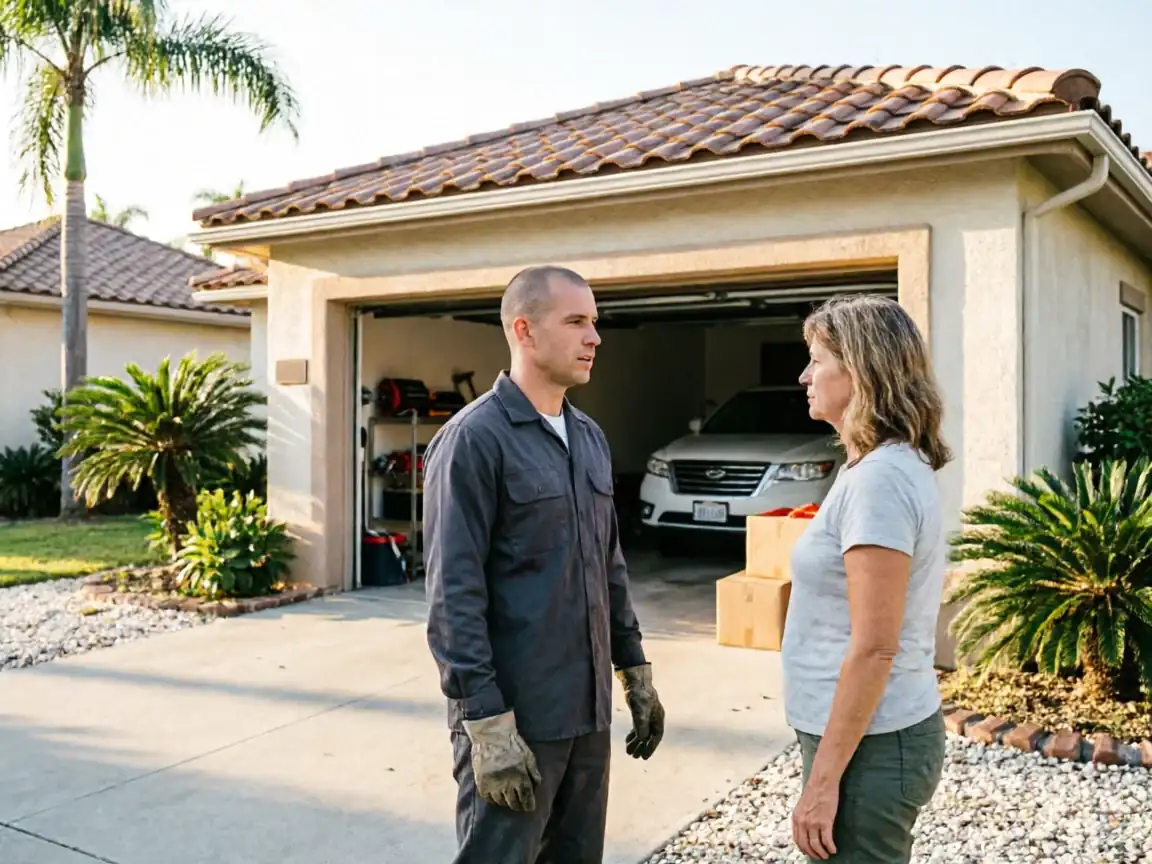
We cover Forest City from our Casselberry location, so there's no local branch or drop-in counter out there - a truck comes to you. Call and tell us the door is stuck, sagging, or making a bang-and-stop noise when it tries to close, and we'll ask the age of the house or the door if you know it. That one detail (1980s build versus something newer) changes what we load on the truck before we leave Casselberry. You can also start with the Forest City page on our site for a rundown of the work we do out there, or check the main Casselberry service page for the full list of what we handle company-wide.
Stocked Parts
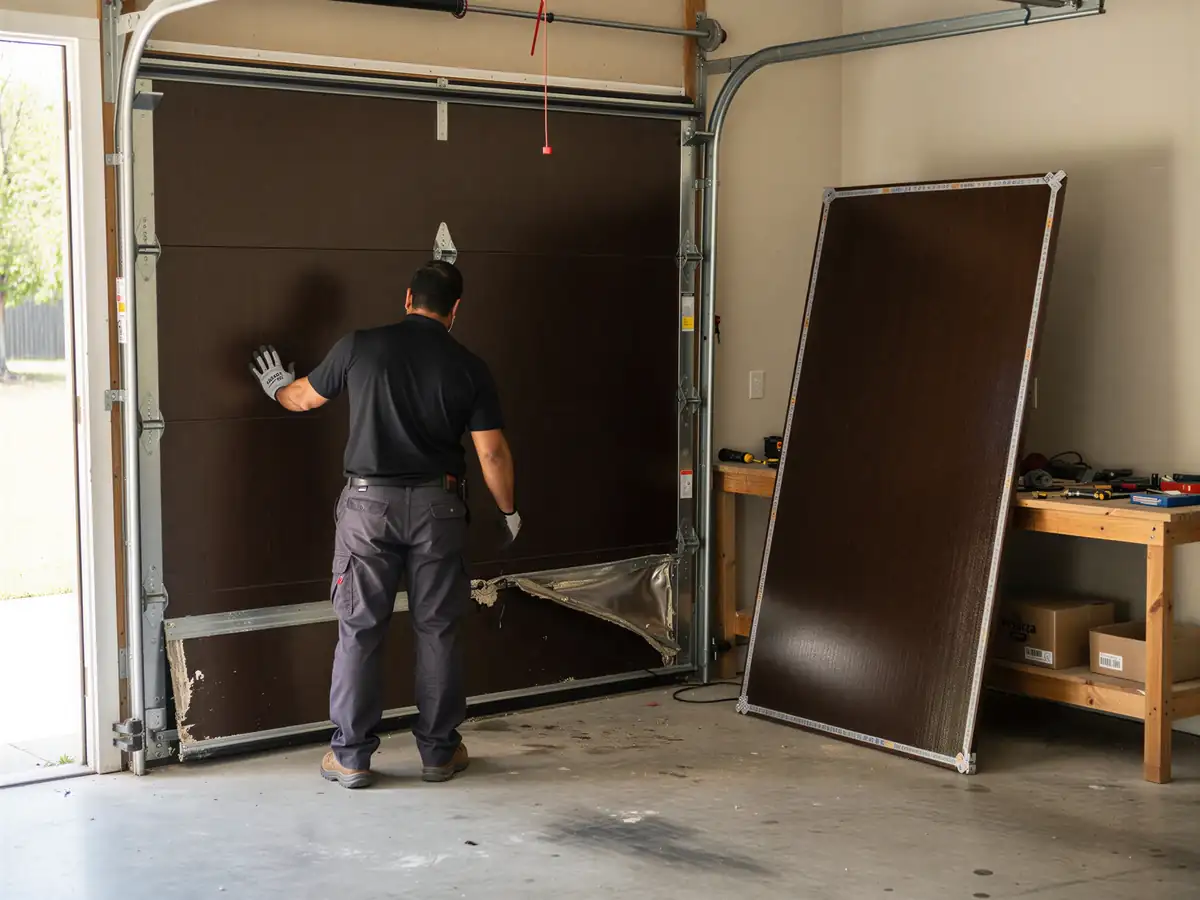
Because so much of Forest City's housing dates to the 1980s and 90s, we keep extension springs, galvanized lift cable, and the stamped-steel pulleys that era used sitting on the truck before we even get the address. Rollers wear out everywhere, but on a door this old they're usually the original nylon ones, brittle and cracked at the edge - we stock replacements in the common sizes. What we don't always carry is a match for a specific panel style if the door itself was swapped out at some point for something newer; if your door isn't original to the house, we may need to order a panel rather than pull one off the truck. That's the one thing that slows a job down out here.
The Symptom
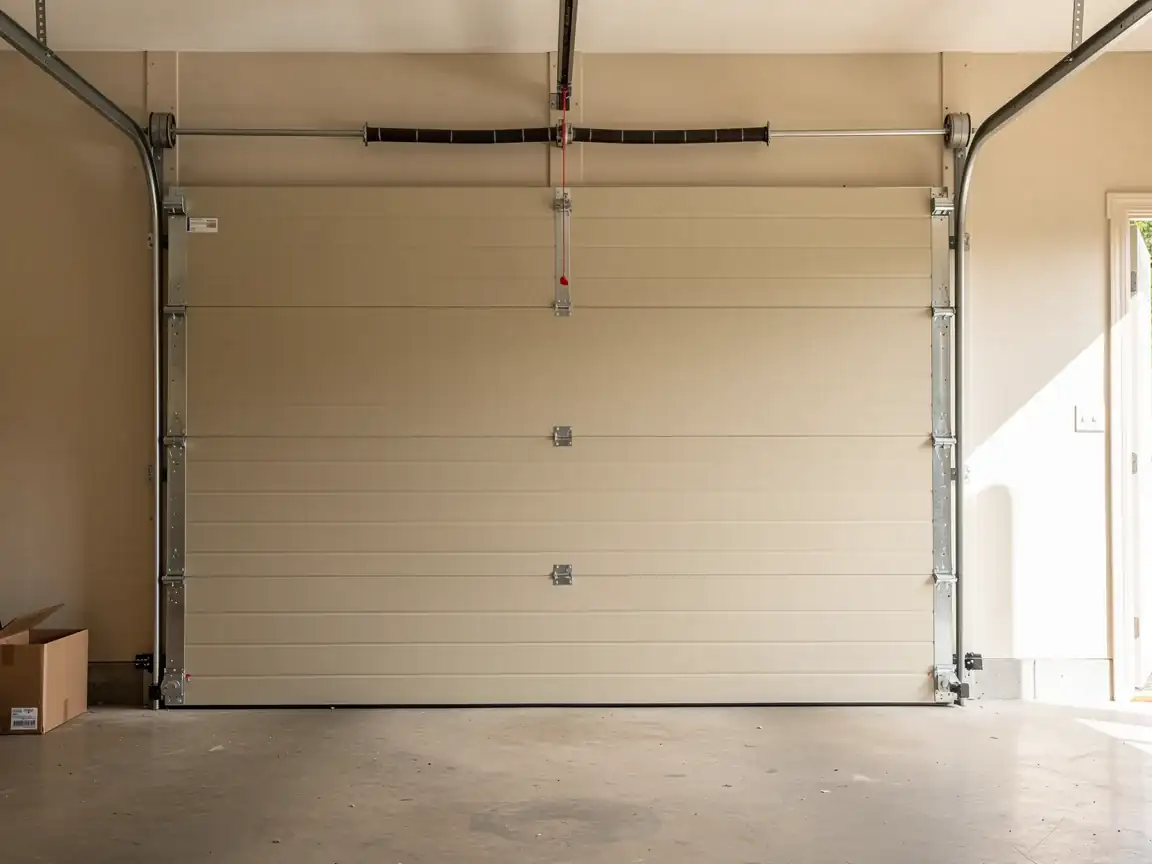
The pattern we see most in Forest City is a door that reverses itself partway down, or one that the opener strains to lift and then gives up with a grinding noise. On a house from the 1984-ish build era, that's almost always spring fatigue combined with a cable that's lost its factory tension. Sometimes it shows up as one side of the door hanging lower than the other when it's open - a sign one spring has gone while its twin is still holding, which is actually the more dangerous version since the door's weight is now unbalanced on the track. Mild Central Florida weather doesn't stress hardware the way freeze-thaw cycles do farther north, so when a door this age fails, it's cycle count and age, not corrosion, doing the damage.
What the Fix Involves
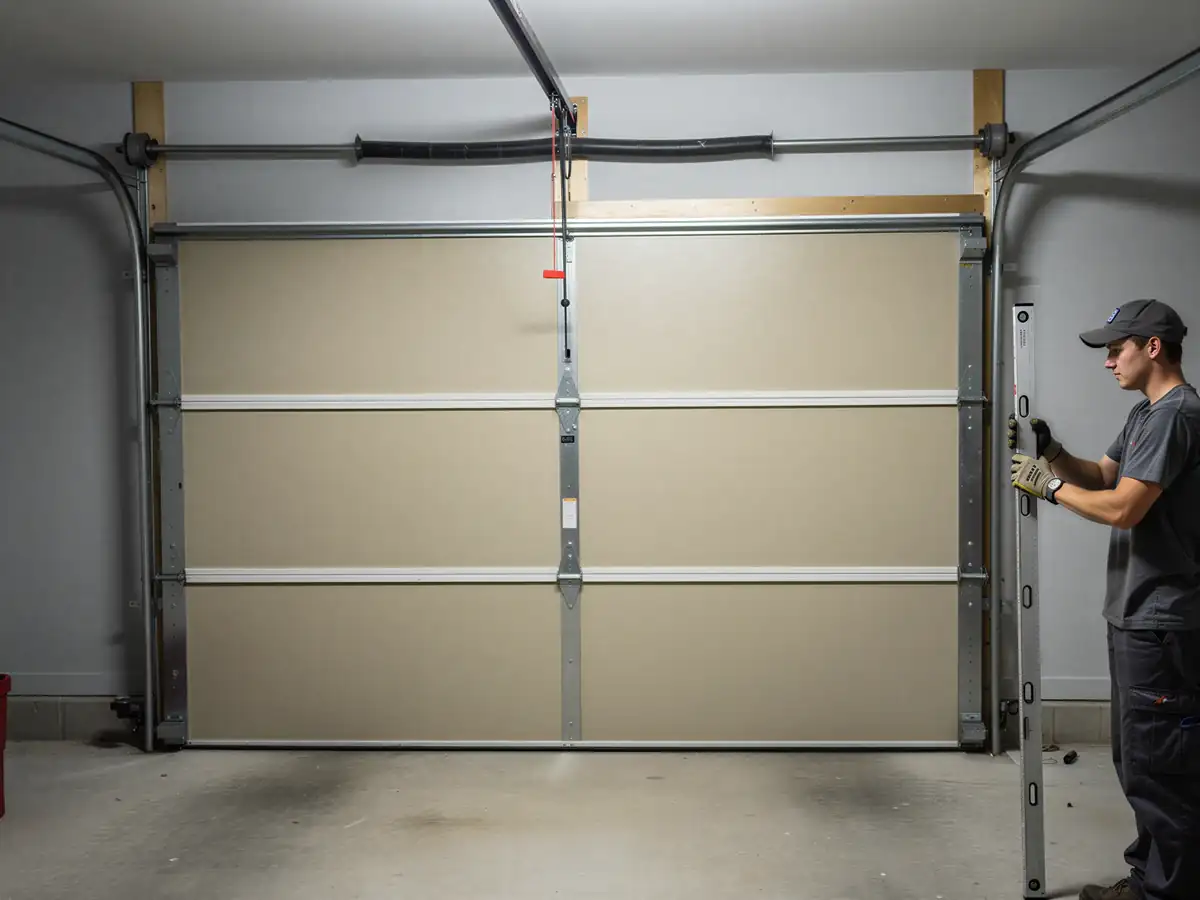
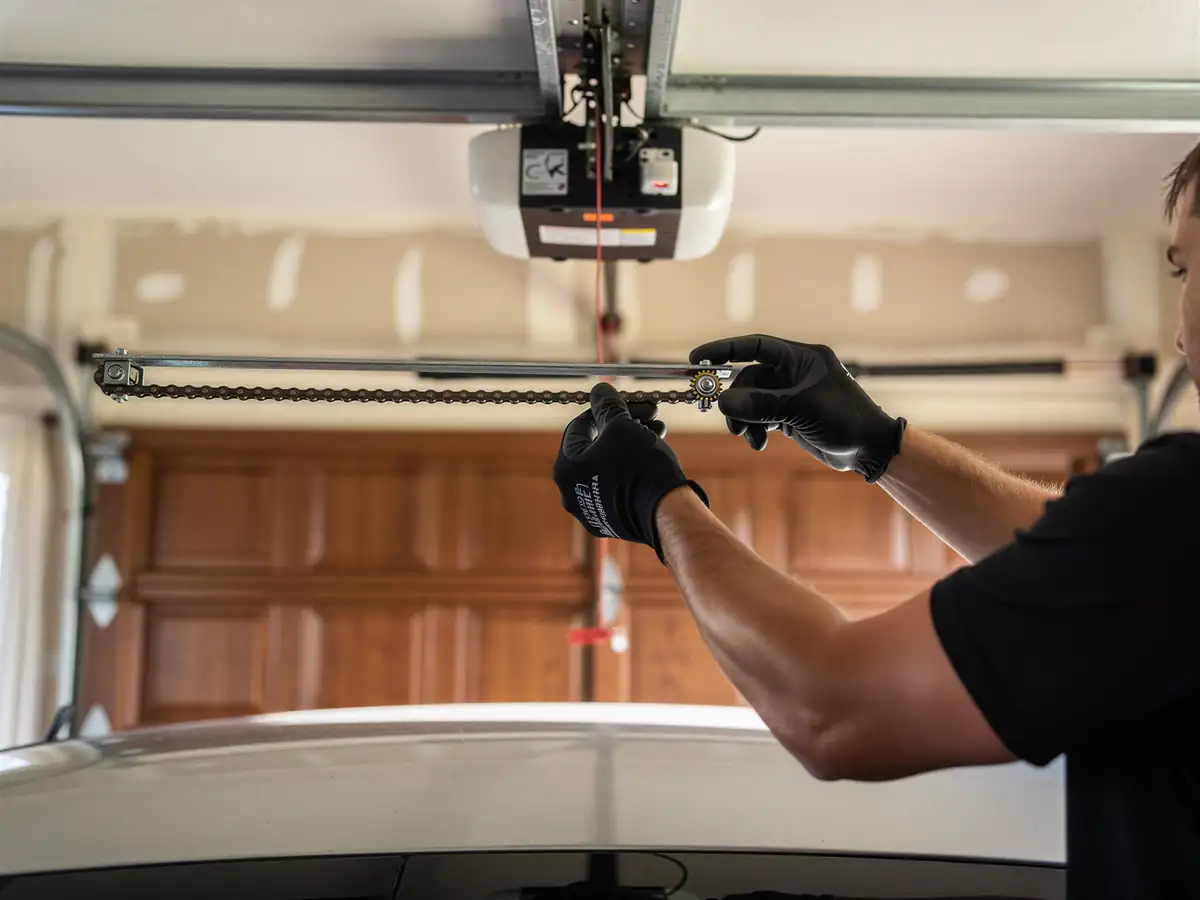
For a 1980s-era door in Forest City, the job is usually a spring and cable replacement done as a pair, even if only one side failed - the other side is close behind it on the same clock. We check the pulleys and the roller track for wear while the door is open and unloaded, since that's the only time you can really see how much play has built up. If the opener itself is original to the house, we'll test the travel limits and force settings, because a worn spring often makes the opener compensate by cranking up the force, which just accelerates wear on everything downstream. We don't recommend patching a 40-year-old opener motor if it's already struggling - at that point replacement is the honest answer, not another repair bill.
How it works
From “it’s stuck” to “it’s fixed”
01
Tell us what’s wrong
Describe the symptom - won’t open, loud bang, opener runs but the door won’t move.
02
On-site diagnosis
A technician tests the door under power and by hand and finds what actually failed.
03
Clear, up-front plan
You get the fix that’s needed and what drives the cost - before any work starts.
04
Repaired & tested
The repair is done, the door is set true and tested, and the work area left clean.
Not sure which repair your door needs in Casselberry, FL? Describe what it’s doing - every job starts with a diagnosis.
Straight answers about garage door repair in Casselberry. Still unsure? Ask us directly.
Is there a Casselberry Garage Door Pros location in Forest City?
No. We're based in Casselberry, about 8 miles away, and send a truck out to Forest City for calls. There's no local counter or drop-in spot in Forest City itself, just a service truck stocked for the job type you describe when you call.
Why does my 1980s Forest City garage door keep sagging on one side?
That's almost always one extension spring failing while the other is still holding weight. The door's build era (mid-1980s for most of this area) means original hardware is likely original springs too, and they don't fail in pairs - they fail one at a time, which is what causes the lean.
Do you carry parts for older Forest City doors on the truck already?
Yes, for the common items - extension springs, cable, pulleys, and nylon rollers sized for 1980s-90s builder-grade doors. If your door was replaced more recently with a different panel style, we may need to order that specific part rather than carry it standard.